DbcultAccessing Vault...
6.4/10
Senior Film Conservator
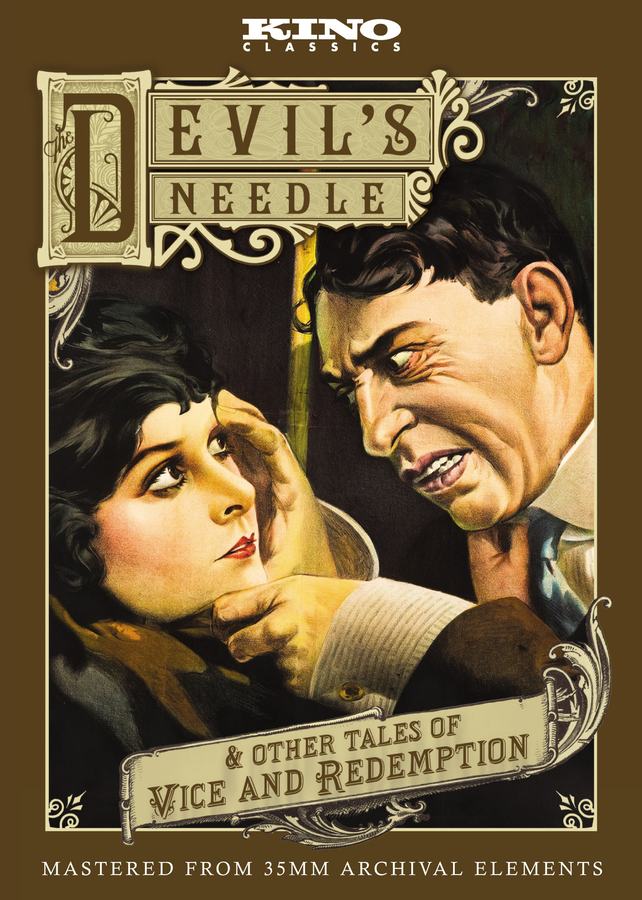
A definitive 6.4/10 rating for a film that redefined the boundaries of cult cinema. The Devil's Needle remains a cornerstone of transgressive art.
There are films that merely entertain, and then there are those that hold a mirror to the anxieties of their age, reflecting both its grand aspirations and its festering underbellies. Chester Withey’s 1916 drama, The Devil's Needle, unequivocally belongs to the latter category. This isn't just a story; it's a social document, a cautionary tale spun with the melodramatic intensity characteristic of early 20th-century cinema, yet possessing a raw emotionality that still resonates today. It plunges headfirst into the then-taboo subject of drug addiction, specifically cocaine, framing it within a narrative of societal clashes, artistic passion, and destructive jealousy.
At its heart, the film is a study in contrasts. On one side, we have Wynne Mortimer, portrayed by the luminous Marguerite Marsh, a woman born into the gilded cage of high society. Her life, meticulously curated by her prominent businessman father, William Mortimer (F.A. Turner), is a predictable tapestry woven with privilege and an engagement to the suitable but ultimately uninspiring Hugh Gordon (Tully Marshall). On the other, we encounter David White (Monte Blue), a rising star in the art world, whose bohemian spirit and creative intensity offer a stark, intoxicating alternative to Wynne's preordained path. The initial spark between them, ignited at an art exhibit, feels less like a chance encounter and more like an inevitable collision of opposing worlds, a narrative device often employed in silent era melodramas to heighten dramatic tension, much like the rigid class distinctions explored in a film like The Midnight Wedding, though with a distinct focus on moral rather than purely economic divides.
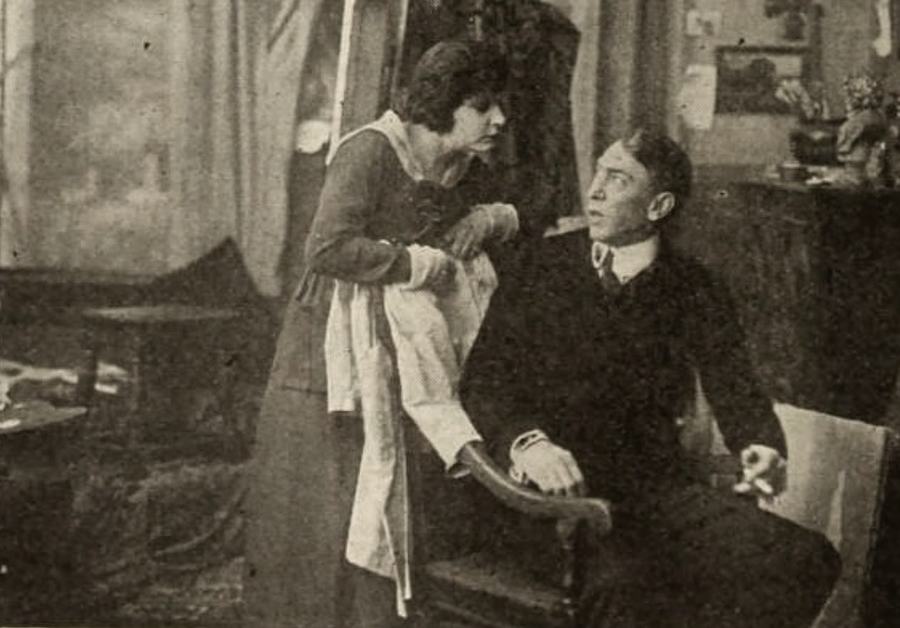
The film truly begins to unravel its darker threads with the introduction of Renée, David White's long-standing model, brought to life with compelling intensity by Norma Talmadge. Talmadge, a titan of the silent screen, imbues Renée with a tragic vulnerability that makes her character's descent all the more poignant. Renée is not merely a jilted lover; she is a woman already teetering on the precipice of addiction, finding solace in the insidious embrace of cocaine. Her years of devotion to David, seemingly reciprocated, are shattered by Wynne's appearance. The shift in David's affections is depicted with a brutal swiftness, a testament to the impulsive nature of cinematic romance in that era, and Renée's immediate recognition of this betrayal is heartbreaking. Her turning to the 'devil's needle' in a desperate attempt to numb the agony of her lost love is a powerful, if stark, portrayal of the destructive interplay between emotional pain and substance abuse.
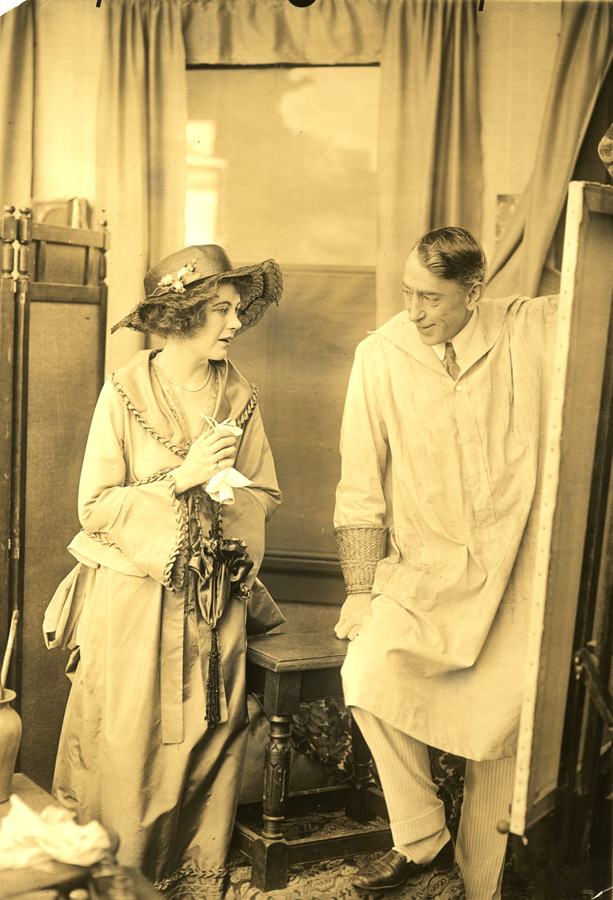
Wynne, initially captivated by David's artistic vision and his insistence that she alone can embody the spirit of his new masterpiece, finds herself drawn deeper into his world. This artistic muse dynamic, where a woman inspires and poses for an artist, was a common trope, often fraught with peril and societal judgment, as seen in other films of the period where women step outside conventional roles, though perhaps less explicitly dealing with addiction. The confrontation between Hugh Gordon and David White in the studio is a pivotal moment, a clash between the staid expectations of society and the unbridled passion of artistic pursuit. It's a scene brimming with silent film histrionics, yet it effectively conveys the immense social pressure Wynne faces. Her father's subsequent condemnation and prohibition against seeing David again act as a cruel sentence, driving David into a despair that echoes Renée's own initial plight.
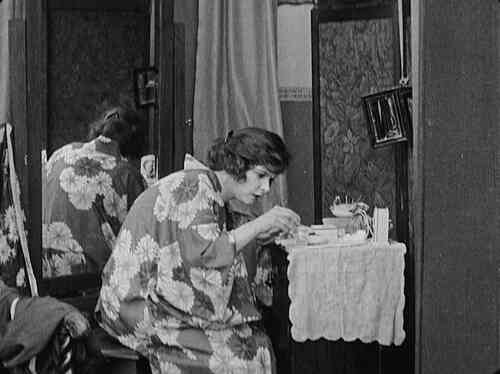
The film’s most courageous and unsettling segment chronicles David’s rapid descent into cocaine addiction. This was a remarkably daring subject for a film of its time, pre-dating the full force of the Hays Code by over a decade. The portrayal of David’s habit, while perhaps exaggerated by today's standards for dramatic effect, nonetheless conveys the terrifying grip of the drug. The subtle shifts in Monte Blue's performance, from the vibrant artist to the hollowed-out addict, are crucial in conveying this transformation. It's a stark reminder that addiction spares no one, irrespective of talent or social standing. Wynne's defiance of her father's decree, her return to the studio, and their subsequent elopement and marriage, momentarily offer a glimmer of hope. However, this hope is quickly extinguished as David’s addiction intensifies, casting a long, dark shadow over their nascent union. Her father’s unforgiving response, turning her from home, further isolates Wynne, trapping her in a cycle of desperation and forced resilience. This theme of a woman enduring hardship for love, often facing societal scorn, is a recurring motif in silent cinema, finding parallels in the struggles depicted in films like Who Pays? or Her Life for Liberty, though The Devil's Needle adds the particularly thorny issue of addiction to the mix.
It is in the film’s exploration of redemption that its true depth lies. Renée, consumed by a profound sense of culpability for David’s addiction – a guilt stemming from her own initial drug use and the heartache she inflicted – attempts to reform him. This narrative turn is fascinating, transforming her from a jilted antagonist into a figure of tragic empathy. Yet, it is Wynne’s unwavering loyalty, her declaration that she will stick by him for as long as he needs her, that serves as the true catalyst for David’s recovery. This emphasis on love as a redemptive force, a spiritual anchor in the storm of addiction, speaks to the moralistic underpinnings of many films of this era. It suggests that while external factors can push one towards the precipice, internal strength, often bolstered by profound human connection, is essential for pulling back.
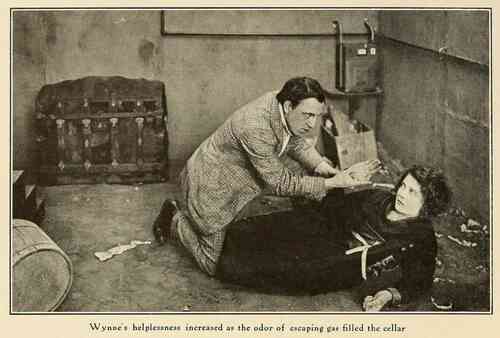
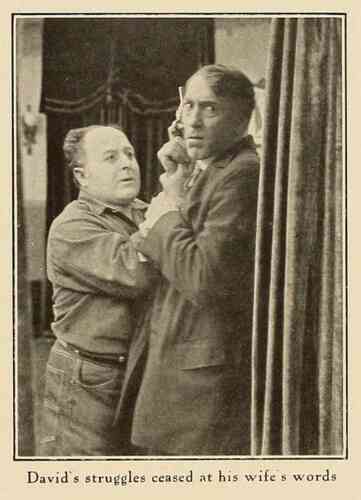
David’s struggle to overcome his habit is depicted as an agonizing, solitary battle, yet it is Wynne’s steadfast presence that provides the crucial motivation. His determination to free her from any perceived obligation, to allow her a life unburdened by his past, is a testament to the profound transformation within him. This desire to selflessly release the beloved, even at personal cost, is a powerful expression of reformed character. Wynne's subsequent search for David, leading her into the perilous, shadowy corners of the city, culminates in a classic melodramatic sequence. The attack by a thug and David’s timely rescue of his wife from a den of iniquity provides a climactic moment of heightened suspense and reaffirms their bond. It’s a scene designed to elicit maximum emotional response, pulling the audience to the edge of their seats, a common technique in films like Stolen Goods or The Traitress where heroines frequently faced physical danger before being saved.
The performances in The Devil's Needle are, by and large, exemplary of the silent era’s expressive acting style. Norma Talmadge, in particular, delivers a masterclass in conveying complex emotions without uttering a single word. Her Renée is a character of immense pathos, a woman whose tragic fate is inextricably linked to the film’s central themes. Marguerite Marsh as Wynne embodies the transformation from sheltered innocence to resilient strength with conviction, her eyes often conveying more than any intertitle could. Monte Blue's portrayal of David White, especially his physical transformation during the throes of addiction, is a brave and impactful performance for its time, demonstrating the nascent power of cinematic realism even within a melodramatic framework. The supporting cast, including F.A. Turner as the rigid father and Tully Marshall as the jilted suitor, effectively ground the narrative in its social context.
Roy Somerville and Chester Withey’s screenplay, while adhering to the conventions of its time, bravely tackled a subject that many would have shied away from. It's a testament to their willingness to explore the darker facets of human experience, even as they ultimately guide their characters towards a redemptive conclusion. The film's legacy lies not just in its pioneering depiction of drug addiction, but also in its nuanced exploration of love, loyalty, and the societal pressures that can either crush or forge individuals. It reminds us that early cinema, often dismissed as simplistic, was capable of profound social commentary and emotional depth.
Watching The Devil's Needle today is to peer through a window into a bygone era, one grappling with nascent public health crises and evolving moral codes. The film’s raw portrayal of addiction, while perhaps not clinically accurate by contemporary standards, serves as a powerful metaphor for destructive obsession and the struggle for self-mastery. It highlights the vulnerability of the artistic temperament, often romanticized, to self-destructive tendencies when confronted with emotional turmoil. The ending, where husband and wife are reunited, their love strengthened by the horrors they've endured, offers a classic melodramatic resolution. Yet, it feels earned, a testament to the arduous journey they've undertaken. Their happiness is not a return to naive bliss but a hard-won peace, forged in the fires of suffering and redemption. It speaks to the enduring power of human connection to overcome even the most formidable of personal demons.
In an age where social issues are often distilled into soundbites, The Devil's Needle offers a sprawling, emotional narrative that forces its audience to confront uncomfortable truths. It’s a film that, despite its age and silent format, continues to provoke thought and stir the soul, reminding us that the human condition, with its peaks of passion and valleys of despair, remains eternally compelling. It’s a crucial piece of cinematic history, not just for its subject matter, but for its robust storytelling and the memorable performances that bring its characters' struggles to vivid, unspoken life.
The film leaves us pondering the resilience of the human spirit and the enduring power of love to heal even the deepest wounds. It’s a fascinating example of how early cinema grappled with complex social issues, laying the groundwork for future generations of filmmakers to explore the intricacies of addiction and redemption. Its raw, unfiltered look at the consequences of drug use, combined with a compelling love story, makes it a timeless, albeit often overlooked, classic.
IMDb —
1935
Community
Log in to comment.