DbcultAccessing Vault...
6.1/10
Senior Film Conservator
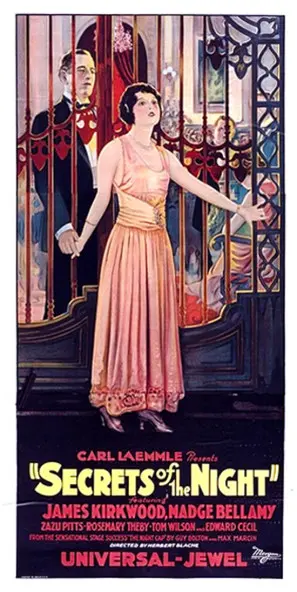
A definitive 6.1/10 rating for a film that redefined the boundaries of cult cinema. Secrets of the Night remains a cornerstone of transgressive art.
The 1924 silent feature Secrets of the Night stands as a quintessential artifact of the Jazz Age’s fascination with the intersection of high-society decadence and the macabre. Directed with a nimble touch that predates the more rigid conventions of the 'Old Dark House' subgenre, the film manages to weave a narrative that is simultaneously a biting critique of financial precariousness and a lighthearted romp through the anxieties of the urban elite. Unlike the stark moralism found in The Guilty Man, this production leans heavily into the absurdity of its premise, utilizing a fake murder as the catalyst for a profound exploration of character under pressure.
At the heart of the film is Robert Andrews, portrayed by James Kirkwood with a blend of paternalistic charm and calculating desperation. Andrews is not your typical silent film hero; he is a man of the establishment who resorts to the ultimate histrionic gesture—staging his own death—to safeguard his reputation and his ward’s future. This narrative choice elevates the film beyond a simple mystery. It becomes a commentary on the performative nature of the 1920s banking sector, where appearances were often more vital than actual solvency. The script, penned by a collaborative powerhouse including Max Marcin and Guy Bolton, reflects the theatricality of its source material, the play The Nightcap, ensuring that every room in the Andrews mansion feels like a stage waiting for its next cue.
The cinematography utilizes the shadows of the mansion to great effect, creating an atmosphere that rivals the Gothic undertones of The Phantom. However, where other films of the era might have descended into pure horror, Secrets of the Night maintains a rhythmic buoyancy. The use of lighting to isolate suspects—the nervous Hammond, the vengeful Knowles, and the enigmatic ward Anne Maynard—creates a visual shorthand for guilt that the film then proceeds to dismantle with gleeful irony.
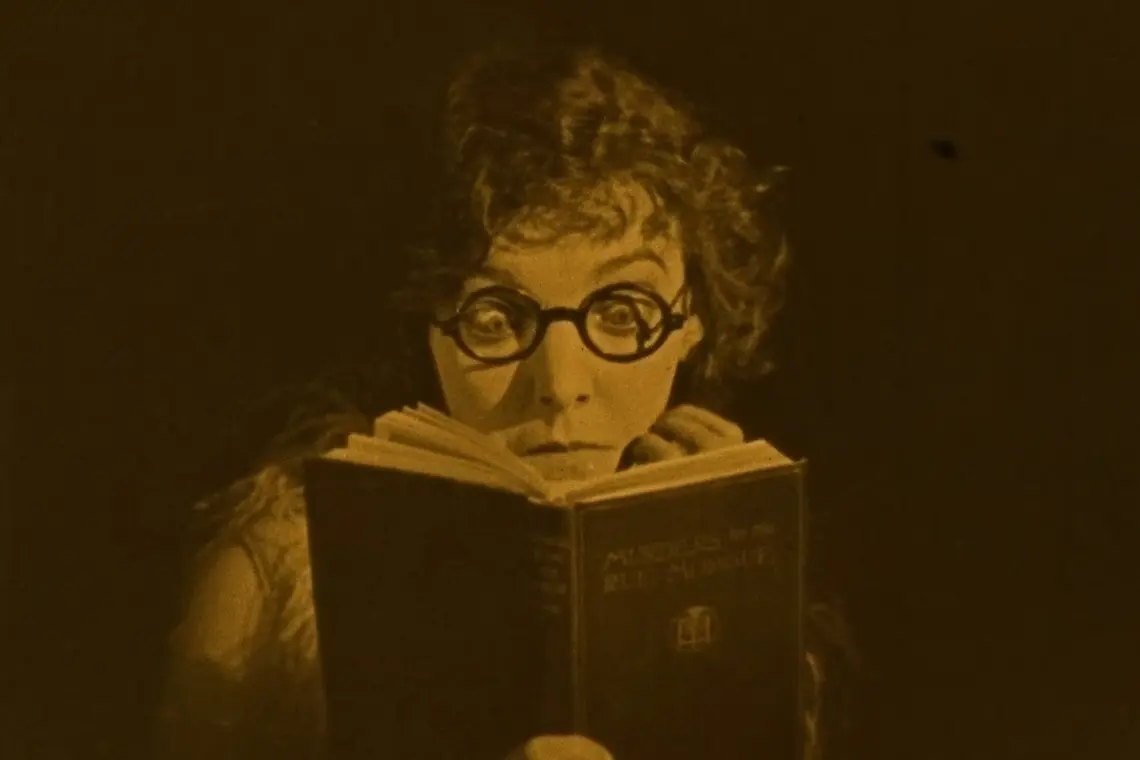
One cannot discuss this film without acknowledging the transcendent presence of Zasu Pitts. Her performance here is a masterclass in physical comedy and expressive restraint. While the plot revolves around the high-stakes machinations of men like Andrews and Austin, it is Pitts who provides the emotional and comedic anchor. Her ability to convey a sense of impending doom through a mere flutter of her hands or a wide-eyed stare into the middle distance adds a layer of surrealism to the proceedings. She represents the audience’s own bewilderment at the escalating absurdity of the situation.
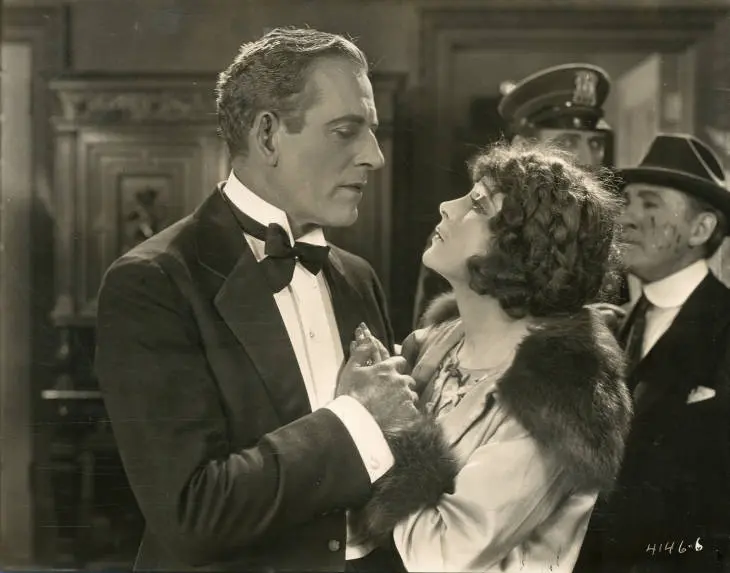
In comparison to the more grounded performances in Solid Concrete, Pitts operates on a different frequency entirely. She is the progenitor of the 'nervous' style of comedy that would later become a staple of the sound era. Her interactions with the rest of the ensemble, particularly the imposing Bull Montana and the versatile Tom Wilson, create a comedic friction that propels the second act when the mystery plot threatens to become too bogged down in financial exposition.
The subplot involving the bank examiner, Alfred Austin, serves as a fascinating time capsule. In an era before federal deposit insurance, the arrival of a bank examiner was a moment of existential dread. The film treats this not as a dry procedural, but as a high-stakes game of hide-and-seek. The directors and writers cleverly use the physical records of the bank as MacGuffins, moving them through the house with the same frantic energy found in Hot Dog or The Belle of Kenosha.
The resolution of the conflict—the repayment of the loan by Joshua Brown—is a classic deus ex machina, yet it feels earned within the film’s internal logic of chaos and coincidence. It suggests a world where providence favors those who are bold enough to stage their own murders. The final twist, where Austin abandons the world of finance for real estate, is a sharp satirical jab at the speculative bubbles of the mid-20s, showing a level of self-awareness that is often missing from contemporary silent dramas like Forget Me Not.
When placed alongside The Mysterious Stranger, Secrets of the Night exhibits a much more sophisticated grasp of pacing. While many films of 1924 struggled with the transition from short-form gags to feature-length narratives, this film utilizes its ensemble cast to ensure there is never a dull moment. The suspect list is diverse, ranging from the romantically motivated Hammond to the professionally suspicious Knowles. Each character is given a distinct visual motif, a technique that would later be perfected in films like Mystic Faces.
The film also avoids the heavy-handed sentimentality often found in D.W. Griffith’s works, such as Hearts of the World. Instead of grand moral posturing, it offers a cynical, yet ultimately warm-hearted, view of human nature. The characters are flawed, driven by greed, jealousy, and fear, yet they are never irredeemable. This nuanced approach to characterization is what keeps the film relevant a century later.
Visually, the film is a feast for those who appreciate the evolution of silent cinema. The set design of the Andrews estate is opulent, serving as a silent character that reflects both the wealth and the emptiness of its owner. The editing is particularly noteworthy; the way the film cuts between the various rooms of the house during the height of the 'murder' investigation creates a sense of simultaneous action that was quite advanced for its time, echoing the frantic energy of Congestion.
The direction by Herbert Blaché (though often uncredited or debated in various archives, the stylistic imprint is clear) focuses on the ensemble. He allows the actors to inhabit the space, using deep focus to show reactions in the background while the primary action takes place in the foreground. This depth of field adds a layer of realism to the stylized performances, making the mansion feel like a living, breathing entity. This is a far cry from the flat, stage-like presentations found in earlier works like Il film rivelatore.
Secrets of the Night is more than just a footnote in the history of Universal Pictures. It is a bridge between the early slapstick era and the sophisticated screwball comedies of the 1930s. It understands that the line between a tragedy and a comedy is often just a matter of perspective—or in this case, a matter of whether the 'corpse' decides to get up and pour himself a drink. The film’s ability to find humor in the direst of financial straits feels remarkably contemporary, reflecting a resilience that is as relevant today as it was in the shadow of the Great War.
In the broader context of silent cinema, it stands alongside Where the North Begins and Mr. Dolan of New York as a testament to the versatility of the medium. It doesn't need the epic scale of La montée vers l'Acropole to make its point. By focusing on the intimate deceptions of a single night, it captures the essence of a society teetering on the edge of a new era. For anyone interested in the roots of the mystery genre or the comedic genius of Zasu Pitts, this film is an essential viewing experience. It says good riddance to the stodgy melodramas of the past, as seen in Good Riddance, and embraces a future of narrative complexity and stylistic flair.
Reviewer's Note: The restoration of this film is crucial for future generations to appreciate the subtle interplay of light and performance that defines the peak of the silent era. Its mixture of financial intrigue and domestic comedy remains a high-water mark for the 1924 cinematic season.
IMDb —
1921
Community
Log in to comment.