DbcultAccessing Vault...
6.9/10
Senior Film Conservator
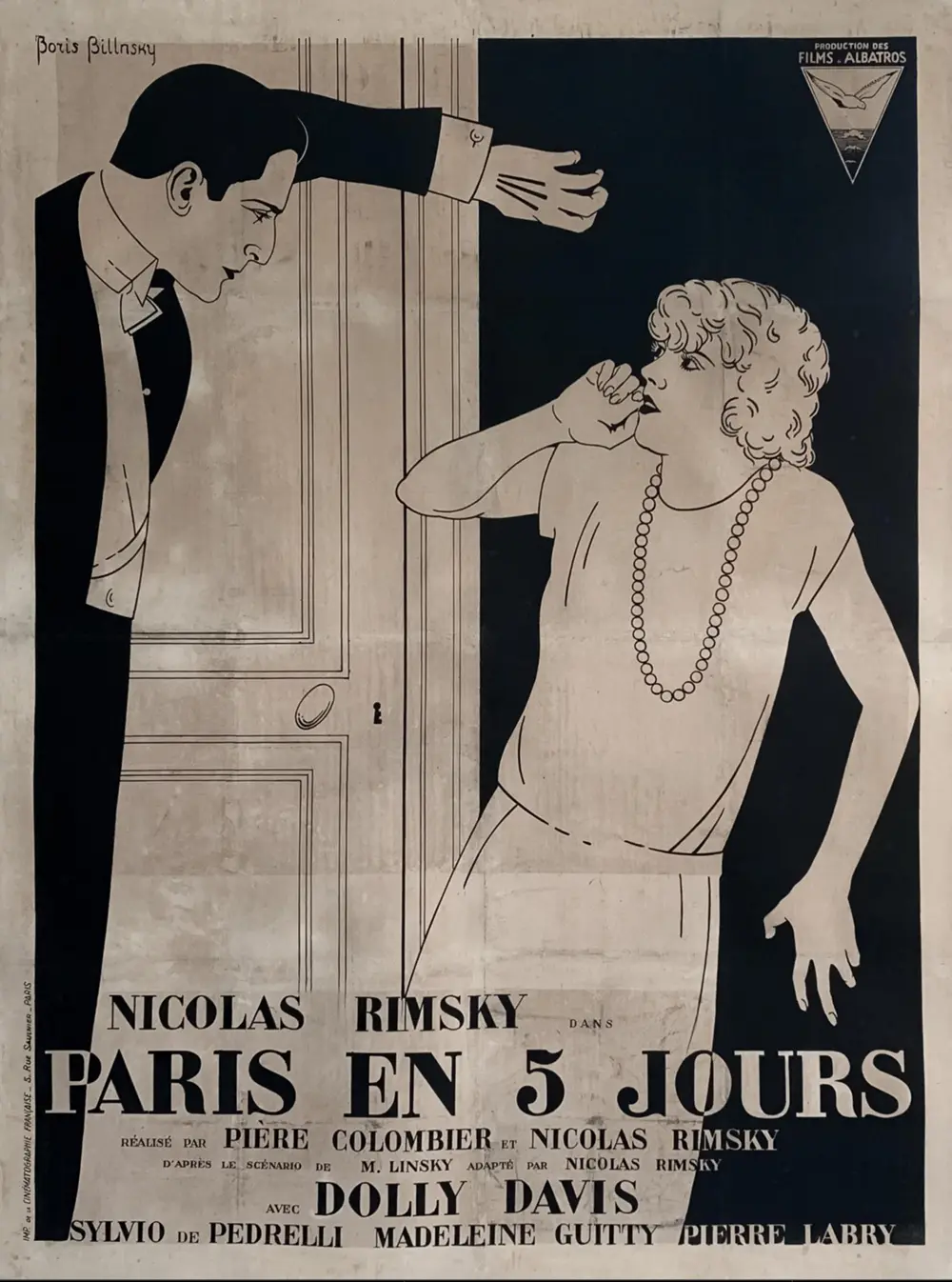
A definitive 6.9/10 rating for a film that redefined the boundaries of cult cinema. Paris en cinq jours remains a cornerstone of transgressive art.
Is 1925’s Paris en cinq jours still a viable piece of entertainment for the modern viewer? Short answer: Yes, but only if you have an appetite for the high-octane, often exhausting physical comedy that defined the French silent era.
This film is specifically for those who find joy in the 'fish-out-of-water' trope and historical architecture buffs who want to see a vanished version of the City of Light. It is definitely NOT for viewers who require a slow-burn narrative or those who find the exaggerated pantomime of silent cinema grating.
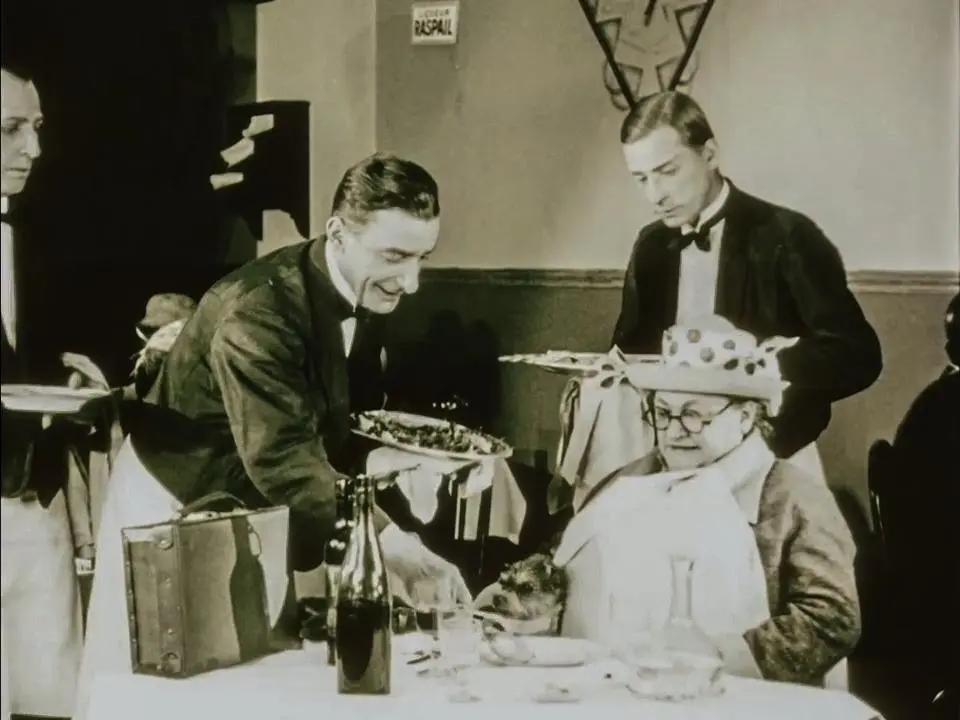
Yes. It is a fascinating artifact. While many films of this era, like The Man from Glengarry, focused on rugged landscapes and melodrama, Paris en cinq jours is obsessed with the artificiality and speed of the urban environment. It offers a rare, comedic glimpse into the Albatros film studio’s style, blending Russian émigré sensibilities with French flair.
Nicolas Rimsky does not just act; he vibrates. From the moment he steps off the train, his character is a bundle of nervous energy. There is a specific scene in a crowded café where he attempts to read a map while simultaneously trying to avoid knocking over a waiter’s tray. The choreography of his limbs is genuinely impressive. It isn't just about falling down; it's about the struggle to stay upright in a world that is moving too fast.
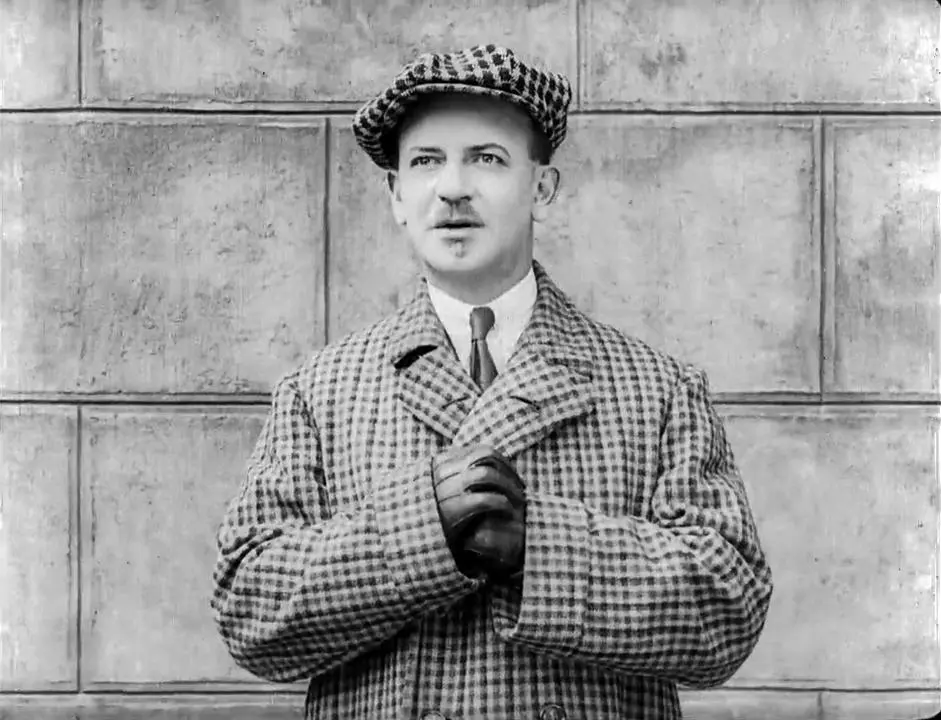
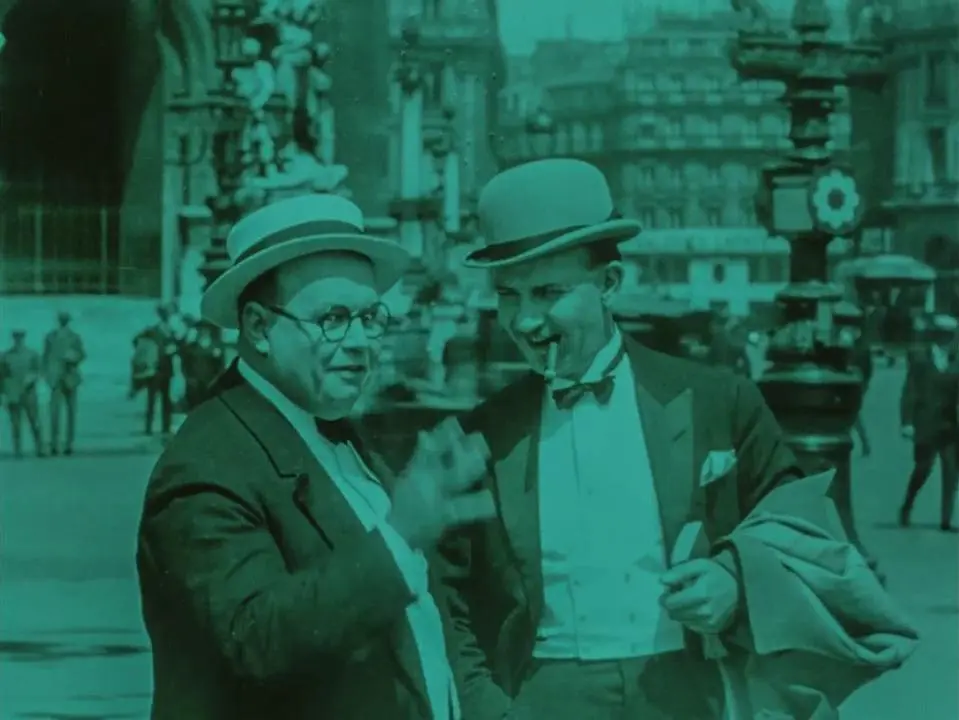
Unlike the stoic comedy of Buster Keaton, Rimsky is expressive to a fault. Every blink and twitch is calculated. In a way, he represents the anxiety of the 20th century. He is a man trying to quantify beauty and culture into a five-day schedule. It is a futile effort. The film mocks his rigidity, and Rimsky plays the 'victim' of the city with a self-deprecating charm that keeps the audience on his side.
One surprising observation: Rimsky’s character is essentially the grandfather of the modern 'over-planned' tourist. We all know someone who visits a city with a spreadsheet. Watching him lose his itinerary to a gust of wind near the Seine is a moment of pure, relatable schadenfreude. It is a simple gag. But it works. It’s flawed, yet human.

The direction by Pierre Colombier and Nicolas Rimsky himself is surprisingly modern in its use of montage. The film doesn't linger. It cuts with the precision of a guillotine. This is particularly evident during the 'Day Three' montage, where the protagonist attempts to visit three museums and two monuments before lunch. The blurring of locations suggests a mind losing its grip on reality.
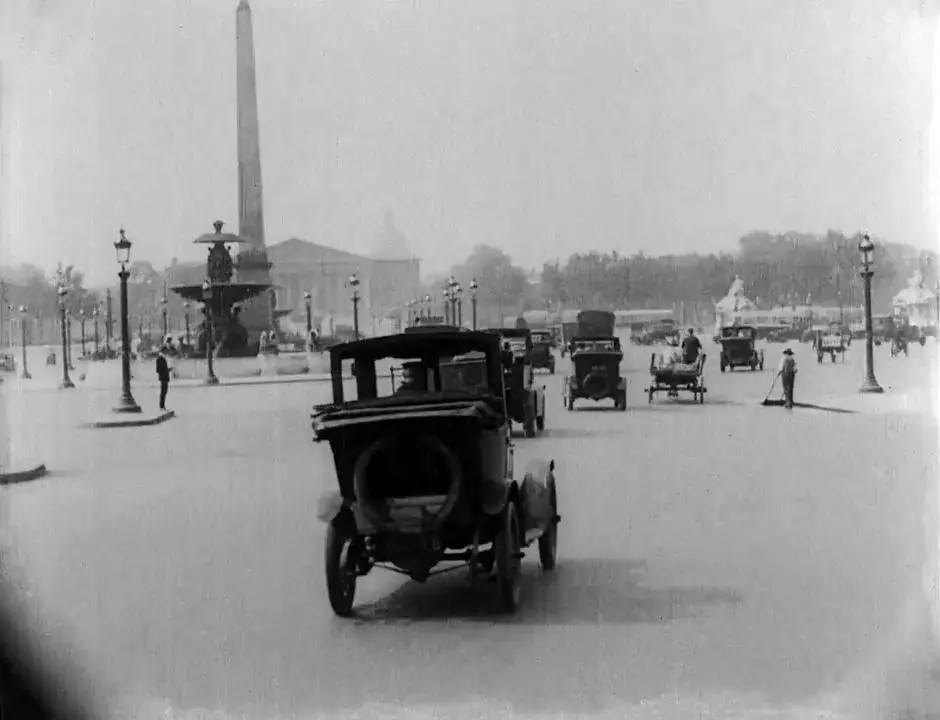
The cinematography captures the scale of Paris without falling into the trap of being a mere travelogue. The camera is often placed at waist height, making the crowds feel oppressive and the traffic feel lethal. Compare this to the more static, theatrical framing found in Confessions of a Queen, and you see a film that is truly trying to use the medium to express movement.
However, the pacing is not without its hiccups. The middle section, involving a convoluted subplot with a lost suitcase and a mistaken identity at a high-society dinner, drags. The film works best when it is in motion, not when it stops to explain a misunderstanding that the audience already figured out ten minutes prior.
Dolly Davis provides the necessary grounding for the film’s absurdity. As the local who takes pity on our frazzled hero, she represents the 'real' Paris—effortless, calm, and slightly amused by the outsiders. Her chemistry with Rimsky is the film’s secret weapon. While he is a whirlwind of motion, she is a still point. This contrast prevents the film from becoming a one-note exercise in screaming at the camera.
The rest of the cast, including Louis Monfils and Madeleine Guitty, populate the background with vivid, almost Dickensian characters. Every waiter, gendarme, and shopkeeper feels like they have a life outside of the frame. This depth of world-building is something often missing in the more focused comedies of the time, such as Lost: A Bridegroom.
When looking at other films of the era, Paris en cinq jours occupies a strange middle ground. It lacks the dark, surrealist edge of An Elephant's Nightmare, yet it is far more technically ambitious than a standard romp like Harem Scarem. It is a commercial film that isn't afraid to experiment with the visual language of the avant-garde.
There is a sequence involving a dream-logic chase through a department store that feels like a precursor to the work of Jacques Tati. The way the protagonist interacts with modern gadgets—elevators, revolving doors, telephones—highlights the era's fascination and fear of technology. It’s a theme explored more seriously in Spartak, but here it is played for laughs that still have a bit of a bite.
Pros:
The location shooting provides a stunning, unvarnished look at 1920s Paris. Nicolas Rimsky is a master of physical timing. The film’s energy is infectious and rarely flags for long.
Cons:
The 'misunderstanding' tropes are dated. Some of the secondary characters are mere caricatures. The ending feels slightly rushed, resolving a week of chaos in a matter of seconds.
"Paris en cinq jours is a frantic, beautifully shot reminder that the struggle to 'see it all' is a timeless human folly. It’s a loud, silent movie that captures the heartbeat of a decade."
While it may not reach the emotional heights of some of its contemporaries, the film is a technical triumph of the Albatros style. It manages to be both a broad comedy and a sharp critique of the emerging tourist industry. If you can forgive the occasionally redundant plot beats, you will find a film that is as vibrant and confusing as the city it depicts. It is a ride worth taking, even if you lose your hat along the way.
IMDb —
1918
Community
Log in to comment.