DbcultAccessing Vault...
5.8/10
Senior Film Conservator
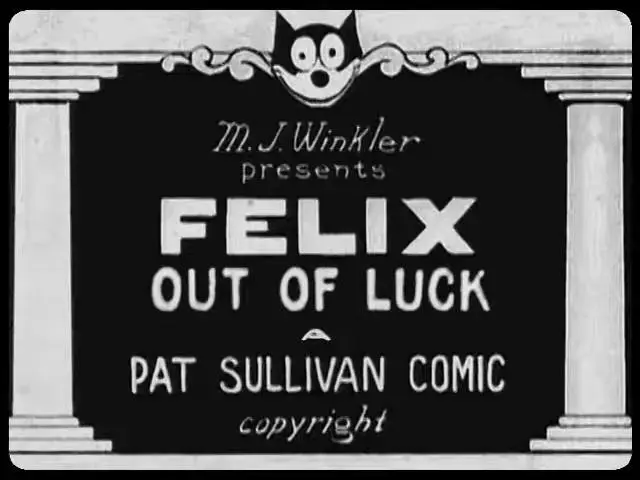
A definitive 5.8/10 rating for a film that redefined the boundaries of cult cinema. Felix Out of Luck remains a cornerstone of transgressive art.
In the rarefied realm of silent cinema, Felix Out of Luck (1924) stands as a sidesplitting exemplar of feline folly, as our erudite protagonist navigates a labyrinthine world of gastronomic temptation and disappointment. Otto Messmer's masterful pantomime imbues the titular character with an endearing, if infuriating, fastidiousness, as he consistently spurns a delectable array of comestibles - including succulent bones and a fetching mouse - in anticipation of a sublime meal at his abode.
This cinematic tour de force, expertly crafted by its anonymous writer(s), presents a scathing critique of canine complacency, one that resonates with the zeitgeist of its era. The film's central conceit - a hapless feline, convinced of his own gastronomic superiority, who ultimately finds himself bereft of sustenance - serves as a wry commentary on the human condition, replete with humor and pathos. As Felix traverses the urban landscape, his misadventures serve as a testament to the capricious nature of fate and the folly of assuming an unearned superiority.
Upon his return to his domicile, Felix is confronted with a disquieting notice from his proprietor, informing him of a seven-day absence. This bombshell precipitates a frantic search for the erstwhile proffered repasts, only to find that a thieving canine interloper has pilfered the bones, while the mouse, once a tantalizing prospect, has transformed into an intractable adversary. This concatenation of events serves as a stark reminder of the vicissitudes of feline existence, wherein even the most fastidious among them can find themselves bereft of solace.
In analyzing Felix Out of Luck, one cannot help but draw parallels with other cinematic works that explore themes of hubris and disappointment. Crime and Punishment (1923), for instance, presents a similar exploration of the human condition, wherein the protagonist's intellectual arrogance ultimately leads to his downfall. Conversely, Not Guilty (1921) offers a more optimistic vision, wherein the protagonist's travails serve as a catalyst for personal growth and redemption.
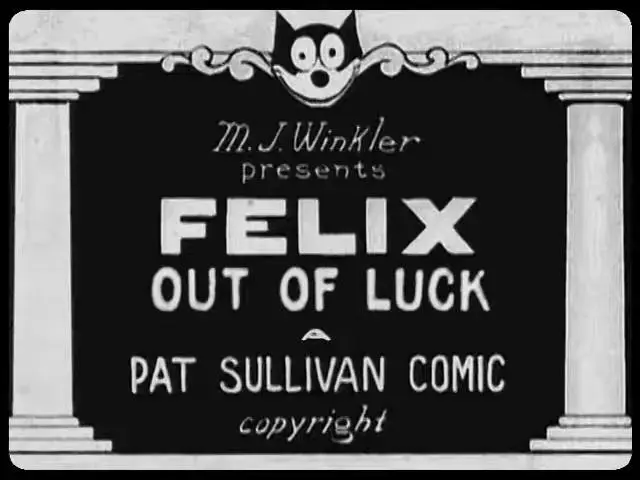
The film's use of pantomime, a hallmark of silent cinema, serves to underscore the universality of Felix's plight, transcending linguistic and cultural boundaries. This visual storytelling, expertly executed by Otto Messmer, imbues the film with a timeless quality, one that continues to resonate with audiences today. Furthermore, the film's deployment of situational comedy, often reliant on slapstick humor, serves to temper the narrative's more melancholic undertones, thereby creating a cinematic experience that is at once both humorous and poignant.
In the pantheon of silent cinema, Felix Out of Luck occupies a unique position, one that speaks to the enduring power of cinematic storytelling. This film, much like The City of Silent Men (1921), A White Wilderness (1922), and Locked Lips (1920), serves as a testament to the art form's capacity for nuance and complexity. As a work of cinematic art, Felix Out of Luck continues to enthrall audiences with its mordant wit, clever characterizations, and a narrative that, upon closer inspection, reveals itself to be a deft exploration of the human - or rather, feline - condition.
The film's influence can be discerned in a range of subsequent works, including Halta Lena och Vindögda Per (1923), A Mother's Sin (1924), and The Tale of a Wag (1923), each of which, in their own unique way, explore themes of identity, morality, and the complexities of interpersonal relationships. Moreover, the film's preoccupation with the tensions between appearance and reality serves as a precursor to later cinematic works, such as Virtuous Liars (1922) and The Heart of Cleveland (1922).
Ultimately, Felix Out of Luck stands as a landmark work of silent cinema, one that continues to captivate audiences with its mordant wit, clever characterizations, and a narrative that defies simplistic interpretation. As a film critic, it is a pleasure to revisit this oft-overlooked gem, and to extol its virtues to a modern audience. For those interested in exploring the rarefied realm of silent cinema, Felix Out of Luck is an essential viewing experience, one that promises to delight, provoke, and entertain.
The DVD/ digital release of Felix Out of Luck would be a welcome addition to any film enthusiast's collection, offering as it does a unique window into the world of silent cinema. In an era where cinematic releases are often accompanied by a surfeit of ancillary materials, it would be intriguing to see what bonus features and contextual materials could be included to enhance the viewing experience. A comprehensive critical analysis, replete with historical context and production anecdotes, would serve to further illuminate the film's significance, while an audio commentary with a film scholar or historian would provide additional insights into the movie's enduring appeal.
IMDb —
1915
Community
Log in to comment.