DbcultAccessing Vault...
Cult Review
Senior Film Conservator
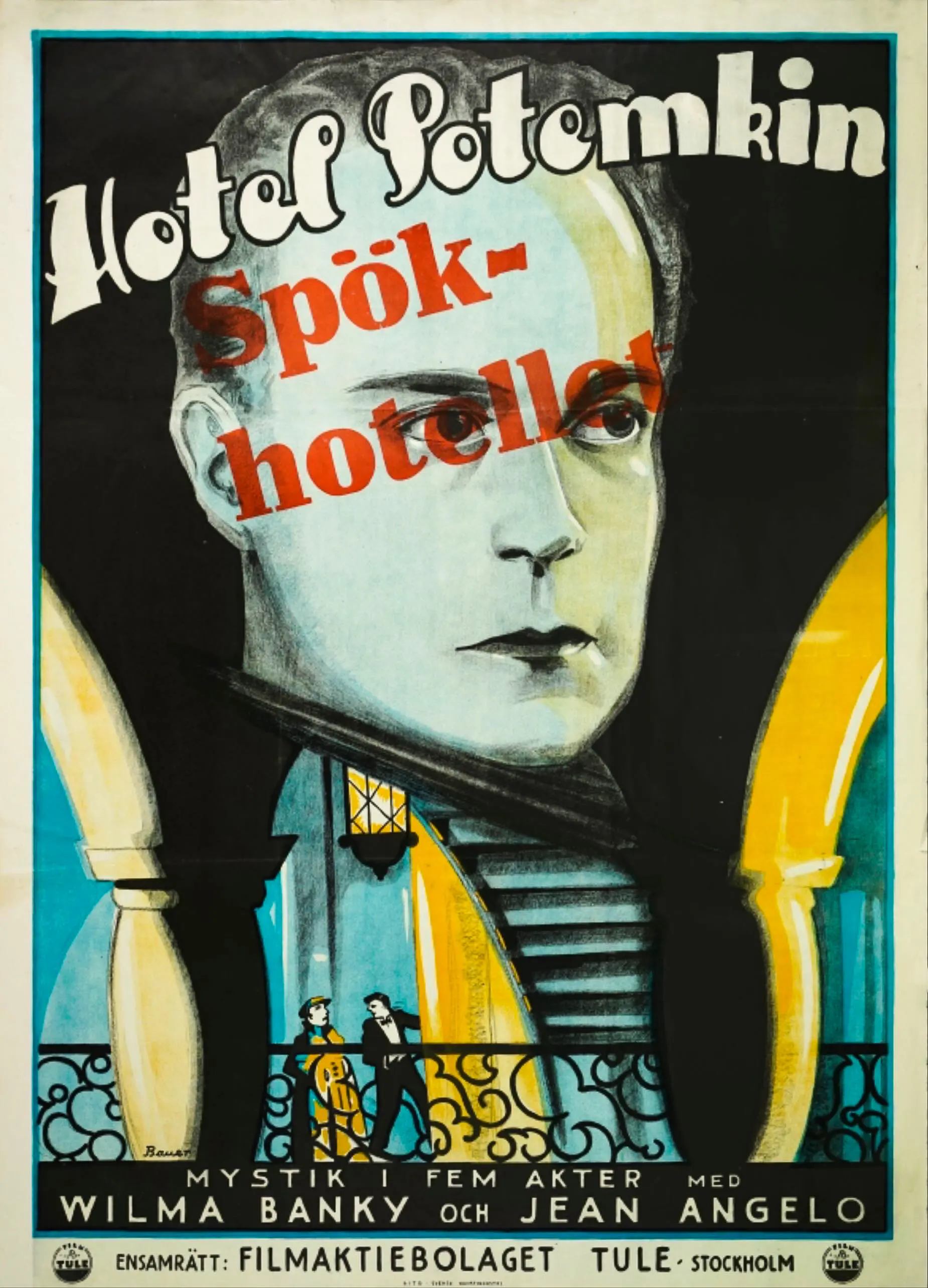
To witness Die letzte Stunde is to step into a meticulously crafted vacuum where time is the primary antagonist. This 1921 production, often overshadowed by the larger-than-life epics of its day, offers a masterclass in narrative compression. While contemporary films like Oliver Twist relied on the sprawling Dickensian breadth of childhood trauma and social upheaval, this film opts for a surgical focus on the immediate. The collaboration between Jacques Bachrach and Ernest Vajda creates a script that feels less like a series of events and more like a tightening noose. Vajda, who would later become a cornerstone of the 'Lubitsch Touch' in Hollywood, demonstrates an early mastery of subtext here, allowing the visual medium to carry the weight that dialogue simply could not.
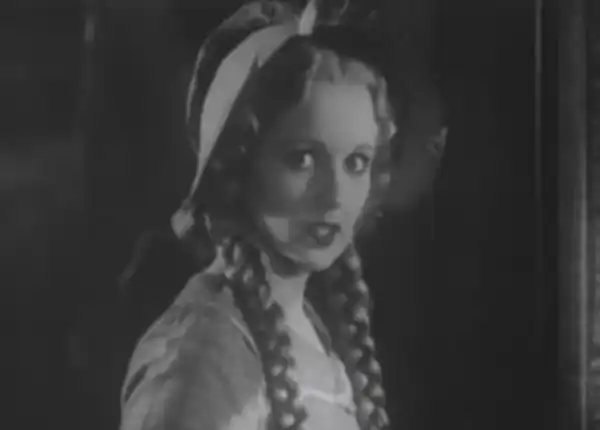
Before she became the 'Hungarian Rhapsody' of Hollywood, Vilma Bánky possessed a raw, unvarnished magnetism that is on full display in this piece. Her portrayal is not merely one of a damsel in distress; she brings a quiet, simmering intelligence to the screen that anchors the more heightened performances of her male counterparts. In many ways, her performance here serves as a bridge to the more nuanced acting styles we see in later silent dramas like The Girl I Loved. Bánky’s ability to communicate complex internal contradictions—fear, loyalty, and a burgeoning sense of agency—elevates the film from a standard thriller into a poignant human document. Her chemistry with Jean Angelo is palpable, transcending the often-stilted romantic tropes of the early 1920s.
The ensemble cast reads like a who’s who of Central European talent from the period. Albert Paulig and Eugen Burg provide the necessary gravitas to ground the film’s high-stakes premise. Paulig, in particular, navigates the character's descent with a controlled desperation that avoids the pitfalls of overacting. There is a specific scene involving Carl Goetz where the interplay of light and shadow—a precursor to the full-blown Expressionism that would soon dominate the continent—creates a sense of claustrophobia that is almost physical. This isn't the whimsical caricature found in The Fotygraft Gallery; this is a world where every furrowed brow and clenched jaw carries the weight of a death sentence.
The cinematography in Die letzte Stunde is remarkably forward-thinking. The camera doesn't just observe; it interrogates. We see early experiments with depth of field that remind one of the atmospheric density in Chains of the Past. The use of the clock as a recurring motif is handled with enough variety that it never feels redundant. It becomes a character in its own right, its hands moving with an indifferent, mechanical cruelty. The sets, designed with a sharp eye for bourgeois opulence, serve to highlight the protagonist's isolation. The contrast between the lavish interiors and the internal decay of the characters creates a friction that drives the film forward at a relentless pace.
Ernest Vajda’s contribution cannot be overstated. His ability to structure a story around a single, high-pressure interval is what separates this film from the more meandering narratives of the early twenties, such as From Gutter to Footlights. While the latter relies on a broad episodic structure, Die letzte Stunde is a study in economy. Every scene is a building block toward the inevitable climax. There is no fat on this narrative; it is lean, mean, and utterly focused. This precision allows for moments of unexpected silence—even in a silent film—where the absence of action speaks volumes about the characters' psychological states.
When placed alongside contemporaries like Brigadier Gerard, the sophistication of Die letzte Stunde becomes even more apparent. While other films were still grappling with the transition from stage to screen, this production feels inherently cinematic. It understands that the power of the medium lies in the close-up and the edit. It shares a thematic kinship with Idolators in its critique of social devotion and the masks people wear, but it executes this critique with a far more delicate touch. Even when compared to the supernatural leanings of The Ouija Board, the tension in Die letzte Stunde feels more visceral because it is rooted in the very real, very human fear of running out of time.
The presence of Eugen Jensen and Eugen Neufeld adds layers of complexity to the social milieu depicted. These are not merely background players; they represent the societal forces that exert pressure on our lead. Their interactions are characterized by a formal rigidity that underscores the film's themes of entrapment. Similarly, Julius Strobl and Lilith Adams provide brief but essential moments of humanity that contrast with the cold mechanics of the plot. This ensemble approach ensures that the world of the film feels lived-in and authentic, much like the detailed character work in The Good Provider.
Though we view this film in silence, the visual cues are so strong that one can almost hear the ticking of the clock, the rustle of silk—perhaps a nod to the tactile nature of Silk Stockings—and the muffled gasps of the onlookers. The director utilizes the frame to suggest sound, creating a sensory experience that transcends the limitations of the era's technology. This is a film that demands the viewer's full attention, rewarding them with a rich, multi-layered experience that feels as fresh today as it did a century ago. It lacks the pastoral sentimentality of Rose o' Paradise, opting instead for a gritty, urban realism that would later define the noir genre.
In the broader scope of European cinema, Die letzte Stunde stands as a testament to the creative fertility of the post-war period. It shares the cynical edge found in Kærlighedsspekulanten while maintaining a distinct emotional core. It doesn't shy away from the darker aspects of the human condition, much like the tragic inevitability of Tess of the D'Urbervilles. Yet, there is a glimmer of hope, or at least a sense of resolution, that provides a satisfying end to the frantic journey. It is a film about the choices we make when we think no one is watching, and the price we pay when the clock finally strikes twelve.
The restoration and re-evaluation of films like Die letzte Stunde are crucial for our understanding of cinematic evolution. It is not merely a historical curiosity; it is a vibrant, breathing piece of art. It captures a moment in time when the grammar of film was being written in real-time. Whether compared to the nocturnal wanderings of Passing Night or the moral rectitude of The Clean-Up, this film holds its own as a unique and powerful statement. It is a reminder that even in our most desperate hours, there is a story worth telling, and in the hands of masters like Vajda and Bánky, that story becomes immortal. The shadows here are long, the stakes are high, and the experience is unforgettable. This is silent cinema at its most potent—undiluted, uncompromising, and utterly essential for any serious cinephile.
IMDb 6.5
1933
Community
Log in to comment.