DbcultAccessing Vault...
6.5/10
Senior Film Conservator
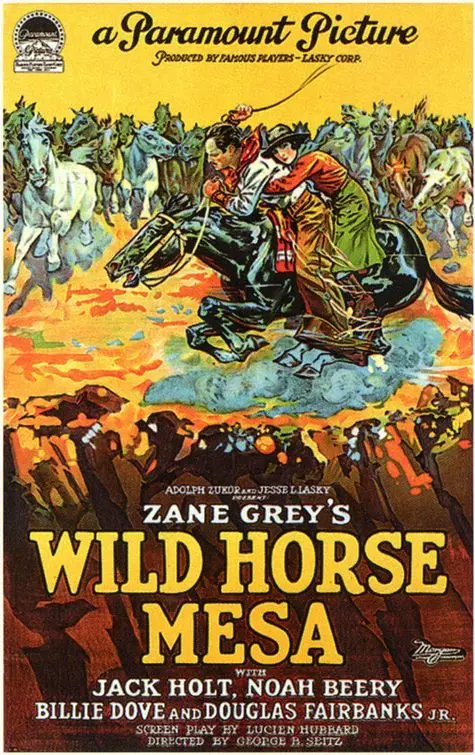
A definitive 6.5/10 rating for a film that redefined the boundaries of cult cinema. Wild Horse Mesa remains a cornerstone of transgressive art.
In the rugged and unforgiving landscape of the American West, a rancher, beset on all sides by financial hardship, makes a fateful decision that sets in motion a chain of events that will irrevocably alter the trajectory of his life and the lives of those around him. The rancher, driven by a desperate need for pecuniary sustenance, resolves to ensnare and commodify the majestic wild horses that roam the vast expanse of his domain, utilizing the ingenious yet brutal contraption of barbed wire.
This calamitous decision precipitates a fervent and impassioned response from the local Navajo tribe, who endeavor to dissuade the rancher from pursuing this deleterious course of action. The tribe, cognizant of the profound impact that the rancher's actions will have on the delicate ecosystem of the region, as well as the cultural and spiritual significance of the wild horses to their own way of life, seek to persuade him to reconsider his decision and find alternative means of economic sustenance.
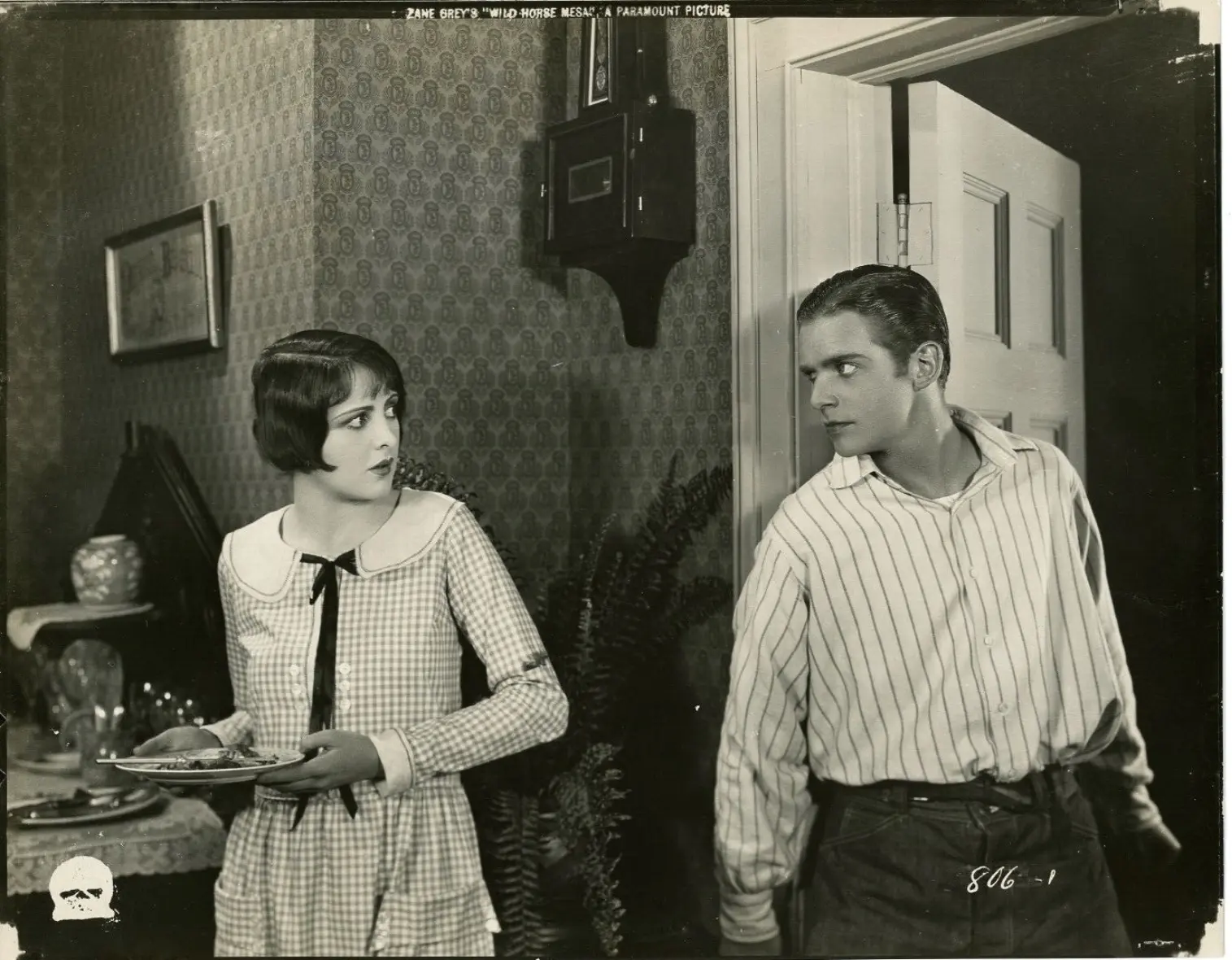
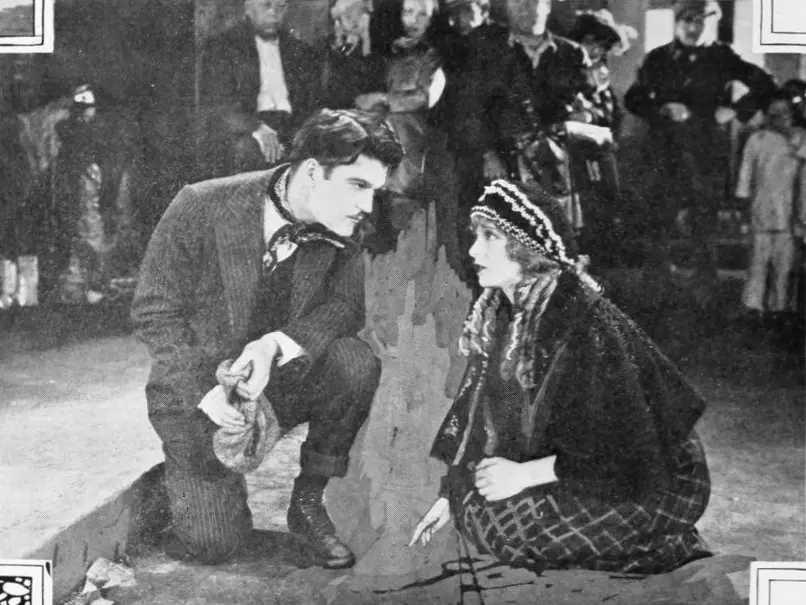
Through the lens of this cinematic masterpiece, Wild Horse Mesa (1932), directed by Harry S. Webb and starring Gary Cooper, Noah Beery, and Edith Yorke, we are afforded a profound and deeply resonant exploration of humanity's relationship with the natural world, cultural sensitivity, and the imperatives of economic survival. As the narrative unfolds, we are treated to a richly textured and deeply nuanced portrayal of the complex and often fraught relationships that exist between humans, animals, and the environment.
The film's use of barbed wire as a symbol of human ingenuity and exploitation is a powerful metaphor for the often-destructive relationship that exists between humans and the natural world. The rancher's decision to utilize this technology to ensnare the wild horses serves as a stark reminder of the often-devastating consequences of human actions on the environment, and the need for a more harmonious and sustainable approach to our relationship with the natural world.
The Navajo tribe's efforts to dissuade the rancher from pursuing his course of action serve as a powerful testament to the importance of cultural sensitivity and understanding in our interactions with the natural world. Through their impassioned pleas and actions, the tribe seeks to educate the rancher on the cultural and spiritual significance of the wild horses, and to encourage him to adopt a more nuanced and respectful approach to his relationship with the land and its inhabitants.
The performances of the cast, including Gary Cooper, Noah Beery, and Edith Yorke, are exemplary, bringing depth and nuance to their respective characters. The cinematography is equally impressive, capturing the rugged beauty of the American West in a way that is both visually stunning and deeply evocative.
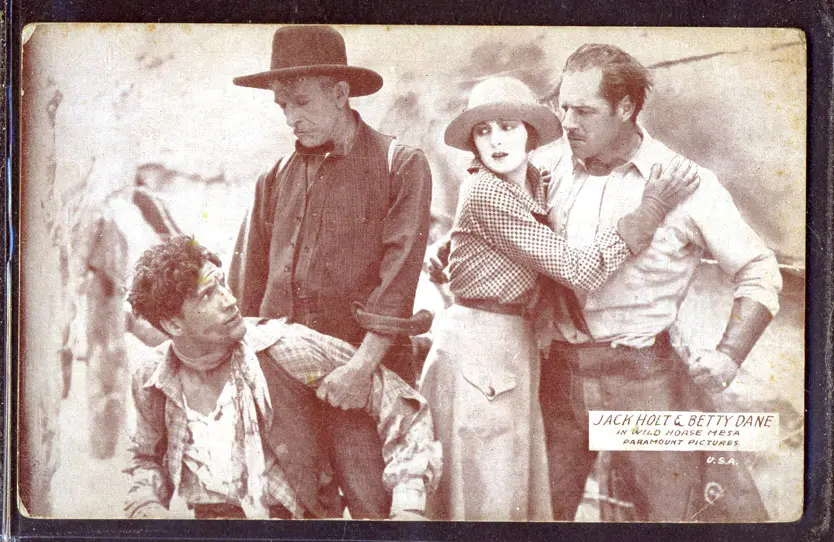
In terms of thematic resonance, Wild Horse Mesa bears some similarities to other films of its era, such as The Greek Interpreter and The Triumph of Love, in its exploration of complex human relationships and the often-fraught interactions that exist between humans and the natural world. However, the film's unique blend of environmentalism, cultural sensitivity, and economic survival sets it apart as a truly singular cinematic achievement.
Upon closer examination, it becomes clear that the film's exploration of humanity's relationship with the natural world is deeply rooted in the historical context of the American West during the early 20th century. The rise of industrialization and the expansion of agricultural land had led to a significant decline in the population of wild horses, which in turn had a profound impact on the ecosystem of the region.
The film's portrayal of the Navajo tribe's connection to the land and their spiritual relationship with the wild horses serves as a powerful reminder of the importance of preserving cultural heritage and traditional ways of life. The tribe's efforts to protect the wild horses and the land they inhabit serve as a testament to the enduring power of indigenous cultures and their connection to the natural world.
The cinematography of Wild Horse Mesa is noteworthy for its use of sweeping vistas and majestic landscapes, which serve to underscore the vastness and beauty of the American West. The camerawork is equally impressive, capturing the intensity and emotion of the characters as they navigate the complex and often fraught relationships that exist between humans, animals, and the environment.
In conclusion, Wild Horse Mesa is a masterpiece of American cinema that offers a profound and deeply resonant exploration of humanity's relationship with the natural world, cultural sensitivity, and the imperatives of economic survival. Through its richly textured and deeply nuanced portrayal of the complex relationships that exist between humans, animals, and the environment, the film provides a powerful testament to the enduring power of the American West and the importance of preserving our cultural heritage and traditional ways of life.
IMDb 6.8
1926
Community
Log in to comment.