DbcultAccessing Vault...
Cult Review
Senior Film Conservator
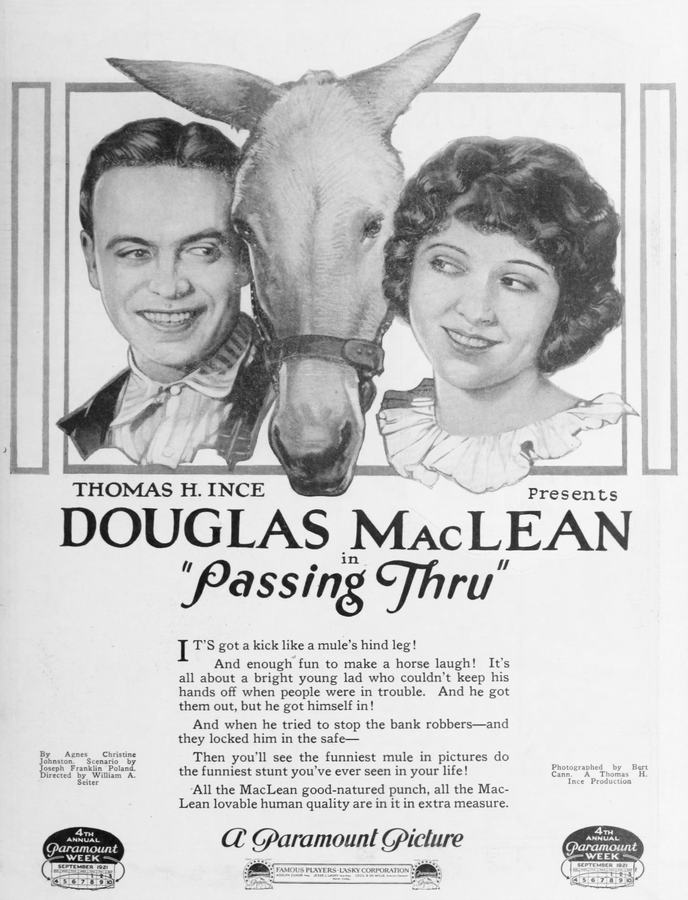
In the annals of silent cinema, few films balance farcical absurdity with profound thematic depth as deftly as *Passing Through*. This 1927 production, helmed by Joseph F. Poland and penned by Agnes Christine Johnston, unfolds like a theatrical farce steeped in moral quandaries. At its core is Billy Barton (Otto Hoffman), a bank teller whose life spirals into a Kafkaesque nightmare after he shoulders the blame for a cash shortage orchestrated by Fred Kingston (Fred Gamble). His subsequent imprisonment, thwarted by a catastrophic train wreck, propels him into the whimsical world of Culterton—a town where fate, irony, and a certain mule conspire to redefine his destiny.
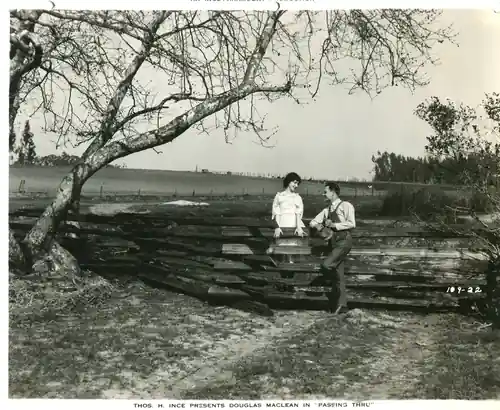
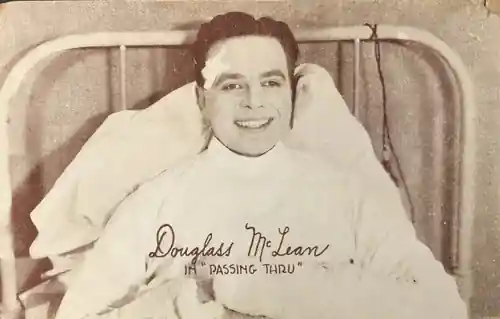
The film’s first act establishes Billy as a classic everyman, a figure emblematic of the silent film hero’s vulnerability. Hoffman’s performance, understated yet charged with pathos, captures the quiet desperation of a man wrongfully condemned. His prison escape, facilitated by the train derailment, is a masterstroke of narrative convenience, a device that Poland employs with the audacity of a stage magician. This abrupt transition from institutional punishment to pastoral freedom sets the tone for a story where coincidences are not just narrative tools but thematic cornerstones.
Culterton, the fictional town where Billy’s new life begins, is rendered with a whimsical charm that recalls the bucolic settings of *In the Land of the Head Hunters*, yet stripped of its exoticism. Here, Billy’s charisma—exemplified by his mouth organ performances—wins over the townsfolk, a contrast to the cold bureaucracy of the bank he once served. His relationship with Mary Spivins (Margaret Livingston), the bank president’s daughter, is a study in emotional duality: a romance that blossoms amid the shadows of her father’s vindictiveness. The chemistry between Hoffman and Livingston is electric, their silent exchanges laden with unspoken tension and hope.
The mule, an animal that transcends its role as mere livestock, emerges as the film’s most enigmatic character. Its initial appearance, when Billy accepts it as wages from Silas Harkins (Cameron C. Coffey), foreshadows a series of events where the creature becomes both a catalyst for chaos and a symbol of absurd justice. The mule’s kick, which incapacitates Spivins, is a turning point that underscores the film’s satirical edge—a critique of how easily human intentions are subverted by forces beyond control. This device, reminiscent of the cyclical fate in *The Cycle of Fate*, elevates the narrative from a simple heist story to a meditation on the futility of human hubris.
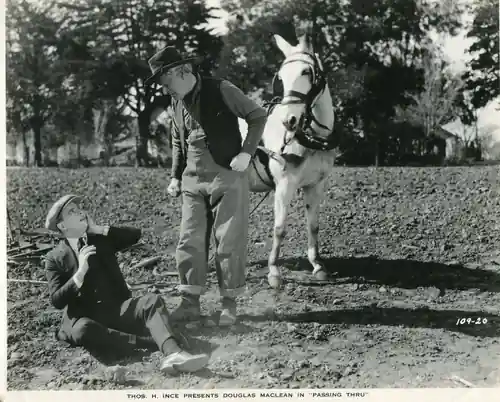
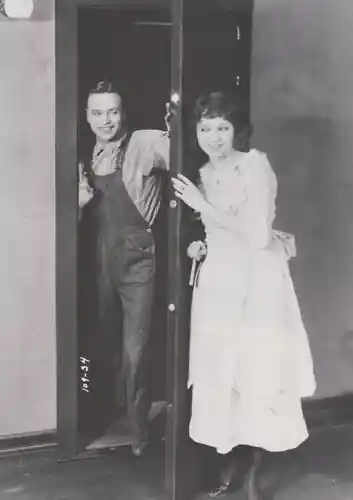
The bank heist sequence, executed with the precision of a well-rehearsed play, is the film’s technical and emotional zenith. The confined space of the vault, the frantic movements of Fred and the clerk, and Billy’s futile attempts to escape create a claustrophobic tension that is both gripping and darkly comedic. The mule’s wall-kicking rescue—a moment of pure cinematic poetry—serves as a metaphor for the irrational yet necessary interventions that disrupt rigid systems of power. This sequence, while visually striking, also highlights the film’s thematic preoccupation with the interplay between order and anarchy.
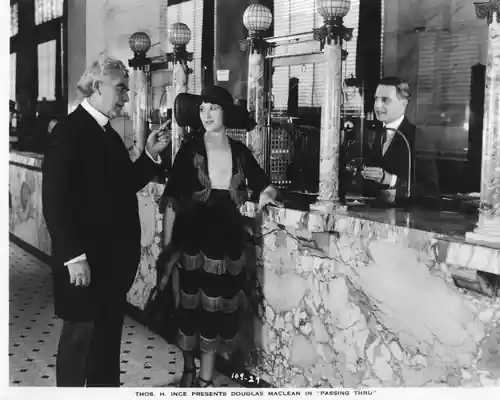
The film’s denouement, wherein the bank is dynamited and all ends in harmony, is a masterclass in narrative contrivance. Yet, rather than feeling forced, this resolution resonates as a celebration of the chaos that precedes it. The characters’ arcs—Billy’s redemption, Mary’s moral awakening, and even Spivins’ grudging acceptance of his own folly—are tied together in a manner that feels both satisfying and thematically resonant. This is not the tidy resolution of *The Marriage Market*, but a more nuanced acknowledgment of life’s inherent contradictions.
Technically, *Passing Through* is a triumph. The cinematography, with its stark contrasts between shadow and light, evokes the emotional tenor of each scene. The use of close-ups to capture the actors’ expressions—particularly in moments of revelation or despair—adds a layer of intimacy that transcends the silent medium. The score, though not mentioned in the plot, is inferred through the mouth organ’s recurring motifs, which mirror the film’s oscillation between melancholy and mirth.
Performances across the board are commendable. Hoffman’s Billy is a blend of ingenuity and vulnerability, his physicality conveying more than words ever could. Madge Bellamy, as Willie Spivins, delivers a performance that balances maternal authority with moral ambiguity, a role that echoes the complex characters in *The Beautiful Liar*. The supporting cast, including Bert Hadley as Fred Kingston, adds texture to the film’s moral landscape, their interactions with Billy underscoring the film’s central thesis: that truth is often a matter of perspective.
Thematically, *Passing Through* is a tapestry of paradoxes. It critiques the banking establishment’s rigidity while romanticizing the small-town idyll. It uses slapstick to address serious social issues, such as scapegoating and class conflict. The mule, a symbol of both destruction and salvation, encapsulates these contradictions, its actions serving as a reminder of nature’s indifference to human narratives. This interplay of themes is what elevates the film from a mere melodrama to a work of enduring relevance.
In conclusion, *Passing Through* is a testament to the silent film era’s capacity for storytelling that is both entertaining and intellectually provocative. Its blend of farce and philosophy, coupled with stellar performances and innovative direction, ensures its place as a hidden gem in film history. For modern audiences, it offers a window into a time when cinema was as much about emotional resonance as visual spectacle, a time when a mule could be the unsung hero of a bank heist.
IMDb 4.4
1935
Community
Log in to comment.