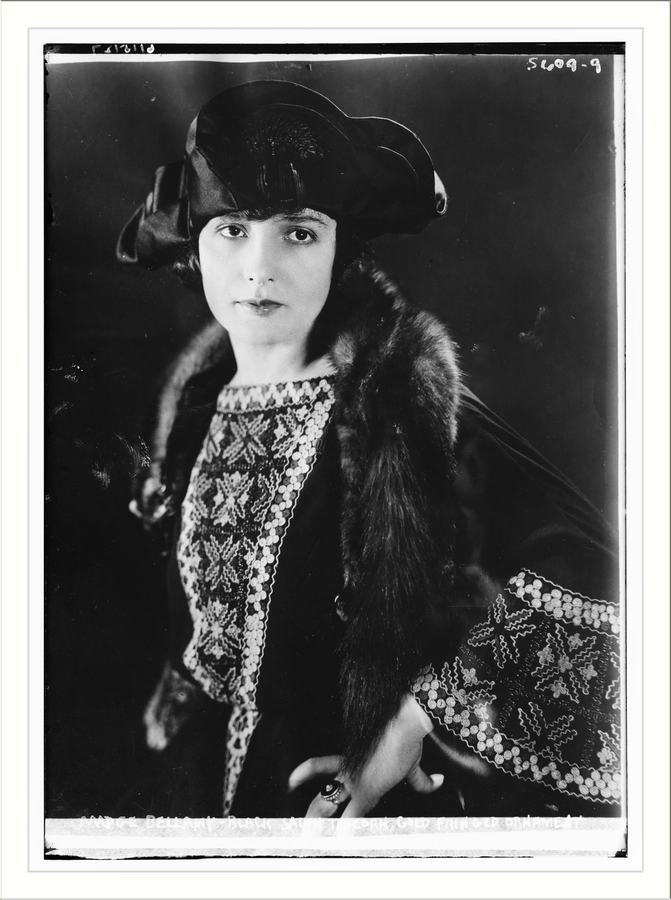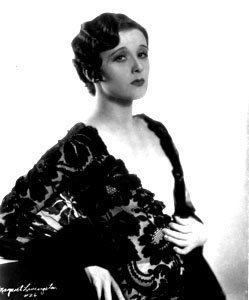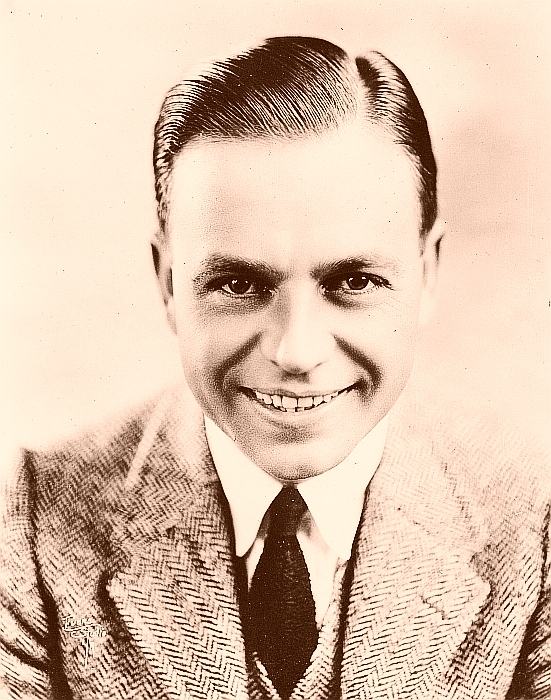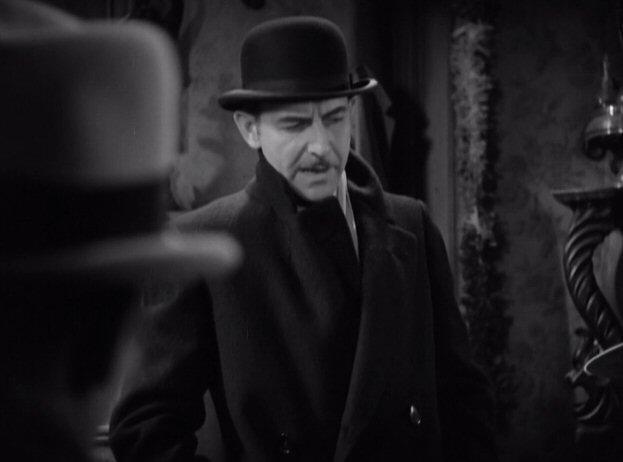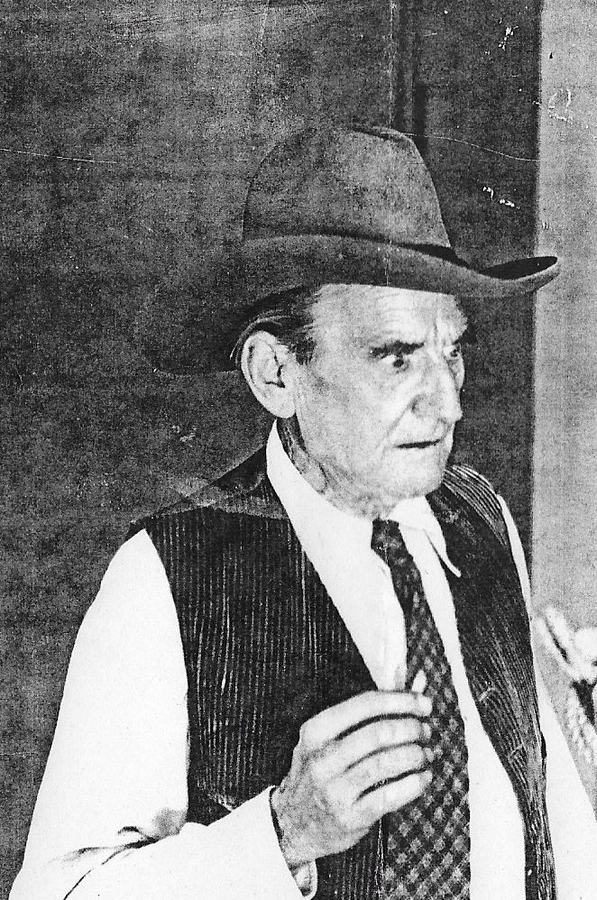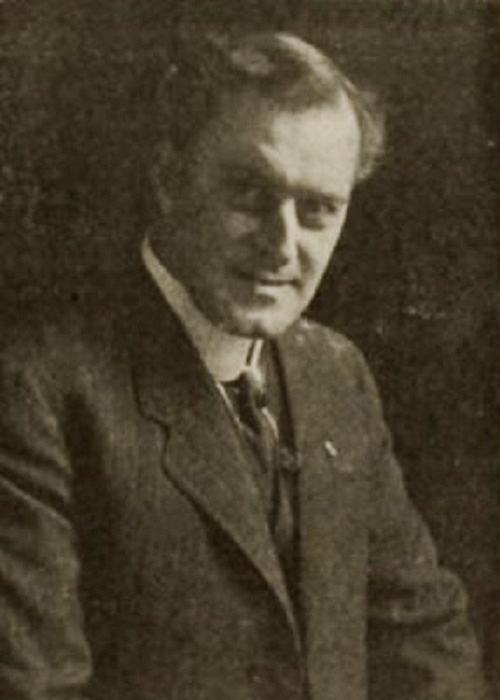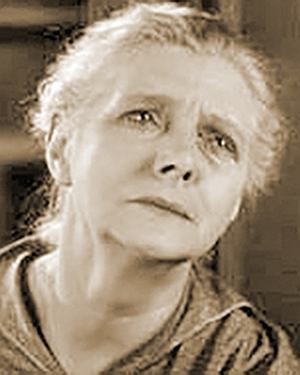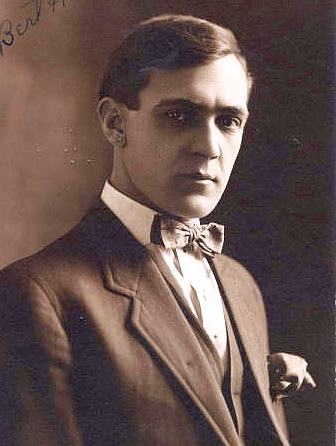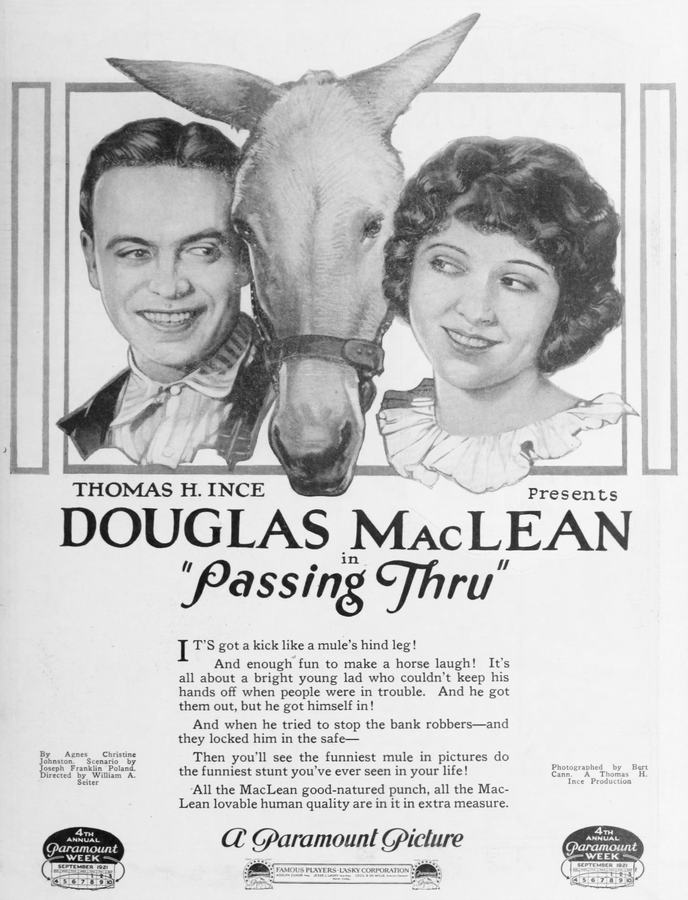
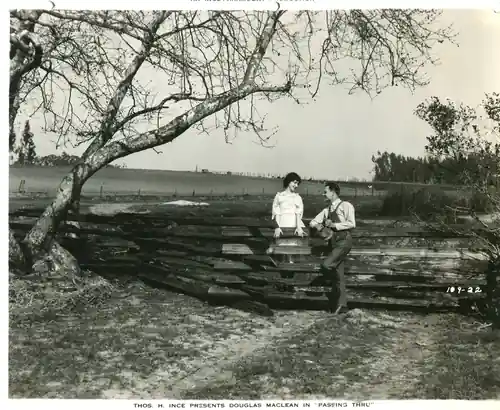
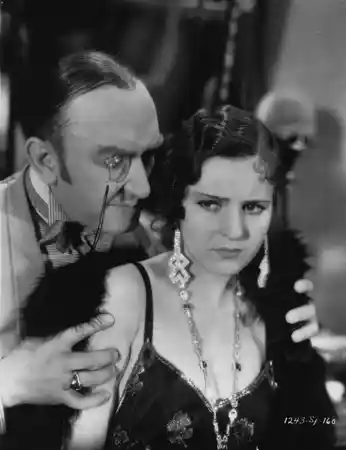
Billy Barton a bank teller, shoulders the blame for a cash shortage for which Fred Kingston, a fellow employee, is responsible and is sentenced to prison. On his way there, the train is wrecked and he escapes.
In the annals of silent cinema, few films balance farcical absurdity with profound thematic depth as deftly as *Passing Through*. This 1927 production, helmed by Joseph F. Poland and penned by Agnes Christine Johnston, unfolds like a theatrical farce steeped in moral quandaries. At its core is Billy Barton (Otto Hof...
still_frame
publicity
still_frame
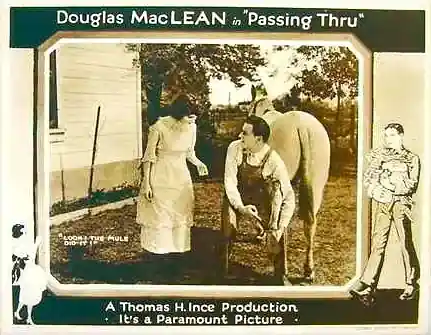
production_art
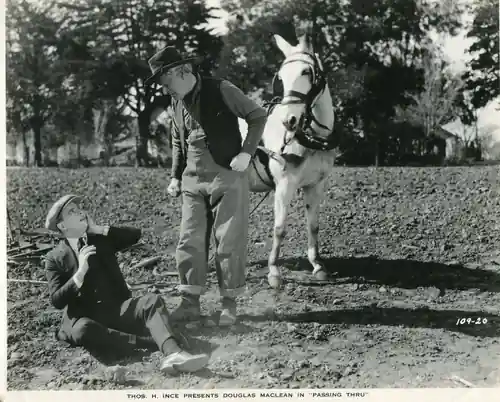
still_frame
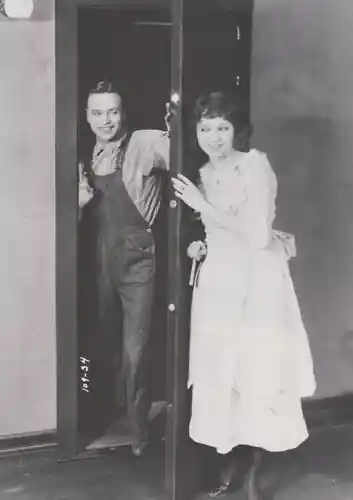
still_frame
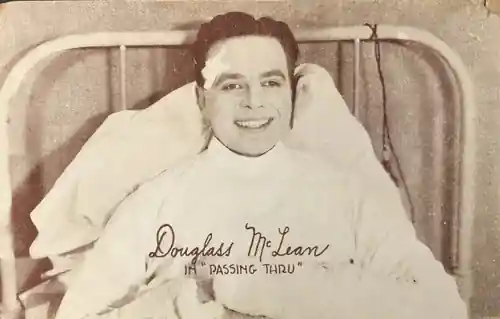
still_frame

production_art
Comparing the cinematic DNA and archive impact of two defining moments in cult history.
William A. Seiter
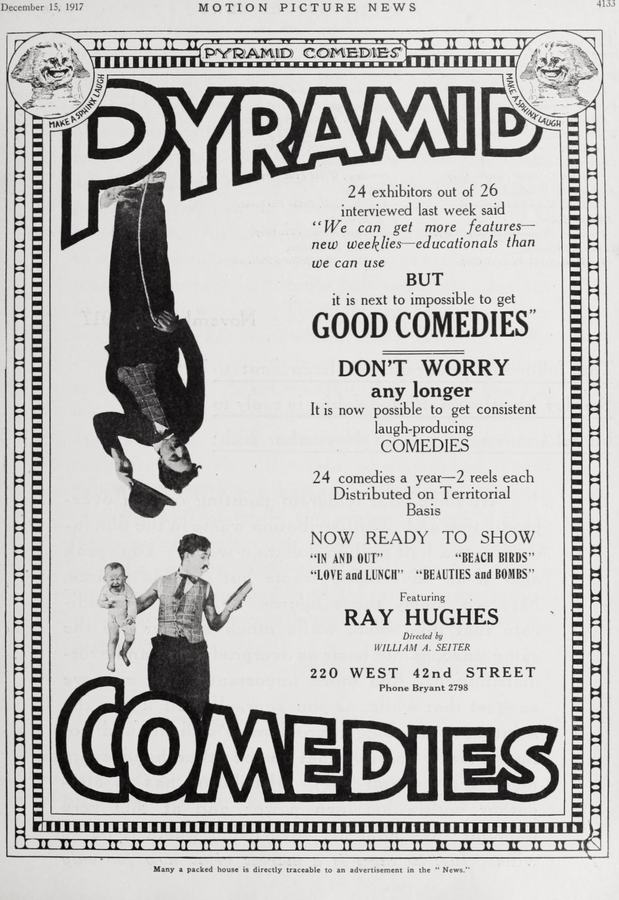
William A. Seiter
Community
Log in to comment.
" In the annals of silent cinema, few films balance farcical absurdity with profound thematic depth as deftly as *Passing Through*. This 1927 production, helmed by Joseph F. Poland and penned by Agnes Christine Johnston, unfolds like a theatrical farce steeped in moral quandaries. At its core is Billy Barton (Otto Hoffman), a bank teller whose life spirals into a Kafkaesque nightmare after he shoulders the blame for a cash shortage orchestrated by Fred Kingston (Fred Gamble). His subsequent imp..."
Louis Natheaux
Joseph F. Poland, Agnes Christine Johnston
United States
Deep dive into the cult classic
Discover similar cinematic experiences
A Directorial Spotlight on William A. Seiter