DbcultAccessing Vault...
Cult Review
Senior Film Conservator
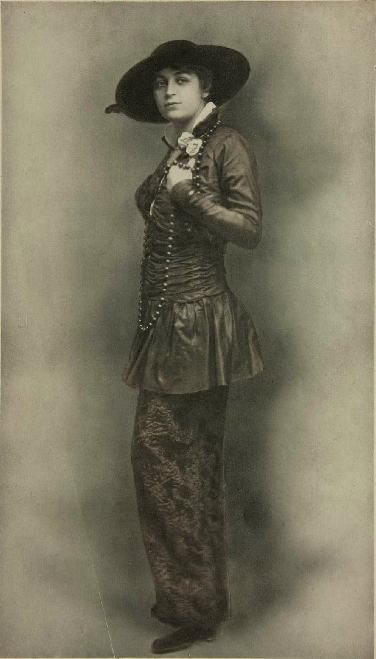
Picture nitrate stock hissing through a hand-cranked projector: Karenne’s silhouette splashes across the screen like spilled cognac on parchment. The film itself—long thought vanished until an incomplete 35 mm negative surfaced in a Lucca attic—survives only 47 minutes, yet every frame vibrates with the pagan throb that pre-code Europe feared and craved. The opening iris-in reveals not a title card but a live ember held by an unseen hand; the ember becomes the iris, and we realize we are staring straight into the pupil of passion.
II. A Grammar of Bodies
Director Carlo Campogalliani (years before his muscle-bound Maciste serials) choreographs bodies like a chessboard of libido. Notice how Karenne’s right hip always tilts toward the lens whenever Cimara’s left shoulder retreats—a diagonal of magnetized antagonism. The camera, starved of sync sound, listens instead with shadows: chiaroscuro bars slice Karenne’s face into jail-cell triangles, foreshadowing the social prison that will soon swap literal iron for velvet obligation.
Compare this kinetic geometry to La dame aux camélias where Nazimova drifts through static tableaux like a dying orchid; Passione tsigana bruises the screen with motion.
III. The Sound of Silence
Archivists at Il Cinema Ritrovato commissioned a new score: violin, cimbalom, breathing accordion, and—cheekily—field recordings of modern Roman traffic slowed to 16 rpm so the vroom becomes a ghostly drum. During the carnival sequence, when Karenne dances the saltarello on a tabletop, the musicians scrape their bows across the bridge instead of the strings; the resulting shriek syncs perfectly with her hair whipping across the lens, a synesthetic dare that makes you smell rosin and sweat.
IV. Erotic Mise-en-abyme
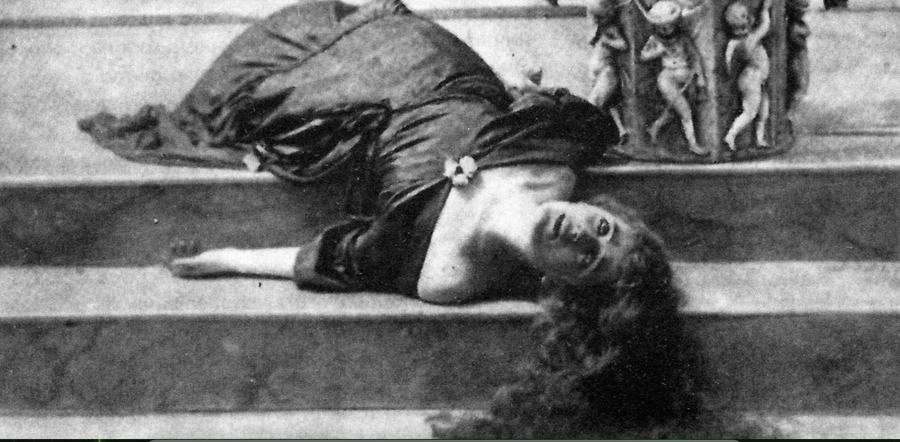
Mid-film, Adriano gifts Zingara a pocket-watch whose lid bears a miniature of his fiancée. Karenne flips it open, studies the cameo, then presses the tiny portrait against her naked collarbone until condensation from her skin clouds the glass. In the reflection we glimpse not the fiancée but Karenne’s own lips—an act of substitution performed inside a 2-centimeter canvas within a 35-millimeter frame. The moment lasts four seconds yet detonates an infinity mirror of identity: lover, rival, self, specter.
V. Color That Was Never There
Although shot on orthochromatic stock, the restoration injects hand-tinted amber to the violin varnish whenever it is kissed or caressed, while Adriano’s signet ring pulses cobalt. The clash between warm wood and cold jewel externalizes their class collision without a single intertitle. You half expect the celluloid to buckle under the thermodynamic tension.
Meanwhile, the film’s contemporaries played safer: Den hvide rytterske wrapped its heroine in moralizing moonlight; The Spitfire flirted with flapper rebellion then retreated to matrimony. Passione tsigana refuses catharsis; it ends on a freeze-frame of Karenne’s back disappearing into a dust storm—no iris-out, no “The End,” just the freeze, as if the projector itself were too heartbroken to continue.
VI. Performance as Arson
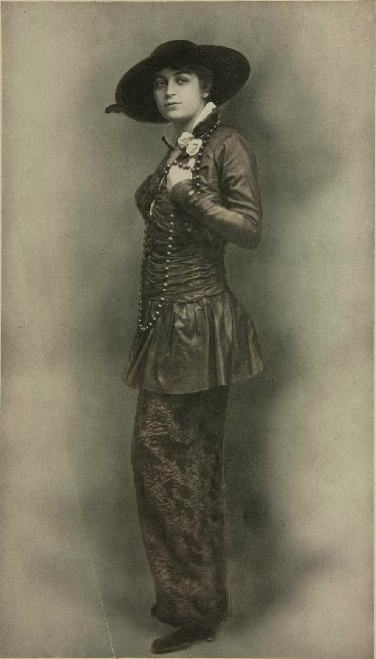
Diana Karenne, a Ukrainian émigré who spoke five languages poorly and body language fluently, never achieved Garbo-level fame; historians blame her refusal to sign a long-term contract with Ufa. Here she performs like someone who knows posterity is watching: every blink is a Morse code of yearning, every shrug of her beaded shawl a tectonic shift. In the catacomb scene she traces a skull’s cheekbone with her bow, then suddenly bites her own wrist—an improvised gesture the cameraman kept in the can. The bite mark lingers for the rest of the shoot, a purple crescent that makeup refused to cover; it becomes the film’s secret signature, a bruise autograph.
VII. Masculinity Unstrung
Giovanni Cimara, usually a cardboard leading man, here underplays into something rawer. Watch his hands during the confrontation with his mother: he fingers the lace tablecloth as if it were Braille, reading the family crest he is about to shred. His final close-up—eyes swollen, mustache trembling—recalls the cracked porcelain doll in Life Without Soul, yet with the added sting of adult guilt.
VIII. The Cut That Killed
Censors in Milan demanded the removal of a 38-second shot where Karenne, hiding in a confessional, presses her ear to the wooden grill and sighs so deeply the crucifix on the wall tilts. The excised footage vanished; only a production still remains, showing her lashes grazing the lattice like a moth testing flame. That absent half-minute haunts the surviving print—viewers sense a jump in breathing rhythm, a skipped heartbeat the story never recovers.
Imagine if The School for Scandal lost its screen debut, or if Samson were shorn of the temple collapse; such is the phantom limb of Passione tsigana.
IX. Modern Reverberations
Bernardo Bertolucci kept a 16 mm dupe in a vault under his sofa, claiming he screened it before writing Last Tango to remind himself that eroticism dies when dialogue explains it. Sally Potter borrowed Karenne’s crimson headscarf for Orlando. Even La La Land’s planetarium sequence lifts the upward tilt from the shot where Adriano and Zingana lie on a raft, the camera ascending until the Tiber becomes a cosmos of reflected lanterns.
As of this month, the Cineteca di Bologna streams a 2K restoration (region-locked but VPN-forgivable) accompanied by a 24-page PDF of liner notes. If you’re in New York, MoMA has a 35 mm print scheduled for their Cruel Carnival retrospective next April, projected at 20 fps with live accompaniment by the Gypsy punk quartet Darker Me. Arrive early; last screening sold out in 11 minutes.
To watch Passione tsigana is to be pickpocketed of certainty. You exit the theater hearing violins in ambulance sirens, smelling incense in laundromats. The film teaches that passion is not a destination but a border you cross unaware; once across, the passport you present is your own flayed skin. Karenne’s vanished smile, Cimara’s broken watch—both remind us that cinema’s most incandescent flames are those that leave the screen blacker when they vanish.
Keep the fire going—discuss, dissect, disseminate. The caravan never truly leaves; it simply waits for the next projector to ignite.
IMDb —
1921
Community
Log in to comment.