DbcultAccessing Vault...
5.4/10
Senior Film Conservator
A definitive 5.4/10 rating for a film that redefined the boundaries of cult cinema. Pay as You Enter remains a cornerstone of transgressive art.
The immediate question for an old silent picture like "Pay as You Enter" is always: is it worth finding today? Well, if you have a soft spot for the frenetic, often clumsy charm of 1920s slapstick, then yeah, absolutely give this one a look. Anyone needing modern pacing or crisp dialogue will probably find it a bit of a slog, but for silent film buffs or just folks curious about early Hollywood's comedic energy, there's some gold here.
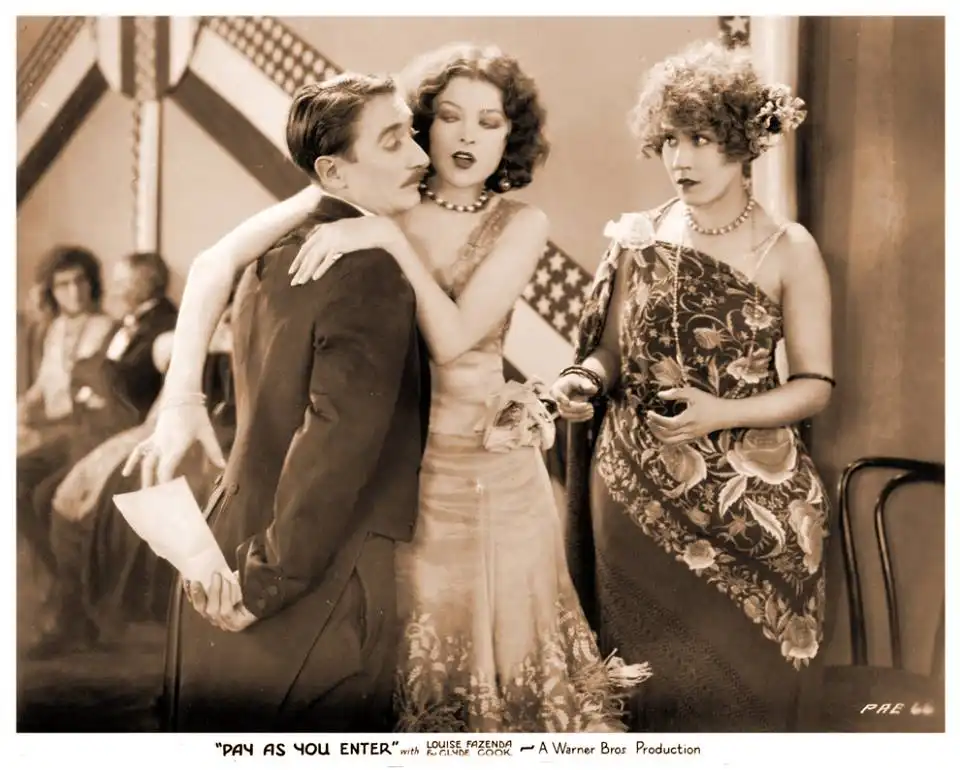
This film drops us right into a rather silly, yet intense, rivalry between two transport guys. Clyde Cook plays Clyde Jones, a trolley car conductor, and William Demarest is "Terrible Bill" Jones, a bus conductor. These two really, really want the attention of Mary Smith, played by Louise Fazenda, who runs a little coffee shop that feels like the center of their universe. It’s all very straightforward: two guys, one girl, lots of pushing and shoving.
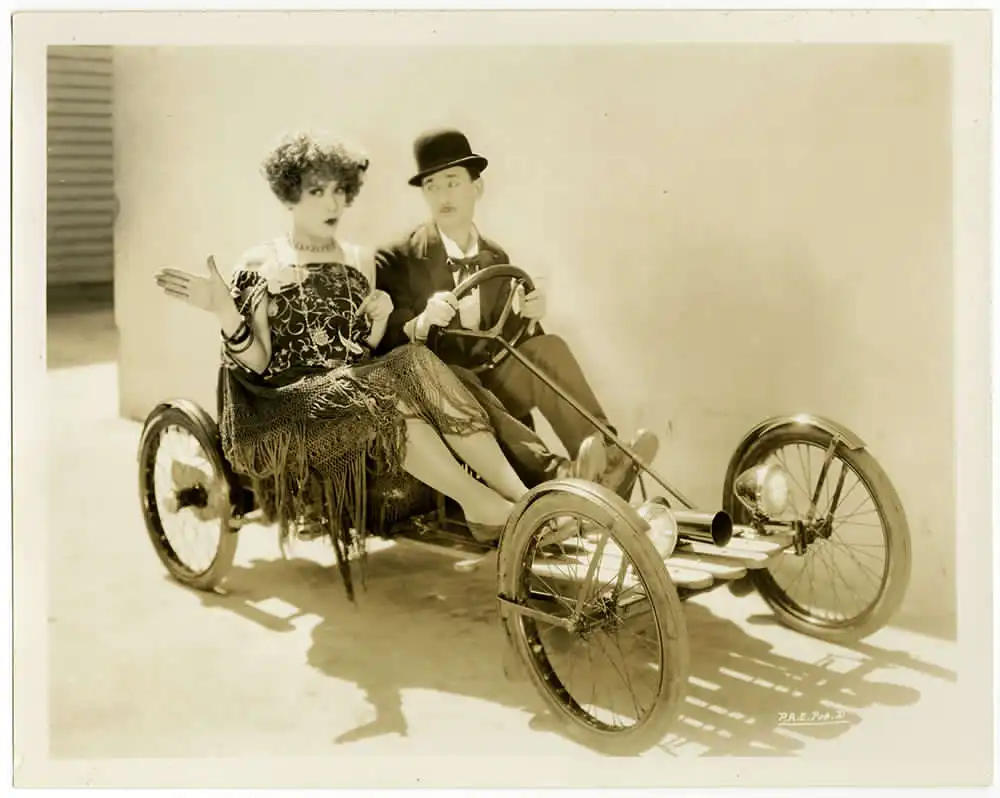
Cook, with his sort of rubbery face and almost nervous energy, really shines in the physical bits. There's a moment where he tries to subtly flex for Mary, and it just comes across as this awkward spasm. You can almost feel the silent film era trying to figure out how to convey subtle body language for laughs. And Demarest, as "Terrible Bill," he's got this big, blustery presence. He leans into the 'terrible' part with great enthusiasm.
The gags often involve their respective vehicles. You get these quick cuts between Clyde struggling with his trolley and Bill nearly running someone over with his bus. It’s not exactly high-concept stuff, but it keeps things moving. There's a bit where a trolley pole comes loose, and the chaos that ensues, even for just a few seconds, feels genuinely well-staged. It's the kind of thing where you can almost hear the frantic piano music in your head. 🎹
Louise Fazenda as Mary is good, though her character is definitely more of a prize than an active participant. She smiles a lot. You can see her trying to navigate these two big, goofy men, sometimes with a look that says, "_Seriously?_" which is pretty relatable even today. She's got this warmth that makes you understand why both these guys are so smitten.
Myrna Loy also pops up here. Now, don't go in expecting a big Myrna Loy performance; she's very much in the background for most of this. She plays a smaller role, one of the girls in the coffee shop, I think. It's one of those blink-and-you-miss-it early appearances, but it's cool to spot her. You can catch a glimpse of that famous elegance even in a quick shot.
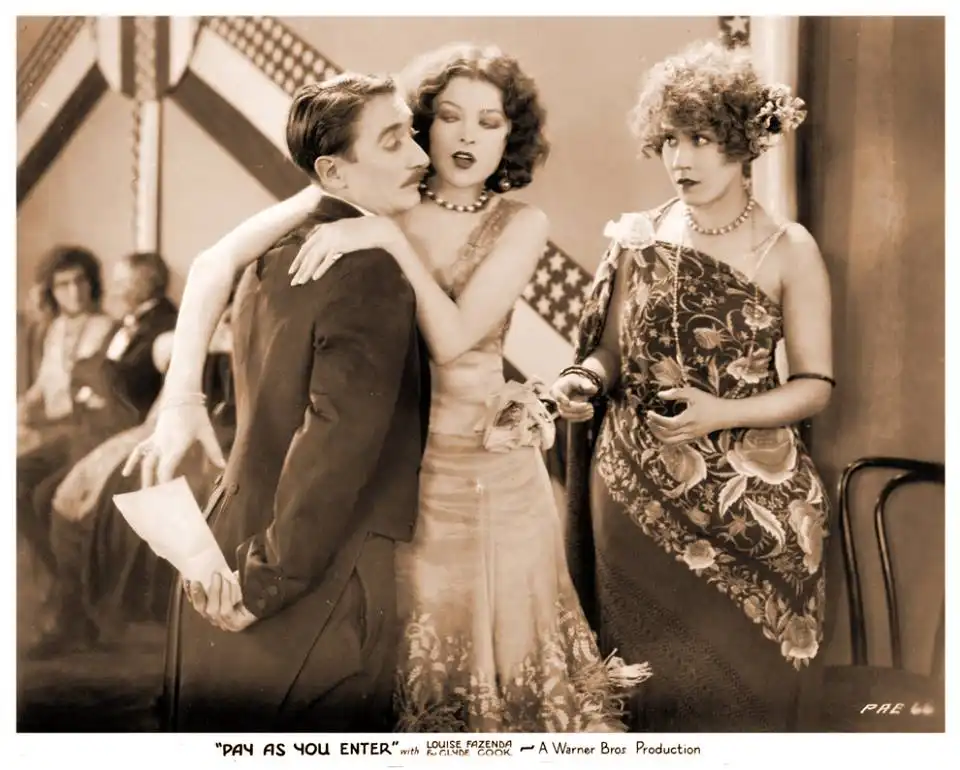
The film has a slightly frantic pace that sometimes feels like it's trying too hard to keep up. Some scenes stretch just a bit, like they weren't quite sure when to cut. But then it’ll snap back into a genuinely funny bit of physical comedy. The fight scenes, especially, are a highlight. They're not choreographed in any modern sense; it's more like a clumsy, flailing ballet of two overgrown kids. One specific bit involving a tray of pastries gets completely demolished, and the sheer mess of it is pretty funny.
It's clear Darryl F. Zanuck was among the writers, and you can see a certain knack for broad appeal, even in this early work. The whole thing feels very much of its time, a simple story well-told for the audiences of 1927. It's not trying to be anything more than a good laugh. And for the most part, it succeeds.
The ending feels a little rushed, like they just needed to tie things up quickly. But it leaves you with a smile. It's a reminder that sometimes, simple stories about love and silly rivalries are all you need. You won't walk away with deep thoughts, but you might just chuckle.
IMDb —
1927
Community
Log in to comment.