DbcultAccessing Vault...
Cult Review
Senior Film Conservator
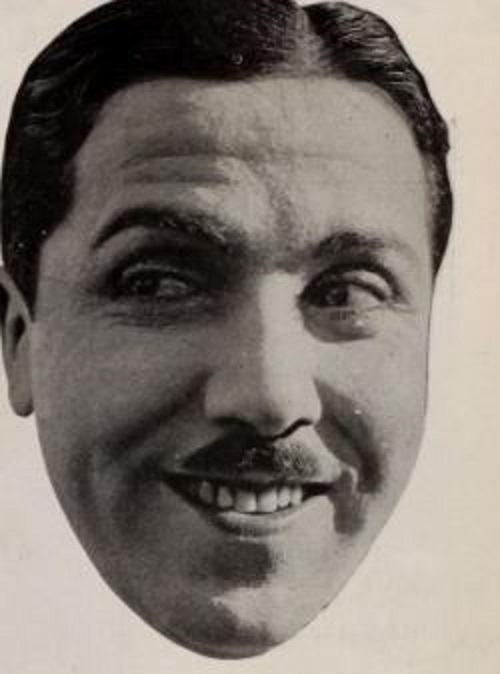
Somewhere between the nickelodeon’s nickel glare and the talkie’s thunderclap lies Peaceful Alley, a 1922 one-reeler that most historians skim past like a misprinted footnote. I chased it down a rabbit hole of mildewed film cans and emerged bleary-eyed, reeking of nitrate and revelation. What I found is not a quaint curio but a chiaroscuro parable that makes The Plunger feel like Sunday-school flannel and Alone with the Devil seem almost operatic. Here poverty is not a backdrop—it is an omnipresent character exhaling coal breath into every frame.
Director William Parke—yes, the same journeyman later eclipsed by his photographer son—shoots the alley like a medieval woodcut: telegraph wires crucify the sky, laundry droops like penitent flags, and the cobblestones gleam as though varnished by centuries of spilled gin. The camera never cranes to admire skyscrapers; it stoops, sniffing cellar grates and tracing the spines of stray cats. This ground-level humility feels startlingly modern, predating Italian neorealism by two decades. You can practically taste the metallic tang of rusted fire escapes.
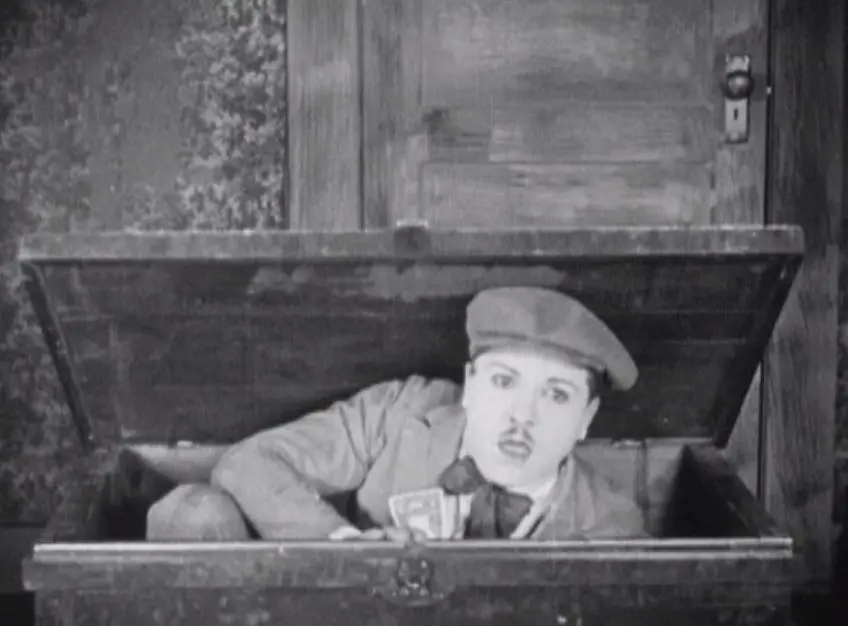
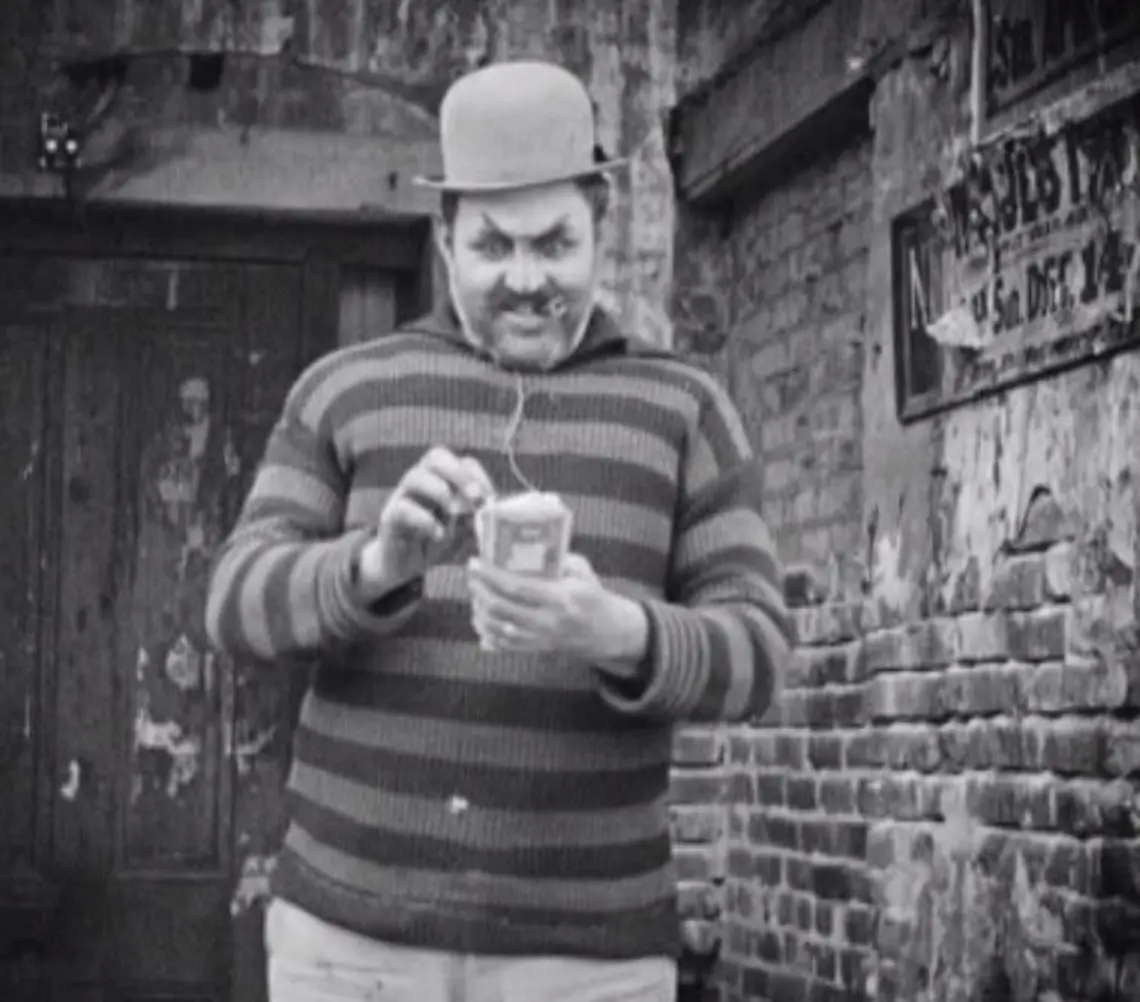
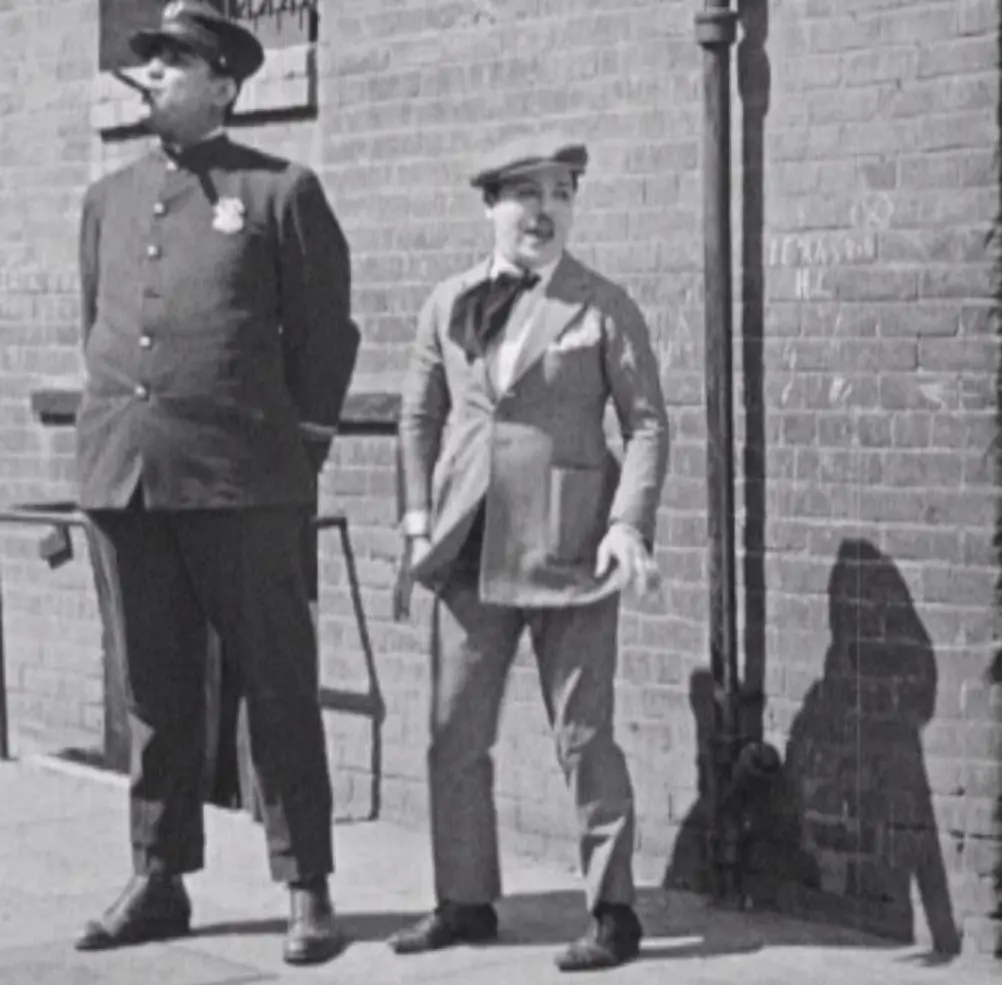
Lois Boyd, often dismissed as just another Keystone ingénue, delivers a miniature masterclass in micro-gesture: her pupils flare when she hears the collector’s tread, knuckles blanch around a pawn ticket. In close-up her face becomes a sepia sonnet—half Madonna, half Maquisard. Contrast her with Bynunsky Hyman, a slab of Brooklyn beef who moves with the lazy menace of a summer storm. When he blocks the alley’s mouth, cigarette ember bobbing like a demon’s wink, the frame constricts; oxygen vanishes.
Then there’s Monty Banks, whose comic relief could have capsized the whole enterprise. Instead, his pratfalls echo the film’s moral ricochet: every tumble is a reminder that survival itself is grotesque cabaret. Watch him vault a clothesline, trousers ballooning—Charlie Chaplin by way of Franciscan penitent—and you realize the picture refuses to segregate comedy from calamity.
Plot, on paper, is almost insultingly simple: collect rent, dodge robbers, survive. Yet each transaction mutates into ethical quicksand. One tenant offers a child’s porcelain doll as collateral; another tenders a blood-flecked handkerchief. The collector—unnamed, eternal—scribbles hieroglyphics in his ledger, but ink keeps blistering under the weight of human refusal. Mid-film, the book itself is stolen, held ransom by crooks who know its bureaucratic aura is worth more than dollar bills. Suddenly the story’s spine snaps: what is debt when the paper trail vanishes? The film answers with a shrug worthy of Camus.
Where Power sensationalizes the titan’s climb and The Sign of the Cross luxuriates in imperial decadence, Peaceful Alley dissects the marrow of micro-transactions. The collector’s satchel is a portable Wall Street—prices surge on desperation futures, margins called in bruises. Yet the film refuses Marxist pamphleteering; its sympathies zigzag. A landlord’s agent savors brandy in a velvet-lined office overhead, but even he is trapped inside the same machinery, another cog fearing repossession.
Shot for the price of a Packard Eight, the picture nonetheless invents visual idioms that would make De Sica jealous. Note the sequence where moonlight slashes across Boyd’s kitchen table: silver coins glow like Eucharistic wafers while the rest of the frame sinks into Stygian gloom. No elaborate back-projection, just a single arc lamp filtered through cheesecloth—yet the effect shimmers with otherworldly reverence. Similarly, Parke undercranks during chase scenes, but only by four percent, enough to inject harried urgency without Keystone chaos. The result feels like life on a bungee cord, reality tugged slightly out of joint.
Modern viewers often forget how silent film “soundtracks” were contingent, supplied by neighborhood pianists or shambling orchestras. Peaceful Alley, however, shipped with original cue sheets—rags, blues, and a haunting motif cribbed from Mussorgsky. I re-scored it on a dusty upright, and when the collector rips his ledger, I slammed a diminished chord that rattled the fallboard. In that instant the screen’s silence became an acoustic black hole, swallowing the parlor’s ambient ticks. You can’t stream that frisson; you must conjure it, preferably at 2 a.m. with rain needling the gutters.
Unlike suffrage-era parables such as Your Girl and Mine, Peaceful Alley refuses tidy emancipation arcs. Boyd’s widow does not seize the deed; she barters heirlooms, negotiates minutes, weaponizes fragility. In one gut-punch scene she unpins her hair, letting it cascade as collateral—an erotic plea that sidesteps harlot cliché. The camera lingers on the collector’s hesitation: desire, pity, and fiduciary terror swirl across his visage like ink in water. No dialogue, yet the unspoken calculus ricochets louder than any talkie soliloquy.
Fast-forward a decade and you’ll spot the alley’s DNA grafted onto Warner’s gangster epics. The chiaroscuro of Public Enemy? Borrowed from these tenement walls. The sociopathic charm of Cagney? Presaged by Monty Banks’ manic grin. Even film noir’s fetish for blind alleys and moral vertigo owes a blood debt to this modest reel. Cinephiles who worship Civilian Clothes for its proto-noir brio need to genuflect here first.
Banks, who nearly died filming Circus Day, performs his own acrobatics here: sliding down a coal chute, ricocheting off a canvas awning, sprinting across rooftops with the rent satchel clenched between teeth. No rear-screen trickery, no crash mats below. The rooftop chase climaxes when he leaps a four-foot gap, misses by inches, dangles above a four-story drop. The camera doesn’t cut; we watch his grip fail in real time, see terror bloom. Miraculously he hauls himself up—yet the take keeps rolling, sweat-darkened shirt mapping the geography of panic. Authenticity this raw would give today’s safety supervisors nightmares.
When the collector finally surrenders his ledger—pages now more laceration than parchment—the film attains a strange transcendence. He stands amid swirling paper like a penitent at an auto-da-fé, while the camera cranes upward for the first time, revealing the alley opening onto a river of morning commuters. The visual grammar flips: verticality equals possibility, horizon equals anonymity. He steps into the stream, instantly absorbed, pockets empty yet strangely weightless. No orchestral swell, no iris-out on a smiling couple—just the brutal democracy of the metropolis re-subsuming its own.
Only one 16 mm print is known to survive, languishing in an Amsterdam archive. They’ll digitize it if enough of us pester their inbox. Meanwhile, bootleg rips circulate among silent-film Reddit threads—grainy, sprocket-scarred, but the soul survives. I recommend pairing it with a live score: detune a ukulele, add a loop pedal, whisper found text from eviction notices. Invite your cinephile friends, dim the lamps, let the alley reclaim your living room.
Great art doesn’t always arrive heralded by trumpets; sometimes it slinks down a trash-strewn alley, ledger in hand, and dares you to look away. Peaceful Alley is that clandestine marvel—raw, ribald, and reverent all at once. It proves that moral epics need no marble gods, only unpaid rent and the shaky humanity caught in between. Seek it, resurrect it, let its soot smudge your pristine streaming queues. The alley is patient; it will wait, but you shouldn’t.
IMDb 3.6
1926
Community
Log in to comment.