Summary
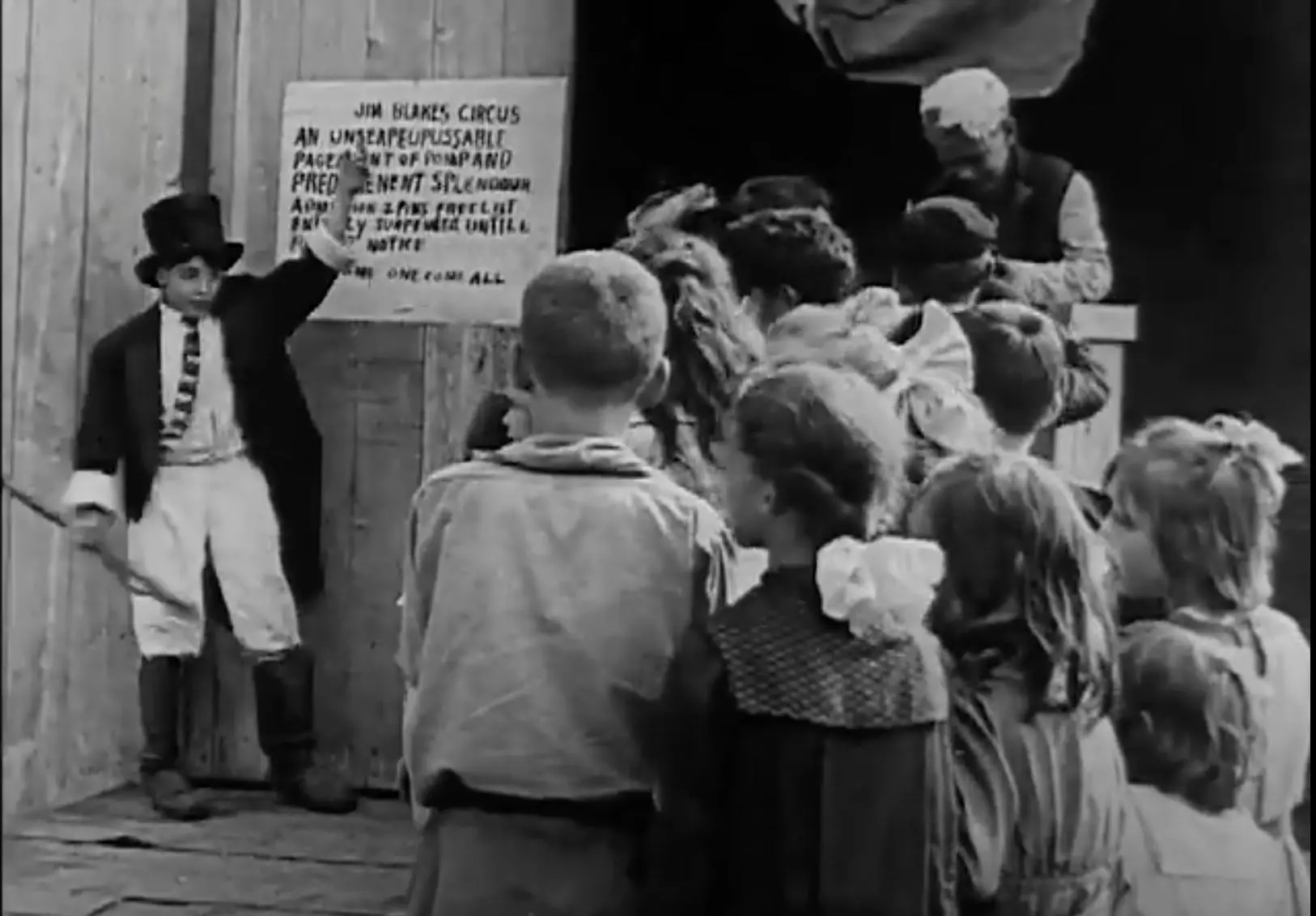
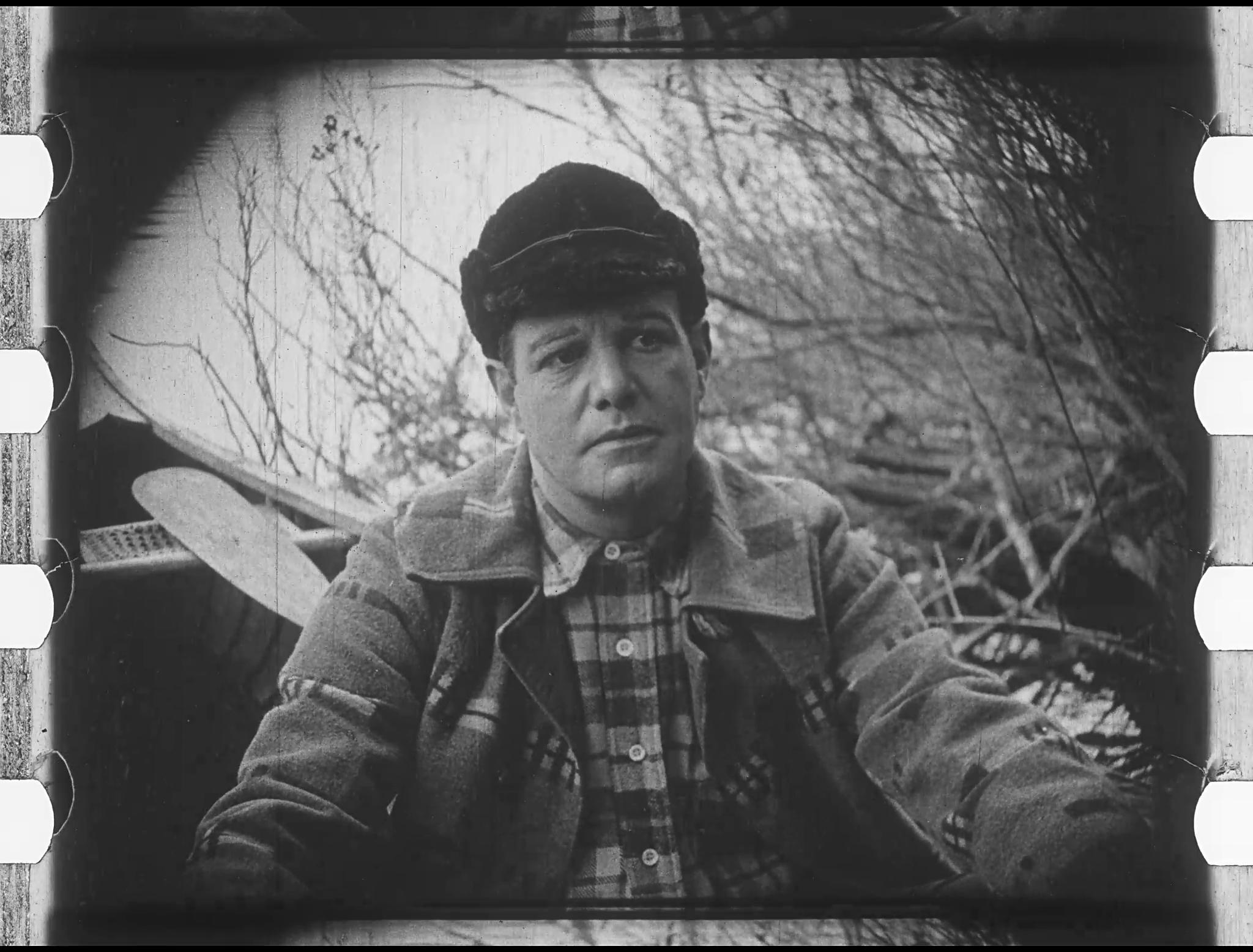
A threadbare canvas of soot-streaked canvas flaps in the wind outside a one-ring outfit that has pitched its stakes on the ragged edge of an unnamed American town; dawn bruises the horizon while the proprietor, a nickel-and-dime Barnum named Calhoun, counts last night’s gate on trembling fingers, every coin a bruise against his pride. Into this flicker of sawdust and desperation wanders Jimmie Slade—newsboy, guttersnipe, prince of the alleyways—his shoelaces snapping like dry twigs as he runs from a truant officer whose whistle slices the morning like a siren. One mis-aimed apple core, one ricocheting chase, and the kid somersaults beneath the performers’ entrance flap, swallowed whole by the universe of rope, greasepaint, and perpetual exile. Overnight the boy becomes Calhoun’s dogsbody: he scrapes zebra dung, polishes chromium bicycle spokes, learns to mimic the aerialist’s pirouette on a discarded broom handle. Meanwhile the star equestrienne, Lila Delmar—her lashes lacquered with tragedy—spends dusk hours rehearsing a liberty-horse ballet that nobody will applaud; her smile is a hairline fracture. Back-stage, the lion tamer’s leather whip is cracked more for self-flagellation than intimidation, because the beasts have grown listless on rationed horsemeat and the audience no longer gasps. A traveling cinematograph cranks in the midway, projecting jerky images of last year’s fire that gutted the menagerie; every flicker of flame on the sheet reminds the troupers they are ghosts haunting their own future ashes. Into this chiaroscuro of grease-powder and rusted iron strides a city inspector demanding safety certificates; Calhoun palms him a crumpled banknote that might once have been white. The next matinée is a catastrophe: the tightrope slackens, the net splits, and Lila’s white Arabian spooks at a spotlight’s pop, pitching her into the sawdust like a broken marionette. The crowd erupts in nervous laughter, the band segues into a funereal polka, and Jimmie—small, forgotten—leaps into the ring, cradling the limp star as if she were confetti. In that instant the boy becomes the moral axis of the film: he steals the show without a single trick, merely by refusing to look away from pain. Calhoun, sensing ruin, sells the boy to a competing carnival for five dollars and a crate of phosphorescent posters, but the train hauling Jimmie away whistles in vain; the kid vaults off at sunrise, sprinting across dew-soaked meadows back to the only home that ever bothered to mispronounce his name. He arrives as Calhoun torches the remaining tents for insurance, the flames painting the sky with carnivorous roses. Jimmie drags Lila—leg splinted with a broomstick—from the collapsing big top, while the leopard paces uncaged, indifferent to human valor. Credits roll over a smoldering lot: the circus banner, now black lace against the sunrise, flutters like a surrender flag stitched by children who once believed the world could be splendid.
Review Excerpt
"
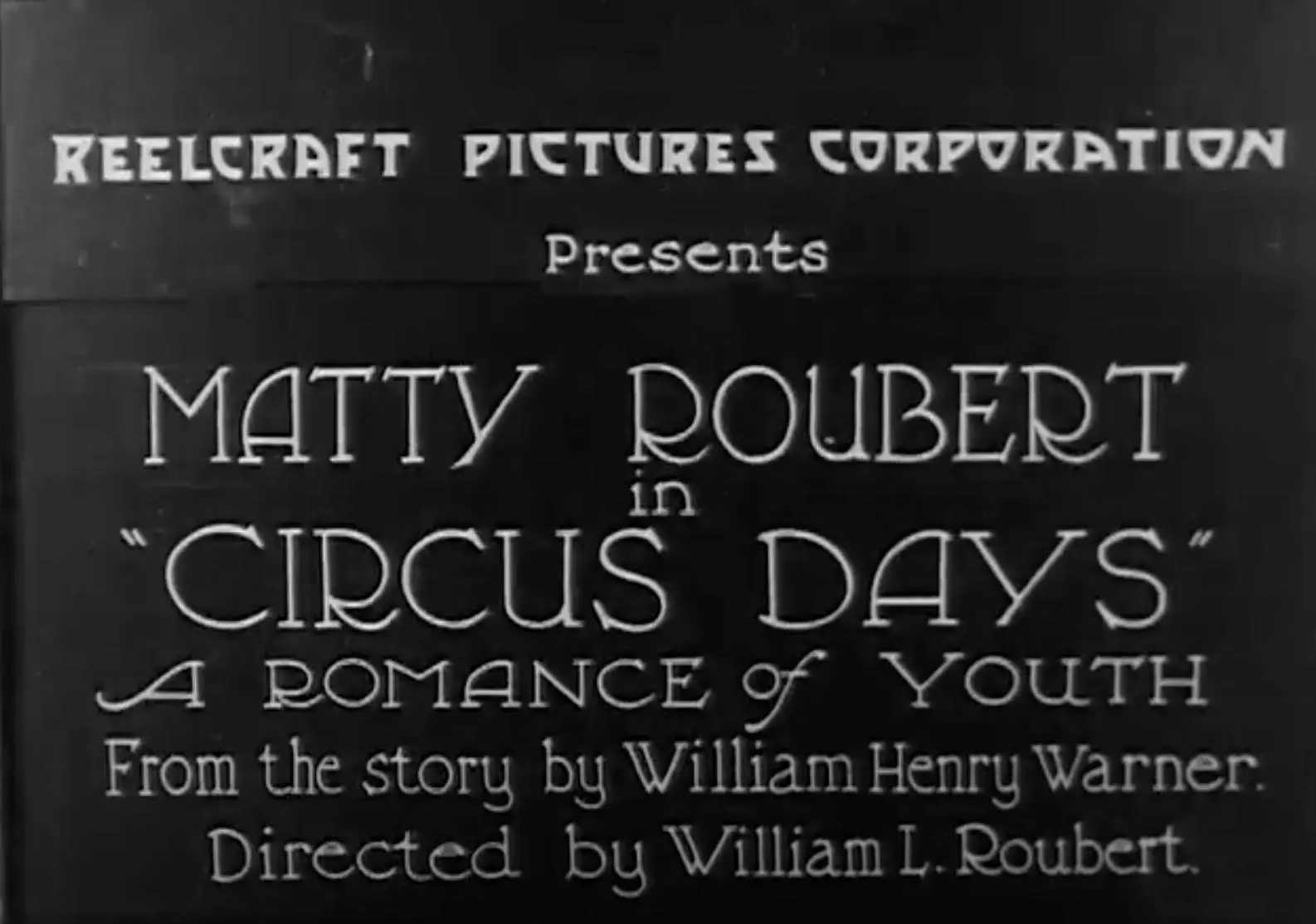
The first thing that strikes you about Circus Day is how aggressively it refuses nostalgia. Where contemporaries like Alias Jimmy Valentine lather on sepia sentiment, this 1927 one-reeler spits sawdust in your eye and dares you to blink. William Henry Warnert’s screenplay—economic as a carny’s handshake—distills an entire childhood into twelve dizzying minutes, yet leaves after-images that throb for days.
Director J. P. McGowan, better known for railroad thrillers, swaps iron horses for pachy..."