DbcultAccessing Vault...
Cult Review
Senior Film Conservator
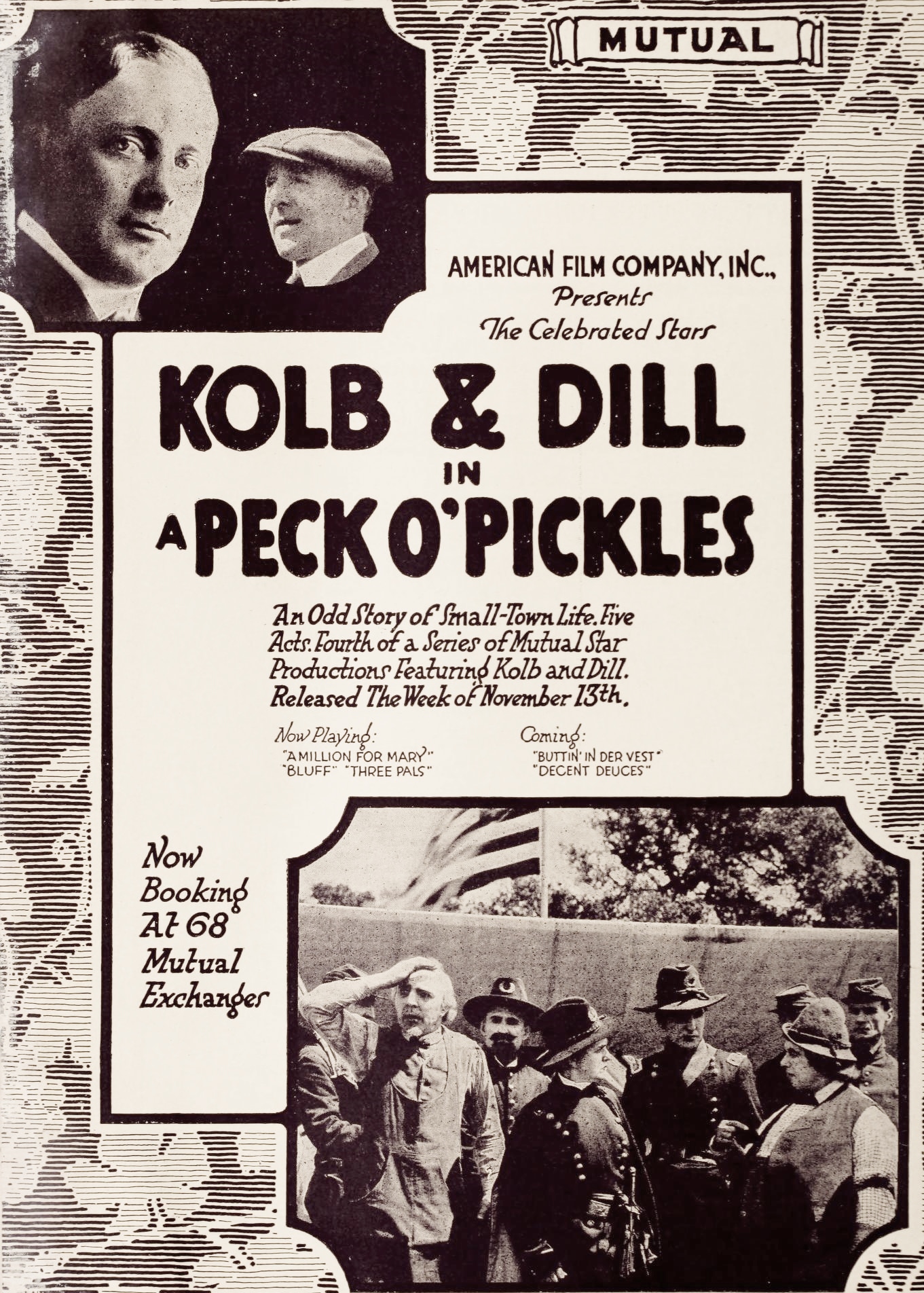
Stepping back into the formative years of cinema often feels like unearthing a forgotten treasure, a glimpse into the nascent storytelling techniques and societal anxieties of a bygone era. Such is the case with 'Peck o' Pickles,' a film that, despite its seemingly simple premise, weaves a surprisingly intricate tapestry of moral allegory, slapstick humor, and even a dash of surrealist fantasy. It's a delightful, if didactic, relic that speaks volumes about the popular entertainment and social commentary prevalent during its time. This isn't just a film; it's a cultural artifact, a window into a world grappling with temptation, consequence, and the burgeoning power of moving images to convey profound messages, however whimsically presented.
At the heart of 'Peck o' Pickles' lies Rudolph Schlitz, portrayed with an endearing blend of naiveté and burgeoning ambition by Max Dill. Schlitz, a cobbler whose days are presumably filled with the mundane rhythms of stitching and mending, encounters a fateful twist of luck when he discovers a discarded lottery ticket nestled within a shoe he's repairing. This isn't just a ticket; it's a tantalizing whisper of possibility, a seductive siren call promising an escape from his humble existence. The immediate impulse, as is often the case when the prospect of easy money looms, is to share the dream, and so he brings his trusted friend, Adolph Busch, into the fold. Clarence Kolb, as Busch, perfectly complements Dill's Schlitz, creating a duo whose shared aspirations become the comedic and moral core of the narrative. This initial setup brilliantly captures the universal human fascination with chance, the intoxicating idea that one fortunate draw could alter the trajectory of a life, echoing similar themes of sudden wealth and its potential pitfalls seen in films like The Lure of Millions or even the more dramatic Tainted Money, though 'Peck o' Pickles' tackles it with a lighter, more allegorical touch.
The film cleverly introduces a parallel narrative thread that eventually converges with Rudolph and Adolph's lottery dreams: the fervent temperance movement, personified by the formidable Caroline Pickett. Pickett, a character whose zealous crusades against the evils of alcohol are a constant presence in the village, represents a powerful moralistic force of the era. Her relentless railing against drink sets the stage for a delightful act of defiance, orchestrated by the mischievous Bobbie Bennett. Fed up with Pickett's incessant pronouncements, Bennett decides to inject a little 'spirit' into the proceedings, literally, by spiking the cider at Caroline's very own picnic. This act of playful rebellion, a testament to the human desire to occasionally flout strictures, becomes the catalyst for the film's most chaotic and pivotal sequence. The ensuing scene, with villagers succumbing to the unexpected potency of the spiked beverage, is a masterclass in early cinematic slapstick. The gradual unraveling of decorum, the loosening of inhibitions, and the general merriment that descends upon the picnic-goers are depicted with an infectious energy, showcasing the comedic talents of the ensemble cast including May Cloy, Marie Van Tassell, Frank Thompson, Allan Forrest, Josephine Clark, and Burdell Jacobs. It's a communal descent into tipsy abandon that feels both authentic to the period's comedic sensibilities and crucial to the narrative's fantastical turn.
As the spiked cider takes full effect, the entire village is plunged into a state of blissful, or perhaps bewildering, intoxication. Rudolph and Adolph, already giddy with the prospect of their lottery winnings, find their senses further muddled by the potent brew. It is in this state of heightened suggestibility and altered perception that their shared dream sequence unfolds, a fantastical journey that forms the dramatic and allegorical core of 'Peck o' Pickles.' They envision themselves arriving in Washington D.C., ready to claim their immense lottery prize, a triumphant culmination of their earlier gamble. However, the film takes an unexpected, almost surrealist turn. Instead of simply collecting their winnings, they are not only transported to the nation's capital but also hurled through time, landing squarely in the midst of the American Civil War. This abrupt temporal displacement is a stroke of narrative genius, a bizarre yet effective way to illustrate the chaotic consequences that can arise from seemingly innocuous choices.
The dream sequence itself is a vivid, disorienting experience. Rudolph and Adolph, still clad in their civilian attire, find themselves thrust into the brutal reality of battle, dodging bullets and cannon fire, witnessing the grim tableau of conflict firsthand. The juxtaposition of their whimsical lottery aspirations with the harsh, unforgiving landscape of war is profoundly jarring. This isn't merely a comedic diversion; it's a powerful allegorical statement. The film, through the lens of this shared nightmare, ingeniously links the pursuit of easy, unearned wealth (the lottery) with the devastating, life-altering consequences of historical conflict (Gettysburg, a symbolic battle of immense cost). It's a visual metaphor suggesting that the gamble for quick riches carries with it a hidden, potentially catastrophic price, much like the gamble of war. The chaos and danger they face in their dream are a direct, albeit fantastical, reflection of the moral peril they flirt with in their waking lives. This unique blend of reality and dream, consequence and fantasy, gives 'Peck o' Pickles' a depth that belies its early origins and lighthearted facade, setting it apart from more straightforward moral tales like The Man Who Came Back, which deals with redemption in a much more grounded fashion.
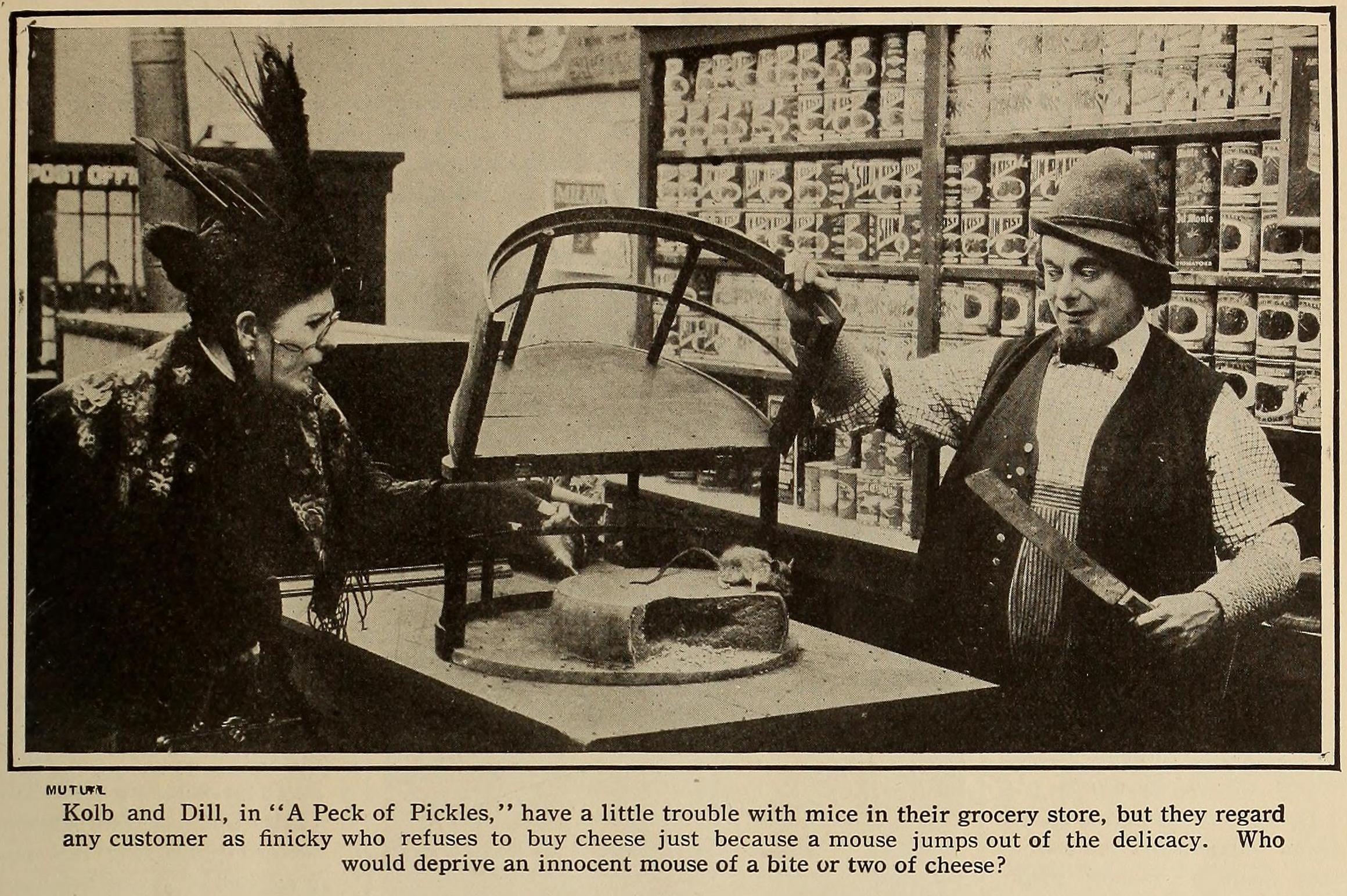
The terror of the battlefield, the narrow escape from death, and the sheer absurdity of their temporal dislocation eventually jolt Rudolph and Adolph awake. The transition from the dream's chaotic intensity back to the mundane reality of the picnic ground is abrupt, yet profoundly impactful. The lingering echoes of cannon fire, the phantom smells of smoke and conflict, and the vivid memories of their near-death experience are enough to shake them to their very core. What was once a lighthearted pursuit of fortune now carries the weight of a horrific, shared nightmare. This is where the film's moral message crystallizes with remarkable clarity. The link between gambling and Gettysburg, as etched into their subconscious, becomes an undeniable truth. The dream serves as a stark, visceral lesson: the pursuit of unearned gain is fraught with unseen dangers, capable of leading one down paths of chaos and destruction, both personal and societal. This profound realization spurs an immediate and unequivocal change of heart.
With the clarity that only a truly terrifying experience can provide, Rudolph and Adolph solemnly swear off lotteries and all other games of chance forever. Their transformation is complete, moving from eager participants in a speculative venture to staunch advocates for honest labor and earned rewards. This conclusion, while overtly didactic, is characteristic of many early cinematic works, which often sought to entertain while simultaneously imparting valuable moral lessons. The film doesn't merely tell us that gambling is bad; it shows us, through a fantastical and unforgettable journey, the potential perils of such a path. It's a powerful and effective narrative device, leaving the audience with a clear, resonant message about the virtues of industry over idle speculation. The finality of their decision, born from shared trauma and revelation, provides a satisfying, if predictable, resolution to their comedic misadventure.
The performances in 'Peck o' Pickles' are a testament to the evolving art of acting in the early days of film. Max Dill and Clarence Kolb, as Rudolph Schlitz and Adolph Busch, anchor the film with their expressive, often exaggerated, yet undeniably charming portrayals. Their physical comedy during the picnic scene and their bewildered terror in the dream sequence are particularly noteworthy, communicating complex emotions without the benefit of spoken dialogue, relying instead on gesture, facial expression, and movement. This highly visual style of acting was crucial for captivating audiences in an era before synchronized sound, a skill finely honed by performers like those in 'Peck o' Pickles.' The supporting cast, including May Cloy, Marie Van Tassell, Frank Thompson, Allan Forrest, Josephine Clark, and Burdell Jacobs, contribute to the vibrant atmosphere, particularly during the raucous picnic. Their reactions, from initial surprise to drunken revelry, help to build a believable, if exaggerated, communal experience, essential for the film's comedic impact. The direction likely emphasized clear, broad strokes to ensure the story's message and humor landed effectively with the audience, a common characteristic of films penned by writers like Frank Stammers during this period. The collective energy of the cast imbues the film with a lively spirit that remains engaging even today, offering a glimpse into the theatrical roots of cinematic performance.
Frank Stammers, the writer behind 'Peck o' Pickles,' crafted a narrative that is both entertaining and deeply rooted in the social concerns of its time. The integration of the temperance movement, the allure of gambling, and the historical gravitas of the Civil War into a single, cohesive (if fantastical) plot demonstrates a keen understanding of popular themes and allegorical storytelling. Stammers' ability to blend slapstick comedy with a profound moral message speaks to the versatility required of early screenwriters. The narrative structure, moving from a realistic premise to a dreamlike odyssey and back to a sober resolution, is remarkably sophisticated for its era, showcasing an experimental approach to cinematic storytelling. This blend of genre and thematic depth is what elevates 'Peck o' Pickles' beyond mere novelty, positioning it as a thoughtful piece of social commentary disguised as a comedic caper. Its construction reminds one of the layered narratives found in films like The World, the Flesh and the Devil, which also explored moral dilemmas within a broader, often fantastical, framework. The film serves as an excellent example of how early cinema, even without the technological advancements of later decades, could engage audiences on multiple levels, provoking thought alongside laughter.
'Peck o' Pickles' endures as more than just a historical curiosity; it's a testament to the enduring power of storytelling to reflect and influence societal values. Its blend of comedic misadventure, social commentary, and a surprisingly profound dream sequence makes it a unique entry in the annals of early cinema. The film's clear moral stance against gambling, delivered through a memorable and fantastical journey, resonates with universal themes of temptation, consequence, and the pursuit of genuine fulfillment. It reminds us that sometimes, the most valuable lessons are learned not through direct instruction, but through the bewildering, often hilarious, and occasionally terrifying detours that life, or a spiked cider picnic, can throw our way. As we watch Rudolph and Adolph awaken from their Civil War nightmare, swearing off games of chance, we are reminded that true wealth often lies not in what one might win, but in the lessons learned and the integrity preserved. It's a charming, insightful, and surprisingly imaginative piece of cinematic history that continues to offer a 'peck' of wisdom for modern audiences, proving that even a century later, its allegorical pickles still pack a punch.
IMDb 2.3
1929
Community
Log in to comment.