DbcultAccessing Vault...
6.8/10
Senior Film Conservator
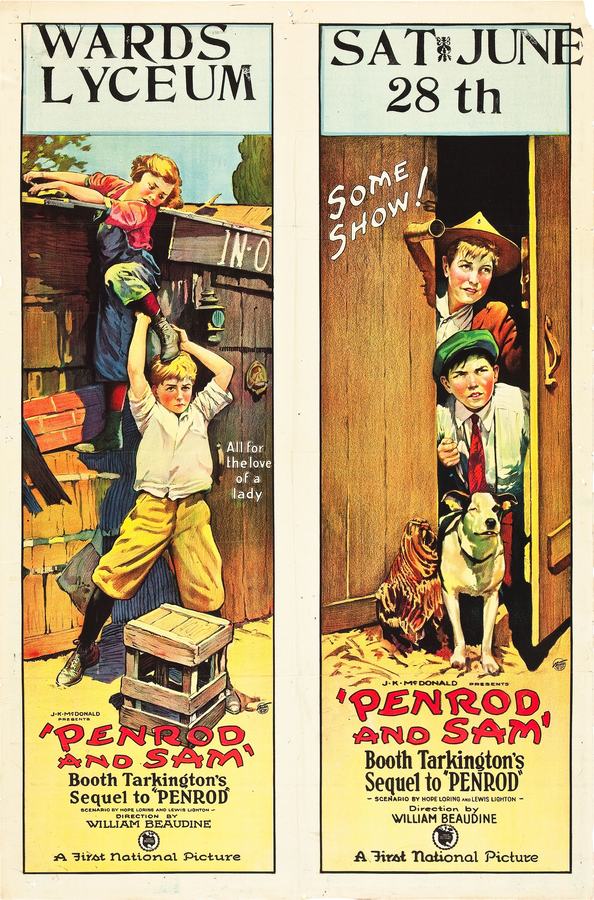
A definitive 6.8/10 rating for a film that redefined the boundaries of cult cinema. Penrod and Sam remains a cornerstone of transgressive art.
When the early 1930s ushered audiences into the realm of sound cinema, few pictures captured the unvarnished exuberance of youth quite like Penrod and Sam. Directed with a deft hand, the film stitches together the impetuous energy of Booth Tarkington's source material with a visual vernacular that feels both nostalgic and surprisingly modern. The narrative orbits around Penrod, portrayed with a mischievous twinkle by Joe Butterworth, whose leadership of a ragtag gang mirrors the democratic chaos of a playground republic.
At its core, the film interrogates the dynamics of inclusion and exclusion. The boys' club—an emblem of childhood autonomy—becomes a micro‑society where rules are dictated by peer approval rather than adult edicts. When Georgie Bassett (played by a precocious Buddy Messinger) arrives, his polished demeanor and affluent lineage threaten to destabilize the equilibrium. The ensuing initiation, a series of escalating pranks ranging from harmless water‑balloon ambushes to a daring rooftop escapade, functions as a theatrical rite of passage that tests not only Georgie's resolve but also the gang's capacity for empathy.
Joe Butterworth's Penrose‑sharp delivery captures the paradox of a boy who is simultaneously a schemer and a tender-hearted leader. His chemistry with the ever‑watchful Cameo the Dog—a canine cameo that provides both comic relief and an uncanny sense of loyalty—adds a layer of whimsical charm. William V. Mong, as the paternal figure, delivers a measured performance that anchors the film's moral compass, reminding viewers that the adult world, though distant, exerts a subtle gravitational pull on youthful rebellion.

The supporting cast, including Robert Gordon's earnest Sam and Richard Billings' sardonic sidekick, populate the story with a palette of personalities that feel authentic rather than caricatured. Notably, Martha Mattox's stern matriarchal presence offers a foil to the boys' anarchic spirit, underscoring the tension between societal expectations and the desire for unbridled freedom.
While the film is rendered in monochrome, the director employs a striking contrast between light and shadow to delineate the moral terrain. Scenes set in the gang's clandestine clubhouse are bathed in soft, diffused lighting, evoking a sense of intimate camaraderie. In contrast, the town square—where the boys' antics spill into public view—is illuminated with a harsher, almost clinical brightness, reflecting the scrutiny of the adult world.
The camera often lingers on close‑ups of the boys' faces during moments of anticipation, allowing the audience to read the unspoken calculations that drive their mischief. This technique mirrors the observational style found in Little Comrade, where youthful resolve is captured through intimate framing.
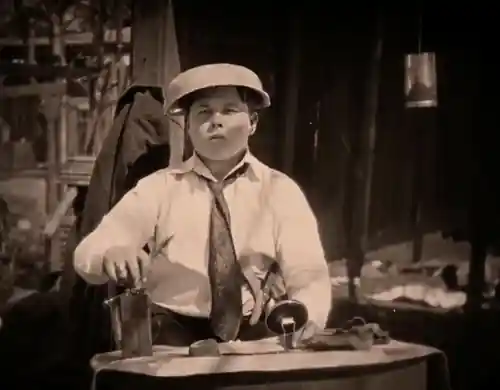
Beyond its surface-level slapstick, Penrod and Sam offers a nuanced exploration of class tensions. Georgie's wealth is not merely a plot device; it serves as a catalyst that forces the boys to confront their own biases. The initiation, initially conceived as a test of loyalty, gradually morphs into a crucible where the characters must decide whether exclusion or inclusion defines their identity.
The film's resolution—where Penrod ultimately extends genuine friendship to Georgie—mirrors the broader societal shift of the era, as America grappled with the Great Depression's egalitarian undercurrents. This thematic arc aligns with the moral evolution depicted in Dombey and Son, where personal redemption emerges from confronting entrenched social hierarchies.
The film's auditory landscape is punctuated by jaunty orchestral motifs that underscore the boys' exuberance. The occasional die‑getic sounds—such as the clatter of a wooden swing or the bark of Cameo—enhance the tactile realism of the setting. These sonic cues, while subtle, contribute to an immersive experience that feels both nostalgic and immediate.
When placed alongside contemporaneous works like Fast Company or It's a Boy, Penrod and Sam distinguishes itself through its earnest focus on childhood agency rather than adult romantic entanglements. The film's commitment to portraying the unvarnished truth of juvenile camaraderie sets it apart, offering a template that later child‑centric narratives would emulate.
Decades after its debut, the film remains a touchstone for scholars examining the evolution of youth representation in cinema. Its blend of humor, pathos, and social critique anticipates later classics such as A City Sparrow, where the innocence of childhood is juxtaposed against the complexities of adult expectations.
Moreover, the film's influence extends beyond the silver screen; the phrase "initiation rite" entered colloquial usage, echoing the film's memorable climax where Georgie's resolve is tested in a rain‑soaked alley, a scene that has been referenced in numerous television sitcoms and modern teen dramas.

The production design meticulously reconstructs a 1930s small‑town aesthetic, from the weathered wooden porches to the modest schoolhouse that serves as a backdrop for many of the boys' schemes. Costumes, particularly the patched denim of Penrod's gang versus Georgie's crisp, button‑down attire, visually articulate the class divide without reliance on dialogue.
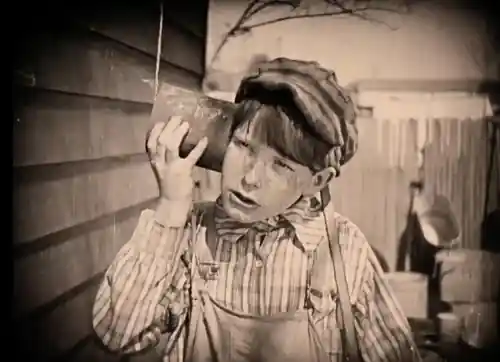
These visual cues are complemented by the strategic use of props—most notably a battered tin can used as a makeshift cannon during the initiation—infusing the film with a tactile authenticity that resonates with audiences familiar with the improvisational play of their own youth.
The screenplay, crafted by Hope Loring and Louis D. Lighton, exhibits a rhythm that oscillates between rapid-fire comedic set‑pieces and quieter, introspective moments. This ebb and flow mirrors the natural cadence of childhood—bursting with activity yet punctuated by contemplation. The film’s three‑act structure is elegantly simple: the establishment of the boys' enclave, the conflict introduced by Georgie's entry, and the cathartic resolution where mutual respect blossoms.
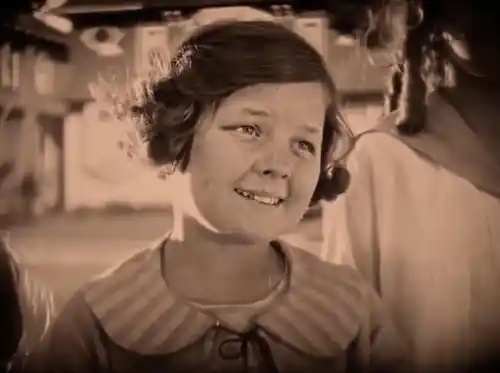
Upon its release, contemporary critics praised the film’s “refreshing honesty” and “vivid portrayal of youthful exuberance.” Modern reviewers continue to laud its timeless appeal, noting that the themes of belonging and moral growth remain relevant in an era dominated by digital cliques and online initiation rituals.
The film’s preservation status, thanks to diligent archival efforts, ensures that new generations can experience its charm on restored prints, often screened alongside other period pieces such as Prudence, the Pirate and Why Trust Your Husband.
In an age where cinematic narratives are increasingly mediated by high‑budget special effects, Penrod and Sam reminds us of the power of simplicity. Its reliance on character-driven storytelling, combined with a deft balance of humor and heart, renders it a masterclass in early American filmmaking. For scholars, cinephiles, and casual viewers alike, the film offers a window into a bygone era while simultaneously speaking to universal truths about friendship, courage, and the inevitable journey from exclusion to inclusion.
Whether you are revisiting this classic for the first time or discovering it anew, the film’s vibrant palette of emotions—accentuated by the dark orange of nostalgic longing, the yellow glint of mischievous joy, and the sea‑blue depth of earnest reflection—makes it an enduring piece of cinematic art that continues to inspire and entertain.
IMDb 6.3
1933
Community
Log in to comment.