DbcultAccessing Vault...
Cult Review
Senior Film Conservator
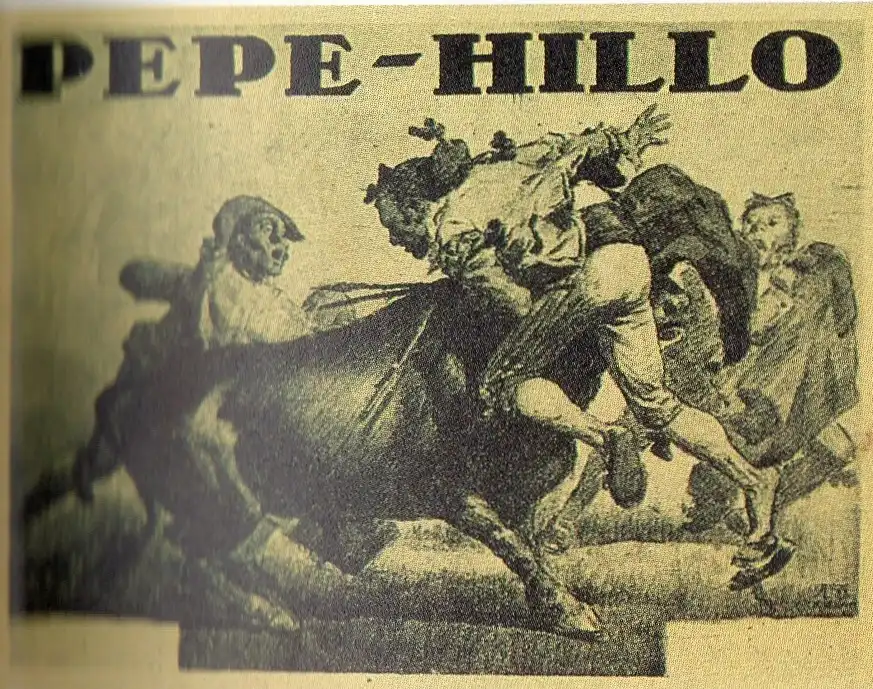
If you aren’t already into silent Spanish cinema, Pepe-Hillo is going to feel like a very long afternoon. It is specifically for people who want to see what 1928 thought a superstar looked like. If you’re looking for a fast-paced thriller, stay away. But if you want to see how the camera handled the cult of personality surrounding a bullfighter before sound took over, it’s worth a look.
The first thing you notice is the costumes. The 'traje de luces' looks incredibly stiff. Felipe Reyes, playing the lead, moves like he’s worried he might snap a thread. There’s a scene early on where he’s just standing there, and the camera lingers on the gold braid for what feels like an eternity. It’s not 'cinematic' in the way we think of it now; it’s more like the director, José Buchs, was just mesmerized by the texture of the fabric. You can almost feel the weight of the jacket through the screen.
The bullfighting scenes are weirdly edited. You get these quick cuts between real arena footage and the actors on a set that looks noticeably cleaner and more controlled. It breaks the tension every single time. One second you see a dusty, dangerous animal, and the next, you’re looking at a very calm actor in a studio with perfect lighting. It reminds me of the stagey feel in Stage Struck, where the artifice is part of the charm, even if it’s accidental.
María Antonieta Monterreal has these incredibly wide, expressive eyes. She doesn't have to do much, but she spends a lot of time looking worried in the background. There’s a shot where she’s clutching a shawl and watching the ring, and the light hits her face in a way that makes her look like a religious icon. It’s one of the few moments where the movie actually feels emotional rather than just descriptive. Her chemistry with Reyes is... fine. It’s mostly just them looking intensely at each other until someone walks out of the frame.
The middle part drags. There’s a lot of walking into rooms, sitting down, and then standing back up. People talk with their hands a lot, which is standard for the era, but here it feels particularly frantic. It’s a strange contrast to the slow, ritualistic movements of the bullfight itself. The movie gets noticeably better once it stops trying to explain the plot and just lets the atmosphere of the arena take over.
I noticed an extra in the crowd during one of the arena scenes who keeps looking directly at the camera and smiling while everyone else is supposed to be horrified. It’s a tiny thing, but it completely ruins the 'tragedy' of the moment. These are the kinds of human errors that make these old films feel alive, though. It’s less like a polished piece of art and more like a captured moment in time that nobody bothered to fix.
It isn't as tight as something like The Man Who Played God, which had a much better handle on how to keep a scene moving. Pepe-Hillo feels stuck between being a documentary and a soap opera. The ending is supposed to be this grand, tragic finale, but the editing is so choppy that you don't really feel the impact until the final title card tells you how to feel.
Still, there’s something about the way they filmed the dust in the ring. You can almost smell it. It’s a movie of textures—silk, dirt, and sweat. If you can get past the awkward pacing, those visual details are enough to keep you watching.
IMDb 7
1925
Community
Log in to comment.