DbcultAccessing Vault...
Cult Review
Senior Film Conservator
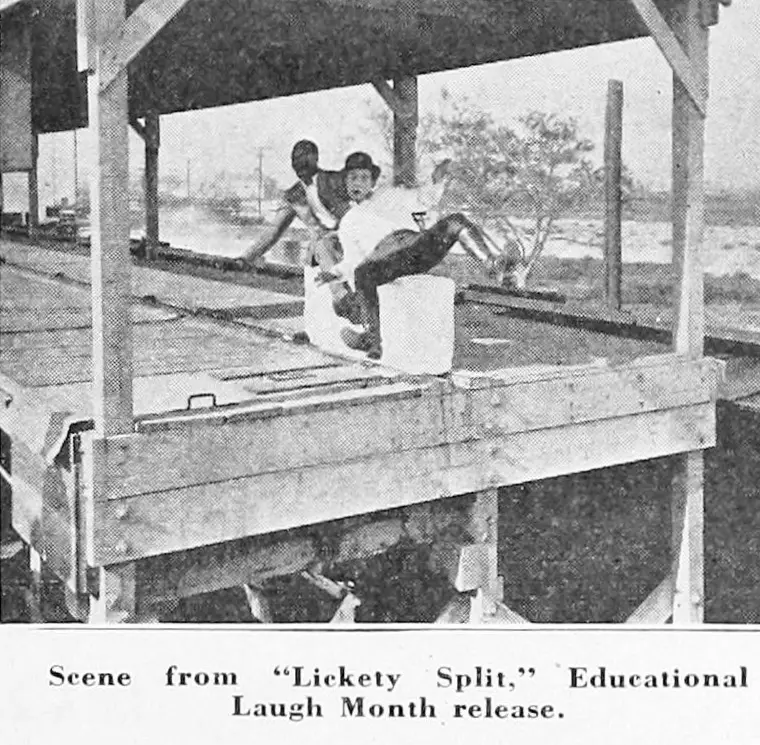
Is Lickety Split worth your time in an era of high-octane CGI? Short answer: Yes, but only if you have a stomach for the kind of physical comedy that looks like it actually hurt the performers.
This film is for the silent cinema completionist and the amateur historian of dangerous sports. It is absolutely not for anyone looking for a nuanced romantic arc or high-fidelity production values.
This film works because it leans into the inherent danger of its two primary settings: a massive industrial ice plant and an auto-polo field.
This film fails because the narrative glue between the two halves is thinner than the ice Lige Conley is sliding on.
You should watch it if you want to see the terrifying reality of 1920s auto-polo, a sport that essentially involved flipping cars for fun.
The first half of Lickety Split is a masterclass in low-friction choreography. Set within the labyrinthine confines of an ice plant, director Norman Taurog utilizes the environment as a primary antagonist. Lige Conley, playing the boss's son, possesses a rubbery physicality that rivals the greats of the era, though he lacks the pathos of Keaton. When the suitor arrives, the plant becomes a trap.
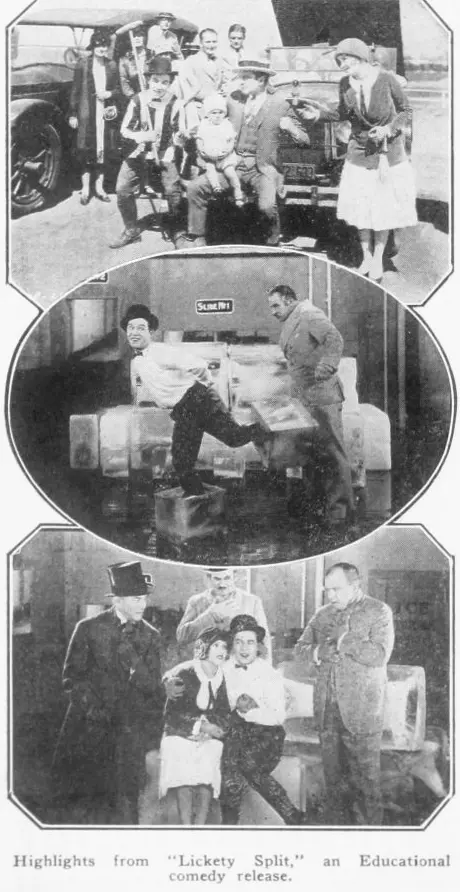
There is a specific moment where the suitor attempts to maintain his dignity while navigating a conveyor belt of frozen blocks. The result is a series of spills that feel uncomfortably real. Unlike modern slapstick, where the floor is padded and the physics are simulated, you can almost hear the thud of the actor’s spine hitting the concrete. It’s brutal. It’s simple. It works.
The cinematography here is functional rather than expressive. The camera stays wide to capture the full scope of the movement, a necessity when the gag depends on the relationship between the body and the environment. While it lacks the artistic flair seen in The Sporting Venus, it compensates with sheer kinetic energy.
The transition to the polo field marks a shift from domestic slapstick to mechanical mayhem. For those unfamiliar, auto-polo was a legitimate sport in the early 20th century, involving stripped-down Model Ts and a complete disregard for human life. Taurog captures this madness with a surprisingly steady hand.
The cars don't just drive; they leap, roll, and collide. Lige’s transformation from a bumbling heir to a motorized gladiator is the film's most satisfying arc. The suitor, now a villainous driver, provides a genuine sense of stakes. When a car tips over—a frequent occurrence in this sequence—the camera doesn't cut away. You see the actors scramble out from under the chassis. It is the kind of raw stunt work that makes modern action films look sanitized.
This sequence serves as a fascinating precursor to the high-speed antics found in later films like June Madness. There is a frantic, unpolished quality to the editing that mirrors the sputtering engines of the cars themselves.
Lickety Split is a relic of a time when 'safety second' was the unwritten rule of Hollywood. If you are interested in the evolution of the stunt, this is essential viewing. It offers a visceral connection to the past that more polished dramas like Half-a-Dollar Bill simply cannot provide.
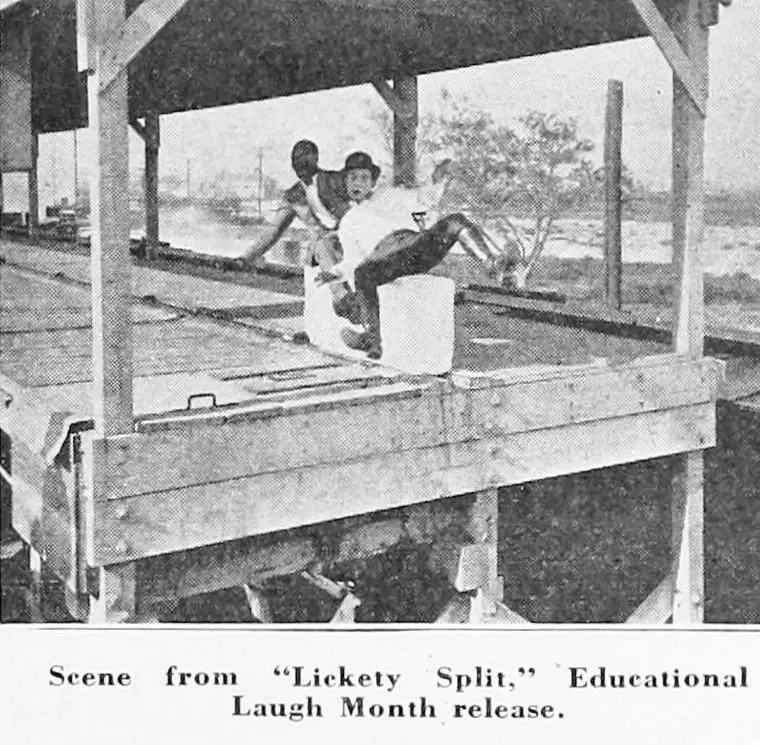
However, if you are looking for a cohesive story, look elsewhere. The plot is a mere excuse to move from point A (the ice) to point B (the cars). It’s a series of vignettes tied together by a romantic subplot that is as deep as a puddle. But for twenty minutes of pure, unadulterated chaos, it’s hard to beat.
Pros:
- Genuine, dangerous stunt work that CGI cannot replicate.
- Lige Conley’s impressive physical performance.
- A rare cinematic look at a forgotten, high-risk sport.
- Fast pacing that honors the title.
Cons:
- The 'romance' is entirely superficial.
- Some gags in the ice plant feel repetitive after the third fall.
- The villain is a one-dimensional caricature even by silent film standards.
Long before Norman Taurog was winning Oscars or directing Elvis Presley, he was a technician of the gag. In Lickety Split, you can see the foundations of his later efficiency. He understands that in a short comedy, the rhythm is the story. Every slip on the ice is timed to a specific beat, creating a visual percussion that keeps the audience engaged.
Compare this to the more theatrical approach of Good Night, Paul, and you see a director who is much more interested in the possibilities of the outdoor location. Taurog treats the ice plant not as a set, but as a machine. He moves his actors through it like parts in a clock. It’s cold, mechanical, and strangely beautiful in its precision.
The film’s stance on class is also worth noting, albeit briefly. Lige is the 'idle son,' a trope common in the 20s, but his redemption comes through manual dexterity and physical bravery rather than financial acumen. It’s a populist message wrapped in a muffler-less car. He wins the girl not because of his father’s money, but because he can survive a car crash better than the other guy.
Lickety Split is a loud, rattling, slippery piece of history. It isn't sophisticated. It isn't particularly clever. But it is honest in its pursuit of the thrill. In an age where every explosion is rendered in a server farm, there is something deeply refreshing about watching a man fall off a moving car into a cloud of real dust. It works. But it’s flawed. It’s a twenty-minute jolt of adrenaline that reminds us why we started watching movies in the first place: to see things we would never dare do ourselves.
"A bone-crunching relic that proves gravity is the best comedian."
IMDb —
1919
Community
Log in to comment.