DbcultAccessing Vault...
Cult Review
Senior Film Conservator
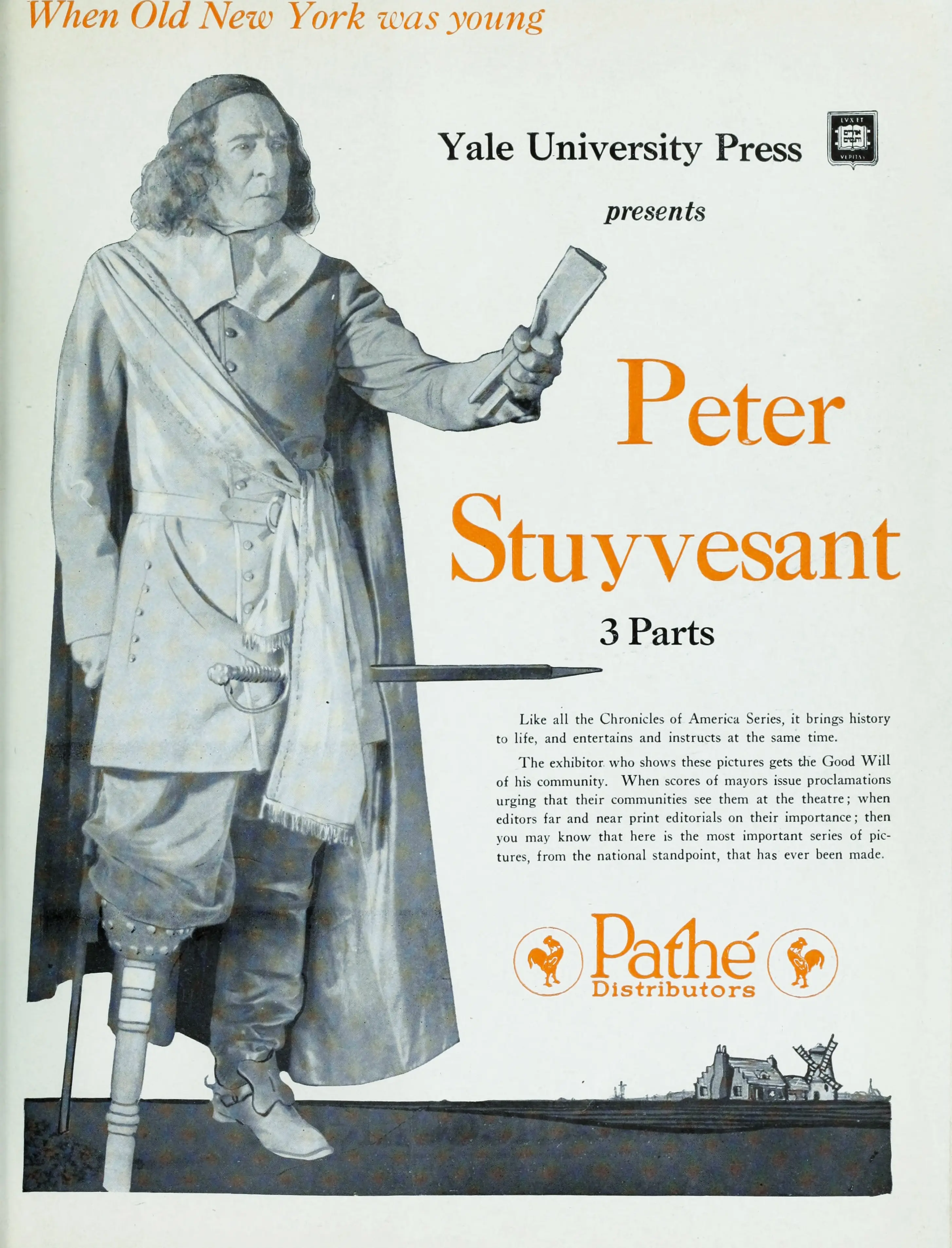
Peter Stuyvesant, a cinematic endeavor from 1935, presents an intriguing examination of autocratic governance in the fledgling New Amsterdam Colony. This period drama, directed with a keen eye for historical detail, immerses viewers in the tumultuous era of 1653 to 1665, a time when the seeds of what would become New York City were being sown.
The film centers on Peter Stuyvesant, portrayed by Charles Laite, whose performance as the Director General of the West India Company is marked by an unwavering commitment to authority. Stuyvesant's character is a complex study in leadership, oscillating between benevolence and despotism. His governance is typified by stringent measures aimed at maintaining order in the colony, often walking a fine line between necessary governance and oppressive rule.
The cast, featuring Pearl Sindelar and Osgood Perkins, brings depth to the narrative, their characters embodying the struggles and triumphs of life in the colony. The dynamics between these characters serve as a microcosm for the broader themes of power, loyalty, and survival in a nascent society.
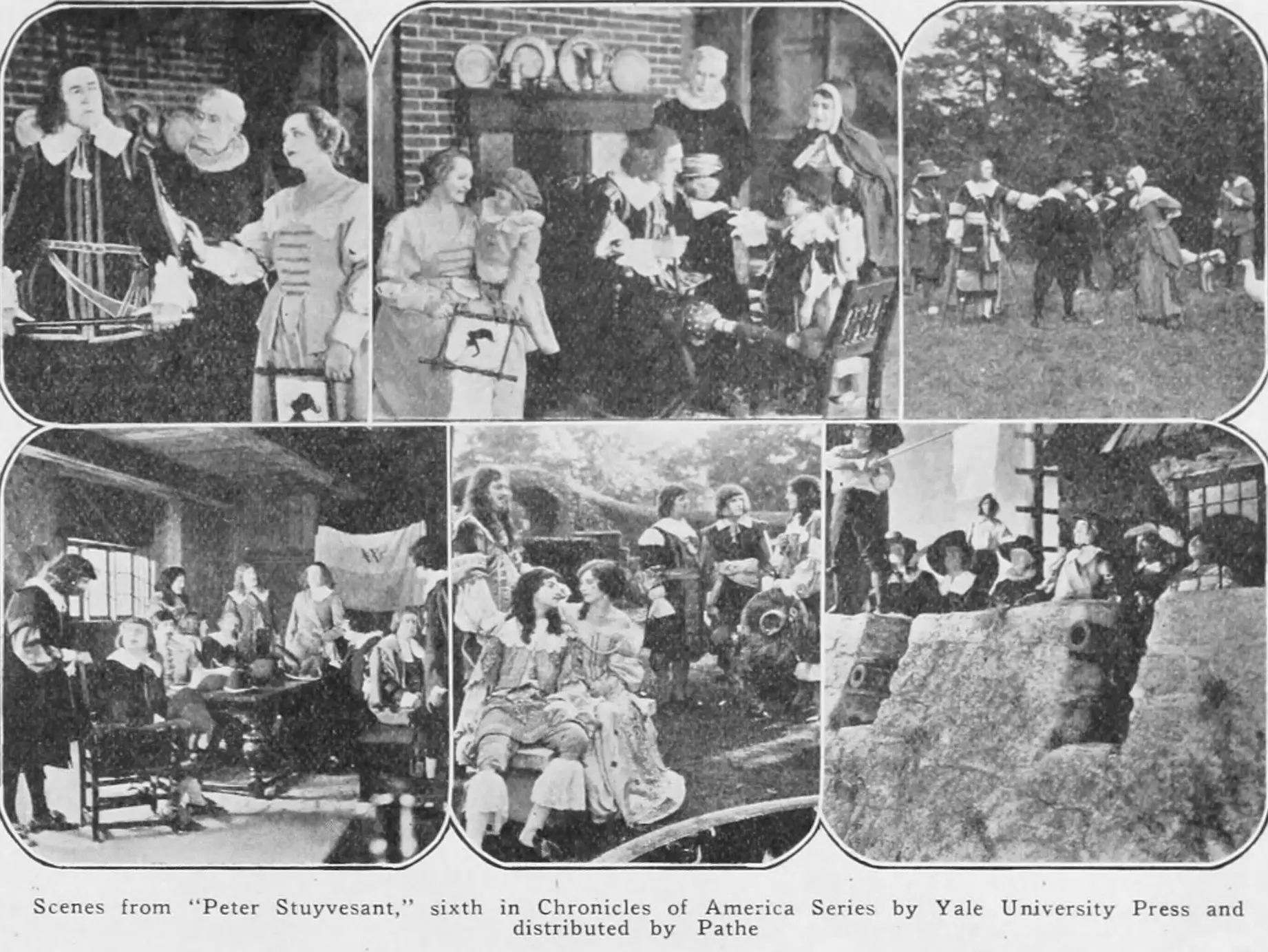
The screenplay, a collaborative effort by Dixon Ryan Fox and William B. Courtney, skillfully navigates the intricacies of historical events. It does not shy away from depicting the challenges faced by the early settlers, nor does it gloss over the contentious relationship between Stuyvesant and the people under his jurisdiction. This narrative approach lends the film a sense of authenticity, grounding it firmly in its historical context.
A comparison with other films of similar historical or thematic resonance reveals that The Yosemite Trail and Gates of Brass share a common thread in their exploration of leadership and societal development. However, Peter Stuyvesant distinguishes itself through its focused portrayal of a pivotal figure in American history and its detailed depiction of life in the New Amsterdam Colony.
The cinematography and set design are noteworthy, transporting viewers to the 17th-century colonial landscape. The attention to detail in recreating the era's architecture, attire, and social customs contributes significantly to the film's immersive quality. This meticulousness not only enhances the viewing experience but also underscores the filmmakers' dedication to historical accuracy.
In evaluating the film's broader themes, it becomes evident that Peter Stuyvesant engages with questions of governance, power, and the human condition. These are timeless issues that continue to resonate with contemporary audiences, lending the film a certain degree of relevance despite its historical setting. The portrayal of Stuyvesant's leadership, with its complexities and contradictions, serves as a catalyst for reflection on the nature of authority and its impact on society.
When juxtaposed with films like Mile-a-Minute Romeo and Das Geheimnis der Lüfte, which also explore themes of power and human relationships, Peter Stuyvesant stands out for its nuanced treatment of historical events and its balanced character development. The film's ability to weave a compelling narrative from the intricate details of early American history is a testament to its craftsmanship.
The performances in Peter Stuyvesant are commendable, with Charles Laite delivering a particularly noteworthy portrayal of the titular character. His ability to convey the weight of responsibility and the challenges of leadership adds depth to the film, making it a compelling watch for those interested in historical dramas.
In conclusion, Peter Stuyvesant offers a captivating glimpse into a pivotal moment in American history. Through its detailed depiction of life in the New Amsterdam Colony and its exploration of the complexities of leadership, the film provides a rich viewing experience. It is a commendable effort in historical storytelling, one that will appeal to audiences with an interest in the early history of America and the intricacies of human relationships in the face of adversity.
Ultimately, Peter Stuyvesant is a film that warrants attention for its historical significance and its thought-provoking themes. It joins a pantheon of films like The Daughters of Men, An Auto Nut, and From Hand to Mouth in offering a unique perspective on human experiences and societal development.
IMDb 7.4
1932
Community
Log in to comment.