DbcultAccessing Vault...
4.6/10
Senior Film Conservator
A definitive 4.6/10 rating for a film that redefined the boundaries of cult cinema. The Black Box remains a cornerstone of transgressive art.
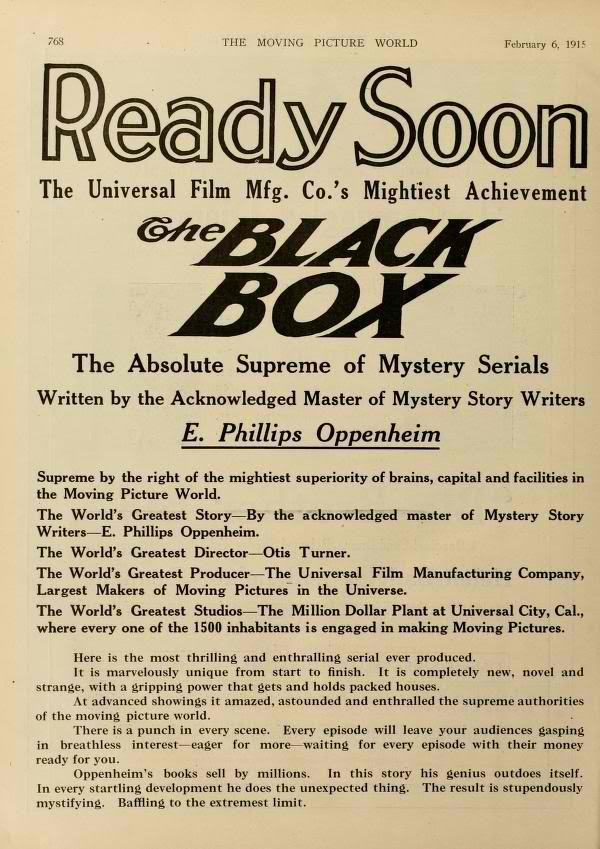
Stepping back into the nascent years of cinematic storytelling, one encounters a fascinating artifact in the form of "The Black Box," a 1915 serial that masterfully wove together the burgeoning genres of detective fiction and speculative science. This isn't merely a relic; it's a vibrant testament to the era's boundless imagination, a narrative tapestry where the eerie premonition of technological advancement meets the primal dread of an unsolved murder. Directed with a flair for the dramatic and penned by the collaborative genius of Otis Turner, Jeanie Macpherson, and E. Phillips Oppenheim, this film plunges its audience into a labyrinthine mystery that, even today, retains a compelling, almost prophetic quality.
At its heart, "The Black Box" is a grand, intricate puzzle, a series of bizarre homicides orchestrated by an elusive perpetrator whose methods are as perplexing as his motives. Each victim is preceded by the arrival of a small, eponymous black box, a chilling harbinger filled with cryptic messages—a macabre calling card that taunts and confounds. The film’s protagonist, a private detective, is not your conventional trench-coat-clad sleuth. Instead, he’s a pioneer, utilizing what, for 1915, were astounding "futuristic technical inventions" to aid his investigation. Imagine the awe of contemporary audiences witnessing early forms of surveillance, forensic analysis, and communication devices, all deployed in the relentless pursuit of justice. This integration of nascent technology isn't just a plot device; it's a character in itself, shaping the very fabric of the mystery and elevating it beyond a mere whodunit into something far more visionary.
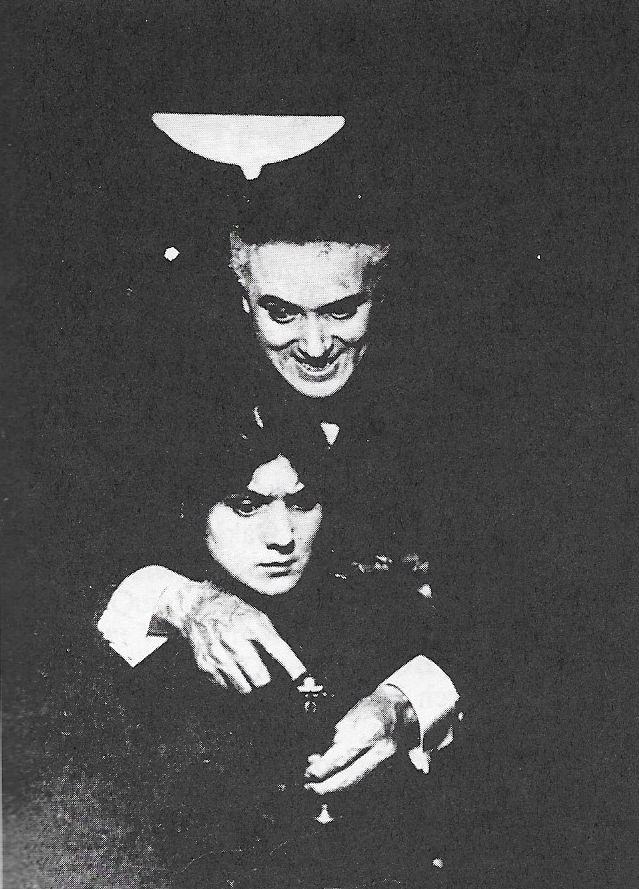
The narrative unfurls with a deliberate, almost hypnotic rhythm, each episode peeling back a layer of the onion, revealing new suspects, new clues, and deeper complexities. The writers—Turner, Macpherson, and Oppenheim—demonstrate a remarkable foresight, crafting a story that understands the power of serialized suspense. Unlike many contemporary dramas, "The Black Box" refuses to settle for simple resolutions, instead embracing a narrative structure that continuously raises the stakes, challenging both its characters and its viewers to piece together a fragmented reality. This episodic format, while common for the era, feels particularly well-suited to the intricate unfolding of a high-tech mystery, allowing for the gradual introduction of its innovative gadgets and the slow, agonizing reveal of the killer’s identity. The very concept of the black box, a physical manifestation of the killer's taunts and a vessel for his cryptic missives, becomes a central, unnerving motif, driving the narrative forward with an almost psychological intensity.
The ensemble cast of "The Black Box" delivers performances that, while constrained by the conventions of silent cinema, manage to convey a surprising depth of emotion and character. Laura Oakley, as a central figure, brings a compelling intensity to her role, navigating the perils and uncertainties of the unfolding drama with a captivating blend of vulnerability and resolve. Her expressive eyes and deliberate gestures communicate volumes, drawing the audience into her plight as she confronts the technological and criminal threats. Oakley's portrayal is a masterclass in silent acting, conveying intellectual prowess and emotional strain without uttering a single word, making her detective both relatable and heroic.
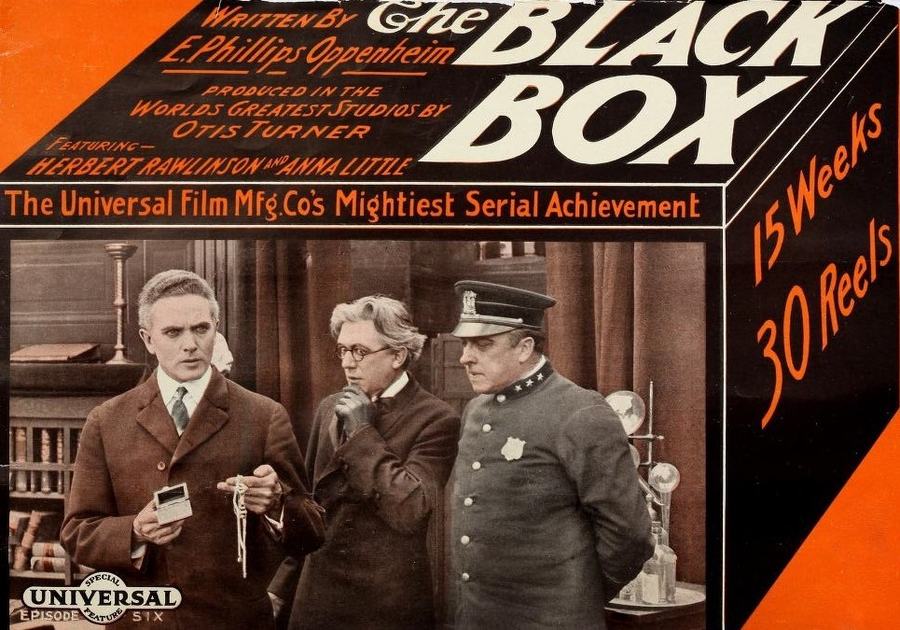
Osborne Chase, often playing figures of authority or mystery, embodies the gravitas required for a story of this magnitude. His commanding presence lends an air of serious consequence to every scene, grounding the fantastical elements of the plot in a believable human struggle against an unseen foe. Frank Lloyd, Beatrice Van, and Hylda Hollis contribute significantly to the film’s rich tapestry of characters, each sketching out distinct personalities that populate the world of intrigue. Lloyd, with his often brooding or determined demeanor, adds another layer to the potential suspects or allies, keeping the audience guessing. Van and Hollis, in their respective roles, provide crucial emotional anchors or dramatic foils, their performances highlighting the societal anxieties and personal stakes inherent in such a bizarre series of events. Even in the absence of spoken dialogue, their artistry shines through, making their characters memorable and integral to the narrative's progression.
The supporting cast, including Dorothy Brown, J. Edwin Brown, Herbert Rawlinson, Duke Worne, Mark Fenton, Lionel Bradshaw, Ann Little, William Worthington, Helen Wright, Frank MacQuarrie, and Harry Tenbrook, each play their part in constructing this intricate world. Their contributions, though perhaps smaller in screen time, are vital in building the atmosphere of suspicion and urgency. Rawlinson, for instance, a prominent leading man of the era, lends his familiar, trustworthy screen persona to the proceedings, potentially misdirecting or reassuring audiences depending on his character's arc. The collective effort of these actors creates a believable, if heightened, reality where the extraordinary events of "The Black Box" can unfold with maximum impact. Their ability to convey complex emotions and motivations through pantomime and facial expressions is a testament to the unique demands and artistry of the silent era, transforming mere gestures into profound narrative beats.
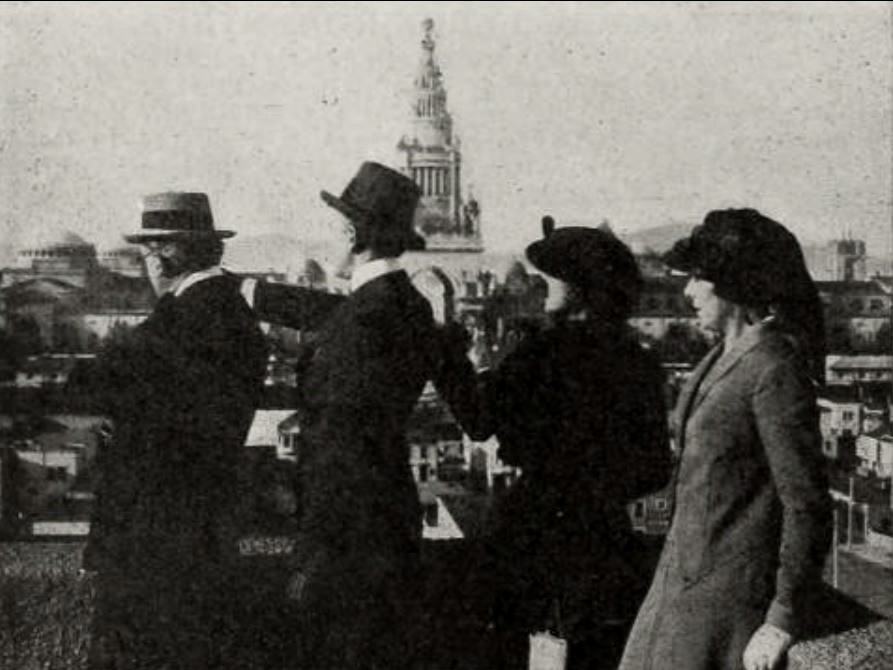
Otis Turner’s direction of "The Black Box" is noteworthy for its sophisticated approach to suspense and its innovative use of early cinematic techniques. He understood the power of visual storytelling, employing close-ups to emphasize emotional states and wide shots to establish the ominous settings where the crimes occur. The pacing is remarkably adept for a serial, maintaining a consistent tension across multiple episodes without succumbing to narrative fatigue. Turner’s ability to orchestrate complex sequences involving the "futuristic technical inventions"—from early forms of wiretapping to primitive video communication devices—showcases a directorial ambition that pushed the boundaries of what was thought possible in filmmaking at the time. He didn't just film a story; he crafted an experience, drawing the audience into the detective's arduous journey with every frame, making the unfolding mystery feel immediate and palpable.
The writing team, comprising Otis Turner himself alongside Jeanie Macpherson and E. Phillips Oppenheim, deserves significant praise for their ambitious and intricate plot. Oppenheim, a prolific British novelist known for his thrilling espionage and crime stories, brought a seasoned hand to the intricate plotting and character development, ensuring a labyrinthine but ultimately coherent narrative. Macpherson, a pioneering female screenwriter in an industry often dominated by men, contributed a keen understanding of dramatic structure and emotional resonance, crafting compelling character arcs and high-stakes scenarios. Together, they forged a narrative that was not only thrilling but also intellectually stimulating, demanding active participation from its audience. This collaborative synergy resulted in a screenplay that was both ahead of its time and deeply rooted in the popular appetite for intricate detective tales, elevating the serial format beyond mere cliffhangers to a genuine exploration of crime and technology.
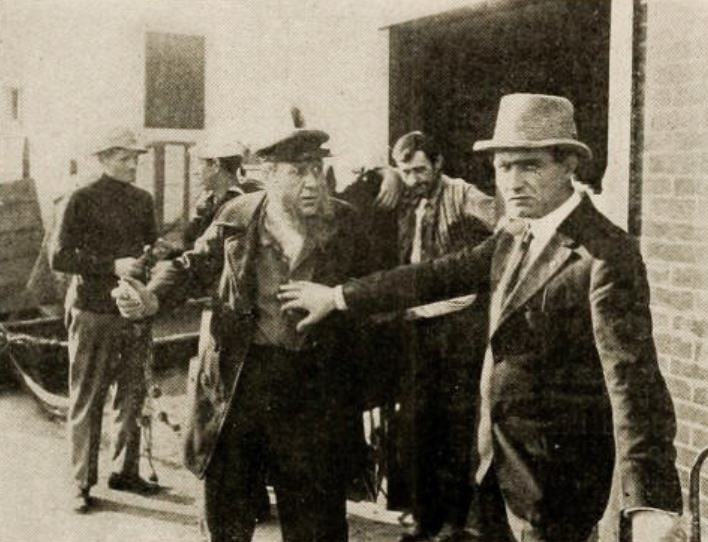
Perhaps the most striking aspect of "The Black Box" for a modern viewer, and certainly for its original audience, is its remarkably prescient depiction of technology. For a film released in 1915, the "futuristic technical inventions" are nothing short of astonishing. We see devices that function as early prototypes for surveillance cameras, voice recorders, and even rudimentary forms of remote communication—ideas that must have seemed like pure fantasy to many viewers. These weren't mere fantastical elements; they were integrated organically into the detective's methodology, making him a true pioneer of forensic science. The film shows characters interacting with what appear to be early video screens, listening to recordings of conversations, and tracking movements with unseen devices. This aspect distinguishes "The Black Box" from many of its contemporaries, imbuing it with a proto-science fiction sensibility that resonates even today. It poses questions about privacy, the power of information, and the ethics of advanced tools—themes that remain profoundly relevant over a century later. The film essentially predicted a future where technology would be an indispensable tool in solving crimes, a vision that has, of course, been fully realized, making its early speculations eerily accurate.
To fully appreciate "The Black Box," it’s beneficial to place it within the broader landscape of early cinema. Its serialized nature and focus on crime and detection draw parallels with other popular serials of the time. One cannot discuss early American mystery serials without acknowledging the groundbreaking What Happened to Mary, released just a few years prior. While "Mary" focused more on melodramatic suspense and a disappearing heiress, "The Black Box" elevates the genre with its explicit embrace of technological innovation and a more complex criminal mastermind. Where "Mary" captivated with its narrative hooks and cliffhangers, "The Black Box" adds an intellectual layer, inviting viewers to engage with the mechanics of detection itself, moving beyond mere narrative twists to a more procedural, albeit fantastical, approach to crime-solving.
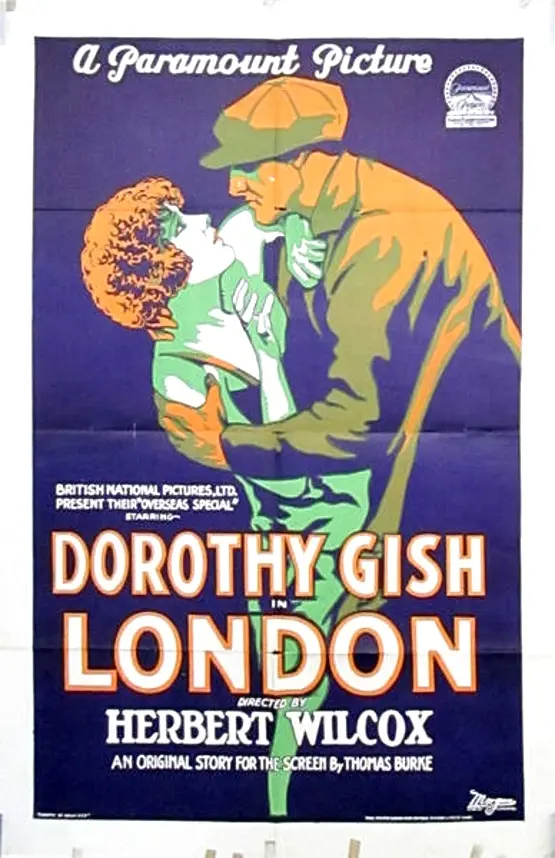
Furthermore, in its depiction of urban intrigue and the shadowy corners of society, "The Black Box" shares thematic resonance with films like Lights of London (1914). While "Lights" delved into the stark realities of poverty and crime within a metropolitan setting, "The Black Box" uses the urban landscape as a backdrop for a more cerebral, technologically-driven hunt. Both films, however, excel at creating an atmosphere of suspense and danger, reflecting a societal fascination with the darker underbelly of burgeoning modernity. The contrast in their approaches highlights the diverse ways in which early filmmakers explored crime—one focusing on social realism, the other on futuristic ingenuity. The methodical, almost surgical precision of the killer's plan in "The Black Box" also brings to mind the intricate plotting seen in dramatic thrillers like Vendetta (1914), where a complex, long-term scheme drives the narrative, albeit with different motivations. This comparison underscores the sophistication of "The Black Box"'s narrative construction, placing it among the more ambitious storytelling endeavors of its era.
The intricate plotting and the long-game aspect of the killer's plan might even, in a stretch, evoke the narrative ambition seen in adaptations of classics like The Count of Monte Cristo, which, while focusing on revenge rather than detection, share a common thread of meticulously planned, multi-stage schemes. While "The Black Box" is firmly rooted in the detective genre, its scale and the methodical nature of its central conflict hint at a similar grandiosity in narrative construction, demonstrating that early cinema was not shy about tackling complex, sprawling narratives.
"The Black Box" stands as a remarkable achievement in early cinema, a film that dared to look beyond its immediate present and envision a future where technology would irrevocably alter the landscape of crime and justice. Its blend of high-stakes mystery, pioneering gadgets, and compelling performances solidified its place as a significant entry in the annals of silent film. The serial format, often dismissed today as a simpler form of storytelling, here proves itself a powerful vehicle for sustained suspense and character development, building week-to-week anticipation that few modern series can match. It's a reminder that innovation wasn't born with sound or color; it was inherent in the very fabric of early filmmaking, driven by creative minds eager to push the boundaries of this new art form.
For enthusiasts of silent film, detective stories, or even the nascent stages of science fiction, "The Black Box" offers a rich and rewarding experience. It’s more than just a historical curiosity; it’s a vibrant, engaging piece of storytelling that speaks to timeless themes of good versus evil, the relentless pursuit of truth, and humanity’s unending fascination with the unknown. Its influence, though perhaps subtle, can be traced through subsequent decades of thrillers and sci-fi narratives, making it a foundational text for understanding the evolution of popular genre cinema. This is a film that challenges us to consider not only what was, but what could be, a true black box of cinematic wonder, still echoing with its prescient vision and thrilling mysteries over a century later.
IMDb —
1936
Community
Log in to comment.