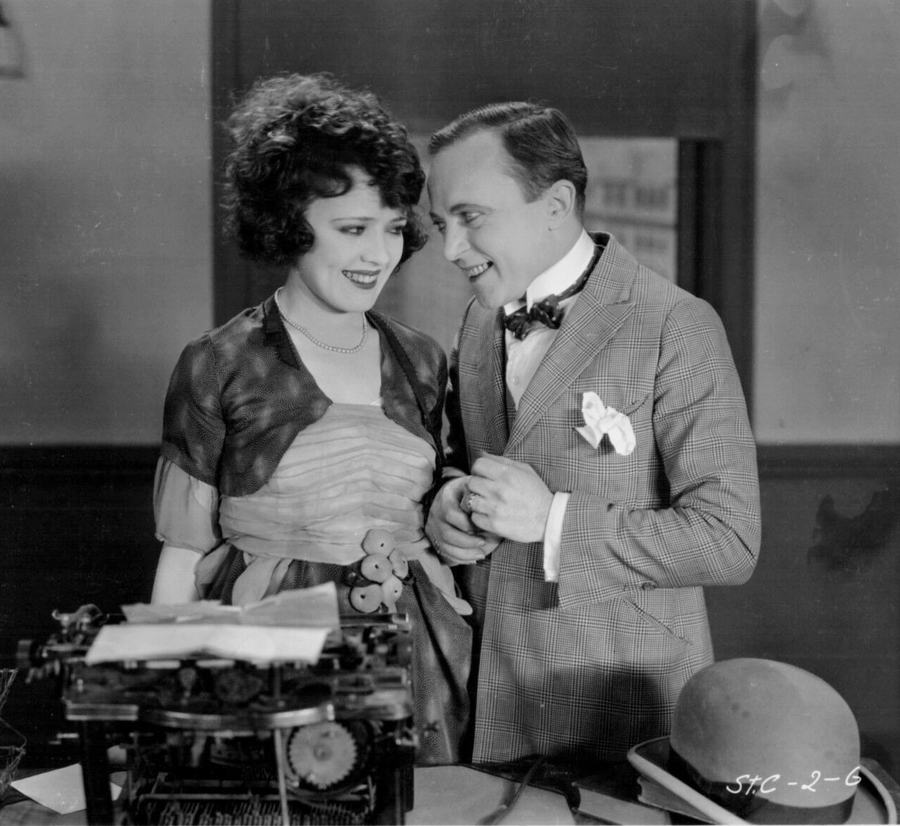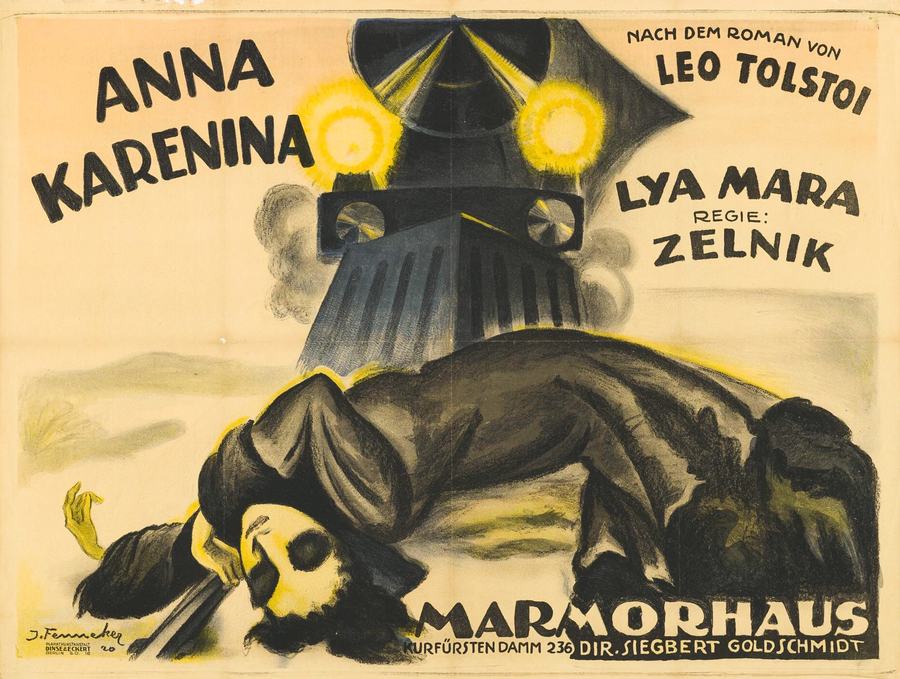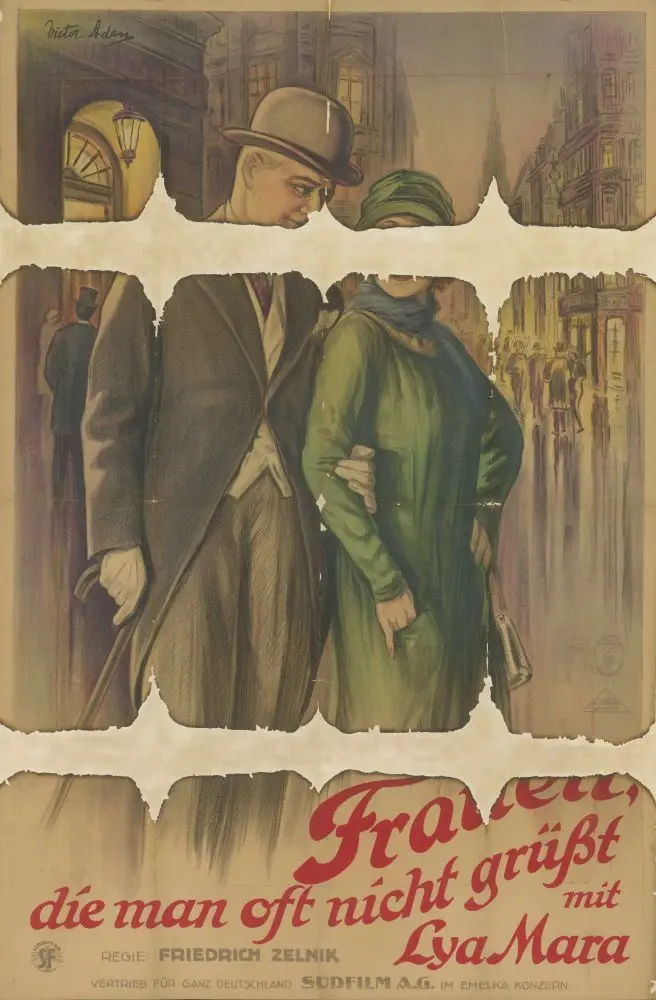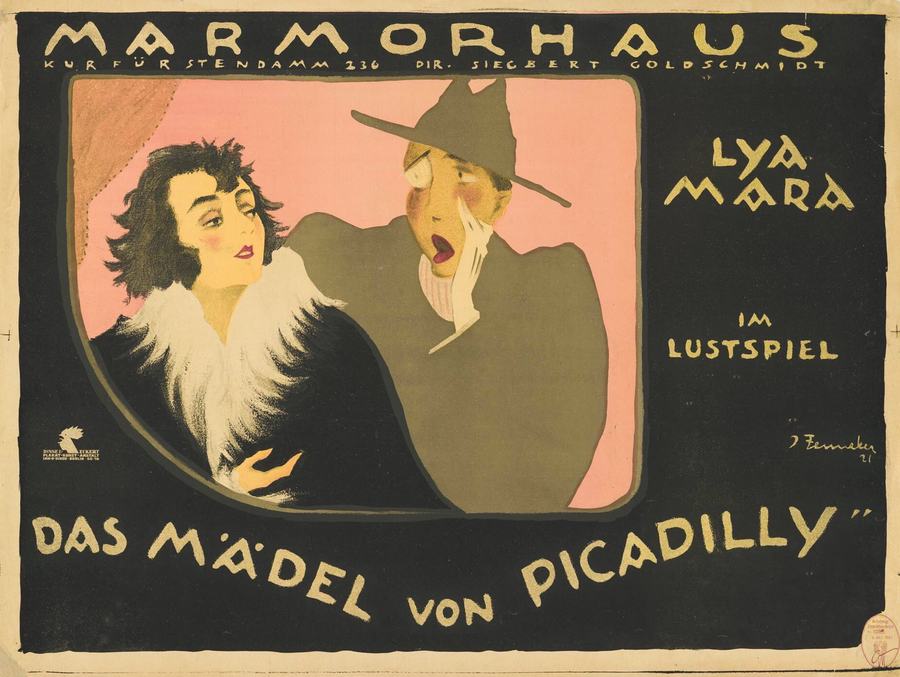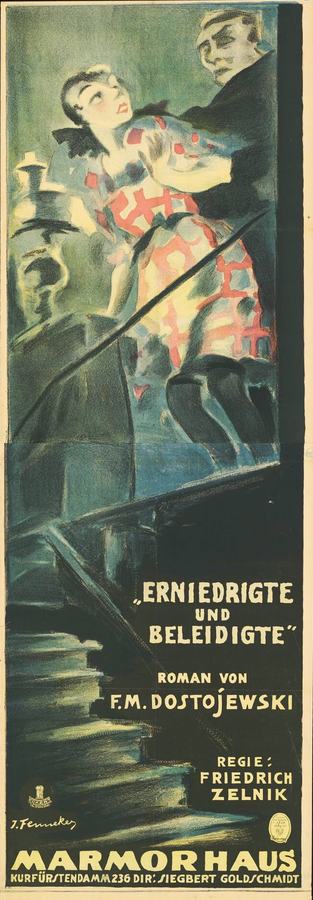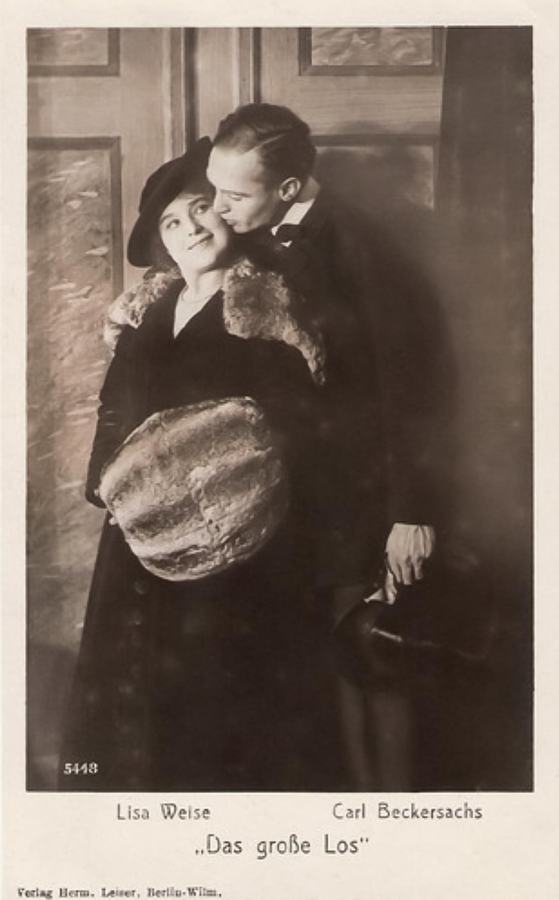
The year 1917 stands as a monumental pivot in the history of global aesthetics, and within the burgeoning German film industry, Das große Los serves as a fascinating specimen of pre-Expressionist narrative audacity. While the world outside the studio walls was embroiled in the cataclysm of the Great War, Rudolf Strauß ...
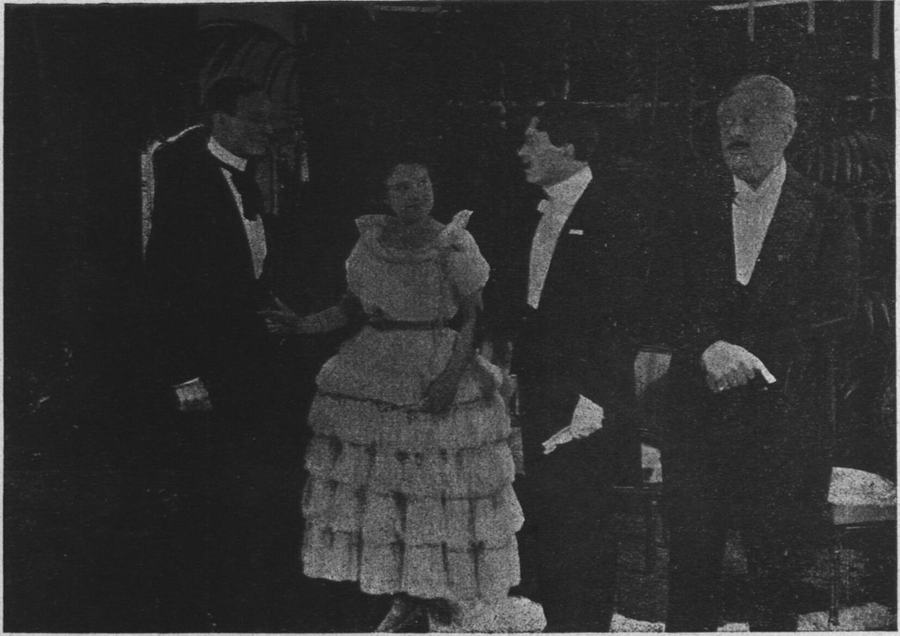
publicity
Comparing the cinematic DNA and archive impact of two defining moments in cult history.
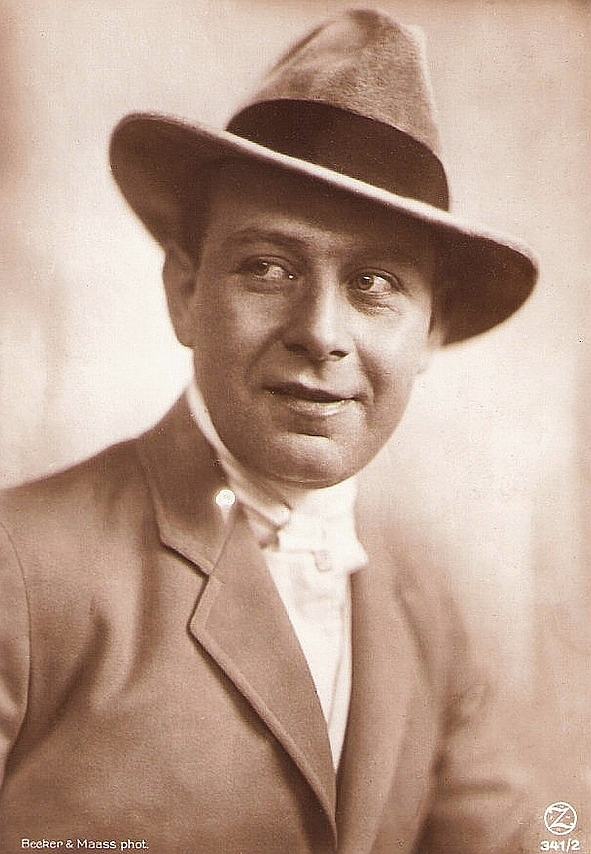
Frederic Zelnik
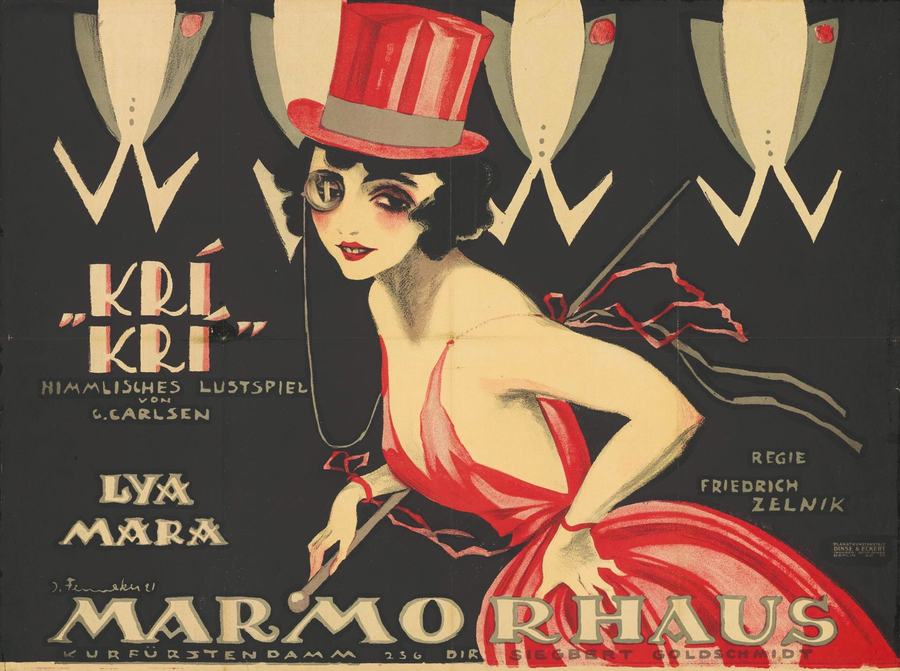
Frederic Zelnik
Community
Log in to comment.
"The year 1917 stands as a monumental pivot in the history of global aesthetics, and within the burgeoning German film industry, Das große Los serves as a fascinating specimen of pre-Expressionist narrative audacity. While the world outside the studio walls was embroiled in the cataclysm of the Great War, Rudolf Strauß and Karl Singer crafted a script that looks inward, dissecting the aspirations and foibles of the common man with a surgical precision that feels startlingly contemporary. This is ..."