DbcultAccessing Vault...
Cult Review
Senior Film Conservator
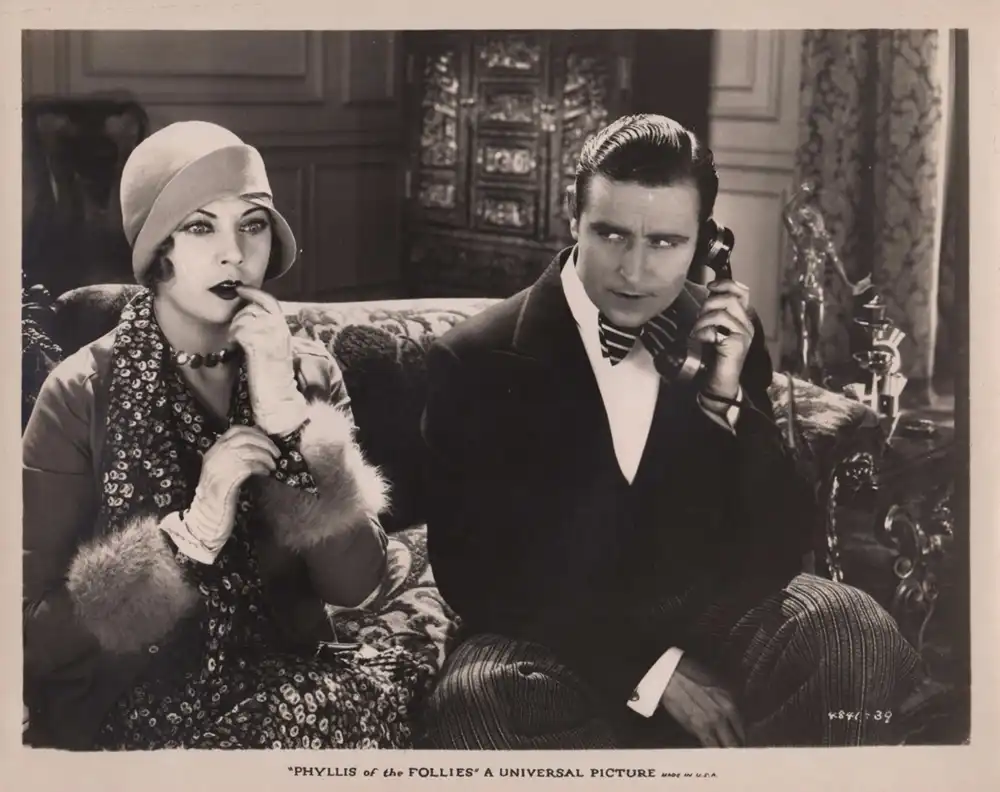
So, Phyllis of the Follies. Look, if you’re coming to this expecting some rediscovered masterpiece, turn back now. Seriously. This is for the dedicated silent film completist, the person who genuinely enjoys picking apart the quirks of old movies, or someone just curious about what a B-picture from that era felt like. Anyone else? You’ll probably be bored, maybe even a little frustrated. It’s a bit of a slog, but it has its moments, if you know where to look.
Alice Day, as Phyllis, has this wide-eyed intensity that works in some scenes and feels completely out of place in others. When she’s on stage, doing her Follies number, there’s a genuine spark there. You believe she’s enjoying the spotlight. But then you cut to a dramatic confrontation in a dressing room, and it’s like she’s still playing to the back row. The gestures are too big, the expressions a shade too theatrical. You can almost feel the director, or maybe just the expectations of the time, pushing her to play everything at a ten.
There’s a scene early on where Phyllis is trying to get a job, and the stage manager, played by someone whose name escapes me right now but he has this wonderfully sleazy mustache, just stares at her for what feels like an eternity. It’s supposed to be intimidating, I guess, but it just goes on and on. You start to wonder if the projectionist fell asleep, or if they just didn't know how else to convey tension. The silence stretches, and it flips from dramatic to unintentionally funny right around the 15-second mark.
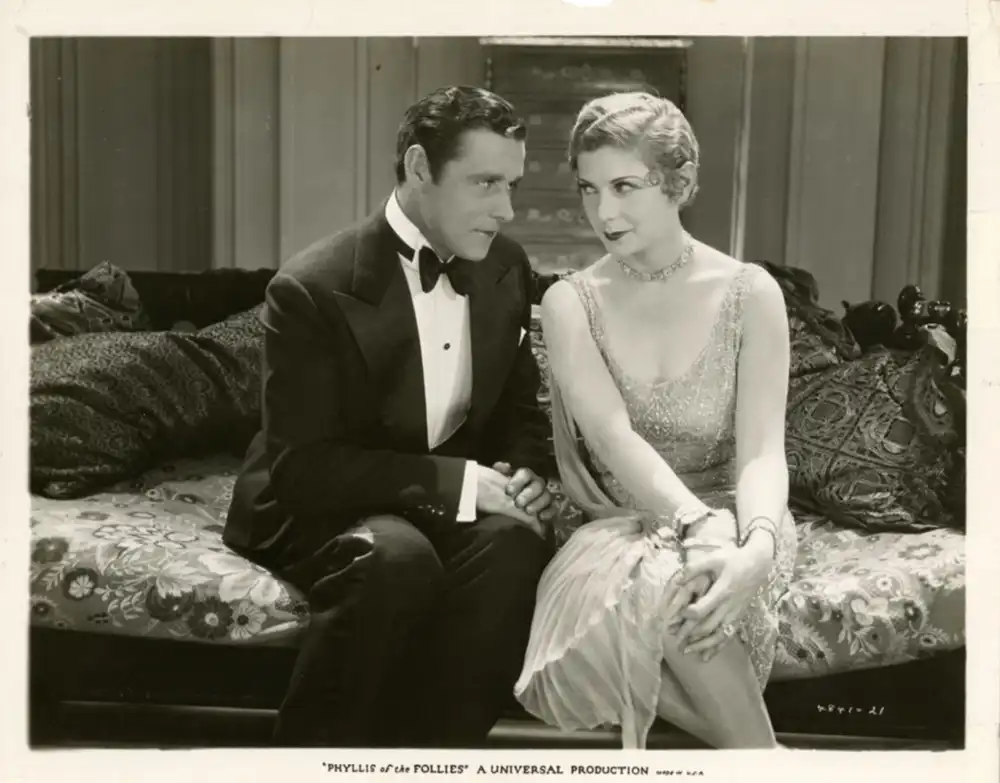
The pacing is… well, it’s a journey. Some scenes zip by with a surprising energy, especially anything involving the actual Follies performances. The quick cuts of legs kicking and feathers flying, those actually work. Then you get to a conversation between Phyllis and her main love interest, Edmund Burns’ character, and it just stops. They sit, they look at each other, an intertitle pops up with some fairly generic dialogue, then they look at each other some more. It’s not contemplative; it’s just slow. You can practically hear the film stock running out.
And the costumes. Oh, the costumes. Phyllis has this one dress, a sort of vaguely Grecian-inspired number, that just looks cheap under the stage lights. Like it was pulled off a rack ten minutes before the shoot. Then, in the very next scene, she’s in a beautifully tailored coat. The consistency is all over the place. It pulls you out of it, even for a moment. You think, "Wait, is she rich now? Did she just win the lottery between scenes?"
Lilyan Tashman, as the rival showgirl, is actually pretty good. She doesn't have a lot to do beyond sneer and try to sabotage Phyllis, but she does it with a certain relish. Her eye-rolls are legendary. Every time she’s on screen, there's a little jolt of energy. She understands the assignment, even if the assignment is just to be broadly villainous. You kind of root for her to get more screentime, just to liven things up.
There’s a particularly odd cut during a chase scene – yes, there’s a chase scene. One minute, Phyllis is running through a dimly lit alley, clearly terrified. The next, she’s suddenly on a busy street, completely out of breath, but also perfectly framed as if she’d just posed for a portrait. It’s jarring. Like they shot the two halves of the scene weeks apart and hoped no one would notice the sudden change in environment and lighting.
The whole thing feels a bit like a collection of ideas that never quite gelled. There’s a subplot about a gambling debt that feels tacked on, almost an afterthought. It pops up, creates a bit of manufactured drama, then fades away without much consequence. You never really feel the stakes of it. You just know it’s there because the intertitle told you someone is in trouble.
But then, there's this one moment. Phyllis is alone in her apartment, looking out the window at the city lights. It’s a quiet shot, no dramatic music, just her face, illuminated softly. For a second, you see past the Follies glamour, past the theatrical acting, and just get a glimpse of a young woman who’s tired and maybe a little lonely. It’s a fleeting moment, maybe ten seconds, but it’s the most real thing in the entire film. It’s a shame there aren’t more of those.
The ending is… fine. It wraps things up tidily, as these films often did. Everyone gets what they deserve, mostly. It doesn’t leave you with much to think about, or really, much of an impression beyond the occasional strange edit or overlong reaction shot. It’s a product of its time, for sure, and perhaps that’s its main appeal: a window into how movies used to be made, with all their imperfections on full display.
If you're looking for other films that feel a bit disjointed but offer a window into early cinema, you might try What Women Did for Me or even The Perfect Flapper, though both have their own unique pacing issues. Phyllis of the Follies isn't going to redefine your understanding of cinema, but it’s there, it exists, and if you’re in the right mood, it can be a strangely compelling watch.
IMDb 5
1931
Community
Log in to comment.