DbcultAccessing Vault...
Cult Review
Senior Film Conservator
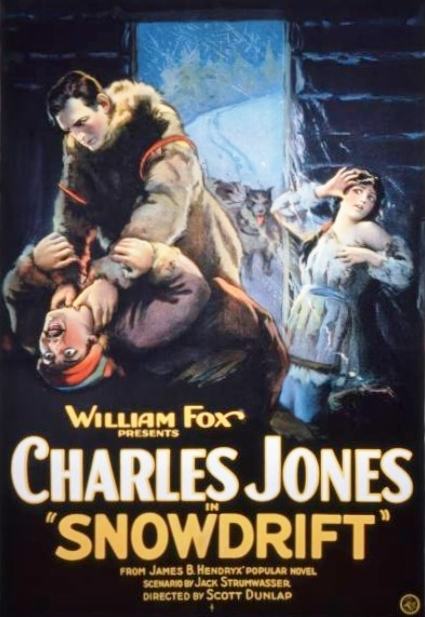
Stepping back into the cinematic tapestry of the 1920s, one often finds gems that, despite their age and the absence of spoken dialogue, resonate with timeless human drama. Snowdrift, the 1923 silent Western, emerges as precisely such a artifact, a film that, while perhaps not as widely known as some of its contemporaries, offers a compelling narrative rich with themes of redemption, identity, and the raw, untamed spirit of the American frontier. Directed with a keen eye for both grand vistas and intimate emotional moments, this picture presents a fascinating blend of adventure and social commentary, all set against the breathtaking, yet often brutal, backdrop of the Yukon. It’s a testament to the power of visual storytelling, where the nuances of a glance or the intensity of a physical struggle carry the weight of entire conversations.
From its very inception, Snowdrift plunges us into a world defined by both opportunity and profound moral decay. Our protagonist, Carter Brent, portrayed with a rugged charisma by the ubiquitous Buck Jones, is introduced not as a hero, but as a man adrift. A mining engineer of considerable skill, his talents are tragically overshadowed by an insatiable hunger for the gamble, a fatal flaw that has stripped him of his fortune and, seemingly, his self-respect. The Yukon, a land that promises boundless wealth, becomes for Carter a crucible of his own making, where the icy grip of desperation threatens to consume him entirely. He is a figure teetering on the precipice of ruin, his once-promising future dissolving into the hazy, smoke-filled interiors of gambling dens. Jones, a stalwart of the silent Western, imbues Brent with a palpable sense of weariness, a man burdened by his own poor choices, yet hints at a lingering spark of decency beneath the hardened exterior. This initial portrayal masterfully sets the stage for a profound character arc, a journey from moral destitution to a hard-won rebirth.
Central to the film's emotional core is the eponymous character, Snowdrift, brought to life with captivating grace by Gertrude Ryan. Her initial introduction is steeped in the prevalent, often misguided, social perceptions of the era. She is reputed to be a 'half-breed,' a label that, in the context of early 20th-century frontier narratives, often carried a heavy weight of exoticism, prejudice, and societal otherness. This designation immediately sets her apart, creating an aura of mystery and vulnerability around her. However, the narrative, with a clever twist, reveals her true heritage: Snowdrift is, in fact, a Caucasian orphan, lovingly reared by a Native American woman. This revelation is more than a mere plot device; it's a poignant exploration of identity, challenging the very notion of what defines a person. Is it bloodline, or is it the love and culture that shapes one's upbringing? The film subtly, yet effectively, interrogates the superficiality of racial categorization, suggesting that true character transcends such arbitrary boundaries.
Gertrude Ryan's performance is crucial in conveying the complexity of Snowdrift's character. She navigates the delicate balance between the societal perception of her and her inner strength, portraying a woman who is both resilient and tender. Her silent expressions communicate a deep well of emotion, from quiet dignity to profound fear. This theme of concealed identity and the societal pressures it engenders finds a distant, albeit thematically related, echo in films like Within Our Gates, which, though tackling vastly different and more explicit racial injustices, similarly explores the intricate and often painful dance of racial identity and perception in American society. While Snowdrift approaches this through a romanticized lens of mistaken identity, it nonetheless touches upon the anxieties and prejudices surrounding 'otherness' that were prevalent in its time.
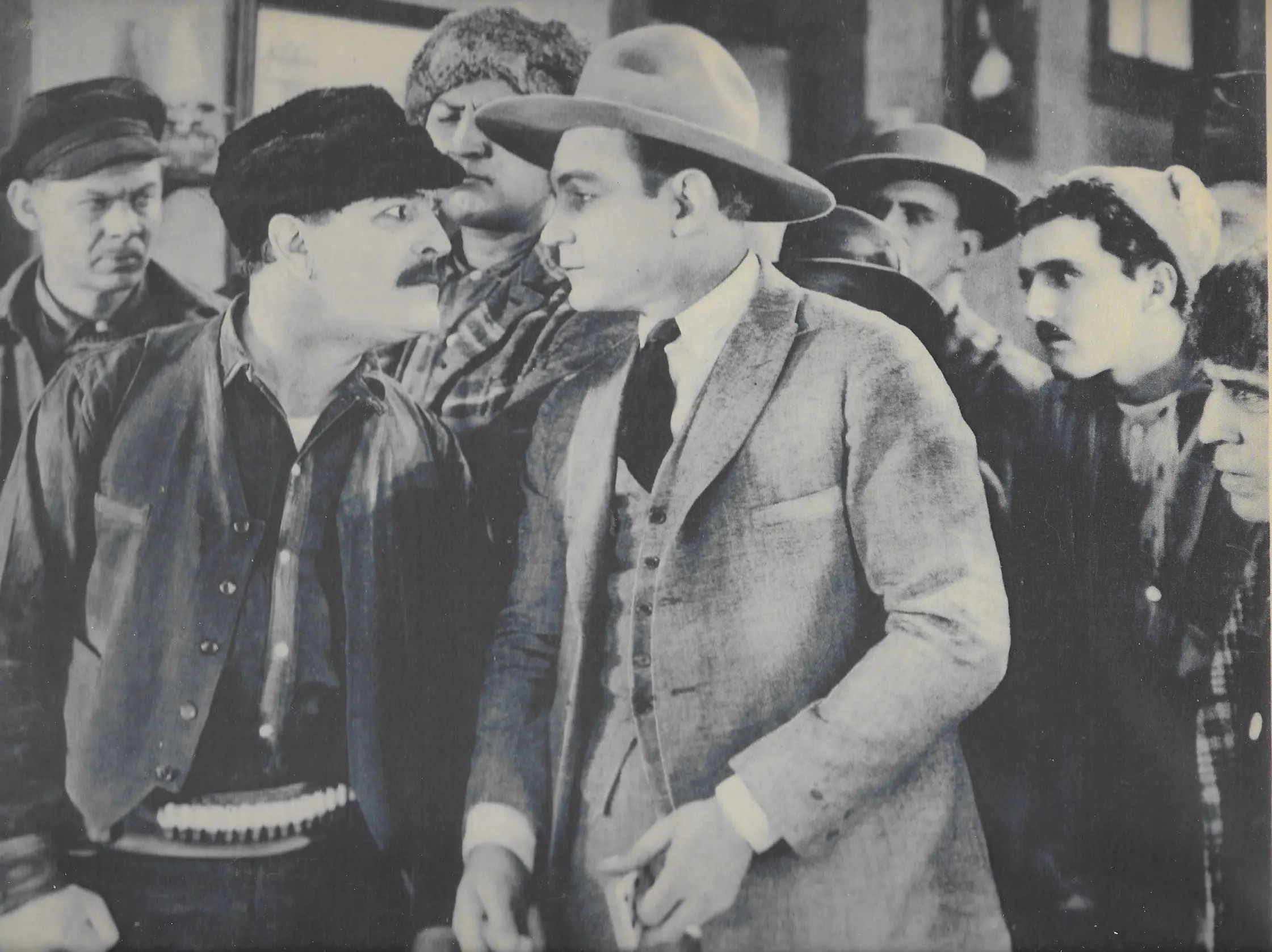
The heart of Snowdrift beats strongest in the unfolding relationship between Carter and Snowdrift. It is through his association with her that Carter Brent begins his profound journey of regeneration. Snowdrift acts as a moral compass, a beacon of purity and resilience in the bleak landscape of his self-inflicted despair. Her quiet strength and unassuming goodness chip away at his hardened cynicism, reigniting the embers of his latent heroism. The film meticulously charts this transformation, not through grand pronouncements, but through subtle shifts in Carter's demeanor, his growing protective instinct, and his increasing willingness to sacrifice for something beyond his own fleeting desires. This isn't merely a romantic entanglement; it's a spiritual awakening, where love becomes the engine of redemption. The narrative skillfully avoids making Snowdrift a mere damsel in distress; instead, she is an active participant in Carter's moral reclamation, her very presence inspiring him to shed his dissolute past and embrace a nobler path.
This regeneration is not instantaneous but a gradual process, portrayed with a believable progression that underscores the film's commitment to character development. We witness Carter's internal struggle, the moments of doubt, and the ultimate triumph of his better nature. Buck Jones, a master of conveying emotion through action and posture, excels in depicting this inner turmoil and eventual resolve. His transformation from a reckless gambler to a steadfast protector is the narrative's central triumph, echoing the classic Western archetype of the fallen man finding his way back to honor. The film suggests that true change often comes not from grand epiphanies, but from the quiet, persistent influence of genuine human connection and the desire to be worthy of another's trust and affection.
No Western, particularly one infused with melodrama, is complete without a formidable antagonist, and Snowdrift delivers with its unscrupulous dance hall manager. Portrayed by G. Raymond Nye with a menacing sneer and an air of predatory entitlement, this character embodies the darker side of frontier life – the exploitation and moral corruption that lurk beneath the surface of rugged individualism. His covetous gaze falls upon Snowdrift, leading him to make her his prisoner, a situation that serves as the ultimate test of Carter's newfound resolve. The manager's actions are driven by pure avarice and a desire for control, making him a stark foil to Carter's burgeoning selflessness. His villainy is uncomplicated, yet effective, providing the necessary dramatic tension and a clear moral imperative for our hero.
The climax of the film hinges on Carter's daring rescue attempt, a sequence that adheres to the thrilling conventions of the silent adventure film. The stakes are high, the danger palpable, and the audience is left to cheer for the underdog hero. This dramatic confrontation is not just a physical struggle but a symbolic battle between good and evil, between liberation and oppression. The narrative builds tension effectively, ensuring that Carter's eventual triumph feels earned and deeply satisfying. This classic setup, where the hero must overcome insurmountable odds to save the innocent, is a cornerstone of the genre, and Snowdrift executes it with a compelling blend of suspense and action. The resolution of this conflict solidifies Carter's transformation and reaffirms the power of courage and devotion in the face of tyranny.
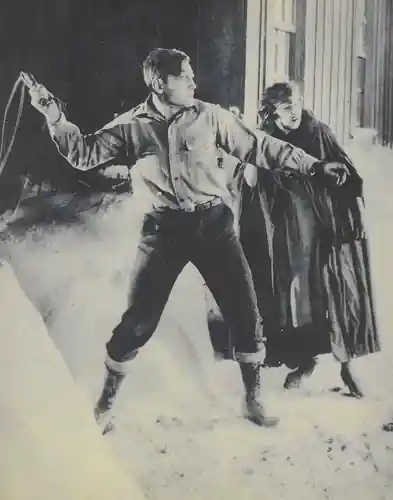
The success of any silent film hinges entirely on the expressive capabilities of its cast, and Snowdrift is fortunate to boast performances that transcend the lack of audible dialogue. Buck Jones, as Carter Brent, is in his element. Known for his athletic prowess and genuine cowboy persona, Jones conveys Brent's internal struggles and burgeoning heroism with a physicality that is both convincing and charismatic. His ability to project emotion through subtle gestures, intense stares, and dynamic action sequences ensures that Carter's journey is always engaging. Fans of his work in films like The Wallop will recognize his signature blend of earnestness and rugged determination, a consistency that made him a beloved figure in early Westerns.
Gertrude Ryan, as Snowdrift, is equally compelling. Her portrayal is marked by a quiet strength and a poignant vulnerability, essential for a character whose identity is so central to the plot. Ryan communicates a depth of feeling that makes Snowdrift far more than a simple damsel; she is a woman of resilience, whose gentle demeanor belies an inner fortitude. Her interactions with Jones are charged with a believable chemistry, making their burgeoning romance feel authentic and earned. The supporting cast, including the menacing G. Raymond Nye, Lalo Encinas, and Lee Shumway, contribute effectively to the film's atmosphere, each playing their part in shaping the harsh reality of the Yukon frontier. Even smaller roles, such as those played by Annette Jean or Evelyn Selbie, add texture to the narrative, providing necessary human elements to the often-brutal landscape.
The directorial hand, guided by the narrative craftsmanship of writers James B. Hendryx and John Stone, ensures that the story unfolds with a steady pace and clear emotional beats. The cinematography captures the stark beauty and formidable nature of the Yukon, making the environment itself a character in the drama. The use of natural light and expansive outdoor shots lends an authenticity to the frontier setting, grounding the melodramatic elements in a tangible reality. While the film adheres to many conventions of the silent Western, it does so with a sincerity that elevates it beyond mere genre fare. The visual storytelling is precise, allowing the audience to follow the intricate plot twists and emotional arcs without ever feeling lost, a testament to the skill of its creators in an era before synchronized sound. It’s a masterclass in how to convey complex human emotions and intricate plot points through purely visual means, a skill that modern cinema, for all its technological advancements, can still learn from.
Beyond its engaging plot and compelling performances, Snowdrift delves into themes that remain pertinent even a century later. The most prominent is, undoubtedly, redemption. Carter Brent's journey from a debauched gambler to a selfless hero is a classic narrative arc, one that speaks to the enduring human desire for a second chance and the capacity for personal growth. This theme of moral reclamation, of a character seeking to atone for past transgressions and forge a new, honorable path, is a recurring motif in cinema, seen in various forms from the gritty realism of The Jailbird to the more nuanced psychological explorations found in films like The Bluffer. Snowdrift positions itself firmly within this tradition, offering a straightforward yet deeply satisfying portrayal of a man finding his moral compass.
The film also explores the intricate interplay of identity and prejudice. Snowdrift's initial misidentification as a 'half-breed' serves as a commentary on societal labels and the superficiality of judging individuals based on perceived heritage. Her true origins challenge the viewer to look beyond facile categorizations and appreciate the individual for who they truly are, regardless of societal constructs. This subtle critique of prejudice, while perhaps not as overtly activist as some contemporary films, nonetheless plants a seed of questioning regarding the impact of labels. Moreover, the setting of the Yukon embodies a raw form of frontier justice, where personal integrity and the willingness to fight for what is right often supersede formal legal structures. This untamed environment becomes a proving ground for characters, forcing them to confront their moral choices in a world where survival and honor are constantly intertwined. It’s a narrative landscape where a man's actions, rather than his words, define his worth.
In conclusion, Snowdrift stands as a compelling example of silent-era filmmaking, a picture that skillfully weaves together elements of adventure, romance, and social observation. Its strength lies in its well-crafted narrative, the nuanced performances of its lead actors, and its exploration of universal themes. While it might not possess the grand scale or revolutionary techniques of some of its more celebrated contemporaries, its genuine emotional core and the timeless appeal of a redemption story ensure its enduring value. For enthusiasts of early cinema, particularly those drawn to the Western genre, Snowdrift offers a rewarding viewing experience, a window into a past era of storytelling that, even without spoken words, manages to speak volumes about the human condition. It reminds us that compelling narratives, driven by strong characters and profound emotional journeys, transcend technological limitations and continue to captivate audiences across generations. It’s a film that, like the very snow it’s named after, may seem ephemeral, but leaves a lasting impression on the landscape of cinematic history.

IMDb 7.2
1931
Community
Log in to comment.