DbcultAccessing Vault...
6/10
Senior Film Conservator
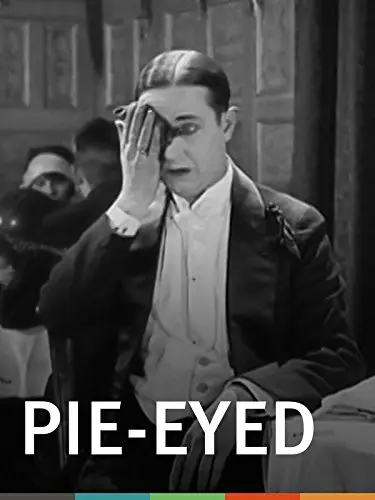
A definitive 6/10 rating for a film that redefined the boundaries of cult cinema. Pie-Eyed remains a cornerstone of transgressive art.
Is 'Pie-Eyed' worth watching today? Short answer: yes, but with significant caveats. This early Stan Laurel solo effort offers a fascinating, albeit brief, glimpse into the formative years of a comedic legend, making it an essential watch for silent film enthusiasts and students of comedy history.
However, those accustomed to modern pacing and sophisticated narratives might find its raw, unpolished slapstick a challenging, if not entirely rewarding, experience. It’s a historical artifact more than a universally engaging piece.
This film works because of Stan Laurel's undeniable physical comedic genius, even in its nascent form, and its efficient delivery of pure, unadulterated slapstick. It fails because its narrative is paper-thin, relying solely on a single escalating premise that, while effective, lacks the depth or character development present in later, more refined works. You should watch it if you appreciate the foundational elements of silent comedy and want to trace the origins of a master's craft, or if you simply enjoy a quick, chaotic laugh without demanding much substance.
The film unfolds in the dimly lit, smoke-filled ambiance of the Firewater Club, where the clock has long since struck 3:00 AM. Here, we meet Stanley, portrayed by the inimitable Stan Laurel, who has evidently overindulged in the club’s libations, reaching a state of profound inebriation.
His alcohol-addled mind conceives a singular, audacious ambition: to commandeer the orchestra. Stanley, with a bottle as his impromptu baton, embarks on a hilariously uncoordinated attempt at conducting, his flailing arms and exaggerated movements disrupting the club's already cacophonous atmosphere.
This spectacle inevitably draws the ire of the club’s manager, a formidable figure whose imposing stature and stern demeanor hint at a past career in the boxing ring. He swiftly intervenes, attempting to restore order and sobriety to the unruly patron.
Yet, Stanley’s drunken audacity knows no bounds. Undeterred by the manager's warning, his attention shifts to the manager's wife, Thelma Hill. In a moment of supreme misjudgment, he attempts to dance with her, a move that pushes the already tense situation past its breaking point, guaranteeing a chaotic and physical confrontation.
'Pie-Eyed' is a quintessential example of early silent slapstick, a genre built on physical comedy, exaggerated reactions, and a minimal reliance on intricate plot. Released in 1927, it sits at the cusp of a transformative era in cinema, just as sound was beginning to make its indelible mark.
The film, much like many shorts of its time, doesn't aim for narrative complexity or deep character arcs. Its sole purpose is to elicit laughter through a series of escalating physical gags, a formula that Stan Laurel would perfect in his later, more famous collaborations.
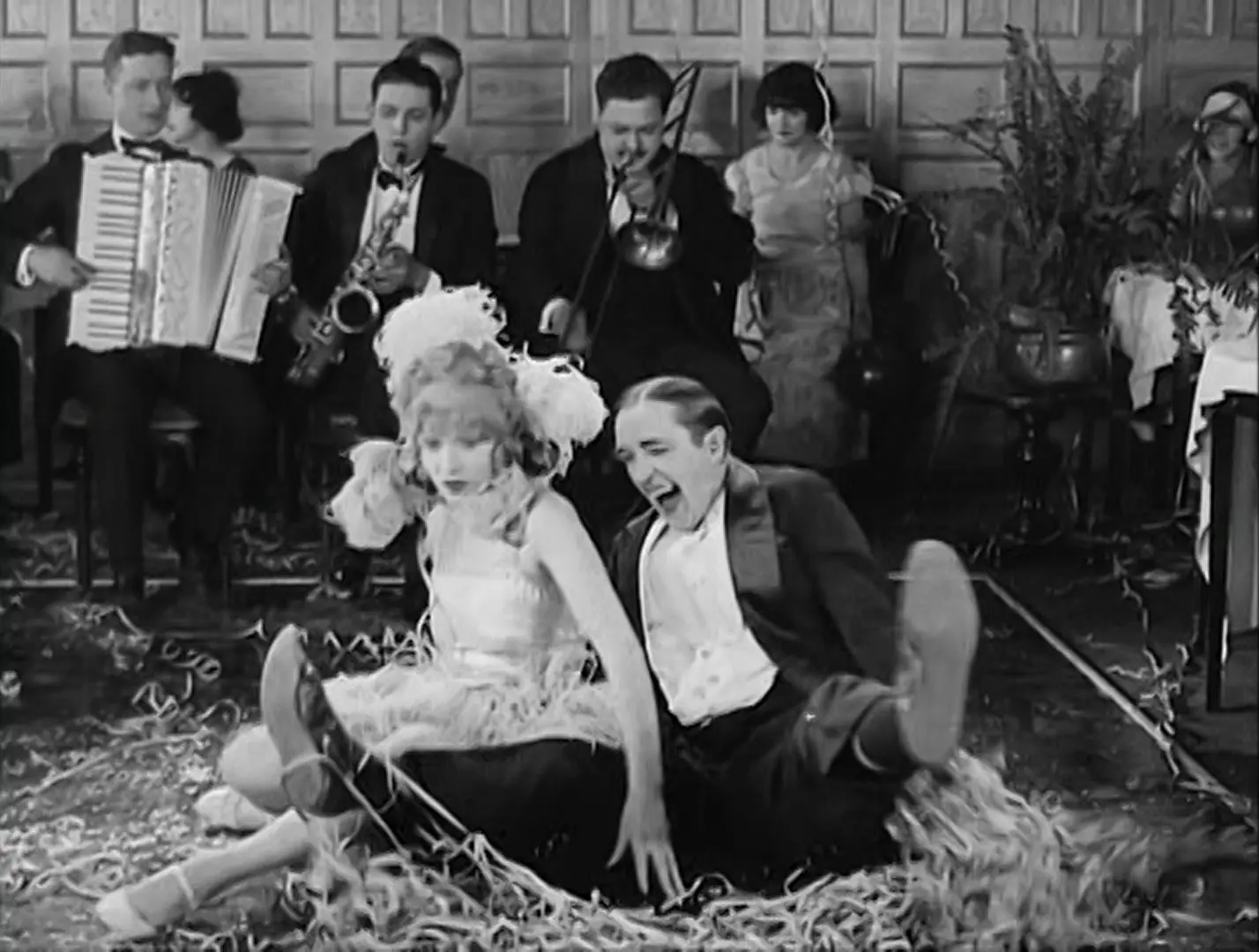
What makes 'Pie-Eyed' stand out, even among a sea of similar shorts, is the sheer, unadulterated chaos it embraces. It's a testament to the raw energy that defined early comedy, where the punchline was often a literal punch or a pratfall.
Compared to the more refined, character-driven humor of films like The Lost Chord or even the dramatic tension of Human Desire from a similar era, 'Pie-Eyed' offers a stark contrast. It’s a pure, distilled dose of physical absurdity.
The heart of 'Pie-Eyed' undeniably beats with Stan Laurel's performance. Even in this early, solo outing, his unique brand of physical comedy is strikingly evident. He embodies the drunken Stanley with a captivating blend of bewildered innocence and reckless abandon.
Laurel's mastery of physical expression is on full display during the conducting sequence. His movements are fluid yet clumsy, precise in their comedic timing yet utterly devoid of actual musicality. It’s a carefully choreographed drunken dance that prefigures the nuanced physical humor he would later develop.
Glen Cavender, as the club manager, provides the perfect foil. His performance is a study in controlled rage, a simmering volcano waiting to erupt. Cavender’s past as a boxer isn't just a plot point; it informs his physicality, adding a believable menace to his attempts to subdue Stanley.
His stern expressions and deliberate movements create a stark contrast to Laurel's chaotic energy, amplifying the comedic tension. It's a performance that doesn't rely on overt gags but on the understated threat he embodies.
Thelma Hill, portraying the manager's wife, has a less prominent but equally crucial role. Her reactions, initially amused, then flustered, and finally terrified, serve as a barometer for Stanley’s escalating transgressions. She is the innocent bystander caught in the crossfire, her discomfort adding another layer to the comedic unraveling.
It’s a deceptively simple performance, yet essential for grounding the absurdity. Without her, Stanley's advances would lack the critical element of social transgression that fuels the manager's eventual fury. Her subtle shifts in demeanor are a testament to the effectiveness of silent acting.
Tay Garnett’s direction in 'Pie-Eyed' is pragmatic and focused, serving the singular goal of maximizing comedic impact within a tight runtime. For a short film, the pacing is surprisingly effective, building momentum from Stanley's initial drunken antics to the inevitable physical confrontation.
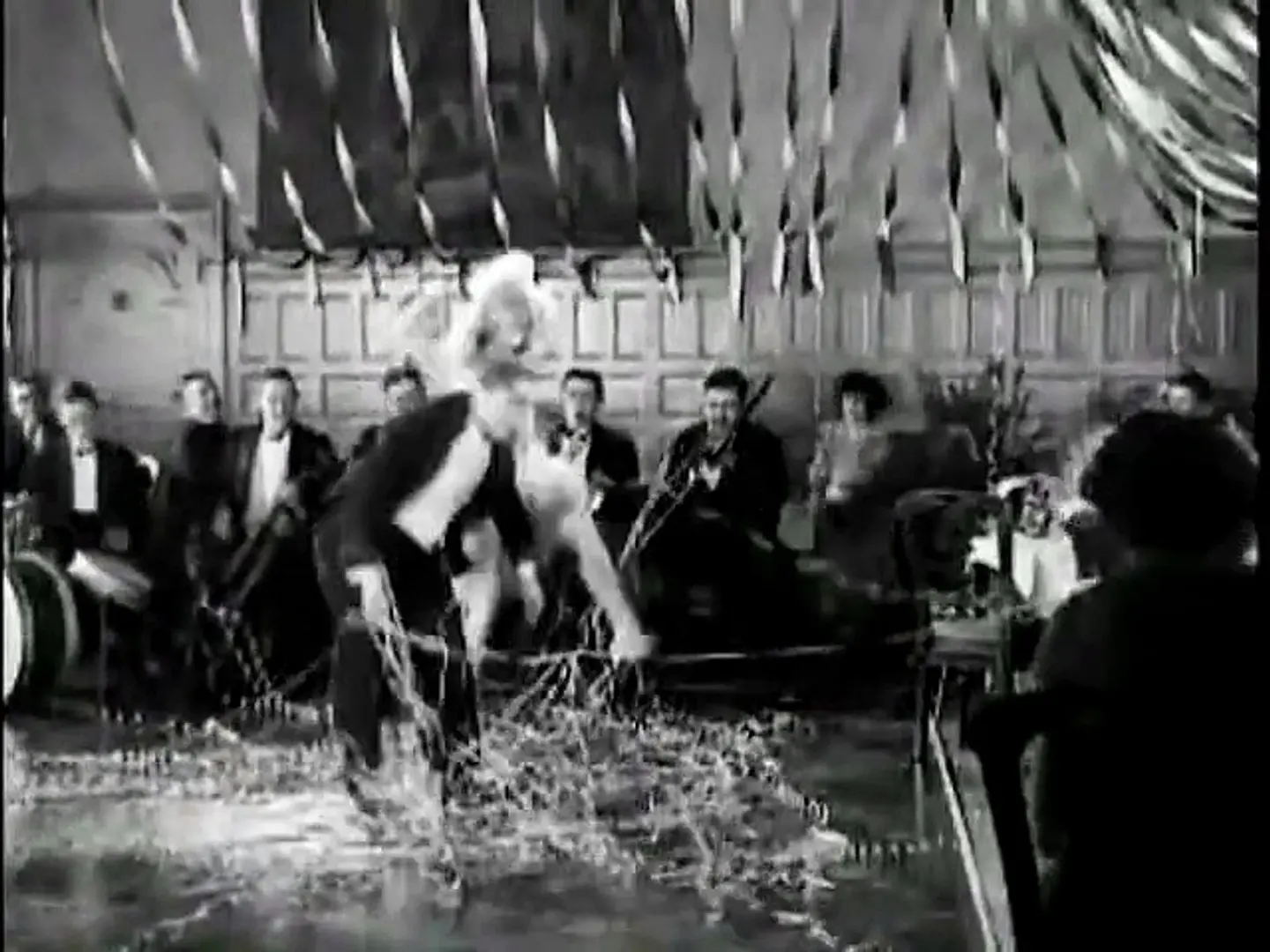
Garnett understands the mechanics of slapstick: establish a premise, escalate the absurdity, and deliver a satisfyingly chaotic payoff. The scene transitions are sharp, keeping the narrative moving without lingering too long on any single gag, which is crucial for maintaining the audience’s engagement in a silent short.
The cinematography, while not groundbreaking, is functional and effective. The camera is largely static, allowing Laurel’s physical comedy to take center stage. Close-ups are used judiciously to capture reactions, particularly Cavender’s growing exasperation and Hill’s discomfort, adding emphasis to key emotional beats.
There's a raw, almost documentary-like quality to some of the shots, which might be attributed to the era's technical limitations, but it inadvertently lends an authenticity to the chaotic club atmosphere. The lighting, though basic, effectively conveys the late-night, slightly seedy ambiance of the Firewater Club.
One could argue that the film's brevity actually enhances its punch, preventing the premise from overstaying its welcome. Unlike some longer silent features that often struggled with pacing, 'Pie-Eyed' gets in, delivers its laughs, and gets out, leaving a memorable impression without dragging.
Yes, 'Pie-Eyed' is worth watching for specific audiences. It is a vital piece of film history. It showcases Stan Laurel's early solo genius. It offers pure, unadulterated slapstick fun. It is a quick watch. It requires an appreciation for silent film conventions. It is not for those seeking deep plots. It is not for those who dislike physical comedy. It is a foundational work for comedy enthusiasts.
'Pie-Eyed', while a minor entry in the grand tapestry of silent cinema, serves as a potent reminder of the era's raw comedic power. It predates the iconic Laurel and Hardy partnership, offering a rare glimpse into Stan Laurel's solo capabilities, proving he was a comedic force long before joining forces with Oliver Hardy.
The film's focus on escalating physical discomfort and social transgression is a hallmark of silent comedy, a theme explored by contemporaries like Charlie Chaplin and Buster Keaton, albeit with their own distinct stylistic flourishes. It’s a primal form of humor that transcends language barriers.
This kind of short film often gets overlooked in favor of the more celebrated features, but it's in these brief, unpretentious pieces that the true spirit of early cinema often resides. They were laboratories for comedic talent, allowing performers to hone their craft.
Watching 'Pie-Eyed' today is not just about laughter; it's an archaeological excavation into the roots of modern comedy. It helps us understand the building blocks that led to more sophisticated narratives and character developments in later films.
It’s a far cry from the complex character studies seen in films like The Conspiracy or the intricate plots of 99, but its simplicity is its strength, a direct line to the comedic impulses that have amused audiences for over a century.
'Pie-Eyed' is a vibrant, if slight, piece of silent comedy history. It works. But it’s flawed. It serves as a compelling argument for Stan Laurel's inherent genius, even in its nascent form, and an enjoyable, if fleeting, dive into the physical comedy that defined an era. While it won't resonate with everyone, for those who appreciate the foundational elements of slapstick and the origins of a comedic titan, it's an essential, albeit brief, viewing experience. Its historical value far outweighs its minor narrative shortcomings, securing its place as a curious, yet significant, footnote in cinematic evolution. It is a film that demands appreciation for what it represents, rather than just what it is.
IMDb 6.7
1928
Community
Log in to comment.