DbcultAccessing Vault...
Cult Review
Senior Film Conservator
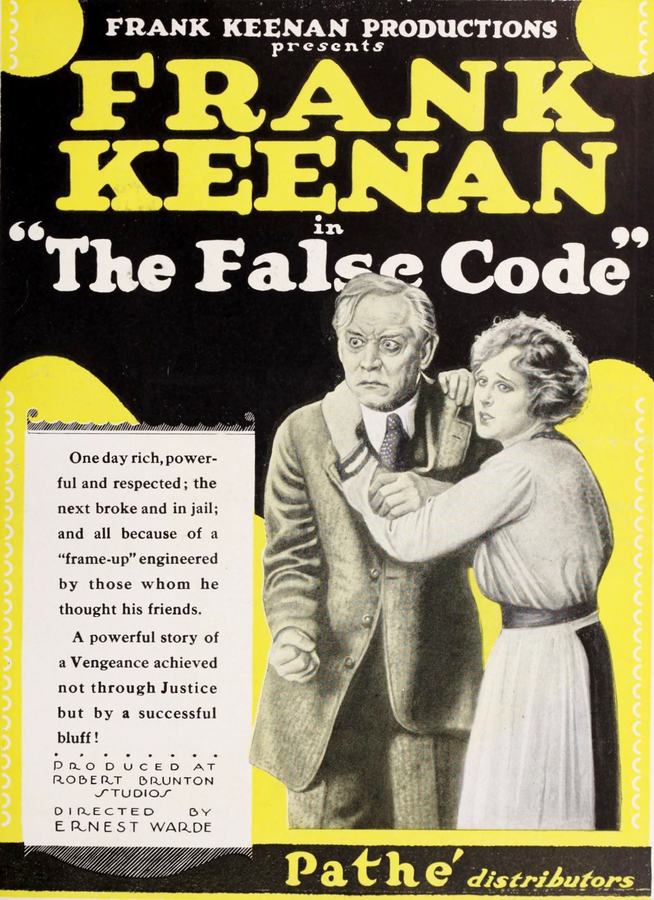
Jack Cunningham and Kate Corbaley’s screenplay constructs a labyrinthine plot that feels astonishingly contemporary in its exploration of institutional corruption. The film opens not amidst grandeur, but within the clattering machinery of Benton’s ship parts factory – a microcosm of industrial capitalism where honor becomes a fatal liability. Frank Keenan’s portrayal of John Benton is etched in stoic resilience; his posture rigid as steel girders, eyes betraying a fundamental decency that renders his betrayal profoundly visceral. Contrast this with the serpentine grace of Henry Vance (T.D. Crittenden), whose financial ambitions metastasize into sociopathic manipulation. The conspiracy’s chilling efficiency – from forging signatures to deliberately installing boiler-room death traps – unfolds with methodical precision, mirroring the era’s fascination with Taylorist efficiency applied to criminal enterprise.
Benton’s wrongful incarceration is depicted not through prison bars alone, but through the collapsing architecture of his identity. Cinematography transforms into a psychological weapon: tight close-ups on Keenan’s face as the courtroom verdict lands show dignity crumbling like eroded stone. The twelve-year ellipsis is conveyed through haunting montage – seasons bleeding across prison yards, Benton’s shoulders incrementally bowing beneath invisible weights, his eyes retreating into cavernous sockets. This compression of time remains a silent era hallmark, rivaling the temporal audacity of It Is Never Too Late to Mend in its portrayal of penal suffering. His release isn’t liberation but displacement; stepping into a cityscape now owned by his betrayers, where Vance’s face leers from campaign posters and Grey’s name adorns philanthropic institutions.
Frank Keenan delivers a masterclass in silent acting, his physicality narrating Benton’s evolution far beyond intertitles. Post-incarceration, his gait becomes a tectonic shuffle – less walk than geological event. Notice how his hands, once confidently gesturing across blueprints, now remain clenched at his sides, as if gripping memories of injustice. The brilliance lies in his incremental transformation: vengeance doesn’t ignite him; it crystallizes him. As he uncovers the truth through encounters with broken men from his past – a destitute dockworker who survived the sinking, a guilt-ridden clerk – Keenan’s eyes undergo a metamorphosis. The haunted vacancy becomes focused intensity, mirroring the meticulous calibration of the revenge plot he engineers. His performance finds fascinating parallels in Politik och brott, where moral corrosion similarly demands intellectual counterplay.
The film’s antagonists transcend mere moustache-twirling archetypes through nuanced performances. Pell Trenton’s Daniel Grey embodies the banality of evil, his transition from junior conspirator to respected businessman rendered through subtle costume shifts and increasingly polished mannerisms. Miles McCarthy’s government inspector is particularly chilling – his corruption hidden beneath bureaucratic fastidiousness, accepting bribes with the same detachment as signing inspection certificates. Their collective ascent into political legitimacy offers a scathing critique of Gilded Age power structures, reminiscent of the societal critique in The Cotton King. The production design reinforces this, contrasting Benton’s sparse lodgings with Vance’s new-money mansion, dripping with gaudy art and oversized staircases symbolizing his climb over corpses.
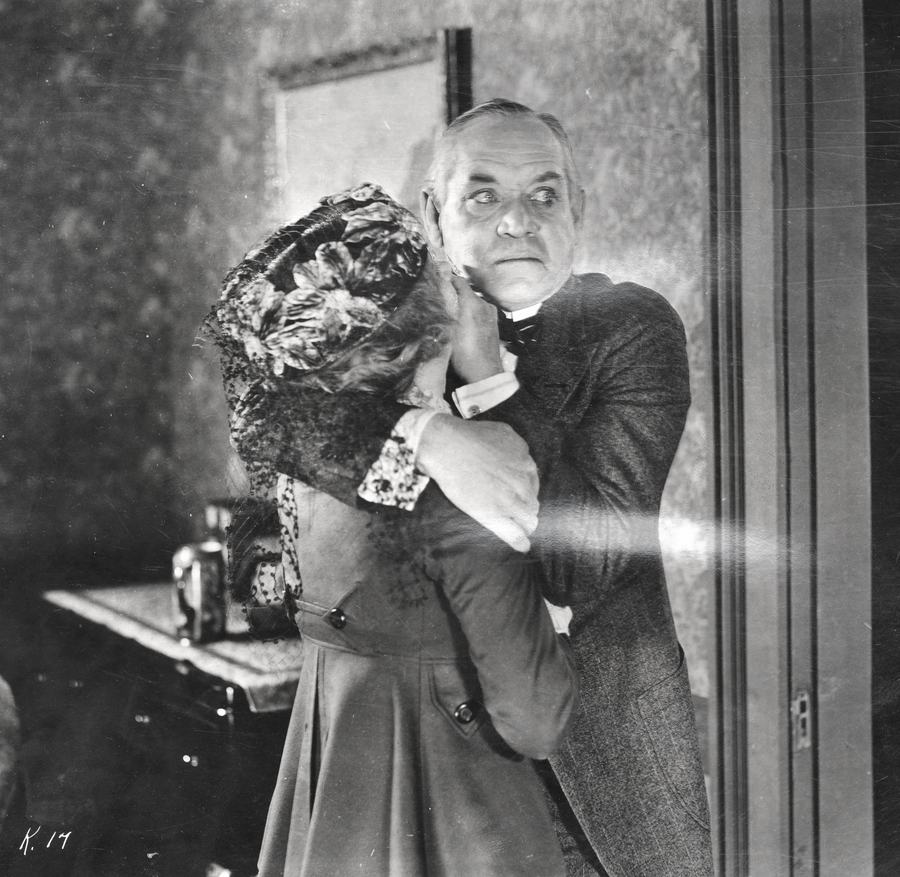
Benton’s revenge scheme is a Rube Goldberg device of psychological warfare, exploiting each conspirator’s specific weakness. He doesn’t wield brute force but manipulates their greed and paranoia like a safecracker manipulating tumblers. For Vance, he engineers fabricated financial documents suggesting embezzlement; for Grey, he plants evidence of infidelity destined for his wife; for the insurance agent, he orchestrates a fake audit trail. Director Edward Sloman constructs these sequences with clockwork tension, cross-cutting between Benton’s invisible maneuvers and the villains’ escalating panic. The use of then-revolutionary double exposure to visualize their growing suspicion – ghostly images of Benton appearing in their offices and homes – remains technically audacious. This intricate plotting foreshadows the cerebral cat-and-mouse games later seen in A Game of Wits, proving revenge narratives needn’t rely on physical spectacle.
Helene Sullivan and Irene Yeager provide crucial emotional ballast as Benton’s daughter and Grey’s wife, respectively. Sullivan’s journey from grieving daughter to determined ally showcases remarkable depth for a 1918 supporting role. Her scenes visiting Benton in prison, hands pressed against glass partitions, radiate wordless anguish. Yeager’s portrayal of Mrs. Grey is equally compelling – her gradual realization of her husband’s complicity plays out through minute shifts in posture and expression, culminating in a shattering confrontation where her silent judgment proves more devastating than any denunciation. Their presence prevents the narrative from collapsing into masculine nihilism, offering pathways to redemption and moral clarity absent from the male power structures depicted.
The film’s visual language is saturated with industrial gothic symbolism. Cinematographer Joseph Brotherton lenses factories as cathedrals of exploitation – cavernous interiors where workers resemble cogs, and cascading shadows from overhead cranes form literal prison bars across Benton’s face during the conspiracy’s genesis. The climactic confrontation occurs appropriately within Vance’s steel mill, amidst cascading sparks and hissing pipes, transforming the environment into a mechanical hellscape. This stark industrial aesthetic shares DNA with Schwert und Herd but pushes further into expressionism. Particularly striking are the distorted reflections of the conspirators in polished boiler plates – visual echoes of their warped morality. The sinking sequence itself, achieved through masterful miniature work and dramatic low-angle shots of panicked passengers, rivals the maritime tragedy depicted in Audrey for sheer visceral impact.
Beyond its thriller mechanics, the film’s enduring power lies in its existential interrogation of identity theft. Benton’s prison sentence is merely the physical manifestation of a larger violation – the theft of his reputation, legacy, and place in society. His revenge, therefore, transcends retribution; it’s an archeological dig to reclaim his buried self. This resonates profoundly in our digital age, where reputation can still be assassinated by hidden algorithms and manufactured narratives. The political dimension remains equally potent – Vance’s transformation from fraudster to respected civic leader eerily mirrors modern anxieties about corruption masquerading as legitimacy. Unlike the youthful idealism of Fires of Youth or the romantic entanglements of Unge Hjerter, 'The False Code' offers a grittier, more psychologically complex vision of societal betrayal. Keenan’s final close-up – exhausted but unbowed, standing amidst the wreckage of his enemies – doesn’t offer easy triumph. It asks instead: What survives when institutions designed to protect become instruments of destruction? The silence following that question echoes louder than any score.
IMDb 6.4
1931
Community
Log in to comment.