DbcultAccessing Vault...
Cult Review
Senior Film Conservator
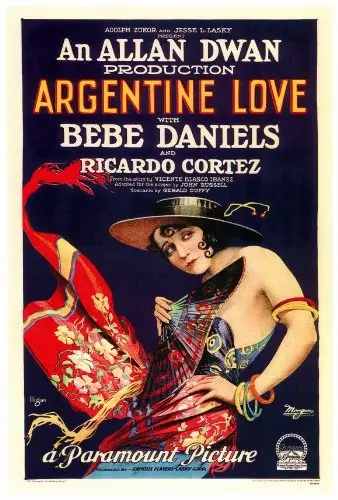
In the cinematic landscape of 1924, the allure of the 'exotic' was not merely a stylistic choice but a commercial imperative. Argentine Love, directed by Allan Dwan and adapted from the prose of Vicente Blasco Ibáñez, stands as a quintessential artifact of this era. It is a film that breathes with the heavy, humid air of melodrama, yet it possesses a psychological complexity that often eludes its contemporaries. While many films of the period, such as The Tents of Allah, relied on superficial orientalism, this production attempts a deeper dive into the friction between burgeoning American individualism and the rigid, atavistic codes of South American provincial life.
The narrative center of gravity is Bebe Daniels, an actress who, at this juncture, was successfully pivoting from the light-hearted fluff of films like Beaches and Peaches to the high-stakes emotionalism required by Ibáñez’s world. As Consuelo, Daniels delivers a performance of remarkable kinetic energy. She is not merely a damsel in distress; she is a woman navigating a minefield of masculine egos. Her return from the United States functions as the catalyst for the film’s central conflict, representing a 'new woman' ideology that threatens the mercantile betrothal arranged by her father, Mayor Emanuel García. The mayor, played with a weary, desperate gravity by Mario Majeroni, views his daughter not as a person but as a financial instrument—a theme of transactional kinship that echoes through the darker corners of Gimme.
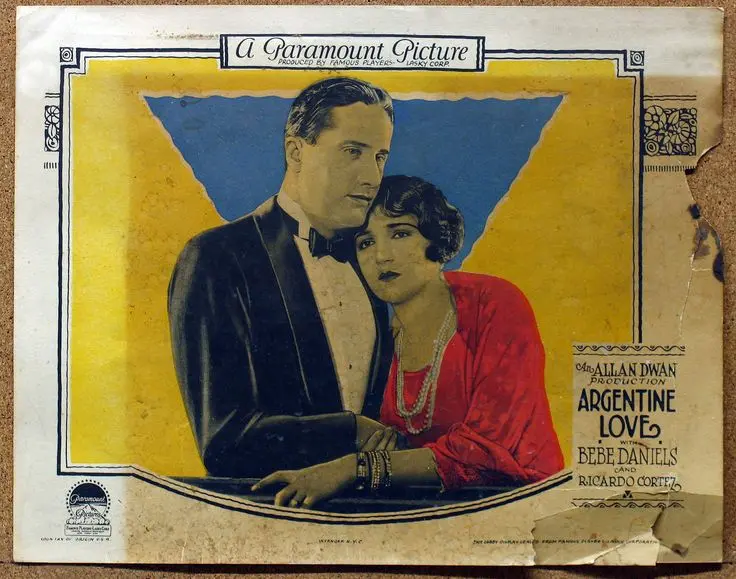
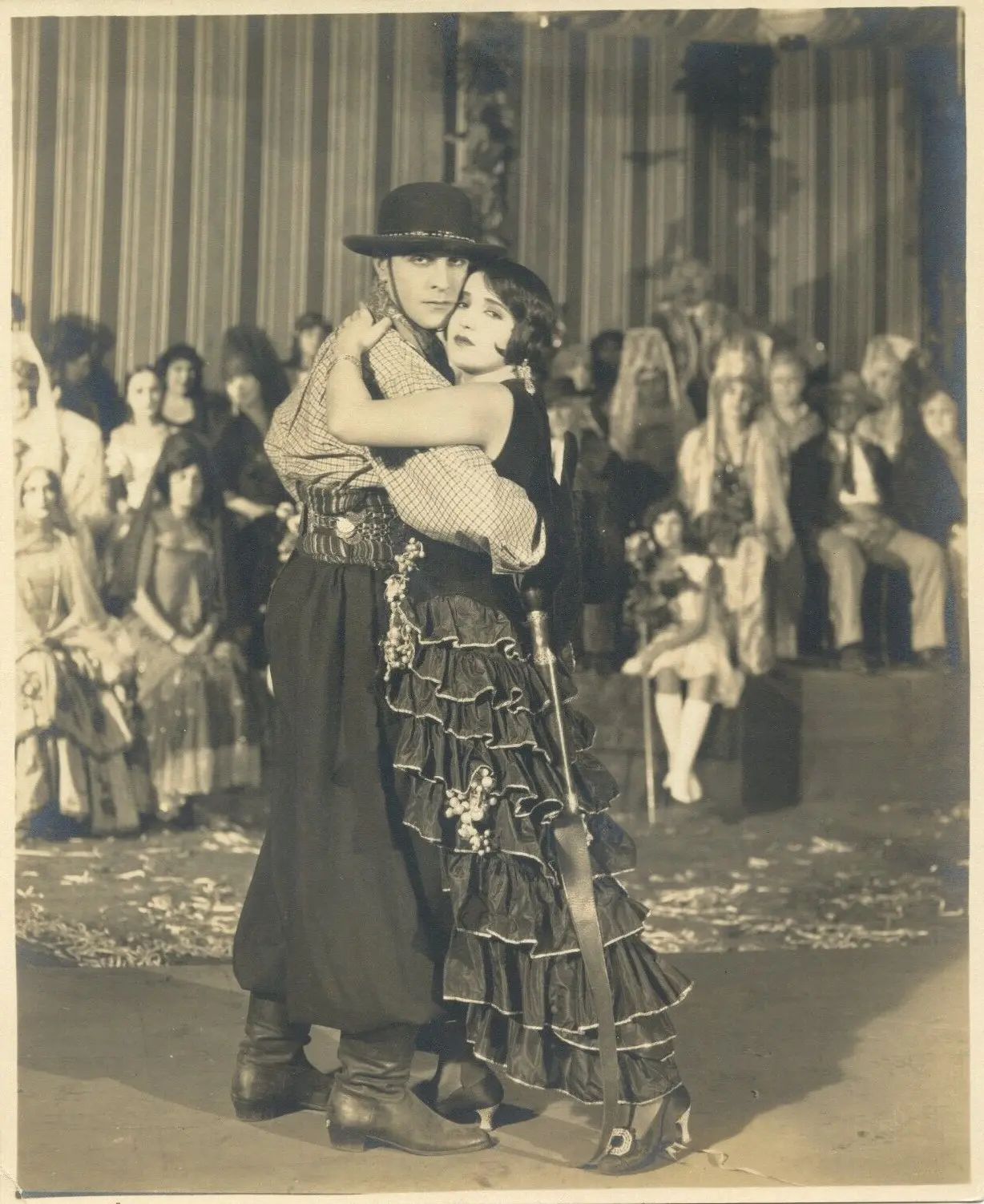
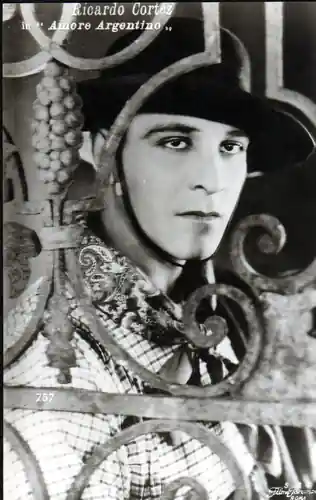
The antagonist—or perhaps the tragic anti-hero—Juan Martin, portrayed by Ricardo Cortez, is a fascinating study in the 'Latin Lover' archetype curdled by insecurity. Cortez brings a brooding, almost suffocating intensity to the role. Unlike the romanticized gallantry found in The Fourth Musketeer, Cortez’s Martin is a man whose pride is a lethal weapon. When he murders Rafael Cornejo, it is not an act of passion in the defense of love, but a reclamation of perceived property. The film’s most jarring and visually arresting sequence is not the murder, however, but the town’s reaction to it. The citizens of Alcorta, in a chilling display of collective psychosis, blame Consuelo for the violence. They do not see the murderer as the culprit; they see the woman who dared to say 'no' as the architect of the tragedy.
“The sequence where Consuelo is tied to a cart and beaten by the mob remains one of the most harrowing depictions of social cruelty in silent cinema. It strips away the romantic veneer of the setting to reveal the jagged bones of a society built on the subjugation of the female will.”
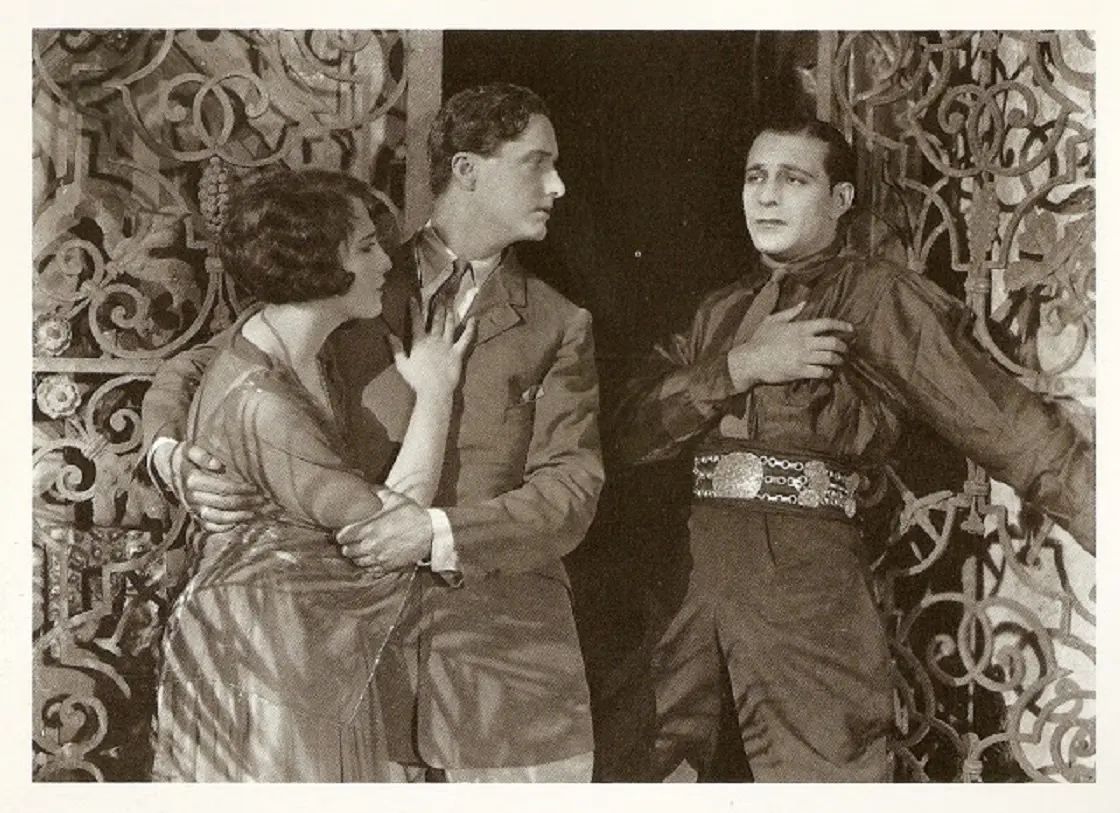
This scene elevates the film beyond standard melodrama into the realm of social critique. It shares a thematic DNA with The Greatest Question, where the vulnerability of the individual against the monolith of community expectations is laid bare. The brutality is not gratuitous; it serves to heighten the stakes of Consuelo’s subsequent sacrifice. When she is rescued by Philip Sears (James Rennie), the American engineer, the film sets up a classic binary: the civilized, rational Northerner versus the 'touchy,' emotional Southerner. Rennie plays Sears with a stoic, almost bland heroism that serves as a necessary foil to Cortez’s fire.
The final act of Argentine Love is a masterclass in narrative tension. Consuelo’s decision to feign love for Juan Martin is a desperate gambit, a psychological chess move intended to protect Philip. This layer of performative emotion within a performance allows Bebe Daniels to showcase a nuanced range of facial expressions—fear masked by forced affection, and grief hidden behind a veil of compliance. It is a far cry from the straightforward heroics of Smiling Jim. Here, the moral landscape is grey, and survival requires a compromise of the soul.
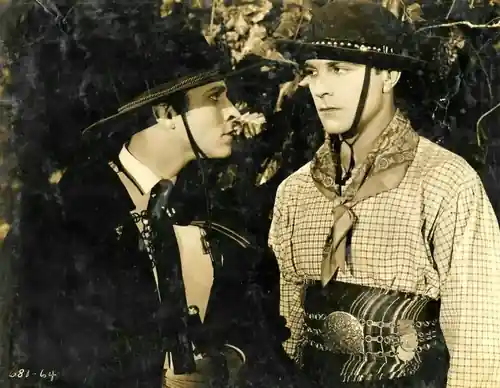
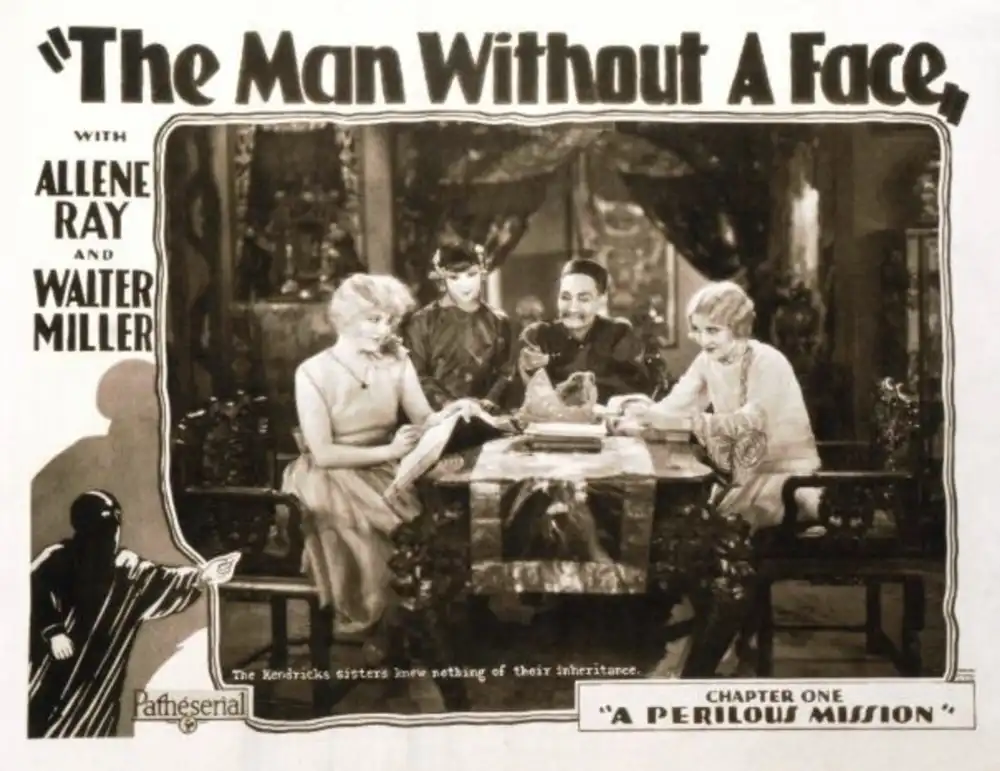
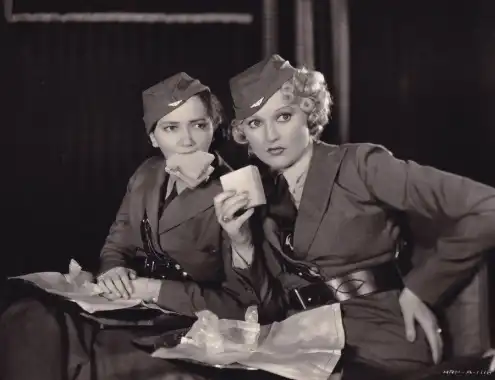
The cinematography utilizes the chiaroscuro effects common in high-budget silent features of the mid-20s. Shadows stretch across the hacienda walls, mirroring the encroaching doom that Juan Martin feels as his world collapses. The visual language here is far more sophisticated than the documentary-style realism of Britain's Bulwarks, No. 1: Women Munitioners of England. Instead, it leans into the operatic, much like the historical grandeur of Marc'Antonio e Cleopatra, where the setting reflects the internal tempests of the protagonists.
The resolution of the film is both tragic and profoundly satisfying in a narrative sense. Consuelo’s honesty—telling Juan she will marry him but will always love Philip—is the ultimate blow to Juan’s ego, yet it paradoxically triggers his redemption. The 'gallantry' of the American, Philip, who assisted their flight, shames Juan into a moment of clarity. This pivot from villainy to self-abnegation is a hallmark of Ibáñez’s writing, often seen in the complex character arcs of Gypsy Love. Juan’s decision to surrender to the authorities is an act of reclaiming his lost honor, but the cycle of violence, once initiated, cannot be easily halted. The intervention of Senator Cornejo, seeking vengeance for his son, provides a bloody punctuation mark to Juan’s life.
While some might find the ending overly convenient, it fits the fatalistic worldview of the source material. Life in Alcorta is a zero-sum game. For Consuelo to find a future with Philip, the old world—embodied by Juan and the Senator—must literally consume itself. This thematic resolution is as potent as the historical weight found in Ashoka or the familial tragedies of Os Fidalgos da Casa Mourisca.
Allan Dwan’s direction is impeccable, maintaining a brisk pace while allowing the emotional beats to resonate. The editing, particularly during the elopement sequence, creates a sense of kinetic urgency that rivals the action beats of Casey at the Bat. The film also benefits from a high production value; the Argentine sets feel lived-in and authentic, avoiding the cardboard artifice of lower-budget 'reward' films like $1,000 Reward. The costumes, particularly the contrast between Consuelo’s Americanized wardrobe and the traditional garb of the townspeople, serve as a constant visual reminder of the cultural rift at the heart of the story.
Ultimately, Argentine Love is a testament to the power of the silent screen to convey complex socio-political themes through the lens of personal tragedy. It isn't just a story of a love triangle; it is a story about the cost of progress and the weight of tradition. For those accustomed to the more simplistic narratives of Follow Me or the patriotic fervor of Johanna Enlists, this film offers a refreshing, albeit dark, complexity. It remains a vital piece of Bebe Daniels' filmography and a haunting reminder of the era's fascination with the intersections of love, honor, and blood.
Final Verdict: A dark, lushly produced melodrama that explores the intersection of mercantile marriage and personal autonomy with a ferocity that still resonates today. Bebe Daniels and Ricardo Cortez are a powerhouse duo in this silent classic.
IMDb —
1914
Community
Log in to comment.