DbcultAccessing Vault...
Cult Review
Senior Film Conservator
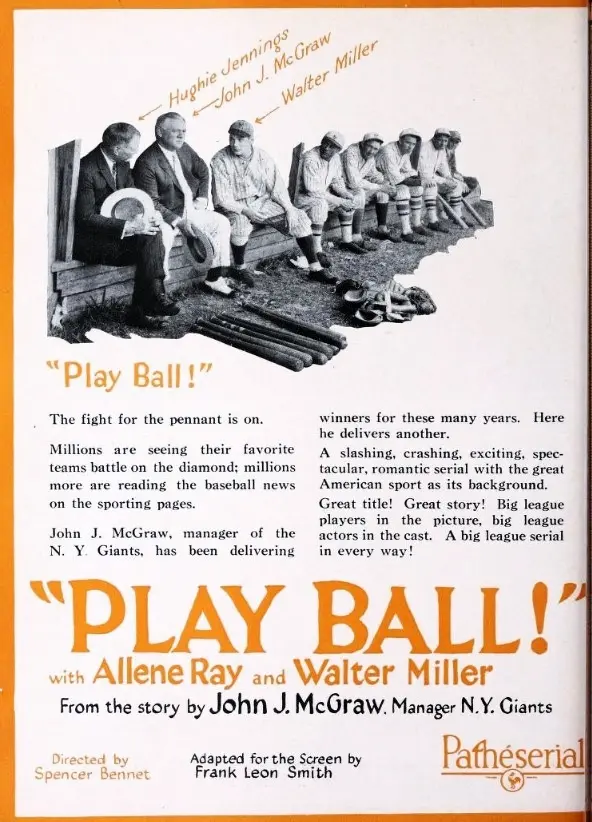
Is "Play Ball" worth watching today? Short answer: yes, but with significant caveats. This 1925 serial offers a fascinating, often frustrating, glimpse into a bygone era of cinematic storytelling, making it a compelling watch for specific audiences, but a challenging one for general viewers accustomed to modern narrative conventions.
This film is unequivocally for classic film historians, serial enthusiasts, and those with a deep appreciation for the foundational elements of suspense and melodrama in cinema. It is emphatically NOT for anyone seeking fast-paced action, nuanced character development, or a narrative free from the stylistic quirks and often heavy-handed exposition typical of the 1920s serial format.
This film works because of its audacious blend of genres, attempting to weave romance, political thriller, and sports drama into a cohesive, episodic whole.
This film fails because its pacing often drags, its character motivations can be simplistic, and the technical limitations of its era are starkly apparent.
You should watch it if you are a cinephile eager to understand the evolution of popular storytelling and the early techniques of suspense, or if you simply enjoy the unique charm of silent-era serials.
At its heart, "Play Ball" is a narrative juggling act, attempting to keep three distinct, yet intertwined, balls in the air: the forbidden romance between Doris Sutton and Jack Rollins, the high-stakes federal investigation into Doris's millionaire father, and the sinister machinations of Count Segundo, a foreign agent tasked with digging up dirt. This ambitious scope is both the serial's greatest strength and its most pronounced weakness, creating a rich tapestry that occasionally frays at the edges.
The romance, while central, often feels like a melodramatic anchor, pulling the narrative into predictable beats of longing glances and manufactured obstacles. Doris, portrayed as the spirited daughter of wealth by Barbara Leonard, finds herself drawn to Jack Rollins, a man striving to make his own name on the baseball diamond, unaware of his true lineage as the son of her father’s political adversary. Their clandestine meetings, perhaps in a secluded park or on the fringes of a bustling ball game, would have been framed with the exaggerated romanticism typical of the silent era, relying heavily on intertitles to convey their yearning.
The political intrigue, however, offers a more robust foundation for suspense. Senator Hornell’s investigation into Sutton’s affairs provides a believable, albeit simplified, backdrop for conflict. One can easily envision tense, wordless confrontations between J. Barney Sherry’s Sutton and Hornell, their power plays communicated through stern expressions and assertive body language, each man a titan in his respective arena. The stakes here feel genuinely high, touching upon themes of corporate corruption and governmental oversight that resonate even today, albeit through a 1920s lens.
Then there’s Count Segundo, likely portrayed by Harry Semels, the quintessential foreign menace. His mission to "get something" on Sutton introduces a layer of espionage that elevates the narrative beyond mere domestic drama. Segundo's presence likely manifests in shadowy pursuits, intercepted documents, and perhaps even staged accidents designed to implicate Sutton. A scene where Segundo, cloaked in darkness, observes Sutton from a distance, perhaps through a window overlooking a grand office, would be a classic serial trope, building palpable tension without a single spoken word. This blend of domestic and international intrigue sets "Play Ball" apart from simpler adventure serials like The Red Ace, aiming for a more complex narrative web.
In the silent era, acting was an art of grand gestures and overt expressions, a necessity given the lack of dialogue. The cast of "Play Ball" operates firmly within this tradition, delivering performances that are more archetypal than nuanced, yet effective for the serial's episodic demands. Barbara Leonard, as Doris Sutton, embodies the quintessential serial heroine: plucky, yet perpetually in need of rescue, her expressions often telegraphing distress or defiance with a clarity demanded by the silent screen. Her strength lies in her ability to convey vulnerability without appearing entirely helpless, a fine line to walk.
Walter Miller, likely portraying the heroic Jack Rollins, would have brought an earnest physicality to his role. His baseball scenes, even if staged with period limitations, would require a certain athletic grace, while his romantic entanglements with Doris would necessitate a leading-man charm conveyed through earnest gazes and protective stances. The challenge for Miller would be to make Jack’s dual identity as Senator Hornell’s son feel like a genuine internal conflict, rather than a mere plot device, relying on subtle shifts in demeanor that might be lost amidst the broader strokes of serial acting.
Harry Semels, as Count Segundo, likely leans into the mustache-twirling villainy expected of foreign agents of the era. His every gesture would be designed to drip with menace, perhaps to a degree that borders on caricature for modern eyes. Yet, this overt villainy is precisely what serials thrived on, providing a clear antagonist for audiences to root against. His cunning would be conveyed through sly glances and deliberate movements, a master of silent malevolence.
J. Barney Sherry, as the millionaire business magnate Sutton, would likely command the screen with an air of authority and beleaguered dignity. His performance would need to oscillate between the confidence of a powerful man and the anxiety of one under federal scrutiny, providing a grounding force amidst the younger leads' romantic woes. The supporting cast, including Wally Oettel, Allene Ray, and Franklyn Hanna, would fill out the world, providing reactions and furthering the plot, their roles often defined by their function within the larger narrative machine rather than deep character exploration. It’s an ensemble designed for momentum, not introspection, and in that regard, they likely succeed.
The direction of "Play Ball," with Frank Leon Smith credited as a writer, suggests a strong narrative drive, crucial for a 10-episode serial. Serials of this era were built on a foundational principle: the cliffhanger. Each episode had to end on a moment of unbearable tension, compelling audiences back to the cinema week after week. This dictates a specific rhythm – a build-up of suspense, a dramatic peak, and then an abrupt, unresolved conclusion.
Pacing in "Play Ball" would therefore be a fascinating study in controlled chaos. The opening acts of each episode would be dedicated to resolving the previous cliffhanger, often with a convenient, if sometimes implausible, escape. The middle would develop the ongoing plot threads – the romance, the investigation, Segundo’s machinations – before accelerating towards the next perilous situation. Imagine Doris trapped in a burning building, or Jack cornered by Segundo’s thugs, only to have the screen fade to black just as fate hangs in the balance. This episodic structure, while effective for its time, can feel disjointed to contemporary viewers accustomed to more seamless, long-form storytelling.
The directorial choices would prioritize clarity and dramatic impact over subtlety. Camera angles would be functional, framing action clearly. Editing would be swift during moments of peril, but perhaps more deliberate during emotional exchanges, allowing the actors' exaggerated expressions to register. Compared to a self-contained feature like The Conspiracy, which builds tension towards a single climax, "Play Ball" had to deliver ten mini-climaxes, a demanding task that often led to repetitive plot devices but ensured audience engagement.
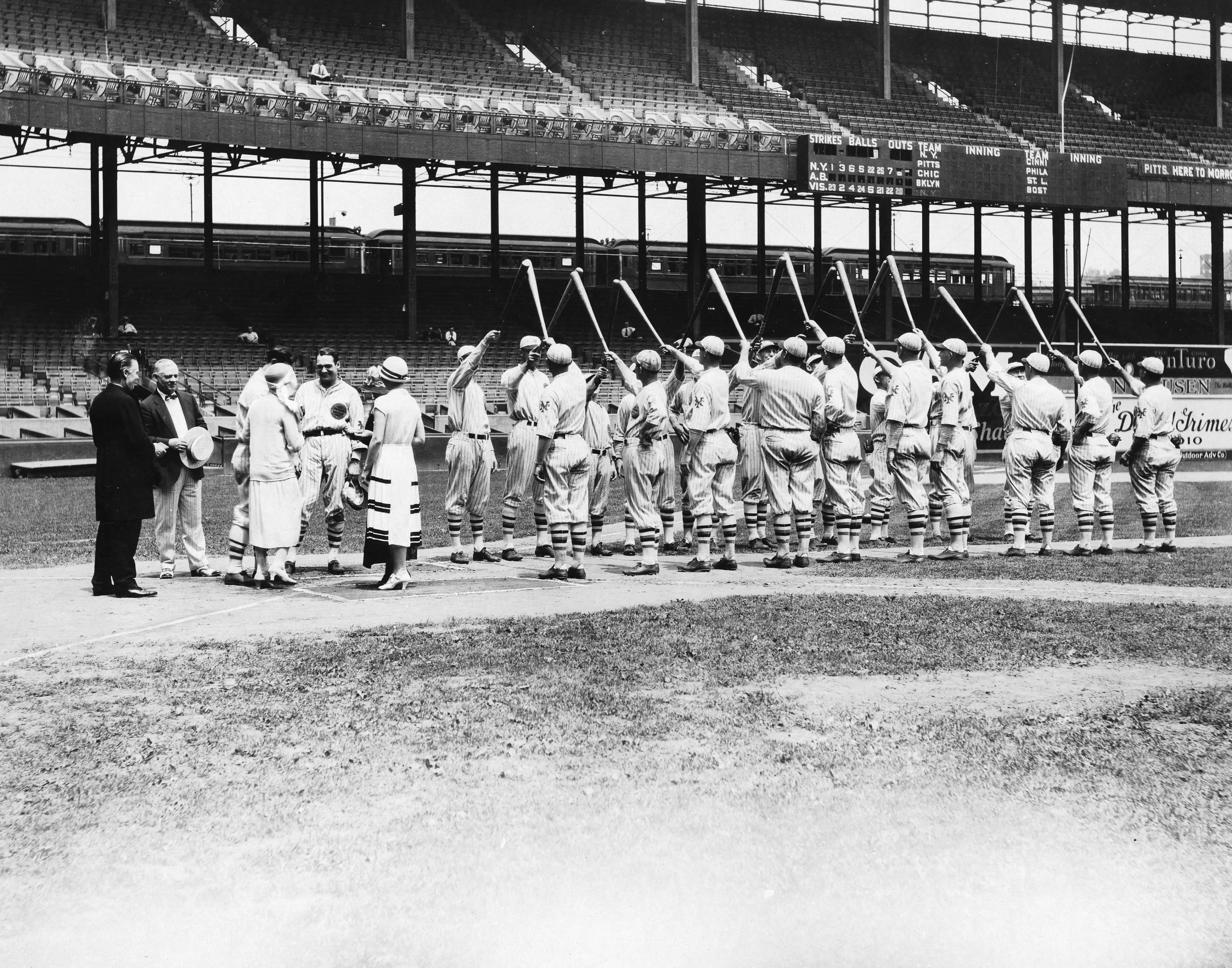
The visual language of "Play Ball" is inherently tied to the silent film aesthetic of the mid-1920s. The cinematography, while lacking the dynamic camera movement and sophisticated lighting of later decades, would have been functional and direct. The camera, often static, serves more as an observer than a participant, a common trait in early serials. Lighting, while adequate, lacks the nuanced chiaroscuro that would define later decades, relying instead on broad, flat illumination that prioritizes visibility over mood, particularly in interior scenes.
However, this doesn't mean a lack of visual storytelling. The film would rely heavily on strong compositions, expressive acting, and the strategic use of intertitles to convey dialogue and crucial plot points. The art direction would likely contrast the opulent settings of the Sutton family – grand mansions, lavish offices – with the more down-to-earth environments of Jack Rollins’ baseball career and the shadowy haunts of Count Segundo. This visual juxtaposition reinforces the class and moral divides central to the narrative.
The tone is undeniably melodramatic, a hallmark of the era. Every emotion is amplified, every threat is existential, and every romantic gesture is imbued with profound significance. Yet, beneath this theatricality lies an earnestness that can be surprisingly captivating. The film takes its stakes seriously, even if the execution can sometimes feel over-the-top by modern standards. There's a genuine attempt to create suspense and evoke empathy, even if the tools at its disposal were relatively rudimentary. It works. But it’s flawed.
Yes, for a very specific audience. If you are a dedicated film historian, a student of early cinema, or someone who cherishes the unique charm and narrative conventions of 1920s serials, then "Play Ball" offers invaluable insight. It provides a window into how popular entertainment functioned almost a century ago, showcasing the embryonic stages of genre blending and episodic storytelling. However, if you're seeking modern pacing, subtle character work, or high production values, this film will likely test your patience. It demands an appreciation for its historical context to be truly enjoyed.
One could argue that the baseball subplot, while central to Jack Rollins' assumed identity, often feels secondary to the espionage and romance, almost a quaint distraction from the higher stakes of political scandal and international intrigue. While it provides a refreshing contrast to the shadowy world of Count Segundo, it never quite integrates with the same narrative weight as the other two threads. It's a charming element, but perhaps not the strongest narrative driver.
A more debatable opinion is that the true antagonist of "Play Ball" isn't Count Segundo's overt villainy, but rather the pervasive corruption and moral ambiguity inherent in the world of high finance and politics that ensnares Doris's father. Segundo is merely a symptom, an opportunistic predator exploiting pre-existing weaknesses in the system. This elevates the serial from a simple good-vs-evil narrative to something with a touch more social commentary, however unintentional.
An unconventional observation is how "Play Ball," despite its age, inadvertently offers a surprisingly potent commentary on the precariousness of reputation in a media-driven society. Sutton's affairs are "under investigation," and Segundo is tasked to "get something" on him. This echoes modern concerns about public scrutiny, the weaponization of information, and 'cancel culture' long before such terms existed. The film, in its own way, explores the destructive power of a tarnished name, regardless of actual guilt, making it eerily prescient.
IMDb 7
1925
Community
Log in to comment.