DbcultAccessing Vault...
Cult Review
Senior Film Conservator
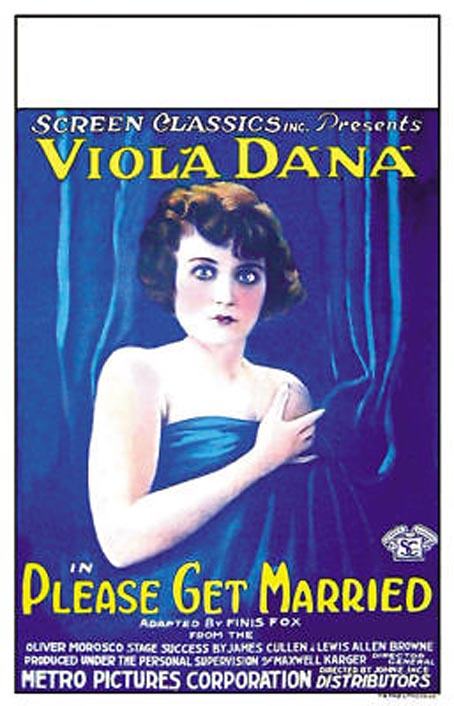
Stepping into the effervescent world of early 20th-century cinema often feels like unearthing a forgotten treasure, a vibrant echo from a bygone era. Among these cinematic artifacts, Please Get Married, a 1919 silent comedy, emerges as a delightful, if somewhat tumultuous, romp through the anxieties and absurdities surrounding matrimony. Directed with a brisk pace that belies its age, and penned by the collaborative talents of Lewis Allen Browne, Finis Fox, and James F. Cullen, this film offers a fascinating glimpse into the comedic sensibilities of its time, delivering a narrative so convoluted yet utterly charming that one can't help but be swept along by its relentless momentum.
At its heart, the story revolves around the spirited Muriel Ashley, portrayed with an infectious vivacity by the inimitable Viola Dana, and her earnest fiancé, Ferdie Walton, brought to life by William F. Moran. Their path to conjugal bliss is, from the outset, anything but smooth. While Muriel’s parents, played by Emmett King and Margaret Campbell, are enthusiastically in favor of the union, Ferdie’s father, portrayed by Harry Todd, stands as a formidable, almost comically stubborn, obstacle. This parental discord immediately establishes a tension that ripples through the entire narrative, serving as the initial spark for the ensuing chaos. The film skillfully exploits this universal theme of familial approval, or lack thereof, to ground its more fantastical elements, making the initial resistance relatable before plunging into pure farce.
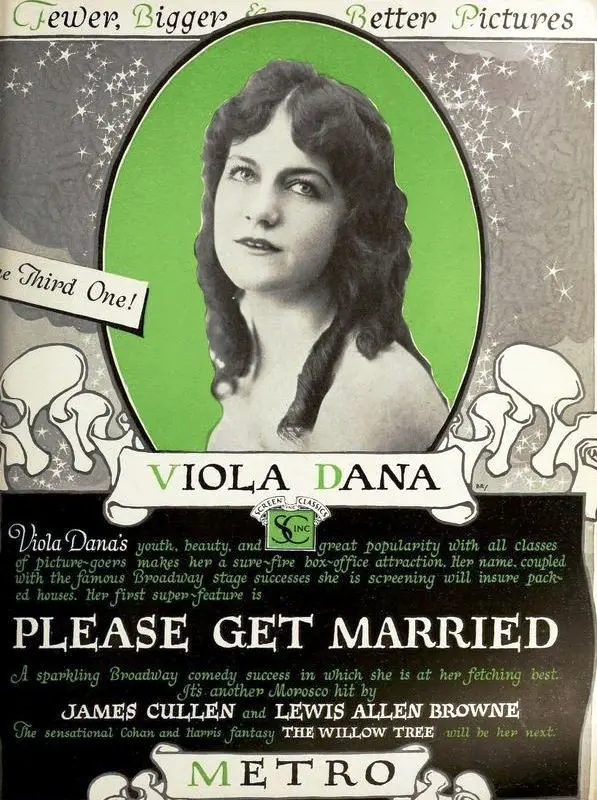
The actual wedding ceremony itself is where the narrative truly veers into the realm of the wonderfully bizarre. A mysterious parson, seemingly appearing out of thin air, wanders into the Ashley home and, with an air of impromptu authority, officiates the marriage. This singular event, seemingly a stroke of serendipitous luck for the beleaguered couple, becomes the linchpin for all the subsequent misadventures. The swiftness and unconventional nature of the ceremony immediately raise questions, both for the audience and, crucially, for Ferdie's father. It's a testament to the script's cleverness that this seemingly minor plot point is imbued with such profound implications, setting the stage for a series of escalating misunderstandings that are both humorous and genuinely suspenseful. The film doesn't waste time; it plunges headfirst into the central conflict, relying on the audience's willingness to suspend disbelief for the sake of comedic payoff.
No sooner have Muriel and Ferdie departed for their honeymoon than the shoe, or rather, the crooked clergyman, drops. Ferdie's father, whose initial disapproval morphs into an almost detective-like suspicion, uncovers what he believes to be the unsavory truth: the officiating minister is, in fact, a criminal. This revelation, delivered with dramatic urgency, instantly transforms their romantic escape into a frantic flight. The hotel, alerted by the elder Walton, promptly orders the bewildered newlyweds out, their marital bliss shattered by the weight of alleged fraud. The scene of their expulsion, undoubtedly played for maximum comedic effect, highlights the social embarrassment and the profound sense of injustice felt by Muriel and Ferdie. It's a classic silent film trope – the public humiliation of innocent protagonists – but executed here with a fresh, frenetic energy.
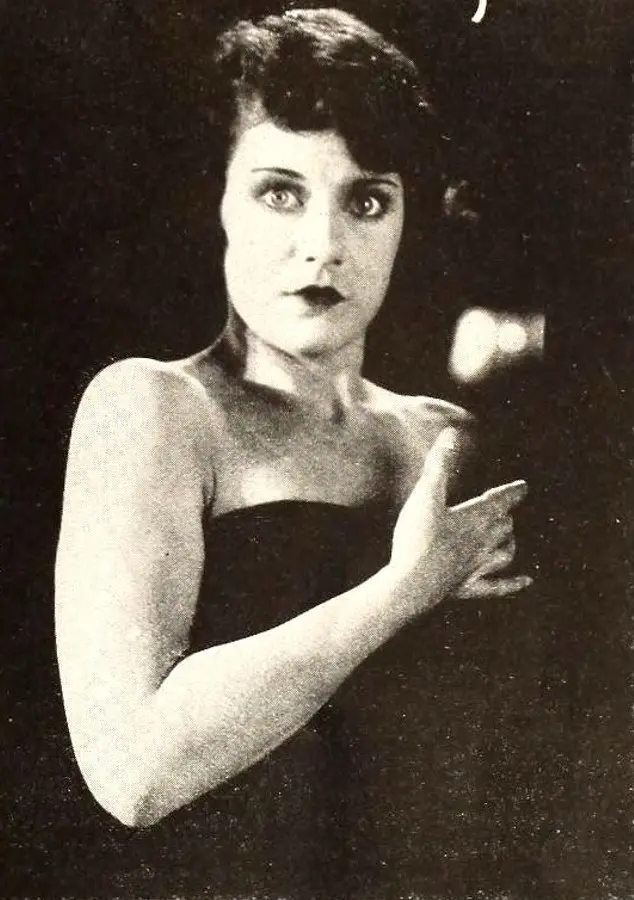
Their desperate attempt to reclaim their bridal suite by scaling a window is a moment of pure slapstick genius, reminiscent of the physical comedy that defined so much of the era. It speaks to their youthful impetuousness and their unwavering desire to salvage some semblance of their honeymoon. Yet, fate, or perhaps the writers, had other, more fiery plans. The hotel catches fire, forcing another dramatic escape, this time from a genuine peril rather than a social one. This sequence, while escalating the stakes, also serves to further isolate Muriel and Ferdie, stripping them of any conventional refuge and forcing them to rely solely on each other amidst the unfolding chaos. One might draw a parallel to the relentless, almost cartoonish, misfortunes faced by characters in other farcical silent films, where the world itself seems to conspire against the protagonists, much like the relentless pace of Frenzied Film, where one mishap leads inevitably to another, each more absurd than the last.
The couple's return to the Ashley home, weary and disheveled, marks a pivotal turning point. Here, they are confronted with the crushing news that their marriage is, in fact, invalid. The emotional weight of this revelation, after all their trials and tribulations, is palpable, even in a comedy. It’s a moment designed to elicit sympathy, to underscore the fragility of their happiness, and to set up the final, redemptive twist. The film masterfully builds this sense of despair, making the eventual resolution all the more satisfying. The narrative, up to this point, has meticulously dismantled their hopes, piece by agonizing piece, only to prepare for a grand, theatrical reassembly.
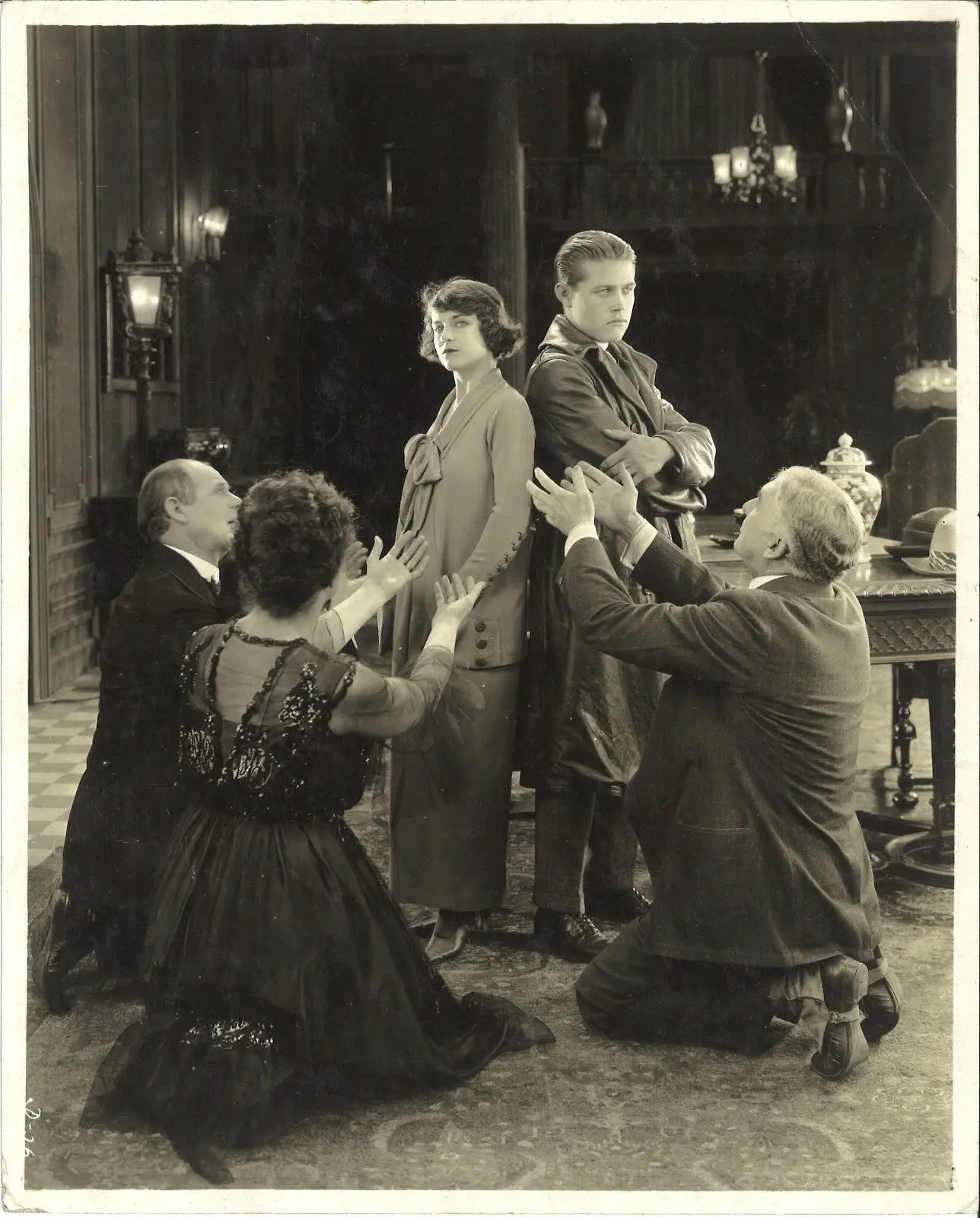
Then, in a stroke of narrative convenience that only silent comedies can truly pull off, the very 'clergyman' who set this entire chain of events in motion breaks into the Ashley house. This unexpected reappearance, leading to his capture, seems to confirm the initial suspicions of Ferdie's father. However, the film still holds one last, magnificent card. The arrival of Rev. Dr. Jenkins, portrayed by Joseph Hazelton, introduces the ultimate twist: the 'crook' is not a crook at all, but a genuine clergyman suffering from a temporary loss of memory. This revelation not only exonerates the poor man but, more importantly, retroactively validates Muriel and Ferdie’s marriage, turning their entire ordeal into a testament to their perseverance and the sheer randomness of fate.
Viola Dana, as Muriel, is an absolute revelation. Her performance is a masterclass in silent film acting, conveying a vast range of emotions – from youthful exuberance to abject despair, and ultimately, triumphant joy – with remarkable clarity and nuance. She possesses a natural charm and comedic timing that elevates the material, making Muriel not just a damsel in distress, but an active, resilient participant in her own chaotic destiny. Her expressions, her gestures, her very presence on screen are captivating, proving why she was such a beloved star of the era. Her ability to navigate the emotional rollercoaster of the plot, from the giddy anticipation of marriage to the crushing weight of invalidation and back to joyous relief, is truly impressive. She carries much of the film's emotional weight, making the audience invest deeply in Muriel's plight.
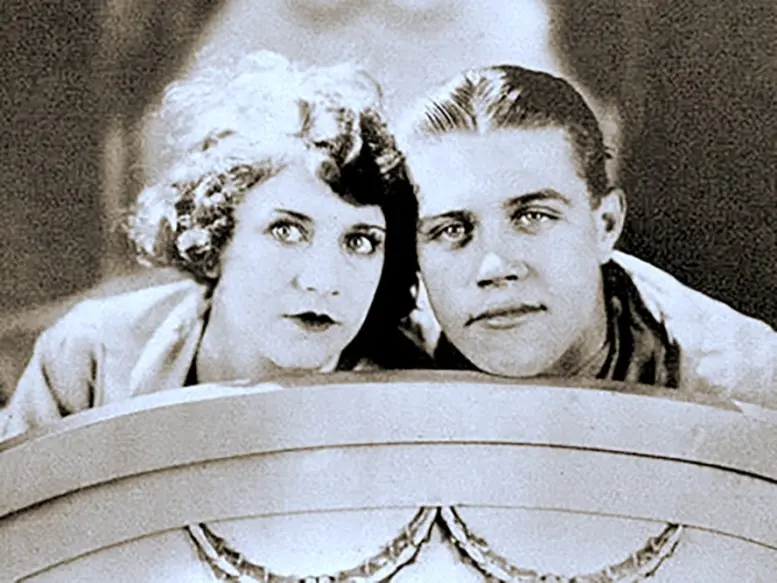
The supporting cast, including Margaret Campbell, Hugh Fay, Antrim Short, Emmett King, Tom Ricketts, Ralph W. Bell, Thomas Hadley, Joseph Hazelton, Harry Todd, W.K. Mesick, and Daisy Jefferson, all contribute to the film’s vibrant tapestry. Each actor, in their own way, understands the demands of silent comedy, delivering performances that are broad enough for the medium yet nuanced enough to feel authentic within the film’s heightened reality. Harry Todd’s portrayal of Ferdie’s disapproving father is particularly noteworthy, providing the necessary antagonistic force without ever tipping into outright villainy, maintaining a comedic edge throughout. The ensemble truly works in concert, like a well-oiled machine, to deliver the intricate comedic beats.
The direction maintains a brisk pace, essential for a comedy of errors. The narrative moves with a relentless energy, preventing any scene from overstaying its welcome and ensuring that the audience remains engaged with the rapidly unfolding events. The visual storytelling, a cornerstone of silent cinema, is expertly handled, with clear blocking and expressive pantomime guiding the viewer through the complex plot. The rapid succession of incidents – the dubious marriage, the hotel expulsion, the fire, the invalidation, and the final revelation – could easily overwhelm a less skilled hand, but here, it coalesces into a cohesive and exhilarating experience. This film certainly shares a certain kinetic energy with other period pieces that thrive on constant motion and evolving predicaments, perhaps even the comedic urgency found in Just Out of College, where the protagonist is always on the move, trying to outrun or overcome his circumstances.
Thematically, Please Get Married playfully explores the societal pressures surrounding marriage in the early 20th century, particularly the weight of parental approval and the rigid expectations placed upon young couples. The film cleverly subverts these expectations by introducing an element of pure chaos, suggesting that even the most meticulously planned unions can be derailed by unforeseen circumstances, or in this case, a forgetful clergyman. It’s a subtle commentary on the arbitrary nature of legalities when pitted against genuine affection, ultimately affirming that love, and perhaps a healthy dose of luck, will find a way. This exploration of the trials of love and societal expectations echoes the romantic struggles seen in films like The Stronger Vow, where personal desires clash with external pressures, though Please Get Married frames these conflicts through a distinctly comedic lens.
Moreover, the film’s reliance on the 'loss of memory' trope is a classic device in early cinema, often used to introduce dramatic twists or resolve seemingly insurmountable problems. Here, it’s employed with a light touch, serving as the ultimate deus ex machina that neatly ties up all the loose ends, transforming a potential tragedy into a joyous resolution. While some modern viewers might find such a resolution overly convenient, within the context of 1919 silent comedy, it’s a perfectly acceptable and often anticipated narrative flourish, designed to leave audiences with a smile rather than lingering questions. The sheer audacity of the twist, transforming a 'crook' into an amnesiac clergyman, is part of the film's enduring charm. It’s a narrative gamble that pays off, reinforcing the film’s commitment to lighthearted escapism.
The screenplay, despite its reliance on a somewhat improbable plot device, demonstrates a remarkable ingenuity in its construction. The way each event logically (within the film’s own logic, of course) leads to the next, escalating the stakes and complicating the protagonists' lives, is a testament to the writers' skill. The dialogue, conveyed through intertitles, is sharp and concise, moving the plot forward without unnecessary exposition. The comedic timing, both in the physical gags and the textual humor, is consistently effective, eliciting genuine laughter even a century later. This intricate dance of cause and effect, where every misstep has cascading consequences, can be seen as a precursor to the sophisticated farces that would later dominate the genre.
In conclusion, Please Get Married stands as a vibrant example of silent-era comedic brilliance. It’s a film that embraces the absurd, celebrates resilience, and ultimately, champions the enduring power of love—even when that love is tested by forgetful clergymen, disapproving fathers, and hotel fires. Viola Dana's performance alone is worth the price of admission (or the click of a button), but the entire production, from its clever writing to its energetic direction, offers a delightful and surprisingly sophisticated entertainment experience. It reminds us that laughter, misunderstanding, and the pursuit of happiness are timeless themes, beautifully rendered in the flickering shadows of a bygone cinematic age. This film is more than just a historical curiosity; it is a joyous, madcap adventure that continues to resonate with its sheer inventive spirit and its unwavering commitment to charming its audience. Its ability to create such a complex tapestry of humor and heartfelt emotion, all without a single spoken word, is a profound testament to the power of early filmmaking.
IMDb 4.9
1924
Community
Log in to comment.