DbcultAccessing Vault...
Cult Review
Senior Film Conservator
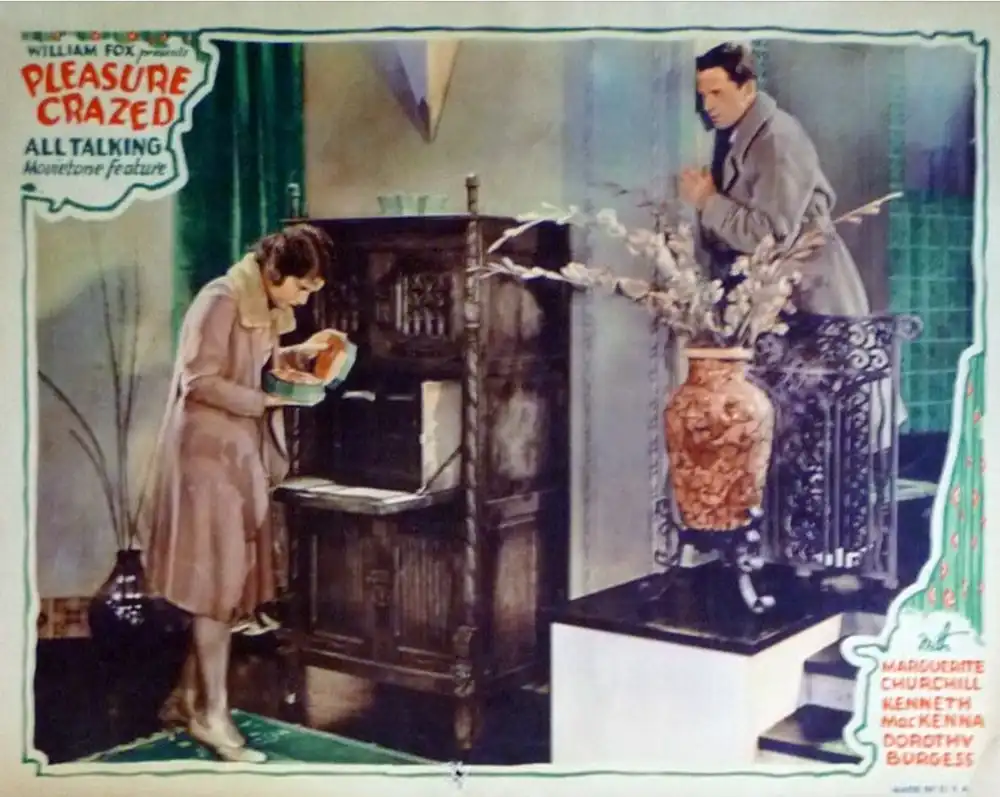
Alright, let’s talk about Pleasure Crazed. If you’re into digging up old cinema, especially those early talkies trying to figure themselves out, then yeah, this one’s probably worth a look. It’s a neat little time capsule for anyone curious about the 1920s and how movies told moral tales back then. But if you're hoping for snappy dialogue or a whirlwind pace, well, you’re gonna have a rough go. Modern audiences expecting something slick might find it a real chore.
This film is basically a cautionary yarn about a young woman, Anne (Charlotte Merriam), getting tangled up in the flashy, fast-paced world of 1920s New York. She’s got her solid, good-hearted guy, Bob (Rex Bell), back home. But then there's the big city, with its glittering parties and smooth-talking fellas like Mr. Thorne (Henry Kolker). You know the drill: temptation, bad choices, and lessons learned. 🤷♀️
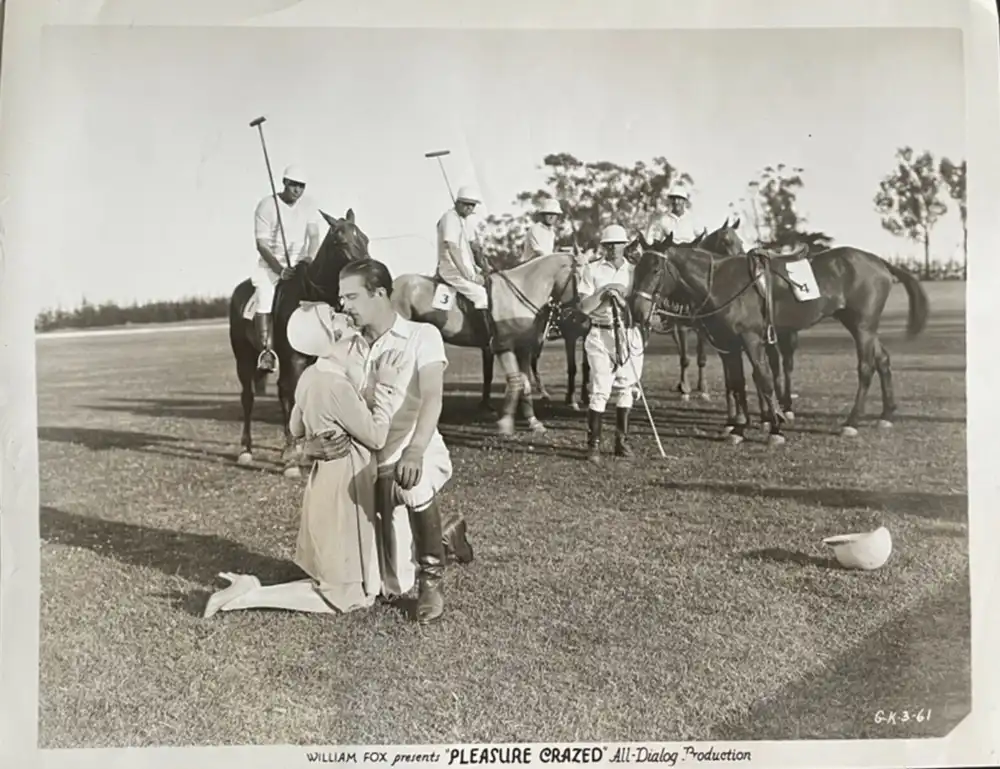
The movie opens with a party scene, and honestly, everyone is just *so* enthusiastically trying to have fun. It’s almost a bit much. You see the flapper dresses, the dancing, but it feels… staged. Like they’re all following a very strict script on how to be wild. 🎉
Charlotte Merriam, as Anne, really does try. You can catch these little moments in her eyes, especially when she’s looking at Bob, her old flame, then back to the dizzying crowd. It’s like she’s genuinely torn, even if the script pushes her pretty hard toward the “wrong” path.
And Bob, played by Rex Bell? He’s the epitome of earnest. He’s *aggressively* earnest. Always standing for the good, wholesome values. He's the guy who looks worried a lot, with good reason, I guess. He just felt a little too perfect, you know? Like a drawing of a perfect husband.
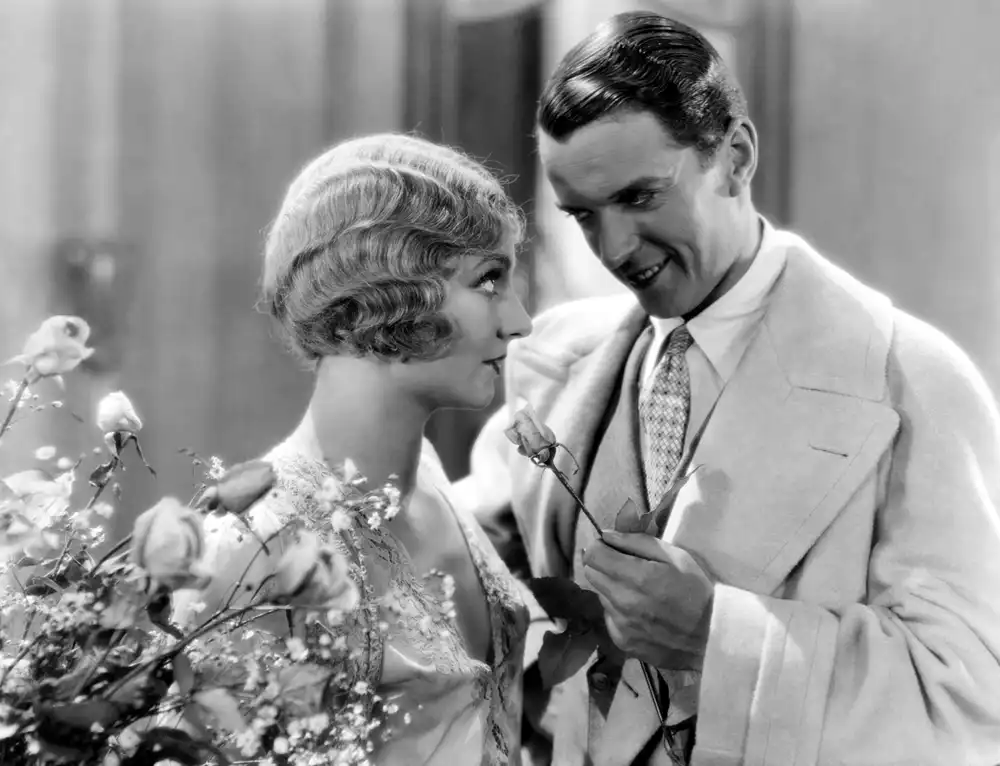
Then there’s Henry Kolker’s Mr. Thorne. He’s the smooth operator, the one with all the big city charm. He leans in when he talks, like he's sharing a secret just with you. But you know he’s bad news from his very first scene. No subtlety there at all. It's like a neon sign flashing 'danger!' above his head. 🚨
The pacing here, wow. Some scenes just *linger*. You could definitely go grab a snack, come back, and they'd probably still be having the same intense stare-down or dramatic pause. It's a bit of a marathon. 🐢
There's this particular moment when Anne is trying on a brand-new, sparkling dress. The camera holds on her reflection for just a second too long. *You can almost feel the movie trying to convince you this moment matters* more than it actually does to the overall plot. It's a dress. A nice one, sure, but still just a dress.
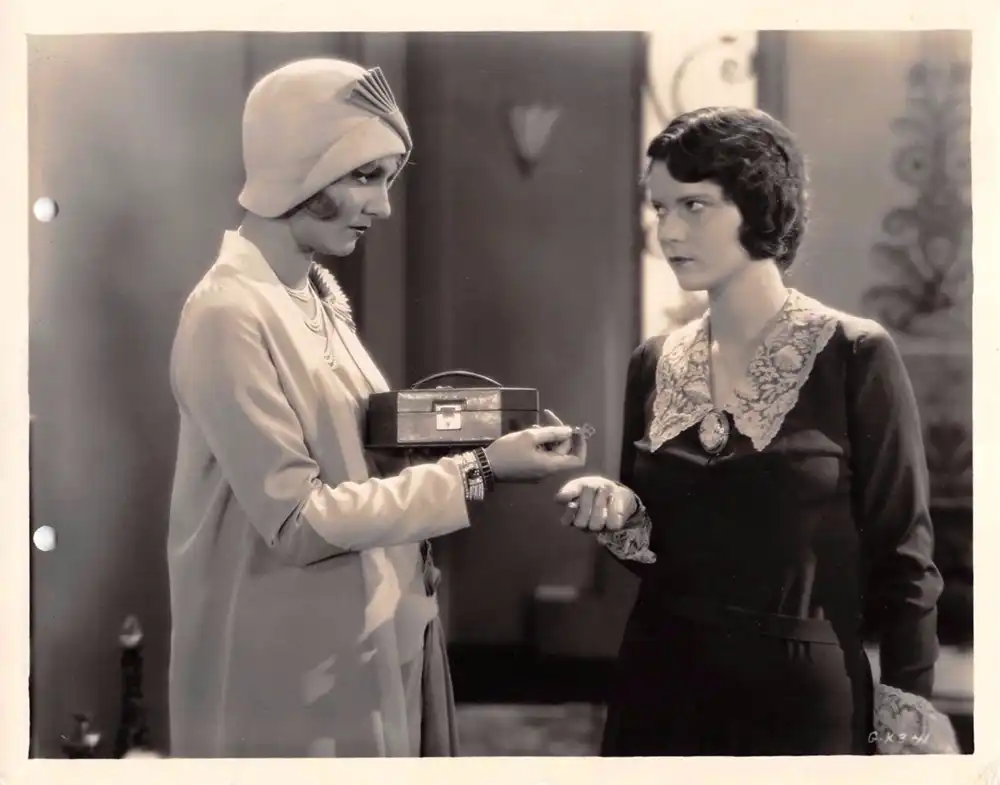
Being an early talkie, the sound quality is… well, it’s an early talkie. The dialogue often feels a little *stiff*. Like the actors are very aware they're being recorded, and maybe speaking directly into a hidden mic. Some lines feel really forced, almost like they were reading from cue cards just out of frame.
One reaction shot from Marguerite Churchill, who plays Alice. She just kinda blinks slowly. It’s supposed to be shock, I think? But it just goes on for ages. *One reaction shot lingers so long it becomes funny* after a while. You start wondering if she forgot her line or something. Bless her heart.
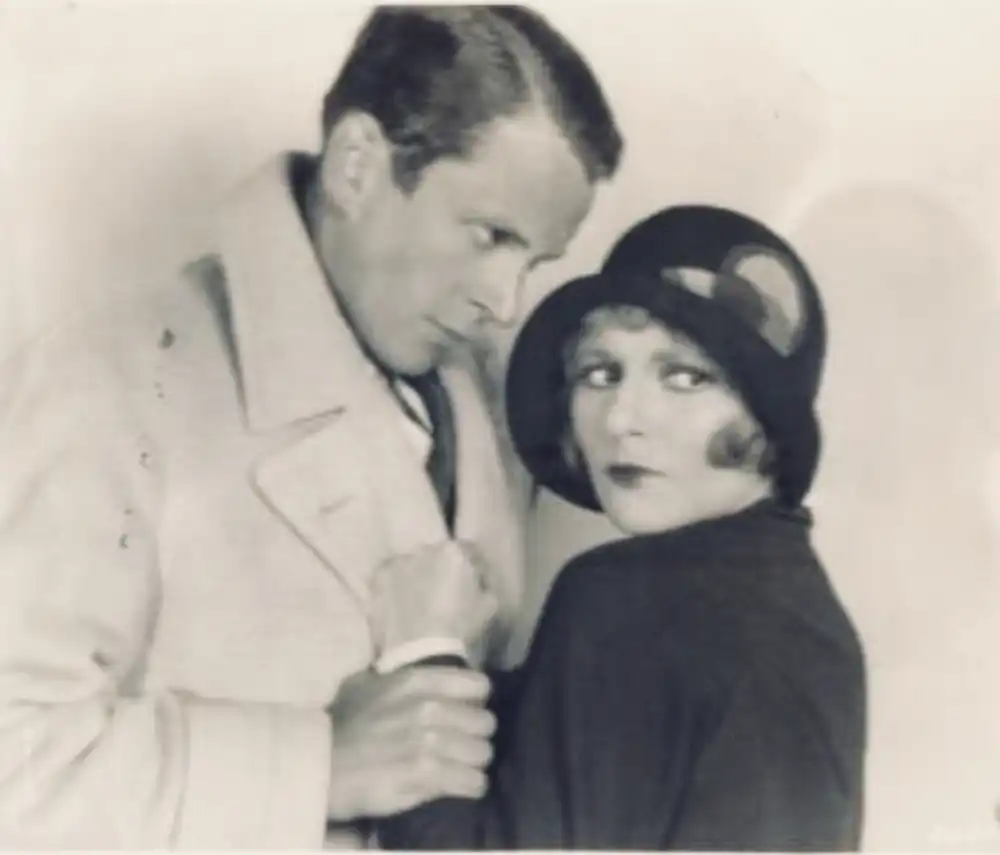
The final confrontation takes place in this dimly lit club. It’s meant to be dramatic, but honestly, the background extras look bored stiff, almost half asleep. *The crowd scenes have this oddly empty feeling, like half the extras wandered off* for a smoke break or something. It pulls you right out of the supposed tension. 😴
I did appreciate the costume design, though. Some of those flapper dresses are genuinely pretty neat. Even if they’re used here to scream “danger! temptation!” every time Anne puts one on. It’s a subtle way to show the moral descent, or, not so subtle perhaps.
The movie gets noticeably better once it stops trying to be quite so serious about its moralizing and just lets the characters be a little bit silly. Not that it *fully* commits, mind you. But those brief moments are a breath of fresh air.
It's not exactly a hidden masterpiece, this one. More like a fascinating, slightly clunky, historical artifact. It shares a certain jazz-age energy, though with a heavier moral weight, with films like Let's Do Blackbottom. It's good for seeing how cinema was evolving, but maybe not for a Friday night popcorn flick.
IMDb —
1936
Community
Log in to comment.