United States
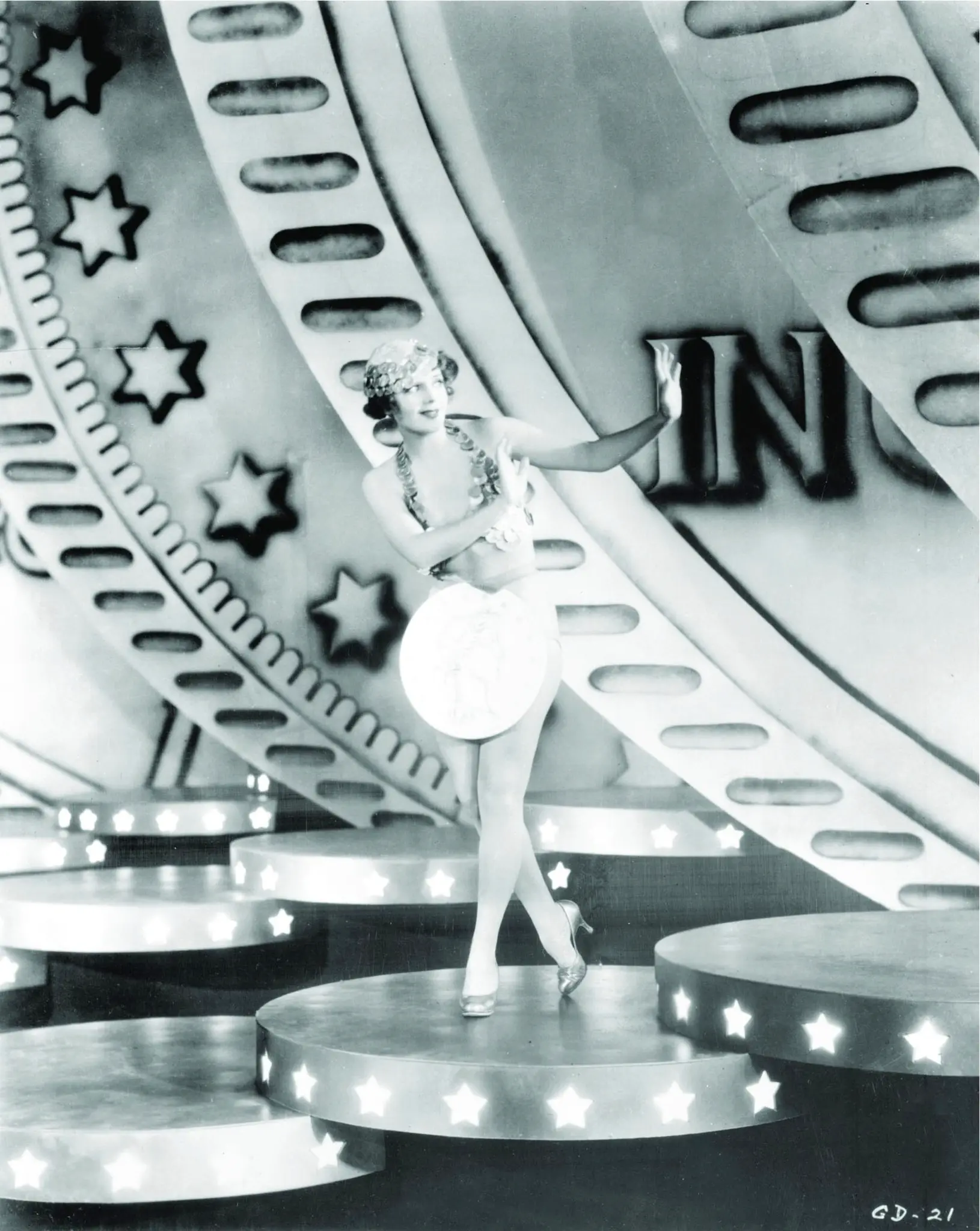
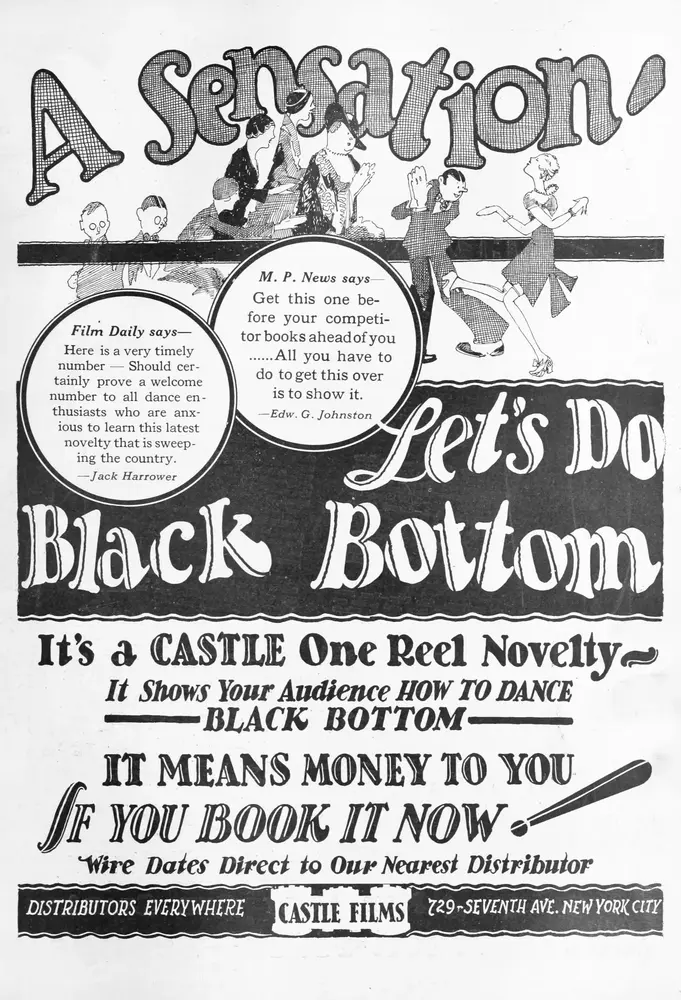
Is Let's Do Blackbottom worth your time in the age of high-definition streaming? Short answer: only if you view it as a jagged, fascinating shard of cinematic history rather than a complete movie.This film is specifically for dance historians, Vitaphone obsessives, and those who want to see the exact moment the Broadwa...

Comparing the cinematic DNA and archive impact of two defining moments in cult history.
Unknown Director

Unknown Director
Community
Log in to comment.
"Is Let's Do Blackbottom worth your time in the age of high-definition streaming? Short answer: only if you view it as a jagged, fascinating shard of cinematic history rather than a complete movie.This film is specifically for dance historians, Vitaphone obsessives, and those who want to see the exact moment the Broadway stage began to colonize the silver screen. It is absolutely not for anyone who requires a coherent plot, high-fidelity audio, or a runtime longer than a coffee break.The Verdict ..."