DbcultAccessing Vault...
Cult Review
Senior Film Conservator
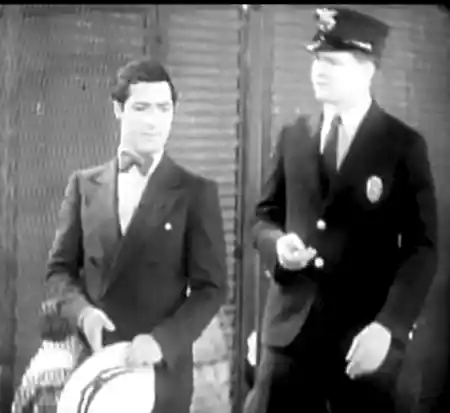
Okay, so Politics from 1930. If you’re really, truly into old movies, the kind that feel like a direct window into a different era, this one’s got some unique charm. For anyone else, especially if you’re expecting modern pacing or slick production, it’s probably a hard sell. Think of it more as a quiet, dusty time capsule. If you enjoy seeing how early talkies tackled drama and, well, the very human messiness of campaigning, you'll find something to latch onto. But if you’re hoping for anything fast-paced or super polished, you’ll probably be checking your watch.
George Jessel plays Joe, our ambitious campaign manager. He’s got that classic fast-talking energy, a real charmer who knows how to work a room. It’s less about grand, sweeping speeches and more about the handshakes, the quiet assurances, the little promises made in crowded offices.
There’s a quick scene where Joe’s pacing his office, phone pressed to his ear, and you can almost feel the stress radiating off him. The sound of the old rotary phone ringing constantly, it’s a small thing, but it really sets the mood.
But then the big emotional beat drops: his long-lost mother shows up at Ellis Island. Suddenly, Joe’s carefully managed political life, all about appearances and strategy, hits a deeply personal snag. That whole sequence, from the moment he hears the news to seeing her arrive, it’s surprisingly heavy. You feel the weight of what that means for him, this guy who’s all about being in control, suddenly having this very real, very *un-political* family moment thrust right into his campaign.
There’s a shot of Jessel, just after he gets the call about his mom. His usual confident grin just… vanishes for a split second. It’s a really quick change, but it perfectly sells the internal shift happening in him. He's not just a politician; he's a son.
The sound quality, as you’d expect for 1930, is a mixed bag. Sometimes the dialogue feels a little *too* crisp, almost like the actors are over-enunciating for the microphones. Other times, it can get a bit muffled, especially during crowded scenes.
Barton MacLane, even in what feels like a supporting role, has this definite presence. He plays a guy who seems to know how things *really* work, maybe a bit on the shady side. He makes for a good, subtle contrast to Jessel’s more outwardly charming character.
You can almost feel the movie trying to convince you this mother storyline matters, and it absolutely does, but it sometimes feels like two slightly different plays stitched together. The political maneuvering and the family drama, they weave in and out, not always seamlessly.
The scenes in the campaign office are bustling, but it's a very specific kind of bustle. Lots of guys in hats, all smoking. The phones ring with a surprisingly loud, almost jarring *brrrring* that cuts through the chatter.
One small detail that stuck with me was a close-up on an old campaign poster. It looked so earnest, with a simple, direct promise. It just makes you wonder about the simpler expectations people had for their politicians back then.
The pacing definitely has its sluggish parts. There are stretches where the talking just… keeps going, and you might lose focus. But then you get these little bursts, like when Joe has to deal with a sudden, unexpected crisis, and it picks up quite a bit.
It’s not really about grand conspiracies, not in the way modern films portray them. It’s more about the daily grind, the small deals, and the very *human* element of trying to win over people’s hearts and votes. It feels very grounded in its time.
The ending isn’t some huge, dramatic climax. It feels more like a quiet resolution. Life just keeps going, even after the big campaign, even after the personal challenges are faced. It leaves you with a thoughtful sigh, rather than a bang.
IMDb 6.1
1934
Community
Log in to comment.