DbcultAccessing Vault...
Cult Review
Senior Film Conservator
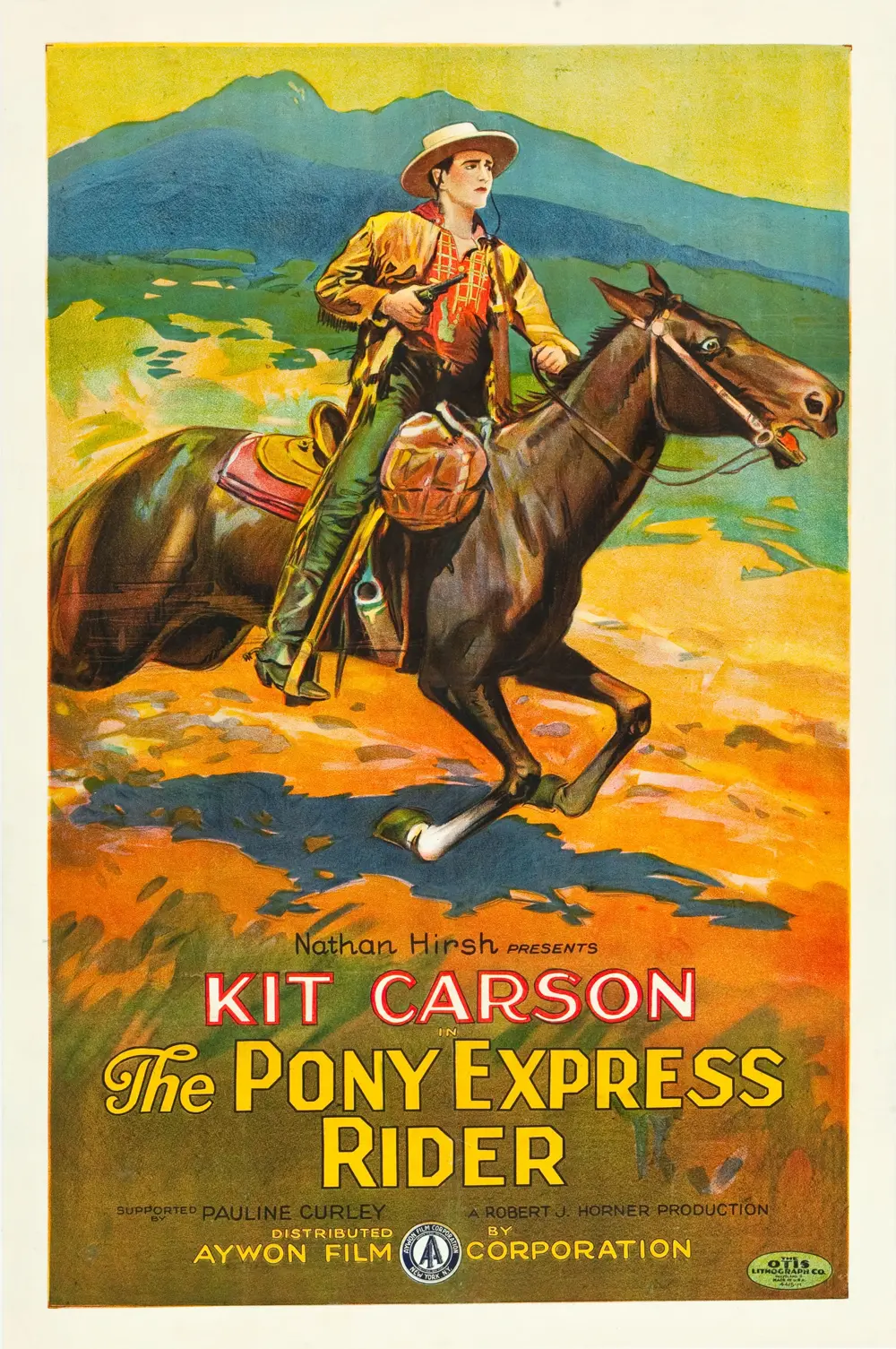
Is 'Pony Express Rider' worth watching in today's crowded cinematic landscape? Short answer: yes, but with significant caveats that demand a specific viewing mindset. This film is an intriguing, if imperfect, window into early American cinema and the nascent Western genre, making it a compelling watch for film historians, genre enthusiasts, and those curious about the foundational narratives of Hollywood. However, it is decidedly not for viewers seeking modern pacing, sophisticated character development, or unproblematic historical portrayals.
This film works because of its raw, unvarnished depiction of frontier life, offering a genuine glimpse into the daring spirit of the Pony Express, even if romanticized. Its ambition, for its era, is palpable.
This film fails because its narrative simplicity and reliance on broad character strokes can feel shallow to contemporary audiences, and certain historical depictions are, frankly, quite dated and uncomfortable.
You should watch it if you appreciate the historical context of early cinema, enjoy silent film acting, or are a devoted Western aficionado willing to overlook considerable artistic and thematic limitations for the sake of genre study.
This early Western, "Pony Express Rider," emerges from an era when the cinematic language was still being codified, yet its ambition to capture the rugged spirit of the American frontier is unmistakable. Directed with a focus on action and clear narrative progression, it tells a tale of redemption and duty, albeit through a lens that feels both quaint and, at times, startlingly direct. The film, starring William Barrymore as the conflicted Bill Miller, attempts to elevate the simple hero's journey with stakes that feel genuinely life-or-death, a characteristic often lost in later, more polished genre entries. There's a certain charm in its earnestness, a quality that makes it more than just a historical artifact.
One cannot discuss "Pony Express Rider" without acknowledging its place within the burgeoning Western genre. Released when the mythos of the American West was still very much alive in the cultural consciousness, it capitalizes on familiar tropes: the dangerous wilderness, the noble (or ignoble) outlaw, the damsel in distress, and the ever-present threat of "Indians on the warpath." This last element, while integral to the film's conflict, is undeniably its most problematic aspect for a modern audience. The portrayal of Native Americans is, predictably, simplistic and often villainous, reflecting the pervasive prejudices of the time rather than a nuanced understanding. It's a stark reminder of how far cinematic representation has, thankfully, evolved, and requires viewers to engage with the film critically, separating its historical value from its ethical shortcomings.
The film's strength lies in its ability to convey a sense of genuine peril. The Pony Express was, after all, a remarkably dangerous undertaking, and "Pony Express Rider" manages to translate this into tangible tension. When Bill Miller gallops across the screen, the physicality of the ride, the dust, the speed – even in silent film – is palpable. This isn't a film that relies on intricate psychological drama; it thrives on the visceral thrill of the chase and the clear-cut stakes of good versus evil. For example, a particular sequence involving a nighttime ambush, while technically rudimentary, effectively builds suspense through rapid cuts and the desperate struggle of Miller to protect the mail. It's not subtle, but it is effective.
William Barrymore, as Bill Miller, carries the bulk of the film's emotional weight, a significant task in the silent era where exaggerated expressions and physical gestures were paramount. Barrymore delivers a performance that oscillates between brooding intensity and earnest heroism. He successfully conveys Bill's internal struggle, particularly in the early scenes where his outlaw past is hinted at, through a furrowed brow and a certain guardedness in his posture. His transformation into a responsible Pony Express rider is depicted less through dialogue and more through his increasingly determined gaze and confident bearing. There's a moment, after his first successful mail run, where a subtle nod and a slight smile convey more pride and relief than pages of spoken lines ever could. This is the power of silent acting at its best: communicating volumes through minimal, yet deliberate, action.
Pauline Curley, portraying the romantic interest, provides the necessary emotional anchor for Bill's redemption arc. Her character, while not deeply explored, serves as the catalyst for Bill's desire for respect and a settled life. Curley’s performance is typical of the era: demure, yet capable of expressing distress and affection with clarity. Her wide-eyed concern during moments of danger, contrasted with her gentle smiles towards Bill, are stock, but effective. One might argue her role is largely archetypal – the innocent frontier girl who inspires the hero – but Curley imbues it with a certain grace that prevents her from becoming a mere prop. Her chemistry with Barrymore, while understated, is sufficient to sell the burgeoning romance, particularly in a scene where they share a quiet moment by a campfire, their faces illuminated, suggesting a future beyond the immediate dangers.
The supporting cast, largely comprised of character actors common to the era, performs its duties admirably. The bandit chief, for instance, is a snarling, mustache-twirling villain, a caricature designed for immediate recognition and disdain. His theatricality, while perhaps laughable by today's standards, perfectly served the narrative demands of early cinema, providing a clear antagonist against whom Bill's heroism could shine. The "Uncle Sam" figure, representing authority and respect, is equally straightforward, a symbol rather than a complex individual. This film, like many of its contemporaries, prioritized broad strokes over intricate detail, a choice that, while limiting, allowed for clear storytelling without the crutch of spoken dialogue.
The direction in "Pony Express Rider" is functional, prioritizing clarity and action over stylistic flourishes. There’s a directness to the filmmaking that, while not groundbreaking, is effective in moving the story forward. The director, likely working with limited resources and tight schedules, makes good use of the natural Western landscapes, lending an authentic backdrop to the proceedings. The wide shots of riders silhouetted against the horizon, a staple of the genre, are present and effectively convey the vastness and isolation of the frontier. These shots, while perhaps not as artistically composed as those in later, more renowned Westerns, possess an unpretentious beauty that grounds the narrative.
Cinematography, for a film of its age, is surprisingly competent. While one won't find the intricate lighting or dynamic camera movements of a The Last Laugh, there’s an admirable effort to capture the rugged terrain and the speed of the horses. Close-ups are used sparingly but effectively to highlight emotional beats, such as Bill's determined expression or the girl's worried glance. The use of natural light is evident throughout, giving the outdoor scenes an authentic, sun-drenched quality. However, interior scenes occasionally suffer from flat, utilitarian lighting, typical of early studio productions. This contrast sometimes makes the film feel disjointed, moving from the grandeur of the outdoors to the rather mundane confines of a cabin or saloon.
One particular visual choice that stands out, for better or worse, is the frequent use of intertitles. While essential for silent film, their placement and content can sometimes interrupt the visual flow. Yet, they also serve to add context and, at times, a touch of melodrama that defines the era. Consider the title cards describing the "Indians on the warpath" – they are blunt and sensational, setting a clear tone of conflict and impending doom, even if they simplify a complex historical reality. This reliance on text underscores the film's primary goal: to tell a clear story, even if it means sacrificing some visual sophistication.
The pacing of "Pony Express Rider" is, by modern standards, uneven. It begins with a brisk introduction to Bill Miller's character and his new role, quickly establishing the central conflicts. The action sequences, particularly the horse chases and skirmishes, are edited with a sense of urgency that effectively builds excitement. However, the quieter moments, especially those dedicated to the burgeoning romance or the bureaucratic aspects of "Uncle Sam's" mail, can feel protracted. This is a common characteristic of silent films, where scenes often linger slightly longer to allow audiences to absorb the visual information and intertitles.
The film's tone is a curious blend of earnest adventure, budding romance, and frontier melodrama. There's a straightforward morality at play: Bill is an outlaw seeking redemption, and his journey is clearly delineated as a path from darkness to light. The threats are unambiguous, and the heroes are easily identifiable. This lack of moral ambiguity, while perhaps simplistic, contributes to the film's accessibility and its appeal as a foundational Western. It’s a film that doesn’t shy away from depicting violence (within the constraints of its era), but it always frames it within a clear moral context. The lighthearted moments, often involving Bill's interactions with the girl, provide a necessary counterpoint to the relentless danger, offering glimpses of the idyllic life he yearns for.
My unconventional observation here is that the film's very limitations – its reliance on broad strokes, its somewhat stilted acting by today's standards – inadvertently contribute to its charm. It feels like a direct, unfiltered dispatch from a bygone era, less a polished movie and more a historical document of storytelling. The lack of pretension is refreshing; it simply is a Western, with all the rough edges that implies. It works. But it’s flawed.
The portrayal of Native Americans remains the most significant tonal challenge. While the film attempts to create a sense of danger, it does so by reducing an entire people to a monolithic, hostile force. This is not just a historical inaccuracy but a deeply problematic trope that permeates early Westerns. Viewing this film today requires a conscious effort to contextualize these elements within the period of its creation, acknowledging their offensive nature without letting them entirely overshadow the film's other historical and artistic merits. It's a tricky balance, but one necessary for critical engagement with older media.
Yes, "Pony Express Rider" is worth watching for specific audiences. It offers a valuable look into early silent Westerns. It showcases foundational genre tropes. It provides insight into early film acting techniques.
IMDb 5.6
1931
Community
Log in to comment.