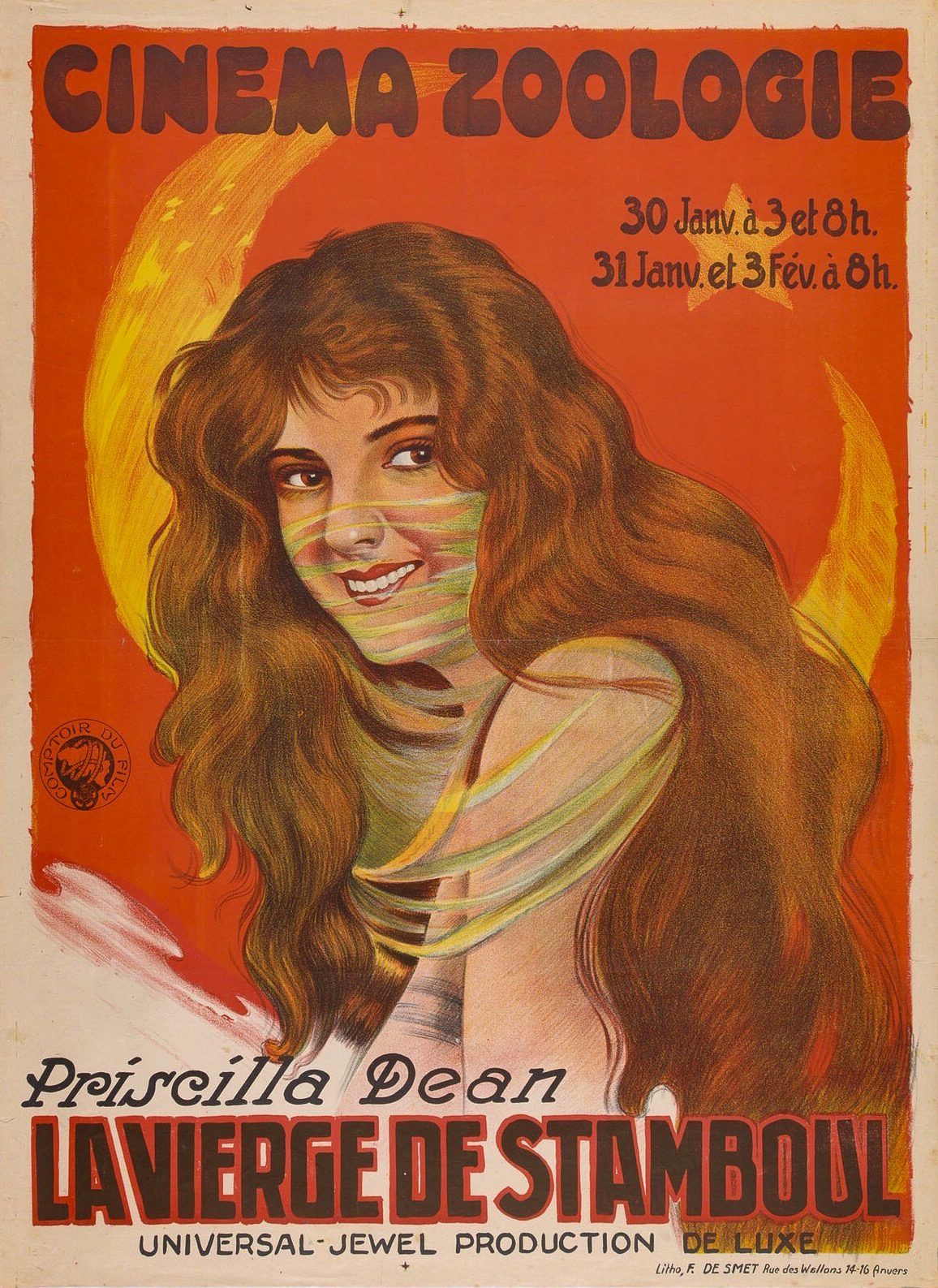
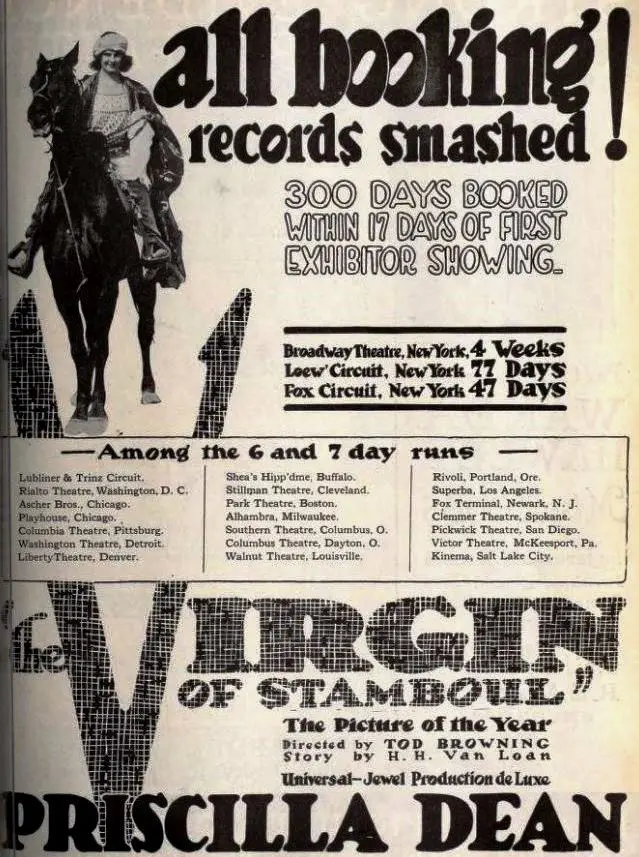
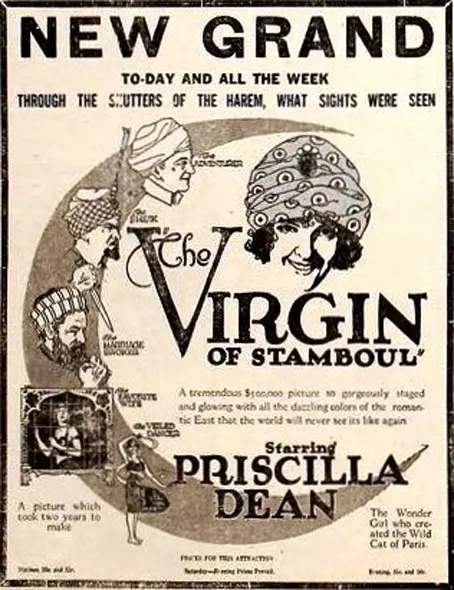
Gaslight flickers across the antique aperture of The Virgin of Stamboul, a 1920 silent fever where Tod Browning stitches exotica and bloodlust onto the silken canvas of post-WWI escapism. Scenes unfurl like opium smoke: a Turkish stronghold crouched above the Bosporus, lattice-work harems whispering of bondage, and an Occidental hero barging in with star-spangled savior complex. The plot—Achmet Bey’s jealous blade, the abduction of moon-lit innocence, and a trans-continental pursuit—may scan as pulp, yet beneath the sandalwood perfume lurks a self-lacerating gaze at ownership, both of flesh and of narrative.
Visual Alchemy in Sepia
From the first iris-in, cinematographer Alvin K. B. Ashcraft floods the frame with tungsten umber, letting Constantinople glint like a tarnished medallion. Note the moment Achmet Bey drags the trembling girl through a corridor: the camera tilts upward, revealing a procession of crescent windows—each a miniature moon imprisoning its own wan ghost. It’s a flourish worthy of The Lash’s chiaroscuro bullwhip, yet freighted with erotic trepidation.
Performances: Between Caricature and Corporeal Truth
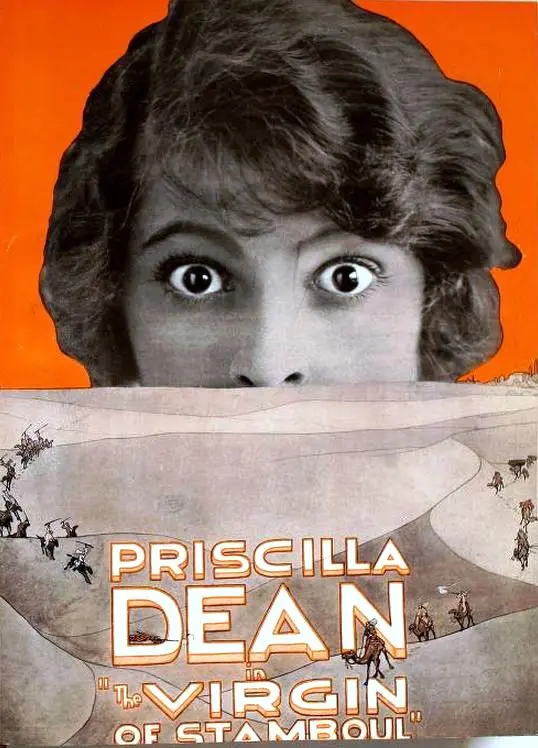
Priscilla Dean, essaying the eponymous "virgin," wavers between porcelain stillness and sudden hawk-like alertness—her eyes telegraph panic without sliding into damsel cliché. Opposite her, Wheeler Oakman’s American rescuer exudes the kind of jaunty swagger that would later ossify into Saturday-serial heroism, but here it still feels unvarnished, almost self-mocking. Meanwhile Wallace Beery as Achmet Bey prowls with leonine bulk, mustache drooping like a scimitar in scabbard; his silent-film histrionics skirt brown-face burlesque yet achieve menace through micro-gestures—the twitch of a thumb against his belt, the inhale that flares his nostrils into dark coins.
Screenplay’s Uneasy Pas de Deux
William Parker and H. H. Van Loan lace intertitles with perfumed clichés ("the scented shackles of the seraglio"), but the cadence—half Poe, half travel brochure—mirrors the West’s oscillation between revulsion and allure. Compare the moralistic onslaught of What Becomes of the Children?; here, vice is not punished by domestic propriety but by geopolitical bravado: enter the Yankee, stage left, to re-map the Orient as salvageable.
Rhythm & Montage: A Pulse under the Rubble
At 72 minutes, the film pirouettes from stasis to stampede: languid harem tableaux smash-cut to keelboats ablaze. Browning’s trademark preoccupation with mutilation—echoed later in The Guilty Man—surfaces in the murder tableau: a swift shadow-play silhouette, then a crimson handprint on alabaster. The economy of imagery makes each splice feel like arterial spurt.
Sound of Silence: Orchestrating the Void
Though originally accompanied by live kemenche and military snare, the current Kino restoration opts for a new score—duduk laments braided with glitchy analog synths. Anachronistic? Perhaps, yet the dissonance externalizes the film’s own schizophrenia: archaism vs. modernity, East vs. West, chastity vs. ravenous desire.
Colonial Gazes & Contemporary Reckoning
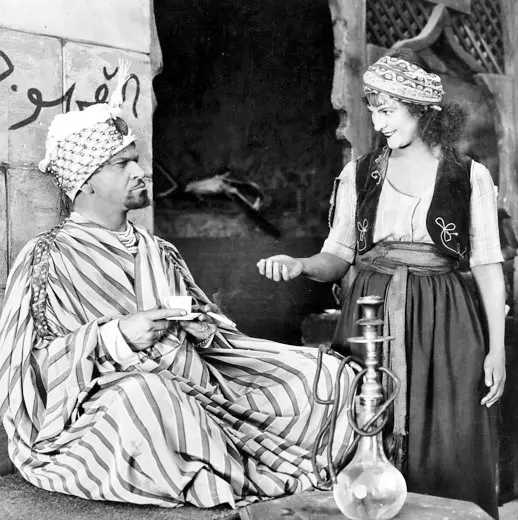
Unavoidable is the film’s orientalist scaffolding—every mosaic looks looted, every concubine glazed otherworldly. Yet Browning, who spent carnivalesque years among circus sideshows, cannot resist peeling the veneer: note the eunuch’s sidelong smirk when the American barges in, a flicker of recognition that the intruder is merely swapping brands of patriarchy. In that smirk, the picture anticipates post-colonial critique decades early—comparable only to the jaundiced view of occidental decadence found in In the Clutches of the Paris Apaches.
Gender under the Lattice
The harem operates as panopticon: women policing women under the unseen lens of male entitlement. Dean’s character weaponizes passivity—her stillness jams the system, forcing Achmet to overplay his brutality and thus hasten his downfall. It’s a strategy akin to the wilting-but-resilient child performer in Youth's Endearing Charm, though here the stakes are corporeal sovereignty rather than mere social propriety.
Legacy: From Footnote to Fountainhead
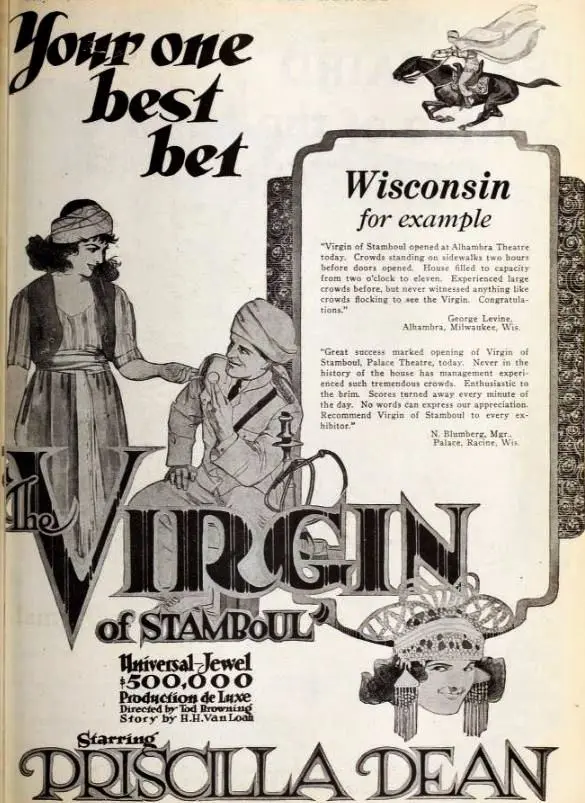
Critically mauled in 1920 for "lurid ethno-fantasy," The Virgin of Stamboul survives as a Rosetta Stone for tracing Browning’s eventual obsessions: the terror of intimacy, the carnival of deformity, the porous membrane between savior and exploiter. Without this trial run we might never have gotten the morbid grandeur of Dracula (1931) or the gender dystopia of Freaks (1932). The film’s DNA even ripples into contemporary diaspora cinema—recall the harem-as-prison metaphor resurrected in recent Turkish-German co-productions.
A Collector’s Caution
Surviving prints suffer nitrate erosion; the Kino BD exhibits cigarette-burn scuffs during reel-changeovers, and the famed two-strip turquoise tint survives only in fragmented Turkish archival rolls. Purists may hiss, yet these scars testify to the film’s perilous voyage—much like its heroine—through a century of cultural sea-change.
Comparative Lens
Set the film beside the teutonic morality fable Auf Probe gestellt and you’ll notice mirrored tableaux of courtroom exoneration, though Stamboul displaces jurisprudence onto the marketplace of bodies. Against the Magyar pastoralism of A csikós, Browning’s Constantinople feels like a feverish anti-pastoral—no sweeping plains, only claustrophobic corridors of desire.
Final Projector Whir
Is The Virgin of Stamboul a relic of racist kitsch, or a proto-feminist Trojan horse smuggled inside imperial fantasy? The answer, like the Bosporus itself, churns with contradictory currents. Embrace its perfume, recoil at its bruises, but by all means witness this artifact in motion—preferably at a midnight screening where the projector’s mechanical heartbeat syncs with your own, and the ghosts of 1920 exhale through the cracks in the silver.