DbcultAccessing Vault...
Cult Review
Senior Film Conservator
Stepping into the world of silent cinema is often akin to opening a forgotten diary, each frame a whispered secret from a bygone era. Yet, certain films transcend their historical context, their emotional resonance echoing across decades, proving that the human heart's complexities are timeless. Possession, a captivating drama from 1919, is precisely such a creation. It is a stark reminder that even without spoken dialogue, the power of visual storytelling, nuanced performances, and a deeply affecting narrative can etch itself indelibly into one’s consciousness. This film, with its profound exploration of love, sacrifice, and societal constraints, offers a window into the moral quandaries that defined an age, while simultaneously reflecting dilemmas that, in various guises, persist today.
At its core, Possession unravels a tale of desperate measures taken in the face of unforgiving societal norms. Our protagonist, caught in the throes of a clandestine love affair with a Russian gentleman, finds herself in the most precarious of positions: she is secretly married, yet her union remains unrecognized, rendering her child, in the eyes of society, illegitimate. The era’s stringent moral codes offered little quarter for such circumstances, threatening to brand both mother and child with an indelible mark of shame. It's a predicament that forces an agonizing choice, a crucible of maternal instinct versus personal happiness. The solution she devises, born of a fierce love for her infant and a desperate need to secure its future, is a profound act of self-abnegation: she marries her own cousin. This union, a façade designed to bestow a respectable name upon her child, is a testament to the lengths to which a woman would go to protect her offspring from the harsh judgment of the world. The film meticulously portrays the emotional labyrinth of such a charade, the quiet agony of living a lie, and the profound cost of sacrificing one's truth for another's perceived well-being.
The screenplay, penned by the perceptive Olive Wadsley, demonstrates a keen understanding of human psychology and the societal pressures that often dictate personal fates. Wadsley’s narrative doesn’t merely present a plot; it delves into the intricate web of emotions that compel individuals to make such life-altering decisions. Her writing, translated onto the silent screen, relies heavily on the actors' ability to convey profound internal struggles through expression and gesture, a demanding art form that the cast of Possession masterfully navigates. It speaks volumes to Wadsley's skill that such complex motivations and moral quandaries are communicated with such clarity, making the audience deeply empathize with the protagonist's impossible choices.
Annie Esmond delivers a performance that is nothing short of captivating. As the woman torn between illicit love and maternal duty, she imbues her character with a fragile strength, a quiet resilience that resonates deeply. Her eyes, often downcast or brimming with unshed tears, convey the immense weight of her secret and the silent burden of her sacrifice. Every gesture, every subtle shift in her posture, communicates the profound internal conflict she endures. It is a masterclass in silent acting, where the absence of dialogue necessitates an even greater reliance on physical and facial expressiveness. Her portrayal ensures that the audience feels every pang of her heartache, every flicker of hope, and the crushing reality of her predicament. The gravity of her situation, the constant threat of exposure, and the emotional toll of living a lie are palpable through her nuanced performance.
Gerald Ames, as the cousin who enters into this marriage of convenience, provides a compelling counterpoint. His character is not merely a plot device; he is a man entangled in a complex web of familial obligation and perhaps, unspoken affection. Ames’s portrayal suggests a quiet dignity, a man who, while perhaps not fully aware of the depths of his wife’s secret, carries his own burden of unfulfilled desires or understated compassion. The dynamic between Esmond and Ames is one of strained formality, a silent acknowledgment of the unbridgeable chasm between them, even as they share a life. Their scenes together are often charged with an unspoken tension, a poignant reminder of the love that cannot be, and the love that is merely a pretense. One might draw parallels to the thematic undercurrents in films like The Make-Believe Wife, where the facade of marriage conceals deeper truths and emotional compromises. Both films explore the intricate dance of deception within marital bounds, though Possession adds the profound layer of maternal sacrifice.
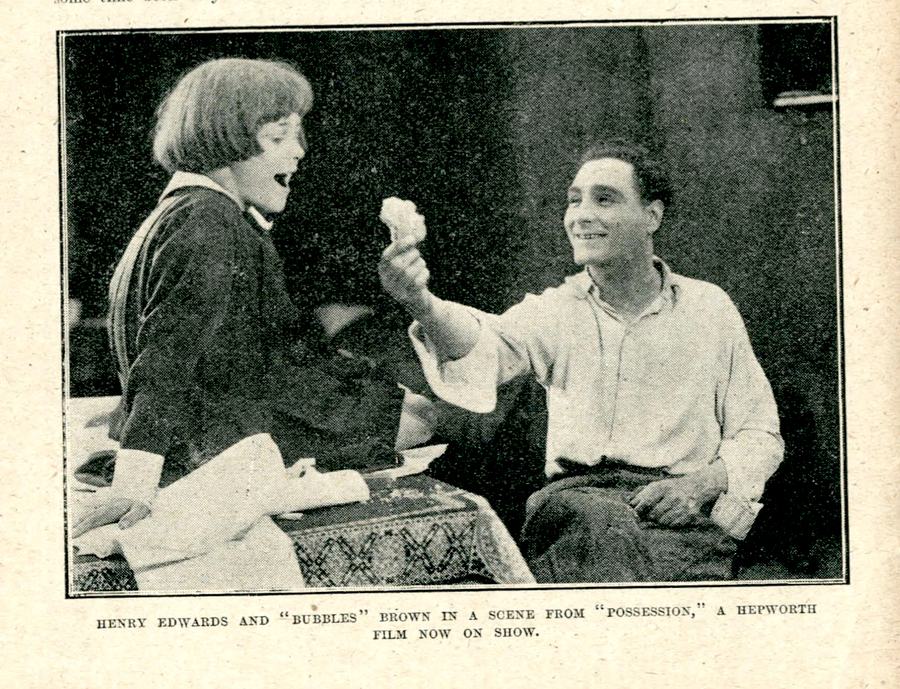
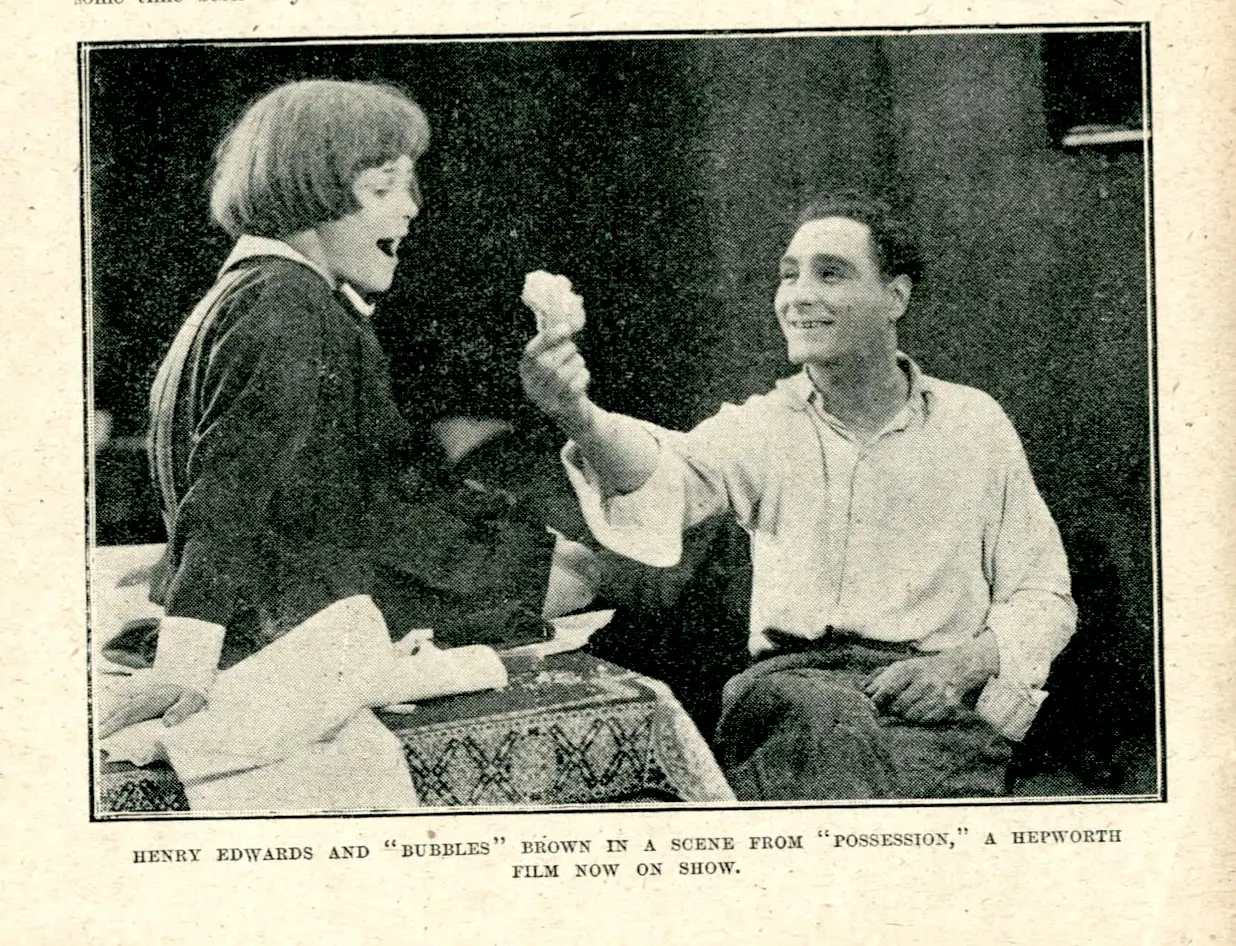
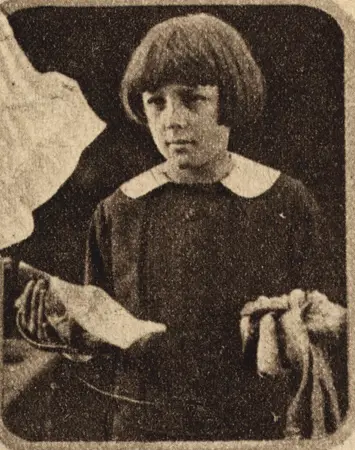
The supporting cast further enriches the film’s emotional landscape. Stephen Ewart, Henry Edwards, Gwynne Herbert, Chrissie White, and Bubbles Brown, each contribute to the tapestry of characters that surround the central drama. Their performances, though perhaps less central, are crucial in establishing the societal backdrop against which the protagonist's struggle unfolds. They represent the world that judges, the family that observes, and the innocent child who is the unwitting catalyst for such profound sacrifice. The child, portrayed by Bubbles Brown, is a silent, yet powerful, symbol of hope and the future, making the mother's choices all the more heart-wrenching. The film expertly uses these peripheral characters to amplify the isolation and internal conflict of the main character, showcasing the societal pressures that necessitate her desperate actions.
The cinematography, typical of the era, relies on clear, functional framing, yet it is often imbued with an artistic sensibility that elevates the emotional impact. Close-ups are used judiciously to highlight moments of intense feeling, allowing the audience to intimately connect with the characters’ inner turmoil. The use of light and shadow, though perhaps not as overtly dramatic as in later expressionist works, serves to underscore the clandestine nature of the protagonist’s life and the dark corners of her secret. The visual language of the film is articulate, speaking volumes without a single uttered word, a testament to the directors and cinematographers who mastered this unique form of communication. The settings, whether grand interiors or more intimate spaces, are carefully chosen to reflect the social standing and emotional states of the characters, adding another layer of depth to the narrative.
Thematically, Possession is a rich tapestry woven with threads of love, deception, identity, and the relentless grip of societal expectations. It asks profound questions about what it means to truly 'possess' something – be it love, a name, or a future. The protagonist’s actions are driven by a fierce desire to possess a legitimate future for her child, even if it means sacrificing her own happiness and true identity. This struggle for identity, for a place within society's rigid framework, is a powerful and enduring theme. It’s a narrative that resonates with the notion of a 'test of womanhood', not in the conventional sense, but in the extraordinary trials a woman endures for her offspring. In this vein, one might consider its thematic kinship with The Test of Womanhood, where female characters often face severe moral and social challenges that define their strength and resolve. The film also touches upon the concept of 'human driftwood,' where individuals are cast adrift by circumstances beyond their control, struggling to find an anchor in a tumultuous world, much like the protagonist's initial precarious position before her desperate act. The emotional landscape presented is one where personal desires are constantly pitted against the seemingly insurmountable barriers of public perception and moral decree.
The film's exploration of motherhood is particularly poignant. It elevates the maternal instinct to an almost mythical status, portraying it as a force capable of inspiring the most selfless and heartbreaking acts. The protagonist's choice is not born of malice or selfishness, but of an all-consuming love that prioritizes her child's welfare above her own emotional truth. This unflinching portrayal of maternal devotion, even in the face of profound personal loss, is what gives Possession its enduring power. It challenges the audience to consider the ethical complexities of such a sacrifice: Is a life built on a lie inherently flawed, or is the purity of the underlying intention enough to sanctify it? The silence of the era only amplifies these questions, leaving the audience to ponder the unspoken thoughts and feelings of the characters, making their emotional burdens all the more tangible.
The historical context of Possession also lends it significant weight. Released in 1919, in the immediate aftermath of World War I, society was grappling with immense changes, yet many traditional values remained firmly entrenched. The film reflects a period where women's roles were evolving, but the societal expectations regarding marriage, family, and public reputation remained intensely conservative. The protagonist's plight is a microcosm of the broader struggles faced by women seeking agency and respect within a patriarchal framework. The film serves as a historical document, illustrating the severe consequences for those who deviated from prescribed social norms. It highlights how the 'possession' of a good name and a legitimate lineage was paramount, often outweighing personal happiness or even truth.
In conclusion, Possession is far more than just a relic of the silent film era; it is a powerful and deeply moving cinematic experience. Through the nuanced performances of Annie Esmond and Gerald Ames, and the thoughtful narrative crafted by Olive Wadsley, the film transcends its time to speak to universal themes of love, sacrifice, and the enduring human spirit. It is a testament to the artistry of early cinema, proving that emotional depth and complex storytelling do not require spoken words. For those who appreciate the profound beauty and raw emotion of silent films, or indeed, any cinema that dares to explore the intricate labyrinth of the human heart, Possession is an essential viewing. Its legacy lies not just in its historical significance, but in its ability to provoke thought and stir the soul, long after the final frame fades to black. It reminds us that some stories, like the most profound human emotions, are best told in the quietest of whispers, leaving an indelible mark on the viewer's psyche.

IMDb 6.7
1930
Community
Log in to comment.