DbcultAccessing Vault...
Cult Review
Senior Film Conservator
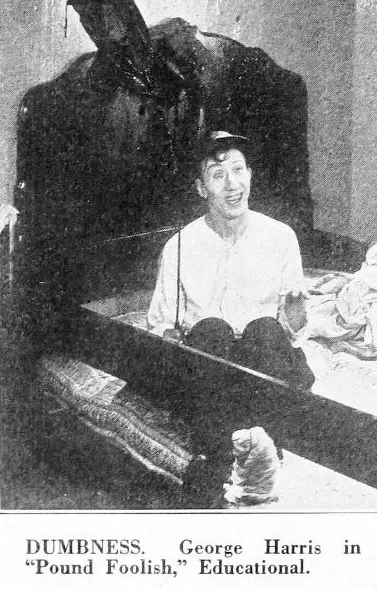
Is 'Pound Foolish' worth watching today? Short answer: absolutely, if you appreciate a classic morality play with a touch of dark humor and a keen eye for human folly. This film is a must-see for devotees of early cinema, particularly those fascinated by narratives of financial comeuppance and the capricious nature of fate. However, it will likely frustrate viewers seeking fast-paced action, intricate character development, or modern storytelling complexities. It’s a film that demands patience but rewards contemplation.
The film, despite its age, offers a surprisingly potent and relevant cautionary tale. Its central premise, a man’s deliberate abandonment of financial security, resonates even in our contemporary, risk-averse society. It’s a stark lesson. But it’s flawed. The narrative might feel simplistic to some, yet its directness is arguably its greatest strength, delivering its message with an almost fable-like clarity. For those who enjoy peeling back the layers of early cinematic storytelling, this is a compelling artifact.
The core narrative of Pound Foolish is deceptively simple, yet it unpacks a profound human truth. We are introduced to a protagonist, a man weary of the perceived burden of insurance payments. His decision to let these policies lapse isn't merely an oversight; it's an act of defiance, a belief that he can outmaneuver the odds, that he is immune to the vagaries of life. This initial setup is crucial, establishing his character not as a victim of circumstance, but as the architect of his own potential downfall.
What follows is a swift, brutal lesson in cause and effect. The film wastes little time in delivering the consequences of his hubris. An automobile accident, a sudden, jarring event, marks the first blow to his newfound 'freedom' from premiums. This isn't just a physical collision; it’s a collision with reality, an immediate challenge to his conviction that he could forgo protection without repercussion. The film portrays this moment with an efficiency that underscores the suddenness of misfortune.
But the universe, it seems, has a darker sense of humor. The subsequent house fire, utterly consuming his dwelling, pushes him to the brink of ruin. These twin disasters are not merely plot points; they are allegorical hammer blows, representing the complete collapse of his material world, a direct result of his earlier, deliberate choices. The visual spectacle of his home burning, even with the technical limitations of its era, must have been a powerful image, symbolizing the destruction of his security and peace of mind.
Just when all hope seems lost, when the protagonist is at his nadir, the film introduces its final, ironic twist: the sudden, unexpected value of his previously worthless oil stock. This isn't a simple happy ending; it's a cynical commentary on fate, luck, and the arbitrary nature of financial success. It suggests that while human folly can lead to disaster, salvation can arrive from the most unlikely, and perhaps undeserved, quarters. It questions whether true wisdom lies in foresight or merely in surviving long enough for chance to intervene.
Absolutely. Pound Foolish holds a unique charm and educational value for contemporary audiences, particularly those interested in film history and the evolution of storytelling. Its directness, while potentially jarring for those accustomed to modern narrative complexities, is refreshing. It’s a time capsule that still delivers a punch.
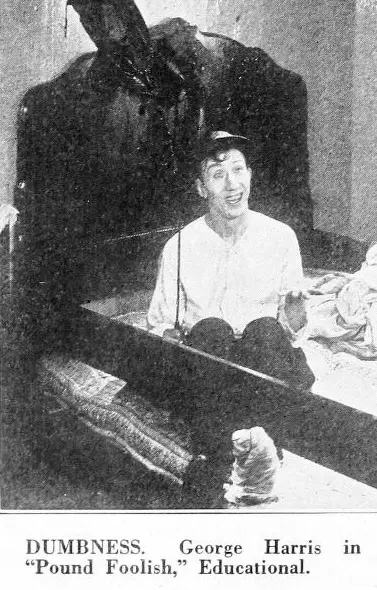
This film works because of its stark, unambiguous depiction of consequences. It’s a morality play in its purest form, showing rather than telling the dangers of perceived financial shortcuts. The narrative, lean and purposeful, drives its point home with an almost relentless efficiency. It’s a masterclass in economic storytelling, making every setback feel earned and every moment of despair palpable.
This film fails because some of its performances, while earnest, lack the nuanced depth we expect from contemporary cinema. The supporting cast, particularly, can feel somewhat one-dimensional, serving primarily as extensions of the plot rather than fully realized individuals. This is a common trait of films from its period, but it can make sustained engagement challenging for modern viewers.
You should watch it if you enjoy allegories about human folly, the capriciousness of fate, and the enduring power of irony. It's also an excellent watch for anyone studying early American cinema, offering insights into the themes and narrative structures popular at the time. It’s a film that sparks discussion, even a century later.
The performances in Pound Foolish are a fascinating glimpse into the acting styles of its era. William Bailey, as our misguided protagonist, carries the weight of the film on his shoulders. His portrayal of the man’s initial confidence, followed by his descent into despair, is largely conveyed through physical reactions and broad expressions. While not subtle by today's standards, his commitment to the character's journey is evident.
Bailey’s moments of anguish following the accident and the fire are particularly striking. He doesn't just react; he embodies the crushing weight of his self-inflicted predicament. One can almost feel the cold dread creeping in as he surveys the ruins of his life. This isn't nuanced acting, perhaps, but it is undeniably effective in its direct emotional appeal, making his plight resonate despite the simplicity.
Their roles, while not extensively detailed in the plot, are vital in establishing the world around the protagonist. Hutton’s potential portrayal
IMDb —
1919
Community
Log in to comment.