
DbcultAccessing Vault...
6.4/10
Senior Film Conservator
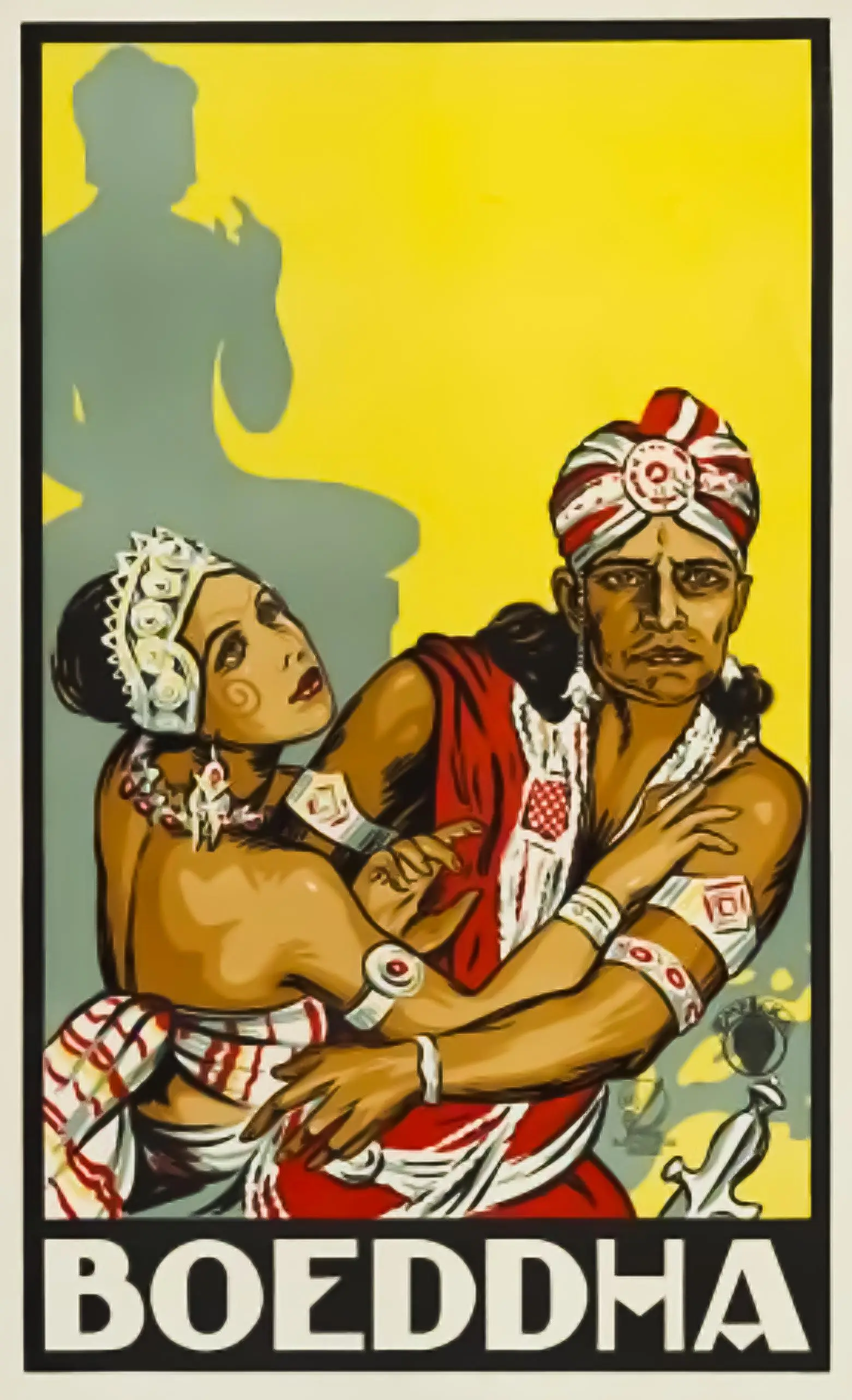
A definitive 6.4/10 rating for a film that redefined the boundaries of cult cinema. Prem Sanyas remains a cornerstone of transgressive art.
In the annals of silent cinema, few films resonate with the spiritual gravitas and historical ambition of Prem Sanyas (1925), often known by its English title, The Light of Asia. This Indo-German co-production, a monumental undertaking for its era, transcends mere entertainment to offer a profound meditation on the life and teachings of Gautama Buddha. It is not simply a retelling of a religious epic; it is a meticulously crafted visual poem, a testament to the power of early filmmaking to convey complex philosophical ideas and grand narratives on a nascent global stage. The film’s very genesis speaks volumes about its pioneering spirit, born from a collaboration that bridged cultural and geographical divides at a time when cinema was still finding its voice.
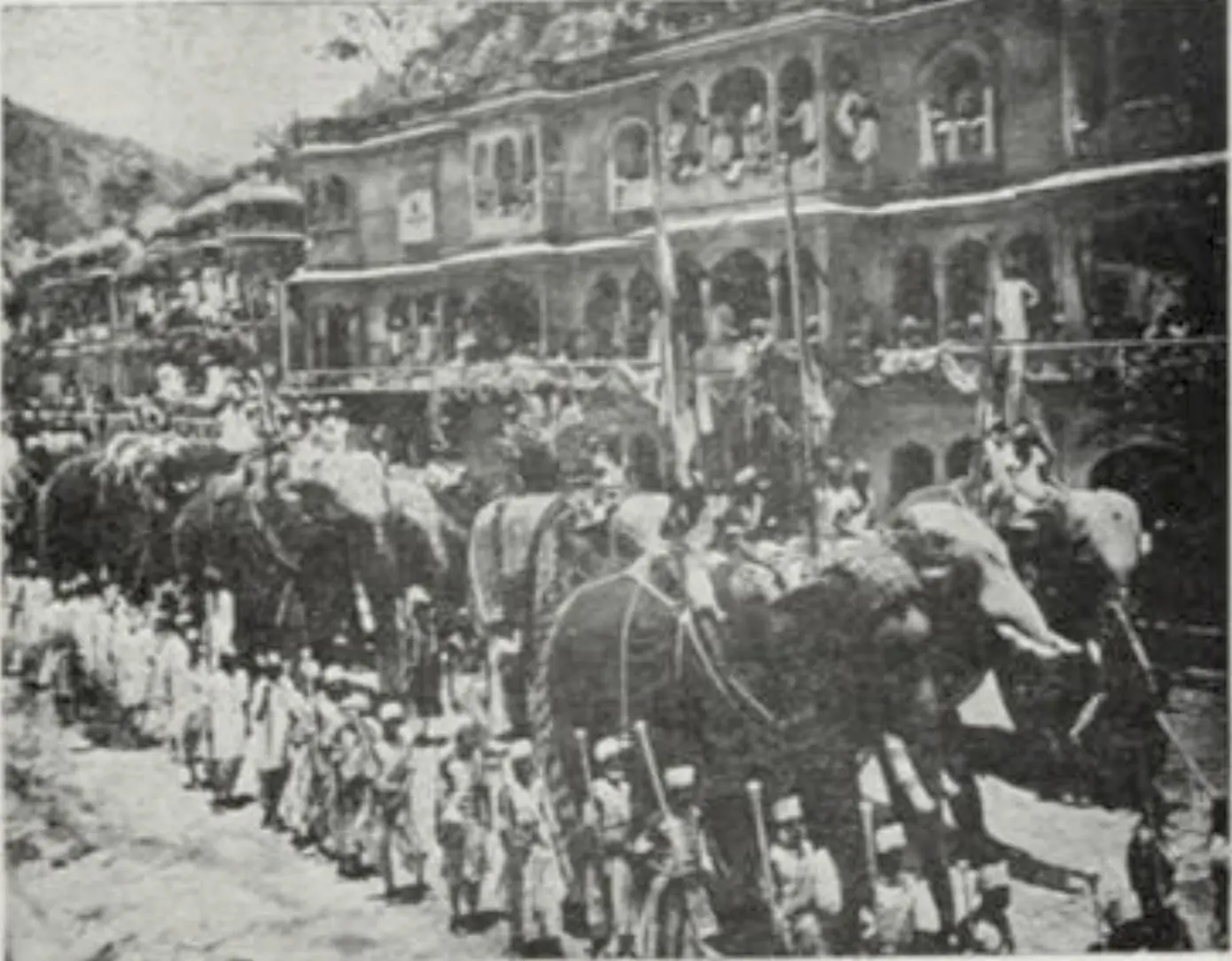
At its heart, Prem Sanyas is an adaptation of Sir Edwin Arnold’s celebrated 1861 epic poem, 'The Light of Asia,' a work that introduced the Western world to the profound narrative of Prince Siddhartha's journey to enlightenment. To translate such a revered literary piece into the visual language of silent cinema was an audacious challenge, one undertaken with remarkable vision by director Franz Osten and producer-star Himansu Rai, alongside writer Niranjan Pal. Pal's screenplay deftly navigates the poem's sprawling narrative, condensing its philosophical depth and dramatic arcs into a compelling visual spectacle. The film opens not with a direct plunge into ancient lore, but with a clever framing device: documentary-style footage of tourists observing street performers in Bombay. This initial sequence, almost ethnographic in its approach, grounds the fantastical narrative in a tangible reality, creating a bridge between the contemporary viewer and the ancient tale about to unfold. It’s a subtle yet brilliant stroke, suggesting that the spiritual journey of Gautama, though set in a distant past, remains perennially relevant to human experience, observed and recounted through generations.
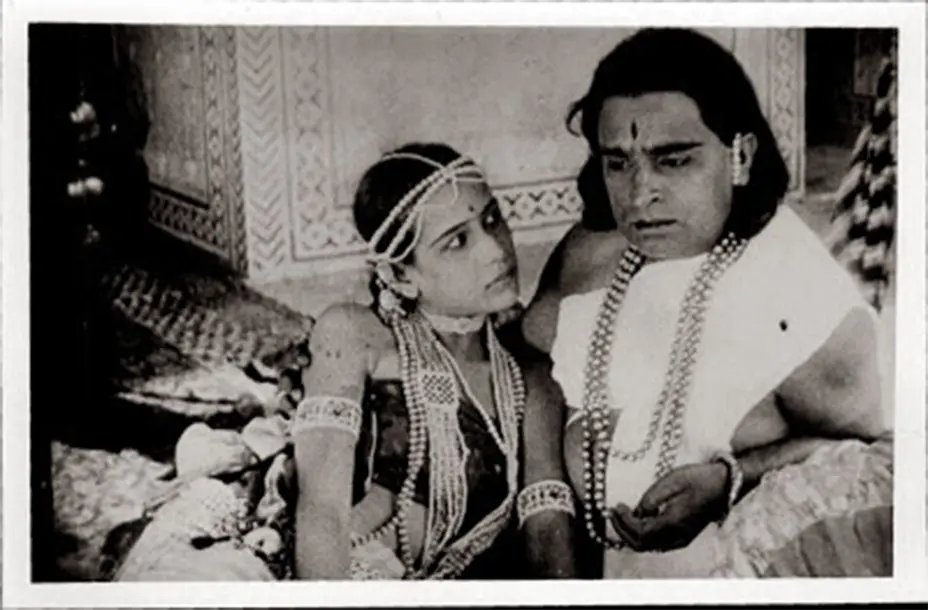
The true narrative commences with the introduction of a venerable, white-bearded sage, seated profoundly beneath the iconic Bodhi tree. It is he who becomes the film's narrator, recounting the tale of Gautama to the assembled tourists. This flashback structure lends an almost mythical quality to the events, elevating them beyond mere historical recounting into the realm of sacred legend. We are introduced to Prince Siddhartha, portrayed with a compelling blend of princely grace and burgeoning spiritual restlessness by Himansu Rai himself. Rai, a pivotal figure in the burgeoning Indian film industry, imbues Siddhartha with a captivating intensity, conveying the character's internal struggles through subtle gestures and expressions, a masterclass in silent film acting. His royal lineage is established through his parents, King Suddodhana (Sarada Ukil) and Queen Maya (Rani Bala), who are depicted with an idealized regality befitting figures of such historical and religious import. The early scenes of Siddhartha's life are steeped in opulence, showcasing the lavish court and the attempts to shield the young prince from the harsh realities of the world, a narrative trope that underscores the eventual profound nature of his renunciation.
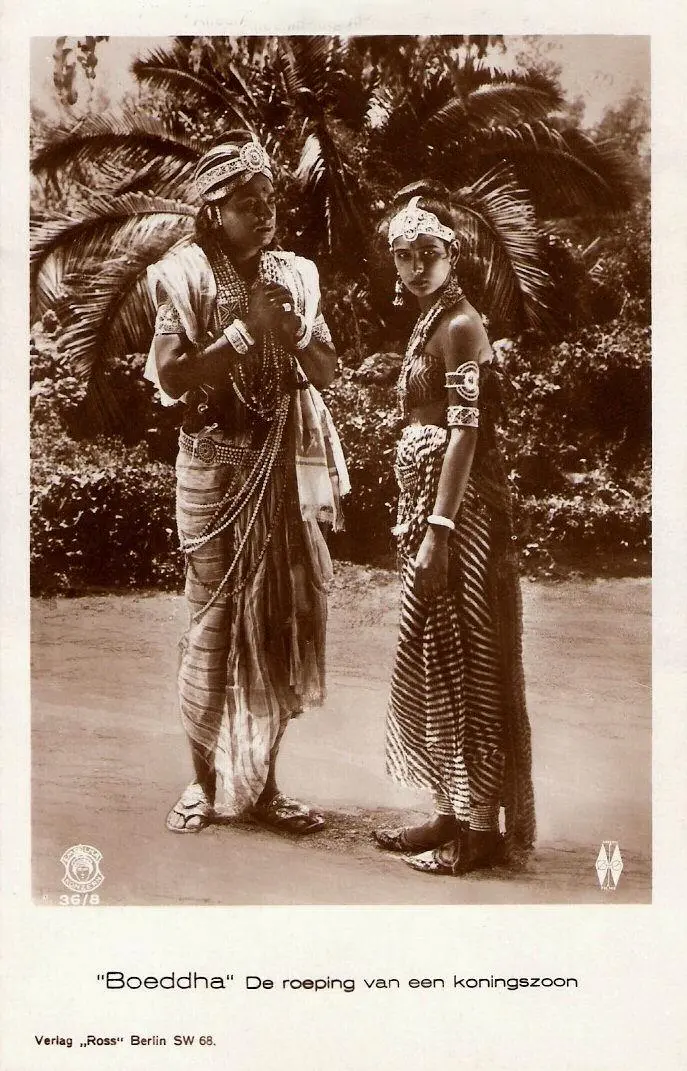
Siddhartha's life in the palace is one of carefully curated happiness, a gilded cage designed to prevent him from encountering suffering. His consort, Gopa, played with delicate grace by Seeta Devi, represents the epitome of earthly love and domestic bliss. Their scenes together are tender, portraying a deep affection that makes Siddhartha's eventual departure all the more poignant and impactful. Seeta Devi's performance, though constrained by the conventions of silent cinema, conveys Gopa's devotion and later, her profound sorrow and eventual understanding. The film meticulously builds the portrait of a prince who, despite every worldly comfort, feels an inexplicable void, a yearning for something more profound than transient pleasures. The famous 'Four Sights' – the old man, the sick man, the corpse, and the ascetic – are depicted with stark realism, serving as catalysts for Siddhartha's burgeoning spiritual awakening. These moments are crucial, illustrating the prince's growing disillusionment with the impermanence of existence and the inevitability of suffering, themes that resonate powerfully and universally.
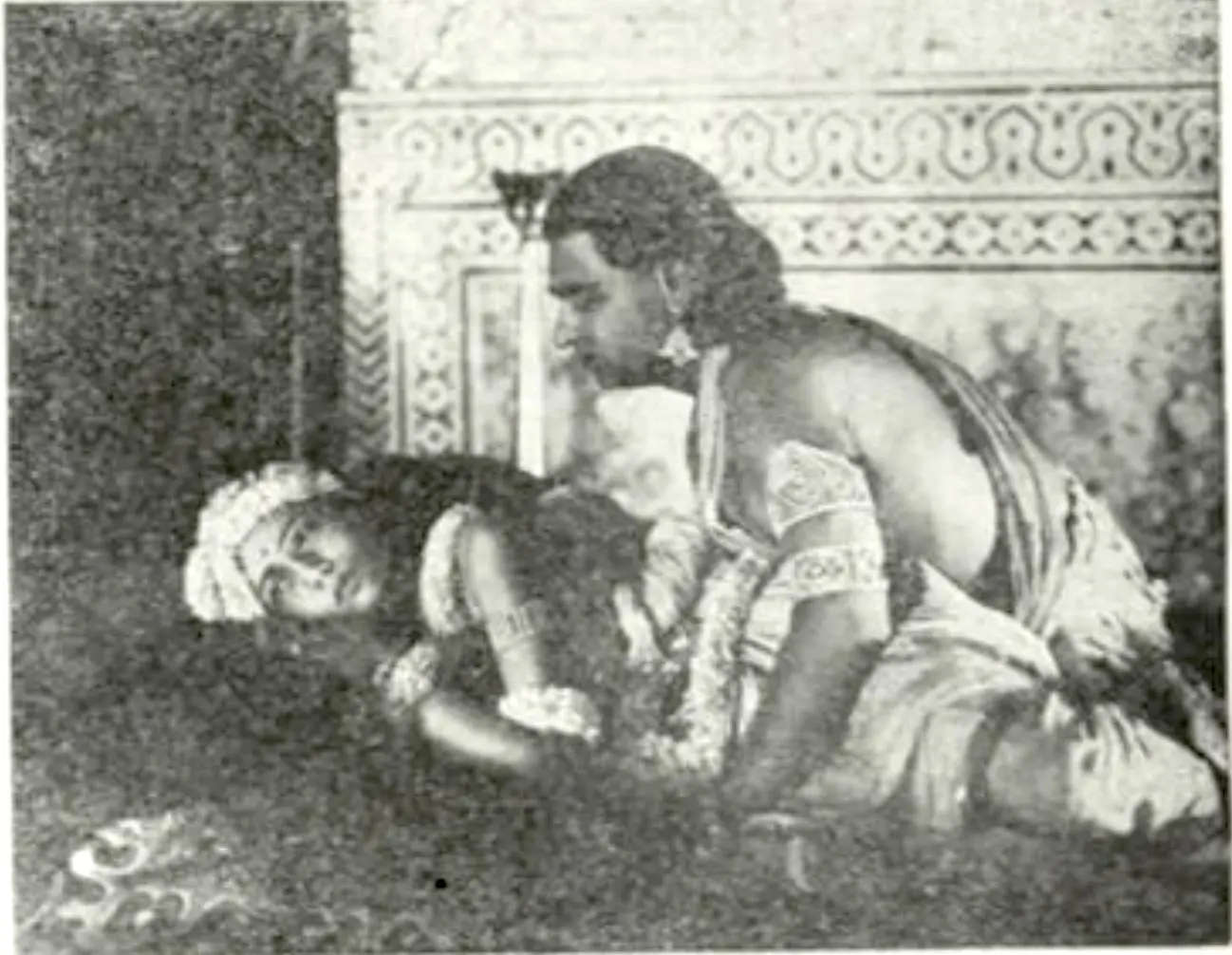
The decision to leave his family, his kingdom, and his beloved Gopa is portrayed with a quiet, agonizing determination. This pivotal moment, the 'Great Renunciation,' is rendered with a powerful visual simplicity, emphasizing the internal struggle and the immense sacrifice involved. Siddhartha’s transformation into a wandering ascetic is marked by a stripping away of all worldly accoutrements, symbolizing his dedication to a life of austerity and truth-seeking. The film follows his arduous journey through various spiritual practices, including severe self-mortification, before he ultimately discovers the Middle Path. The iconic scene of his enlightenment under the Bodhi tree is handled with reverence and a sense of profound spiritual awakening, using visual metaphors to convey the magnitude of the moment. The cinematography here, often employing long shots of natural landscapes, imbues the spiritual quest with a sense of cosmic grandeur, contrasting the intimate human struggle with the vastness of the natural world.
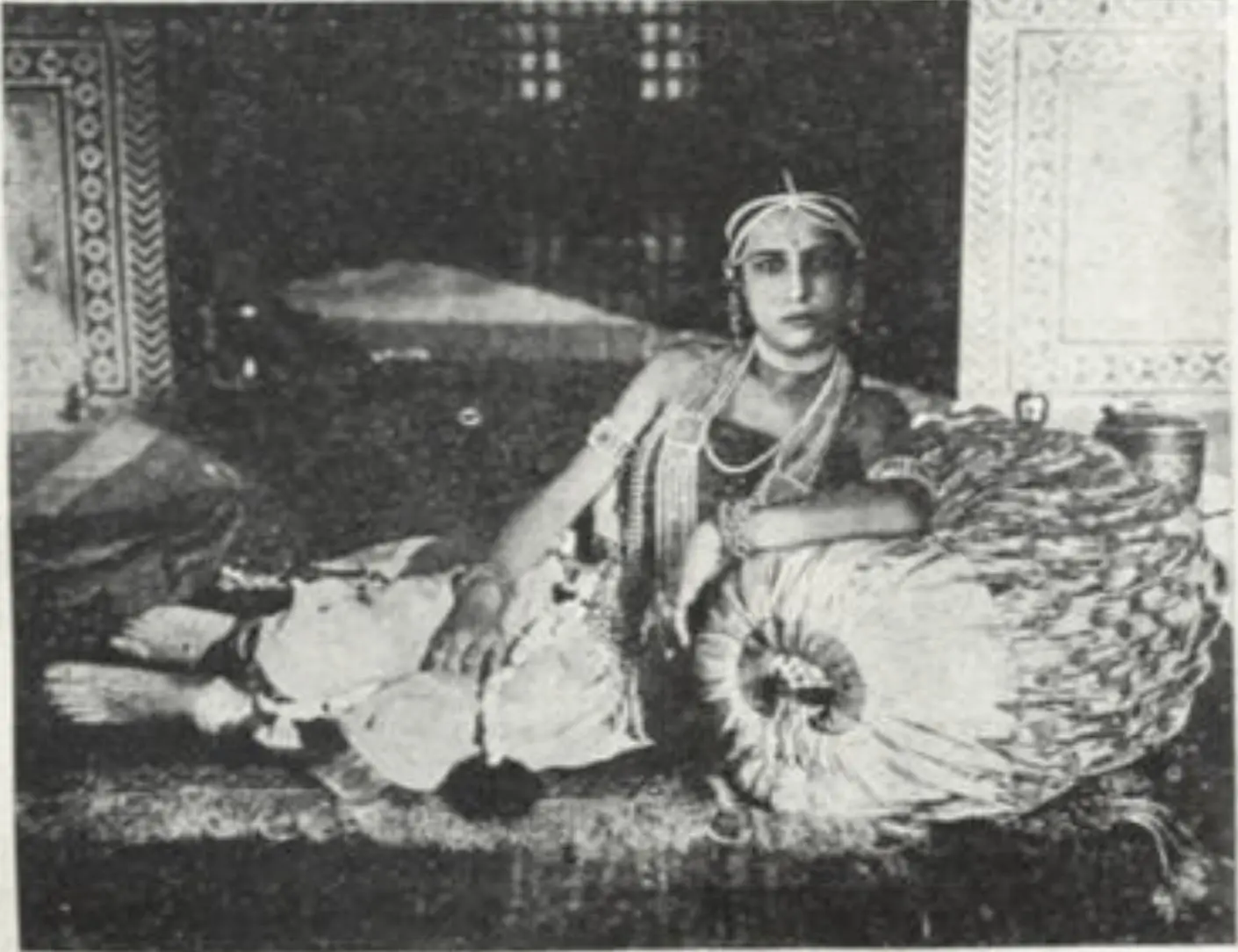
Technically, Prem Sanyas was a marvel for its time. The collaboration between Indian and German filmmakers brought together diverse talents and resources, resulting in a production of unprecedented scale and visual sophistication. The sets, costumes, and overall art direction are meticulously crafted, transporting the audience to an idealized ancient India. The film's outdoor sequences, shot in stunning natural locations, contribute significantly to its epic feel. The cinematography, characterized by its clear compositions and evocative use of light, captures both the grandeur of the royal court and the stark beauty of the ascetic's life. While silent films often relied on exaggerated gestures, Prem Sanyas achieves a remarkable subtlety in its visual storytelling, allowing the emotional depth of the narrative to shine through. The use of intertitles, though necessary for exposition, is judicious, allowing the powerful visuals to carry much of the narrative weight. The film's aesthetic often leans into a romanticized portrayal, fitting for a religious epic aiming to inspire rather than merely document.
Beyond Himansu Rai and Seeta Devi, the supporting cast delivers performances that, while adhering to the dramatic conventions of silent cinema, contribute effectively to the film's immersive quality. Sarada Ukil as King Suddodhana conveys paternal love and eventual sorrow, while Rani Bala as Queen Maya embodies the serene grace of a mother. Other notable performances by actors like Sushil Ghosh, Charu Pillai, Ekambi 'Wilhelm' Tongo, Gokul Das, Ashok Bose, Sunil Belmi, Hiren Sen, Mrinalini Devi, Nalini Kumari, Modhu Bose, Sunalini Devi, Prafulla Roy Ghosh, Baba Bharti, Sundar Rajam, Sunil Mitter, Jagat Mathur, and Asrda Ukil, though sometimes in smaller roles, collectively build a vibrant and believable world around the central figures. Their expressions, postures, and interactions, carefully choreographed, communicate the nuances of courtly life, spiritual seekers, and ordinary people observing the unfolding drama. In an era before synchronized sound, the ability of these actors to convey complex emotions and character arcs through purely visual means was a remarkable feat, demanding a unique blend of theatrical presence and cinematic understanding.
Prem Sanyas is not merely a historical biography; it is a profound exploration of universal themes: the nature of suffering, the pursuit of truth, the challenge of renunciation, and the promise of enlightenment. It delves into the core tenets of Buddhist philosophy without ever becoming didactic or dry. The film communicates these complex ideas through its narrative progression and the visual symbolism woven throughout. The transition from Siddhartha, the pampered prince, to Gautama, the enlightened one, is portrayed as a profound spiritual metamorphosis, a journey from ignorance to wisdom. The film emphasizes the idea of inner peace as attainable through self-discovery and compassionate understanding, rather than external rituals or material possessions. This timeless message resonates deeply, offering a contemplative experience that transcends its historical setting and cinematic origins. In its depiction of profound personal transformation for a higher purpose, one might find thematic echoes with other films exploring radical life changes, though few achieve its spiritual scale. For instance, while a film like The Betrothed might explore themes of destiny and sacrifice, Prem Sanyas elevates these to a cosmic level, dealing with the destiny of humanity itself.
The film concludes with a deeply moving scene: Gopa, having endured the pain of separation and perhaps embarked on her own spiritual quest, kneels before the enlightened Gautama, seeking to become his disciple. This moment encapsulates the film's message of universal compassion and the accessibility of the path to wisdom for all, regardless of their past. It’s a powerful visual closure, emphasizing reconciliation and spiritual growth. Prem Sanyas holds a significant place in film history, particularly as one of the earliest major international co-productions involving Indian cinema. Its success helped establish Himansu Rai as a prominent figure and paved the way for future collaborations and the growth of Indian film as a global entity. It demonstrated the commercial and artistic viability of telling Indian stories on a grand scale for both domestic and international audiences. The film's influence can be seen in its contribution to shaping early perceptions of India and Buddhism in the West, and its pioneering efforts in epic filmmaking within India itself. It is a cinematic landmark, not just for its subject matter, but for its ambition, its artistry, and its enduring capacity to inspire contemplation on the fundamental questions of human existence. Its meticulous restoration and preservation efforts ensure that this 'light of Asia' continues to shine brightly for new generations of film enthusiasts and spiritual seekers alike, a truly timeless piece of cinematic art.
In an era where cinema was still finding its voice, Prem Sanyas spoke volumes with its grand visuals and profound narrative. It’s a film that demands patience and rewards contemplation, much like the spiritual journey it depicts. Watching it today is not merely an act of historical appreciation, but an immersive experience into a pivotal moment in human spiritual history, rendered with an artistry that transcends its silent origins. Its legacy is not just in its depiction of a historical figure, but in its demonstration of cinema's power to elevate, to educate, and to inspire a profound sense of wonder and introspection. It stands tall as a testament to the early global ambitions of cinema and the timeless appeal of a story that continues to guide millions.