DbcultAccessing Vault...
Cult Review
Senior Film Conservator
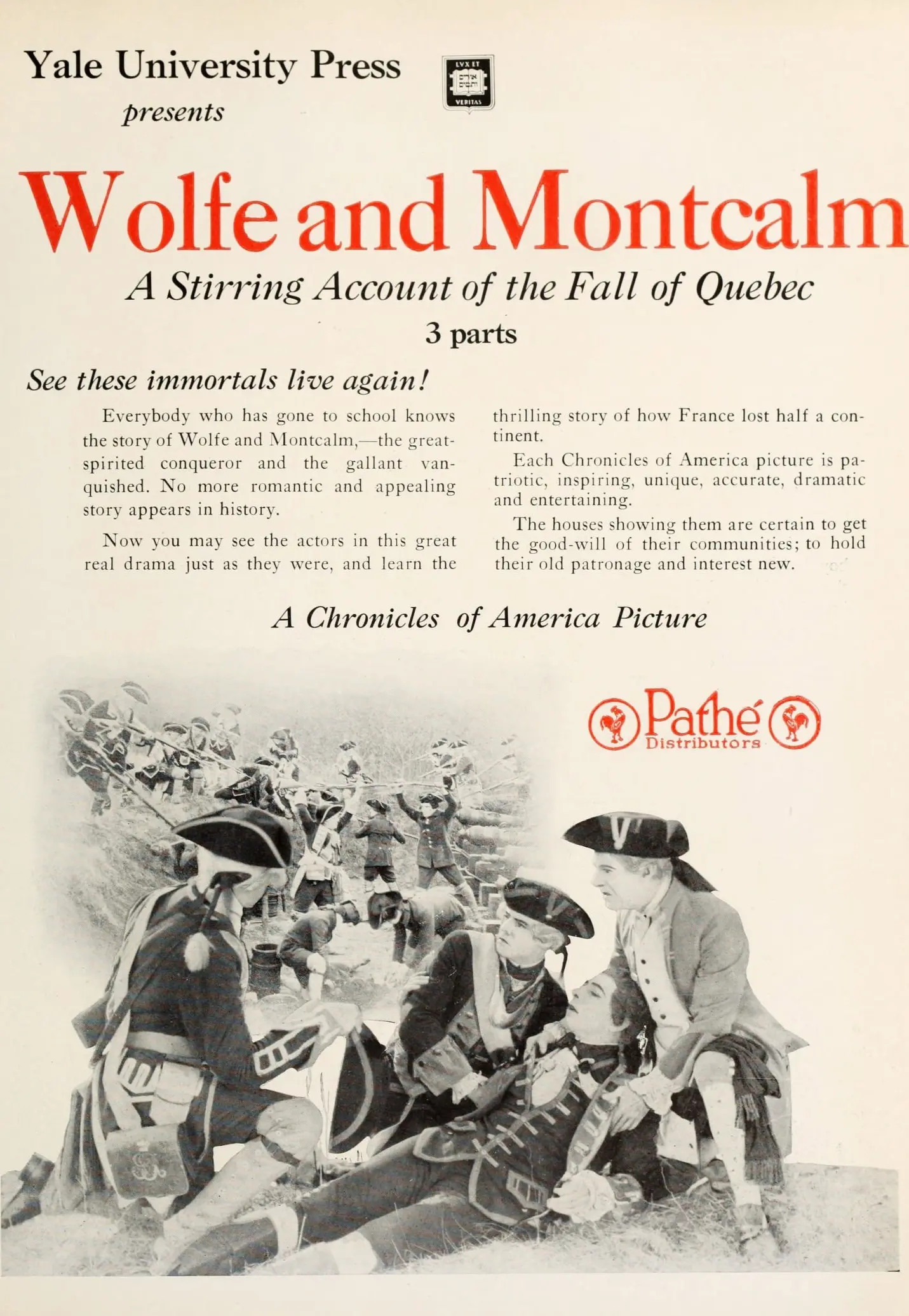
The year is 1759, a pivotal moment in the annals of North American history, and Kenneth S. Webb, with an almost archaeological precision, endeavors to resurrect the titanic clash that irrevocably altered the geopolitical landscape of a nascent continent. His film, "Wolfe and Montcalm", is not merely a historical recreation; it is an immersive, often stark, journey into the very heart of the Seven Years' War, specifically focusing on the desperate, audacious struggle for Quebec. This cinematic endeavor attempts to encapsulate the strategic brilliance, the human cost, and the sheer, unyielding will that defined one of history's most decisive battles. From the opening frames, one is drawn into a world where empires collide, where the stakes are nothing less than global dominance, and where the lives of thousands hang precariously on the decisions of two formidable men.
At its core, the film is a dual portrait, a study in contrasting leadership and unyielding determination. Arthur Hohl, portraying the young, often ailing but fiercely ambitious General James Wolfe, embodies the relentless drive that characterized the British commander. Hohl captures the internal fire that pushed Wolfe to conceive and execute a plan so audacious it bordered on madness – scaling the formidable cliffs of the Plains of Abraham under the cloak of darkness. His performance hints at the simmering impatience and strategic audacity that defined Wolfe's career, a man constantly battling both the enemy and his own physical frailties. On the other side of the strategic chessboard stands Bradley Barker as the Marquis de Montcalm, the seasoned French general, a figure of stoic resolve and tactical acumen, tasked with defending a city deemed impregnable. Barker’s portrayal suggests a man burdened by duty, acutely aware of the formidable odds, yet unwavering in his commitment to New France. The film subtly explores the psychological toll of such immense responsibility, where the fate of an entire colonial empire rests squarely on the shoulders of these two individuals.
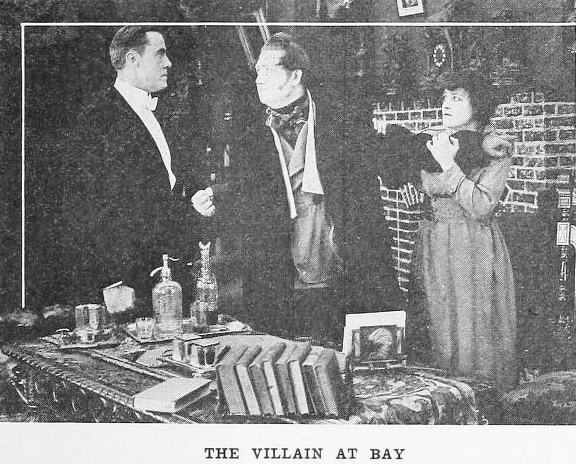
Webb’s screenplay, while necessarily condensed for the cinematic medium, nonetheless strives for a meticulous depiction of the strategic complexities involved. The audience is privy to the painstaking reconnaissance efforts, the logistical nightmares of transporting troops and artillery up the St. Lawrence River, and the constant cat-and-mouse game played by both sides. The narrative doesn't shy away from illustrating the sheer environmental challenges: the treacherous currents, the dense forests, and the imposing natural defenses of Quebec itself. The film dedicates significant portions to the British attempts to find a weakness in Montcalm's defenses, showcasing Wolfe's frustration and eventual stroke of genius. It’s a compelling testament to the power of strategic thinking under immense pressure, a narrative thread that might resonate with viewers who appreciate the intricate planning showcased in films like "De røvede Kanontegninger", albeit with vastly different technological contexts.
The supporting cast, though perhaps less prominently featured, nonetheless contributes significantly to the film's rich historical tapestry. Stanley Walpole, J. Moy Bennett, Juan de la Cruz, Gordon Standing, and Maurice Baird inhabit their respective roles with a gravitas that lends authenticity to the unfolding drama. Their performances, whether as subordinate officers, anxious settlers, or determined soldiers, collectively paint a vivid picture of a society on the brink. Each face, each gesture, adds another layer to the human drama, emphasizing that this was not merely a clash of generals but a struggle involving countless lives, each with their own hopes and fears. The ensemble work is crucial in conveying the scale of the conflict, demonstrating that victory or defeat was the culmination of innumerable individual efforts and sacrifices. This collective portrayal of the 'common soldier' or the 'loyal officer' elevates the film beyond a simple historical recounting, injecting it with a palpable human element.
One of the film's most remarkable achievements for its time is its ambitious attempt to convey the sheer scale and chaos of battle. While devoid of modern special effects, Webb employs clever staging and cinematography to suggest the vastness of the armies and the brutal intimacy of combat. The ascent of the British troops up the Anse-au-Foulon, often referred to as Wolfe's Cove, is depicted with a sense of hushed tension and perilous daring. The subsequent engagement on the Plains of Abraham, though constrained by the technological limitations of early cinema, manages to communicate the ferocity and disorienting nature of 18th-century warfare. Musket volleys, bayonet charges, and the desperate cries of men are orchestrated to evoke a visceral response. It is a visual narrative that, for its era, stands as a testament to the power of cinematic storytelling to transport an audience to a pivotal historical moment, much like earlier epic productions such as "The Queen of Sheba" sought to immerse viewers in ancient grandeur.
The film's exploration of leadership is particularly insightful. Wolfe, despite his strategic brilliance, is shown as a demanding and often isolated figure, driven by an almost pathological need for victory. Montcalm, conversely, is depicted as a more measured, perhaps even weary, commander, whose defensive strategies are eventually undermined by Wolfe's audacious gamble. Their contrasting styles, one of aggressive offense and the other of steadfast defense, form a compelling dialectic. The film doesn't glorify war but rather presents it as a grim necessity, a brutal game of chess played with human lives. This nuanced perspective on leadership and conflict might draw parallels to the complex moral quandaries explored in dramas like "The Sea Wolf", where command and its inherent responsibilities are dissected, albeit in a different setting. The film, in its quiet moments, also hints at the personal sacrifices made by these men, the weight of their decisions reverberating through history.
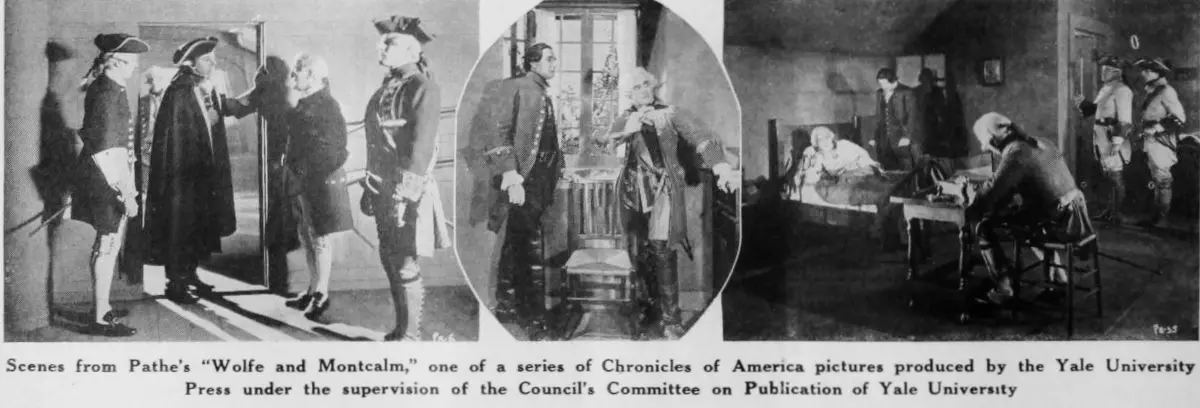
Kenneth S. Webb’s writing for "Wolfe and Montcalm" is commendable for its ambition to weave historical fact with dramatic impetus. He crafts a narrative that respects the broad strokes of history while allowing for the necessary dramatic license to create engaging cinema. The film’s pacing, a crucial element in silent features, builds tension steadily, leading to the inevitable, climactic confrontation. The intertitles, which served as the narrative voice in silent films, are crafted with a poetic sensibility, often providing crucial historical context or insight into the characters' thoughts and motivations. They are not mere expository devices but an integral part of the storytelling, guiding the audience through the intricate maneuvers and emotional landscapes of the period. This careful attention to narrative detail underscores Webb's commitment to presenting a story that is both informative and emotionally resonant.
The historical significance of the Battle of Quebec cannot be overstated, and "Wolfe and Montcalm" serves as a crucial cinematic document of this turning point. It illustrates how a single engagement could shift the balance of power on a global scale, leading to the eventual British dominance in North America and profoundly shaping the future of Canada and the United States. The film, in its earnest portrayal, helps viewers understand the profound implications of this victory for the British and the tragic loss for the French. It's a testament to the idea that some historical moments are so monumental they demand to be revisited and reinterpreted through art. The film, in a sense, becomes a cultural artifact itself, reflecting how early 20th-century cinema grappled with the task of presenting grand historical narratives, much like "The Dawn of Freedom" sought to encapsulate another nation's foundational struggle.
Beyond the battle itself, the film subtly touches upon the human element of war: the fear, the courage, the camaraderie, and the ultimate sacrifice. We see the anxiety etched on the faces of the soldiers, the solemnity of their preparations, and the brutal reality of their engagement. It’s a reminder that behind every strategic map and every grand pronouncement, there are individuals confronting their mortality. The film doesn't revel in jingoism but rather presents a sober reflection on the nature of conflict, a common thread in many serious historical dramas. This empathetic approach ensures that the audience connects with the characters not just as historical figures but as human beings caught in the maelstrom of war. The film’s ability to evoke such sentiment, despite its age and silent format, speaks volumes about its enduring power.
For modern audiences, "Wolfe and Montcalm" offers a fascinating glimpse into the nascent stages of cinematic historical recreation. It lacks the explosive pyrotechnics and CGI-driven spectacle of contemporary war films, yet it compensates with an earnest commitment to narrative and character. The film demands a certain level of engagement from its viewers, asking them to fill in the sensory gaps with their imagination, a quality often praised in silent era masterpieces. Its visual storytelling, though simple by today's standards, is effective in conveying the grandeur of the setting and the intensity of the conflict. It stands as a significant early example of how cinema could be harnessed to educate and entertain, bringing distant historical events to vivid life. This foundational aspect of historical filmmaking is a thread that runs through many early cinematic efforts, from grand epics to more intimate period pieces like "Barnaby Rudge".
The legacy of "Wolfe and Montcalm" is perhaps less about its immediate box office success and more about its contribution to the evolving genre of historical drama. It set a precedent for future films attempting to tackle complex military campaigns and the biographies of key historical figures. It demonstrated that even without spoken dialogue, the drama of human ambition, strategic genius, and immense sacrifice could be powerfully conveyed. The film encourages a deeper appreciation for the meticulous planning and sheer courage that defined 18th-century warfare, a period often romanticized but rarely depicted with such an emphasis on the logistical and psychological challenges. It’s a film that quietly asserts its importance, not with bombast, but with a steadfast dedication to its subject matter, inviting reflection on the forces that shaped our world.
In essence, "Wolfe and Montcalm" is more than a mere recounting of a battle; it is a meditation on the nature of command, the burdens of history, and the indelible marks left by pivotal moments. Kenneth S. Webb, through his deliberate direction and compelling narrative, ensures that the film transcends simple historical documentation, elevating it to a work that explores the profound human drama inherent in such monumental events. It remains a fascinating, if sometimes challenging, watch for anyone interested in the cinematic portrayal of history, offering a window into both the past it depicts and the era in which it was made. Its strength lies in its unyielding focus on the clash of wills and the immense strategic stakes, rather than relying on anachronistic spectacle. The film stands as a testament to the enduring power of historical narrative and the early filmmakers' ambition to capture its grandeur.
The film’s portrayal of the final, decisive moments on the Plains of Abraham is particularly poignant. It captures the swift, brutal efficiency of the battle itself, a conflict that lasted mere minutes but whose consequences resonated for centuries. The ultimate fates of both Wolfe and Montcalm, both mortally wounded in the fray, are handled with a solemn dignity that underscores the tragic symmetry of their intertwined destinies. Their shared demise on the battlefield, almost simultaneously, adds a layer of mythic grandeur to the historical event, transforming them from mere generals into figures of tragic heroism. This dramatic climax, though without dialogue, is powerfully communicated through the actors' performances and the visual storytelling, leaving a lasting impression of the profound cost of empire. It’s a somber, yet fitting, conclusion to a narrative steeped in the gravitas of history.
IMDb —
1924
Community
Log in to comment.