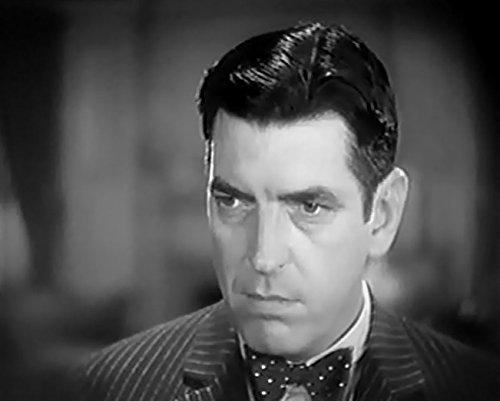
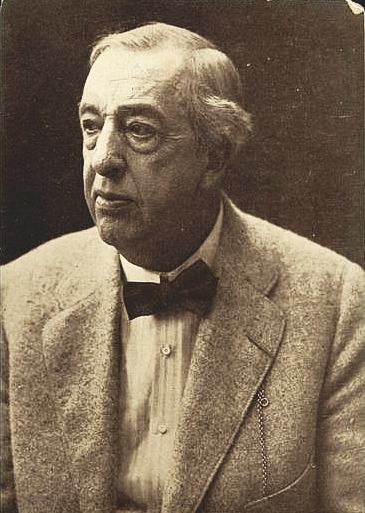
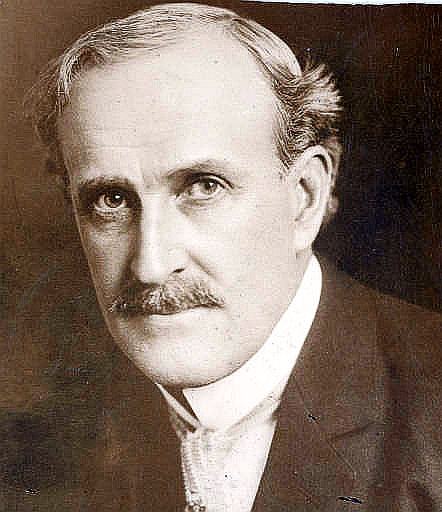
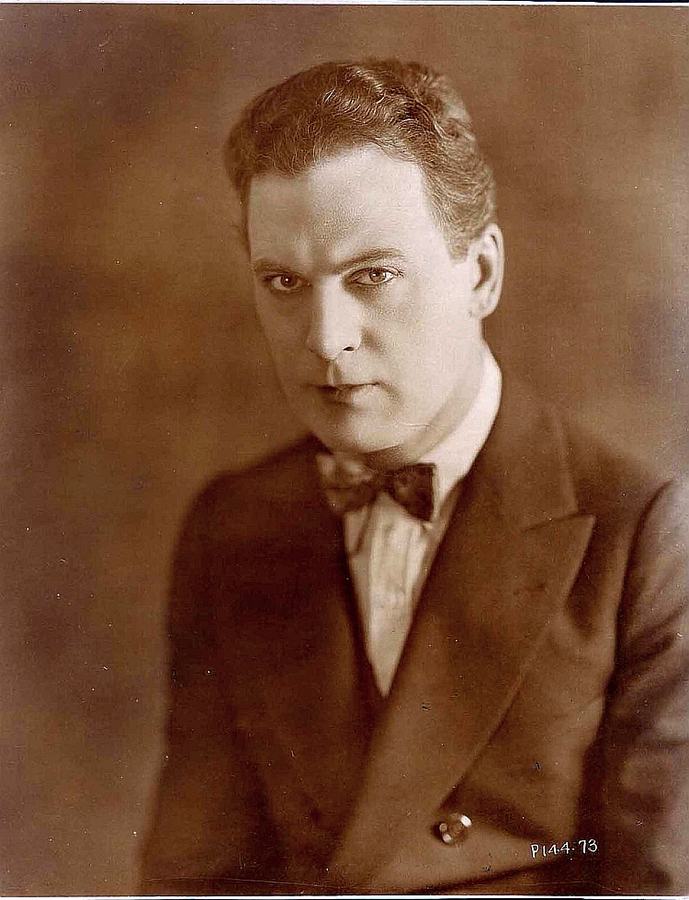
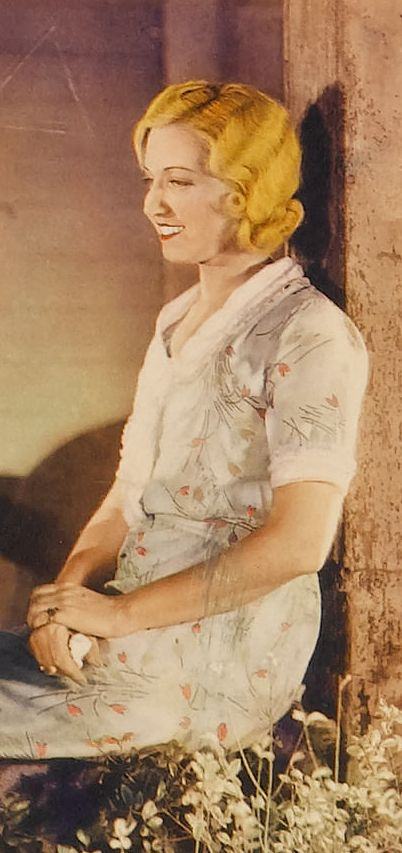
In trying to decide whom to marry--Rita Pring, the daughter of a South Seas ship captain, or Lady Helen Deene, an Englishwoman with wealth and influence--Burke Hammond consults Professor Jansen, a psychologist. Jansen induces in Burke a hypnotic trance in which he sees his future with each of the women.
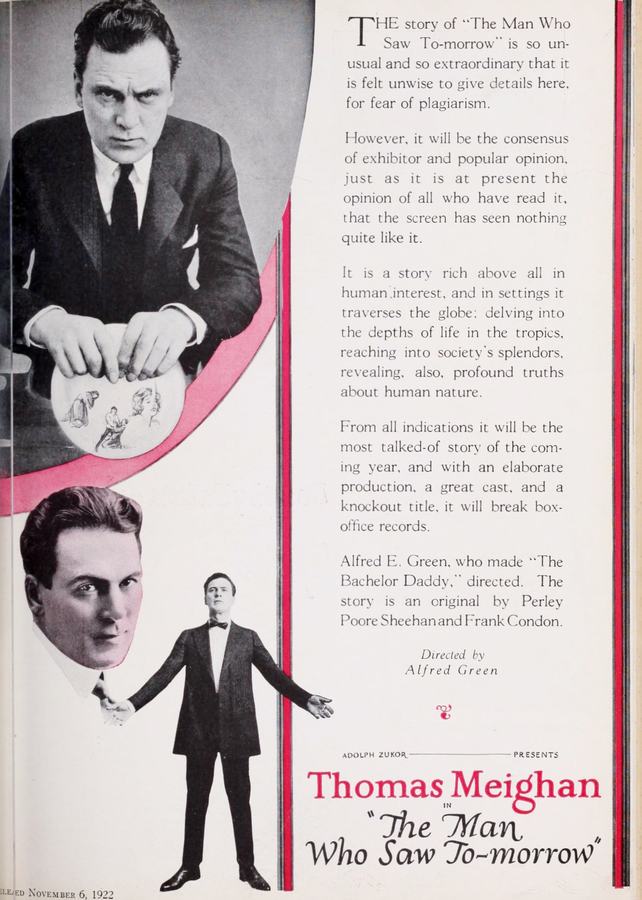
The year 1922 was a watershed moment for the silent screen, a period where the medium began to shed its stage-bound origins in favor of a more sophisticated, psychological visual language. Alfred E. Green’s The Man Who Saw Tomorrow stands as a pinnacle of this evolution, utilizing a speculative narrative framework to...
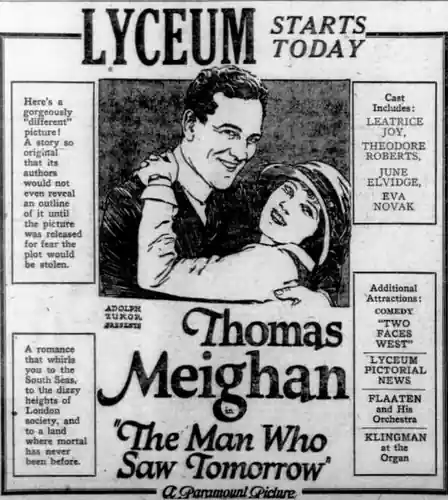
production_art
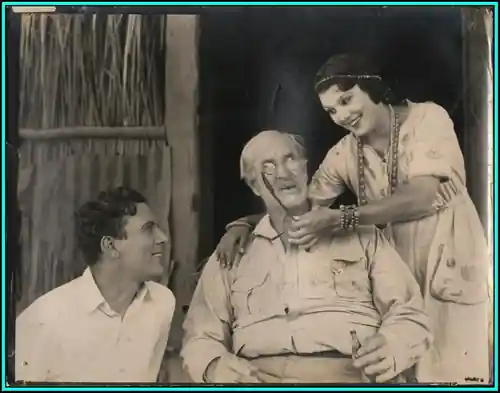
publicity
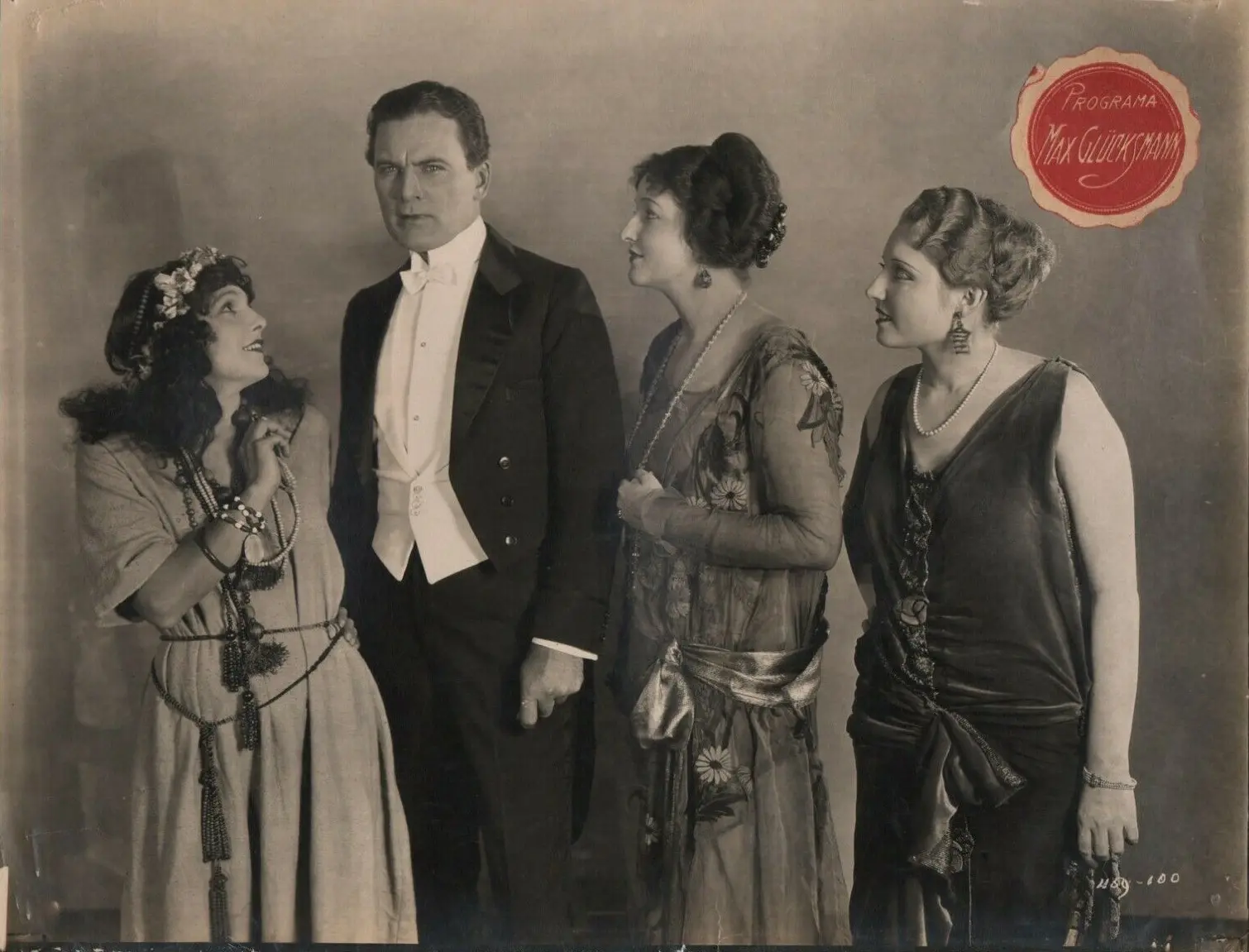
still_frame
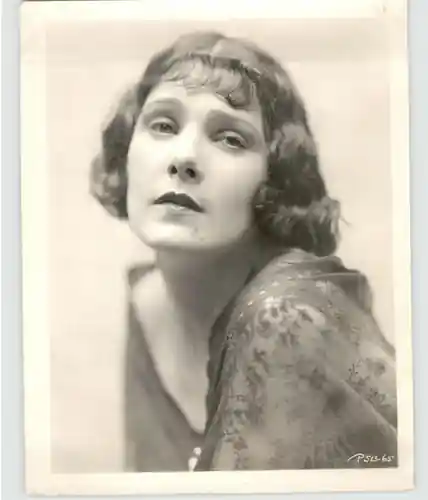
publicity
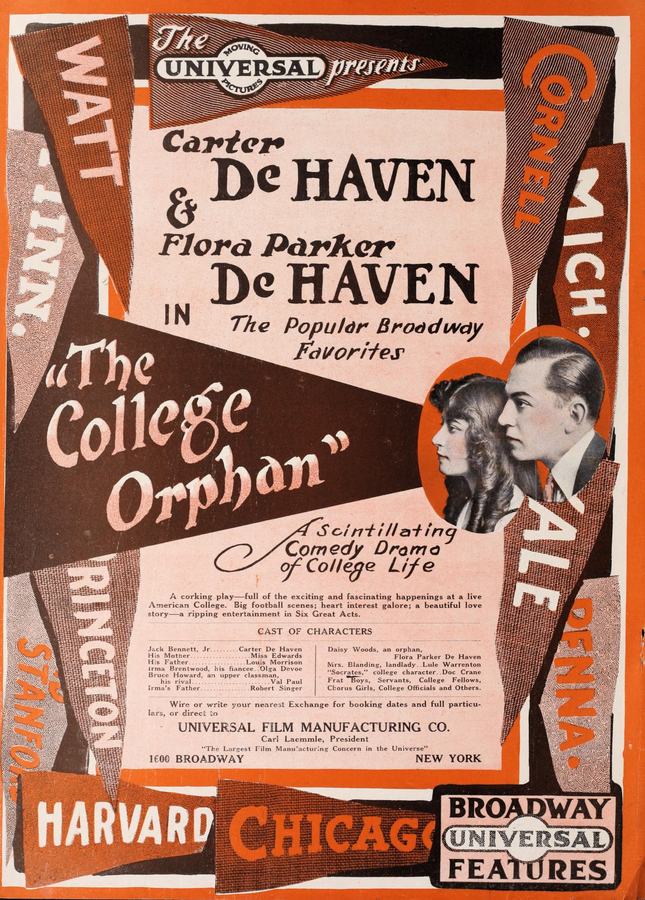
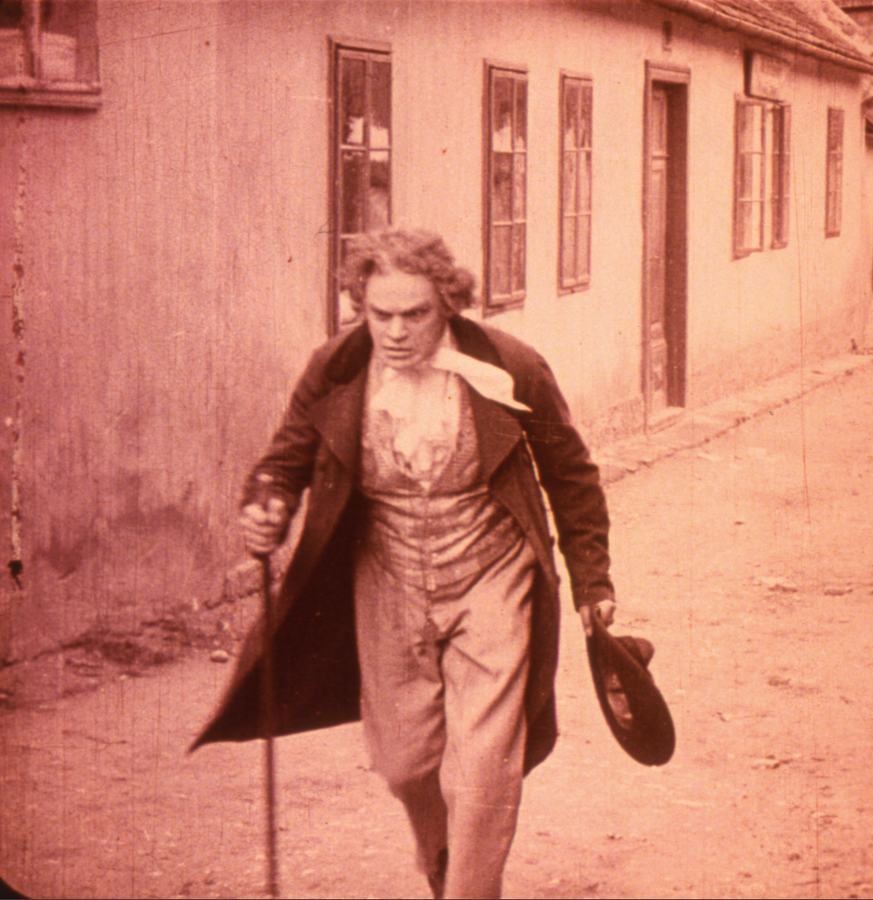
Comparing the cinematic DNA and archive impact of two defining moments in cult history.
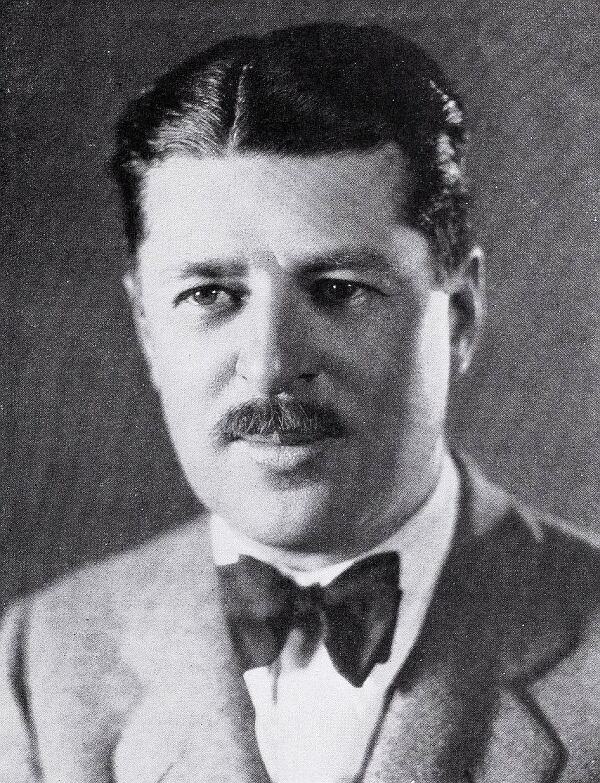
Alfred E. Green
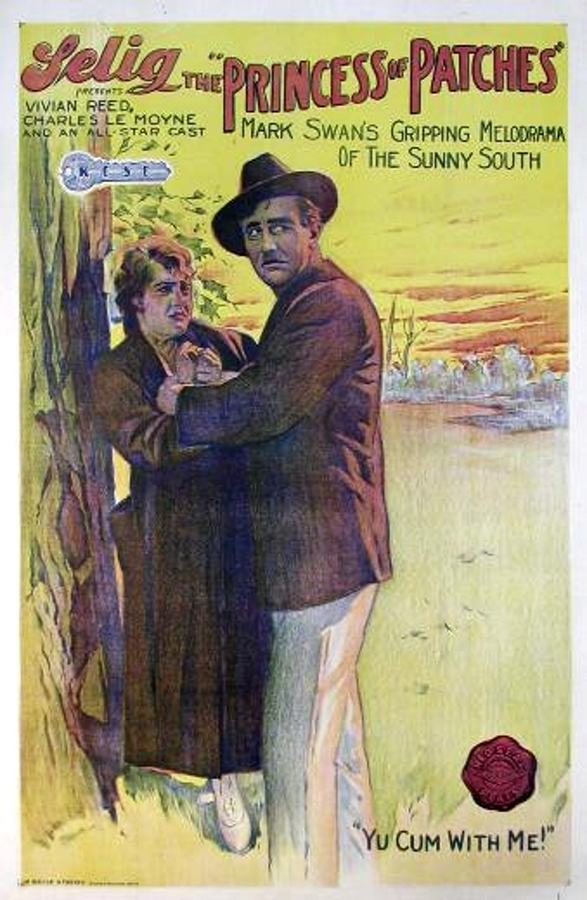
Alfred E. Green
Community
Log in to comment.
" The year 1922 was a watershed moment for the silent screen, a period where the medium began to shed its stage-bound origins in favor of a more sophisticated, psychological visual language. Alfred E. Green’s The Man Who Saw Tomorrow stands as a pinnacle of this evolution, utilizing a speculative narrative framework to explore the timeless dichotomy between duty and desire. At its core, the film is an examination of the 'road not taken,' a concept that resonates as deeply today as it did a centu..."
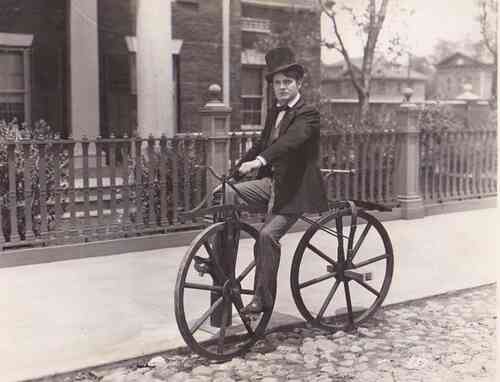
Larry Wheat
Frank Condon, Will M. Ritchey, Perley Poore Sheehan
United States
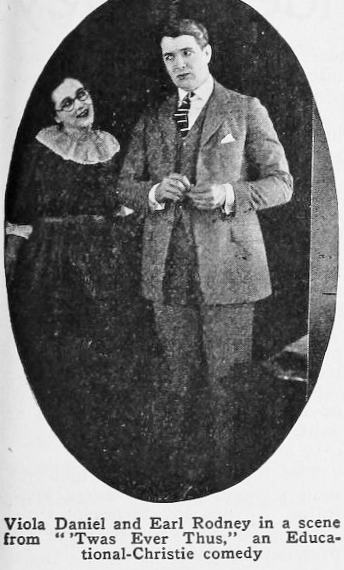
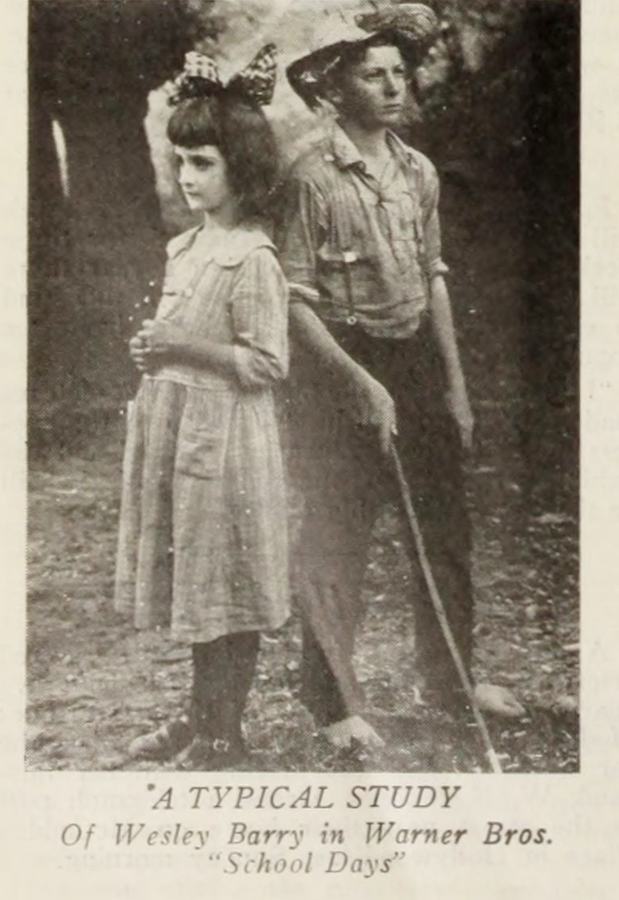
Deep dive into the cult classic
Discover similar cinematic experiences
A Directorial Spotlight on Alfred E. Green