DbcultAccessing Vault...
Cult Review
Senior Film Conservator
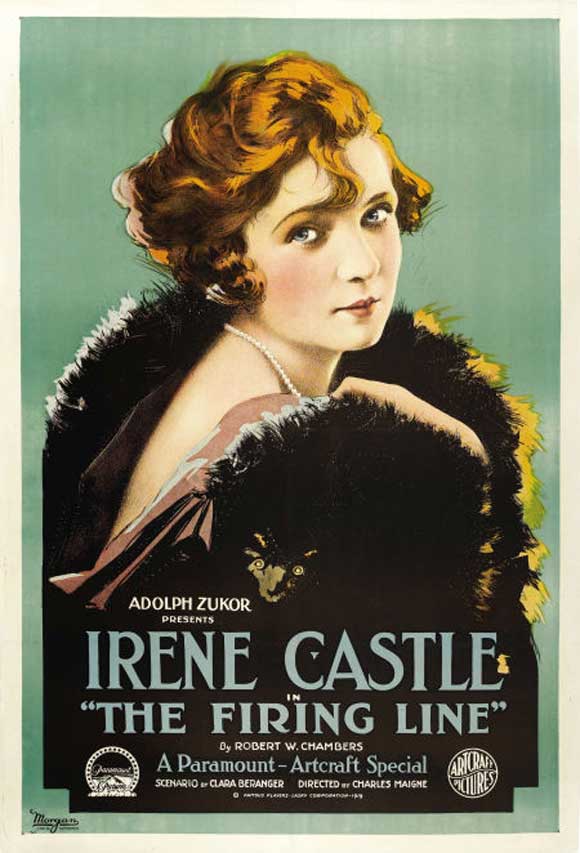
In the annals of silent cinema, where grand gestures often spoke volumes and emotional landscapes were painted with sweeping strokes, The Firing Line emerges as a compelling, albeit melancholic, exploration of duty, desire, and the profound cost of self-abnegation. This cinematic endeavor, penned by the insightful Clara Beranger and Robert W. Chambers, delves into the tortuous inner world of Sheila Cardross Malcourt, a woman trapped in a gilded cage of societal expectation and personal sacrifice. Her existence is a testament to the suffocating power of a loveless marriage, a union with Louis Malcourt that offers neither solace nor companionship. Yet, in a cruel twist of fate, Sheila finds her heart irrevocably drawn to Garry Hamil, a man who embodies the very essence of passion and genuine connection she has been denied. The stage is set for a poignant human drama, one where the battle lines are drawn not on a battlefield, but within the very soul of its protagonist.
What distinguishes The Firing Line from myriad melodramas of its era is its unflinching gaze into the ethical quagmire Sheila navigates. Her refusal to seek a divorce, even when her soul yearns for liberation and a future with Garry, is rooted in a profound, almost crippling, filial loyalty – a fear of inflicting pain upon her cherished foster parents. This is not merely a tale of forbidden love; it is a profound commentary on the societal strictures that bound women, particularly in the early 20th century, to roles and responsibilities that often superseded personal fulfillment. Sheila’s choice to stifle her burgeoning affections for Hamil, to meticulously maintain the brittle façade of her marriage, is a slow, agonizing form of self-immolation. It’s a performance of domesticity, a charade played out for the benefit of others, while her true self withers in the shadows. This internal conflict, the silent scream behind a composed smile, resonates with a timeless poignancy, reminding us of the enduring struggle between personal desire and perceived obligation.
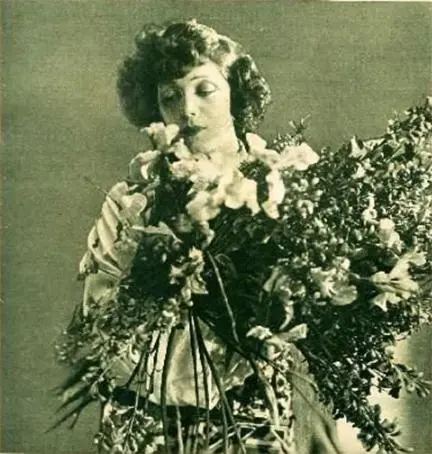
Isabel West, in her portrayal of Sheila Cardross Malcourt, delivers a performance of remarkable depth and subtlety, particularly for the silent era. Her eyes, often shadowed with an unspoken grief, convey the profound internal conflict that rages within. We witness, through her nuanced expressions and restrained gestures, the constant tension between her outward composure and the tempest of her inner turmoil. West masterfully communicates the weight of Sheila’s sacrifice, making her a figure of tragic nobility rather than mere victimhood. She doesn't just play a character; she embodies a universal struggle, making Sheila’s plight resonate across time. Her ability to convey such profound emotional complexity without uttering a single word is a testament to the power of silent acting, transforming the screen into a mirror of the soul. Opposite her, David Powell as Garry Hamil, is the embodiment of the yearning heart. His presence, warm and earnest, serves as a stark contrast to the cold formality of Sheila’s marital life. Powell imbues Hamil with an undeniable magnetism, making his connection with Sheila entirely believable and intensely sympathetic. Their stolen glances, their hushed conversations, are pregnant with the weight of unspoken promises and thwarted desires, a testament to their compelling on-screen chemistry that vibrates with an almost palpable longing.
The narrative structure, expertly crafted by Clara Beranger and Robert W. Chambers, avoids simplistic resolutions, opting instead for a winding path fraught with moral complexities. The initial premise, while seemingly straightforward, quickly deepens as the layers of Sheila's motivations are peeled back. The writers understand that true drama often lies not in external conflict alone, but in the internal battles waged within the human spirit. The decision to prioritize familial duty over personal happiness is a difficult one, and the film doesn't shy away from depicting the psychological toll it exacts. This echoes the intricate character studies often seen in films like The Day She Paid, where protagonists grapple with the profound consequences of their choices, or even the tangled emotional webs of The Tangle, where relationships are anything but clear-cut. The strength of The Firing Line lies in its refusal to offer easy answers, instead inviting the audience to ponder the very nature of love, obligation, and self-preservation. The script’s meticulous attention to Sheila’s internal monologue, even if unspoken, allows for a richly textured character study that feels remarkably modern in its psychological depth.
The film’s supporting cast further enriches this tapestry of human experience. Frank Losee, as Louis Malcourt, portrays a man who, while perhaps not overtly villainous, is certainly oblivious to the depths of his wife’s unhappiness. His performance subtly underscores the emotional chasm that separates him from Sheila, making her longing for Hamil all the more understandable. Losee avoids caricature, presenting Malcourt as a figure whose detachment is perhaps born of societal conditioning rather than malice, thereby amplifying Sheila's isolation. J.H. Gilmour, Vernon Steele, and Gladys Coburn contribute to the detailed social milieu, each adding a layer of authenticity to the world Sheila inhabits. Even smaller roles, such as those played by Shaw Lovett, Rudolph De Cordova, Jane Warrington, Charles Craig, Irene Castle, Philip S. Rice, Anne Cornwall, and May Kitson, are imbued with a quiet dignity, showcasing the era's talent for conveying character through minimal means. Robert Schable's presence further solidifies the ensemble, ensuring that the film feels less like a series of individual performances and more like a cohesive, living world, populated by individuals navigating their own intricate dramas. The collective effort creates a believable backdrop against which Sheila's private torment unfolds.
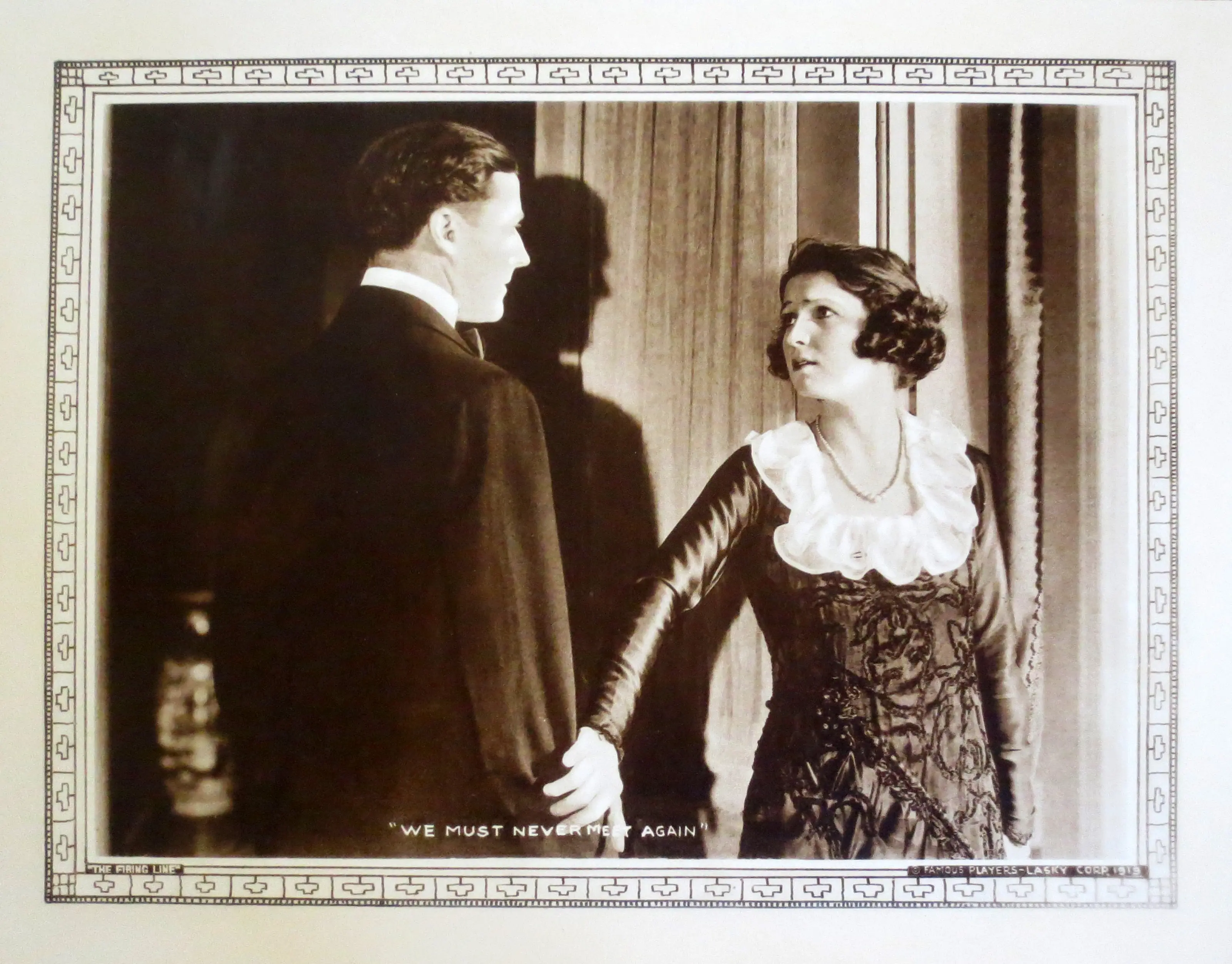
A pivotal turning point arrives with the advent of tragedy, an unforeseen calamity that shatters the fragile equilibrium Sheila has painstakingly maintained. The specific nature of this tragedy, while not explicitly detailed in every synopsis, serves as a powerful narrative device, forcing Sheila to confront an entirely new, agonizing ethical crucible. This moment of crisis is brilliantly handled, transforming her passive suffering into active dilemma. No longer can she merely suppress her feelings; she is now compelled to re-evaluate every principle she once held sacred. The lines between duty, desire, and destiny, once seemingly clear, become irrevocably blurred. This dramatic shift is where the film truly earns its title, placing Sheila squarely on The Firing Line, where every decision carries immense weight and profound consequences. The tragedy, instead of simply freeing her, might in fact intensify her moral quandary, perhaps by removing an obstacle only to reveal a deeper, more complex ethical landscape. It's a testament to the writers' skill that this tragedy doesn't feel gratuitous, but rather an organic, albeit devastating, progression of Sheila's journey, forcing a confrontation with her deepest self.
The visual storytelling, a hallmark of silent cinema, is employed with considerable artistry. Though specific directorial credits might be elusive for many early films, the deliberate framing, the use of light and shadow, and the meticulous staging of scenes all contribute to the film’s emotional impact. Close-ups on West’s expressive face amplify her internal struggle, drawing the audience into her private torment. The settings, whether opulent interiors reflecting Sheila's societal standing or more intimate, subdued backdrops, are not merely decorative but serve to underscore the characters' social standing and emotional states. There’s a quiet elegance to the cinematography that allows the performances to breathe and the narrative to unfold with a measured grace. This visual restraint paradoxically heightens the emotional resonance, allowing the audience to project their own empathy onto Sheila’s plight, making her silent battles profoundly audible. The filmmakers understood the subtle power of visual metaphor, using the very architecture of the scenes to reflect the characters' internal confinement or burgeoning hope.
The themes explored in The Firing Line remain remarkably pertinent even today. The tension between personal happiness and familial obligation, the societal pressures that often dictate individual choices, and the profound search for authentic connection are universal human experiences. While the specific context of divorce and women's roles has evolved considerably since the film's release, the underlying emotional struggles endure. Sheila’s journey is a powerful reminder of the sacrifices people make, often silently, for the sake of others or for deeply held convictions. It prompts reflection on the nature of true love, the definition of a meaningful life, and the courage it takes to pursue one's own truth amidst a chorus of expectations. The film serves as a historical document of early 20th-century mores, yet its emotional core transcends its temporal setting, speaking to the timeless dilemmas of the human condition.
Comparing The Firing Line to other works of its period reveals its distinct voice. While films like Love Letters might explore the clandestine nature of affection, The Firing Line delves deeper into the psychological ramifications of *not* acting on that affection, of the crushing weight of unfulfilled desire. And unlike the more overt heroism often depicted in films like Florence Nightingale or the straightforward romance of Sunny Jane, Sheila’s heroism is internal, a quiet resilience in the face of immense personal anguish. Her struggle is less about grand public acts and more about the private, unseen battles of the heart. This internal focus gives the film a particular gravitas, elevating it beyond mere entertainment to a thoughtful inquiry into the human condition. The film, in its quiet power, anticipates the psychological dramas that would become more prevalent in later cinematic eras, showcasing an early mastery of character-driven storytelling. Its exploration of complex marital dynamics also finds a thematic cousin in films like One of Our Girls, which often explored the challenges faced by women in navigating societal expectations and personal desires.
The film’s enduring appeal lies in its sophisticated approach to moral ambiguity. There are no clear villains or heroes in the traditional sense, only individuals caught in the intricate web of circumstance and personal conviction. Louis Malcourt, for instance, is not depicted as a monster, but perhaps a man unaware of the emotional desolation he presides over, a product of a society that often overlooked emotional compatibility in favor of pragmatic unions. This lack of clear-cut antagonists makes Sheila’s dilemma all the more poignant, as her struggle is largely against internal forces and the prevailing social norms rather than an external oppressor. The film asks us to consider the nuances of responsibility, the weight of promises, and the profound impact of choices made under duress. It challenges the audience to empathize with a protagonist whose path is paved with good intentions, even if those intentions lead her to a place of profound unhappiness. The layers of unspoken feelings and unfulfilled potential paint a picture of human existence that is both fragile and remarkably resilient.
Ultimately, The Firing Line is more than just a historical artifact; it is a timeless narrative that speaks to the enduring complexities of the human heart. It serves as a potent reminder of the sacrifices made in the name of duty and the profound longing for authentic connection. The film, through its compelling performances and nuanced script, invites us to ponder the boundaries of personal freedom and the true cost of adhering to societal expectations. Its conclusion, fraught with the implications of the tragedy and Sheila's new dilemma, leaves the viewer with a sense of unresolved tension, a lingering question about the path she will ultimately choose. It's a powerful, thought-provoking piece of cinema that, even a century after its release, continues to resonate with its profound exploration of the human spirit on the firing line of life's most challenging decisions. The legacy of Clara Beranger and Robert W. Chambers, coupled with the evocative performances, ensures that this film remains a compelling study in silent era drama, a poignant reflection on the choices that define us.
IMDb —
1928
Community
Log in to comment.