DbcultAccessing Vault...
3.8/10
Senior Film Conservator
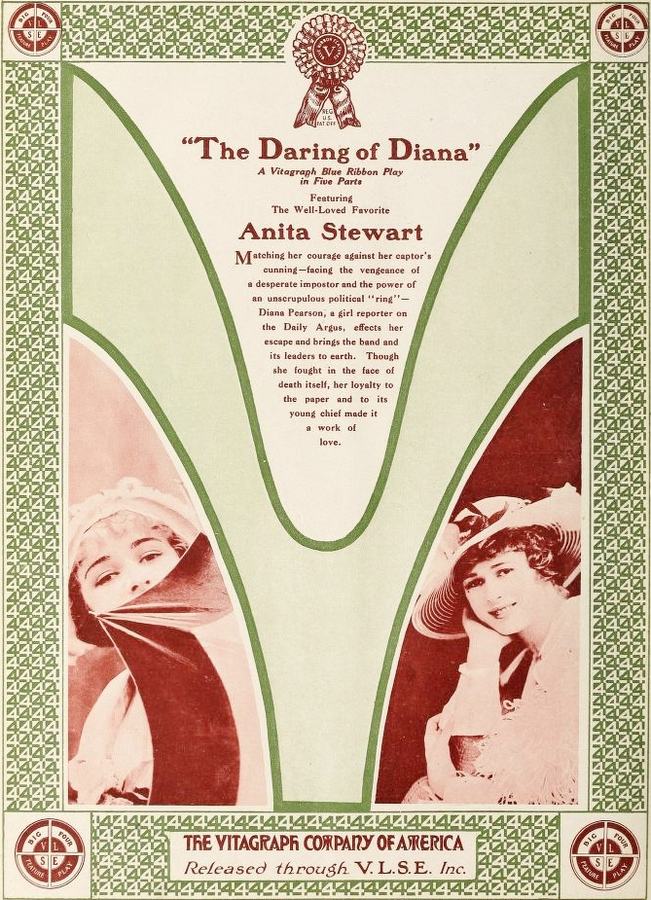
A definitive 3.8/10 rating for a film that redefined the boundaries of cult cinema. The Daring of Diana remains a cornerstone of transgressive art.
Stepping into the flickering glow of the silent era, one often expects grand melodrama, sweeping gestures, and narratives that paint in broad strokes. Yet, every so often, a film emerges that transcends these expectations, offering a nuanced exploration of human character, societal machinations, and the unwavering pursuit of justice. Such is the case with The Daring of Diana, a cinematic gem from 1924 that, even a century later, retains its captivating allure. This isn't just a story; it's a testament to the enduring power of truth, the insidious nature of deceit, and the extraordinary courage of one woman who dares to challenge the status quo.
At its core, The Daring of Diana is a fascinating character study wrapped in a thrilling mystery. We are initially drawn into the somber world of John Briscoe, portrayed with earnest conviction, a young man burdened by an inherited legacy and an idealized image of a father he's never known. For twenty-five years, the patriarch, Jason Briscoe, owner of the influential Daily Argus, has been an absentee figure, banished by the profound grief of losing his wife in childbirth. This quarter-century chasm has fostered in John a profound respect for the Argus's reputation for unblemished honesty, a reputation he diligently upholds as its editor. The anticipation surrounding his father's return from Paris is palpable, not just for John, but for the audience, who are primed to witness a reunion of epic proportions. However, the film masterfully subverts these expectations, plunging us into a narrative labyrinth where appearances are deceiving and trust is a treacherous commodity.
The moment of 'Jason Briscoe's' arrival is a masterclass in silent film tension. John's eager anticipation quickly curdles into a gnawing disappointment. The man who steps off the boat is not the strong, honest figure of John's imagination, but a cunning individual with shifty eyes and an air of calculated self-interest. This initial characterization, delivered through subtle performance cues, immediately establishes a sense of unease. It’s a stark reminder that heroes, even those we conjure in our minds, can be remarkably fragile. This imposter, later revealed as Stange, quickly becomes the catalyst for the film's central conflict. His arrival coincides with a desperate maneuver by a shadowy political faction, previously rebuffed by John's unyielding integrity, to gain control of the Argus. Where John stood firm, Stange sees only opportunity, a chance to parlay the newspaper's influence into personal fortune. The ensuing negotiations, fraught with unspoken tension and the clinking of metaphorical coins, set the stage for a dramatic struggle over the very soul of journalistic ethics.
The film, penned by Charles L. Gaskill, cleverly uses the newspaper as more than just a setting; it’s a symbol of truth, power, and public trust. The prospect of the Argus falling into corrupt hands is not merely a plot device but a thematic exploration of the erosion of integrity in an increasingly complex society. In this regard, it shares a thematic resonance with films like The Patriot, which often explored the corrupting influence of power, albeit in a different political landscape. The narrative skillfully builds the tension around the impending sale, with John's protests serving as a moral compass, his frustration palpable as he witnesses his father's legacy being bartered away by a man he instinctively distrusts.
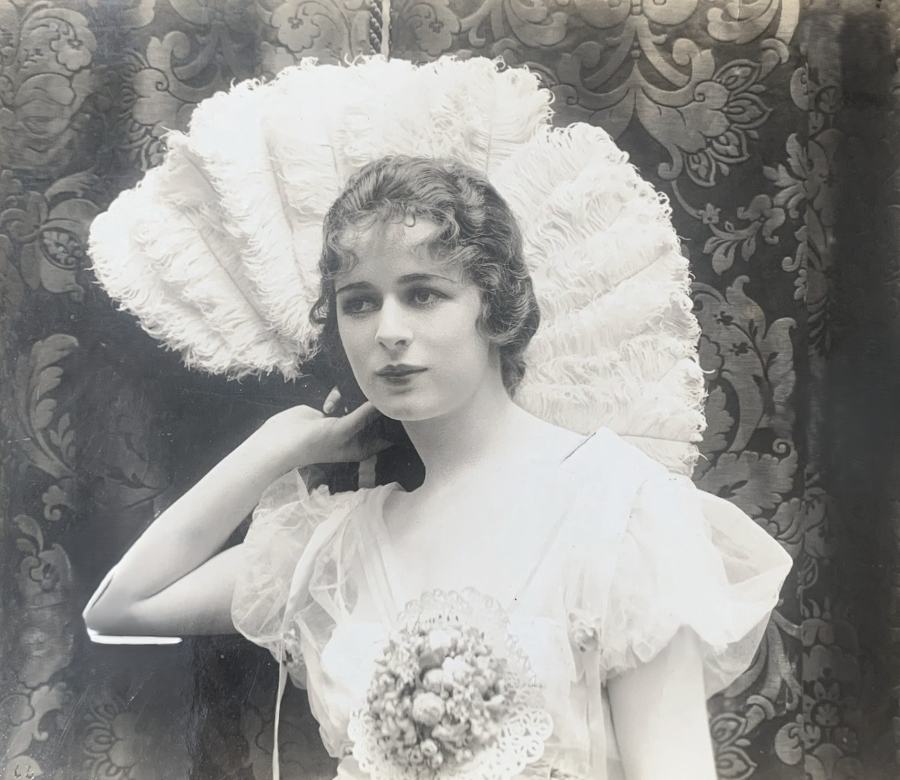
Enter Diana Pearson, played with remarkable vivacity and intelligence by Anita Stewart. Diana is not merely a reporter; she is the Argus's star, a beacon of investigative journalism whose instincts are as sharp as her wit. Her entrance into the narrative marks a decisive shift, transforming the film from a domestic drama of disillusionment into a pulsating thriller. Stewart imbues Diana with a compelling blend of resourcefulness and courage, making her a truly memorable figure in the silent film canon. Her character is a powerful counterpoint to the male-dominated world of publishing and politics, demonstrating that intellect and bravery know no gender. This makes her a fascinating figure to compare with other strong female leads of the era, perhaps even more audacious than the titular character in The Unchastened Woman, who challenged social norms, or the determined protagonist of A Modern Thelma, who embarked on perilous journeys.
Diana's journey of discovery begins with a seemingly innocuous observation: a woman following 'Briscoe's' automobile. This small detail, often overlooked by lesser characters, sparks Diana's journalistic curiosity, propelling her into a dangerous investigation. Her arrival at Briscoe's house, punctuated by a gunshot and the discovery of the wounded woman, is a high-stakes moment, deftly handled through visual storytelling and the expressive performances characteristic of the era. The subsequent imprisonment of Diana and the woman in the cellar is a classic suspense trope, but it's here that the true depth of Stange's villainy, and Diana's predicament, is revealed. The wounded woman's confession, detailing Stange's elaborate scheme to trap the real Jason Briscoe in Paris and usurp his identity, is a pivotal turning point. It's a moment that not only unravels the mystery but also raises the stakes immeasurably, as Diana realizes the monumental task before her: preventing the fraudulent sale of the Argus and rescuing its rightful owner.
What truly elevates Diana's character is her remarkable ingenuity. Trapped and seemingly helpless, she doesn't succumb to despair. Instead, she devises a brilliant, audacious plan, turning her captor, Stange, into an unwitting accomplice. The scene where she subtly manipulates him into carrying a message of her plight to the Argus office is a stroke of narrative genius. It’s a testament to her quick thinking and her profound understanding of human nature, particularly the vanity and overconfidence of a villain. This act of cunning is more than just a plot device; it’s a powerful statement about the agency of a woman in a world that often sought to relegate them to secondary roles. Her ability to outsmart Stange, even while physically constrained, solidifies her as a truly iconic figure, a testament to the power of intellect over brute force.
The ensuing race against time, as a reporter and policemen rush to Diana's rescue, is a thrilling sequence, typical of the era's action-packed climaxes. The pacing, though silent, is expertly conveyed through rapid cuts and heightened performances. Diana's subsequent dash to the Argus office, arriving just as Stange is about to affix his signature to the fraudulent bill of sale, is a moment of pure cinematic triumph. Her dramatic entrance, commanding the attention of all present, is a powerful visual that underscores her heroism. The collective gasp of the audience, then and now, is almost audible. It’s a moment that parallels the dramatic reveals in other mystery thrillers of the period, where truth bursts forth to dismantle carefully constructed lies, perhaps even a more satisfying unmasking than those seen in films like Behind the Mask or The Frozen Warning, which often hinged on intricate deceptions.
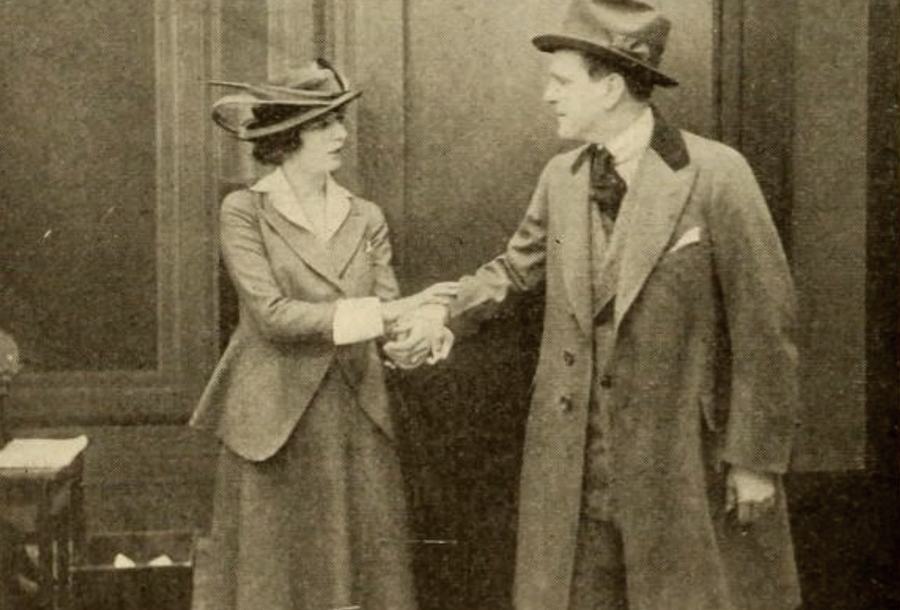
The confrontation with Stange is swift and decisive. Realizing his elaborate deception has crumbled, he makes a desperate attempt to escape, culminating in a struggle where he is shot to death. This violent resolution, while stark, serves to underscore the high stakes of the narrative and the ultimate triumph of justice. It's a fitting end for a character who embodied corruption and deceit, ensuring that the Argus, and its legacy, can be restored. The film doesn't linger on the violence but swiftly moves towards resolution and redemption.
The subsequent release of the real Jason Briscoe from his Apache den in Paris, secured by a cable to the Prefect of Police, brings the narrative full circle. His return is not just a personal victory for the Briscoe family but a symbolic restoration of order and integrity. The final scene, where Jason Briscoe is introduced to Diana Pearson as his future daughter-in-law, is a heartwarming conclusion, tying together the romantic subplot with the overarching themes of loyalty and heroism. It’s a classic Hollywood ending, yet it feels earned, a just reward for Diana's unwavering courage and John's steadfast principles. This romantic development, while perhaps a touch conventional, provides a satisfying emotional closure, reminiscent of the hopeful resolutions found in films like True Blue or Fuss and Feathers, where virtue is ultimately rewarded.
The performances in The Daring of Diana are, as expected for the era, highly expressive, relying on exaggerated gestures and facial expressions to convey emotion. Anita Stewart, however, stands out. Her portrayal of Diana Pearson is nuanced, conveying intelligence and determination through subtle shifts in expression and purposeful movement. She avoids the pitfalls of overacting, grounding her character in a believable resolve that makes her heroism truly compelling. Lou Johnson, as John Briscoe, effectively portrays the young editor's idealism and subsequent disillusionment, making his journey relatable. The imposter Stange, played by an actor whose cunning is palpable through his shifty eyes and calculating demeanor, creates a genuinely menacing antagonist. The supporting cast, including Julia Swayne Gordon, Charles Wellesley, Joseph Donohue, Frank Morgan, Donald MacBride, and Anders Randolf, all contribute to the film’s rich tapestry, each playing their part in advancing the intricate plot.
The direction, while not attributed in the provided details, deftly navigates the complex narrative, maintaining a brisk pace and building suspense effectively. The use of intertitles is judicious, providing necessary exposition without bogging down the visual flow. The cinematography, typical of the period, focuses on clear storytelling, using close-ups to emphasize emotional moments and wider shots to establish setting and action. The film’s ability to sustain tension and deliver satisfying plot twists speaks volumes about the craftsmanship involved. It's a testament to the power of visual storytelling, where every gesture, every gaze, and every scene transition contributes to the overall impact, creating a cinematic experience that holds its own even against more modern narrative techniques. The way the story unfolds, with its intricate layers of deceit and revelation, reminds one of the carefully constructed narratives found in other compelling dramas such as Her Condoned Sin or Her Debt of Honor, where moral dilemmas and hidden truths drive the plot.
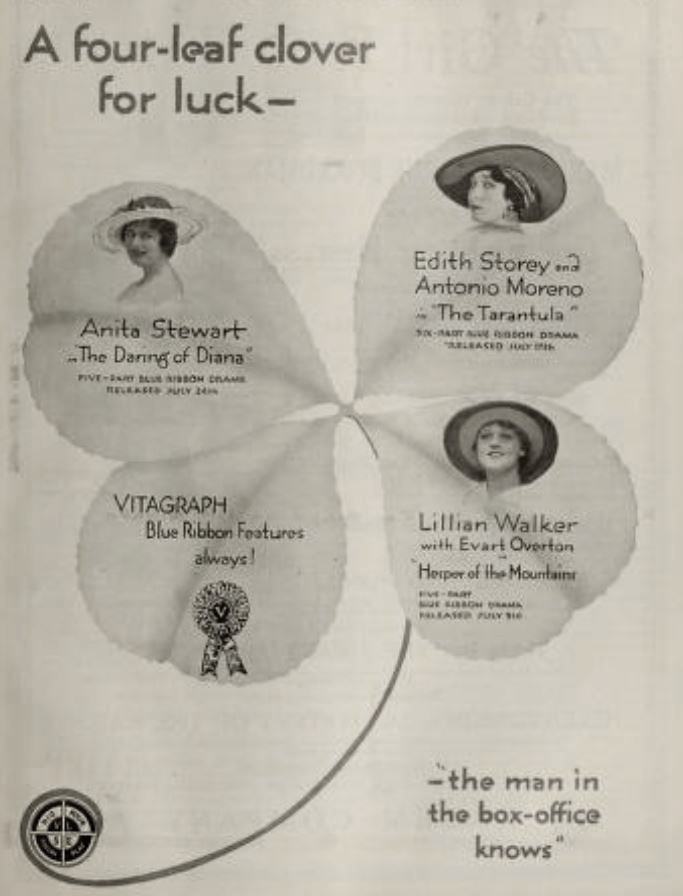
Beyond its thrilling plot, The Daring of Diana resonates with several profound themes that remain relevant today. The film champions journalistic integrity, portraying the press as a vital guardian of truth against corruption and deceit. It's a powerful reminder of the responsibility that comes with wielding the power of information, a message that feels particularly poignant in our current media landscape. The character of Diana Pearson serves as an inspiring emblem of female empowerment, showcasing a woman who is intelligent, courageous, and capable of outwitting even the most cunning adversaries. Her agency and proactive role in unraveling the conspiracy challenge traditional gender roles of the era, making her a proto-feminist icon in her own right. Her strength and independence are certainly on par with, if not surpassing, the spirited leading ladies in films like Wild Youth or even the more complex heroines found in Tinsel, which also explored the challenges faced by women.
The film also delves into the themes of identity and the corrosive nature of deception. The imposter Stange's attempt to erase Jason Briscoe's identity and usurp his life speaks to a deeper psychological struggle for power and self-definition. The narrative celebrates the triumph of authenticity over artifice, a timeless message that continues to resonate. The resolution, with the real Jason Briscoe's return and the promise of a bright future for the Argus under John and Diana's stewardship, leaves the audience with a sense of hope and satisfaction. It's a film that not only entertains but also subtly reinforces the values of honesty, courage, and the unwavering pursuit of justice, echoing the moral clarity often found in films such as Two Men and a Woman, which might explore complex ethical choices.
In conclusion, The Daring of Diana is far more than a relic of the silent film era; it is a vibrant, engaging thriller that stands the test of time. Its intricate plot, compelling characters, and powerful themes make it a worthy watch for any cinephile. Anita Stewart's portrayal of Diana Pearson is particularly noteworthy, cementing her as a cinematic heroine whose intelligence and bravery shine brightly across the decades. This film is a testament to the enduring appeal of well-crafted storytelling, proving that even without spoken dialogue, a narrative can speak volumes and leave a lasting impression. It’s a film that deserves to be rediscovered and celebrated for its contribution to early cinematic excellence and its enduring message of integrity and heroism.
The meticulous attention to detail in the script, coupled with the expressive acting typical of the period, creates an atmosphere of constant engagement. Each twist and turn feels earned, building upon the foundations laid early in the narrative. The film's ability to maintain a high level of suspense, despite the inherent limitations of silent cinema, is a remarkable achievement. One can easily imagine audiences in 1924 leaning forward in their seats, captivated by Diana's plight and her ingenious solutions. This emotional investment is a hallmark of truly great storytelling, irrespective of the medium or era. It's a quality that differentiates memorable films from the merely passable, placing The Daring of Diana firmly in the former category. Its narrative complexity and character depth are often surprising for a film of its vintage, making it a rich subject for analysis and appreciation. The subtle nods to societal issues, such as the corrupting influence of politics on media, add another layer of sophistication, elevating it beyond a simple adventure tale to a thoughtful commentary on the era's challenges. The film's legacy lies not just in its entertainment value, but in its bold portrayal of a woman who refuses to be a bystander, actively shaping her destiny and the fate of those around her. It's a cinematic experience that proves the silent screen was anything but quiet in its impact and resonance.
IMDb 5.4
1930
Community
Log in to comment.