DbcultAccessing Vault...
5.7/10
Senior Film Conservator
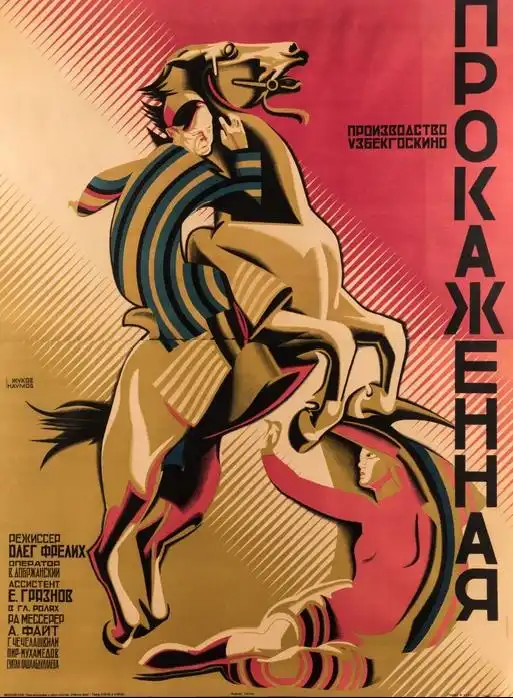
A definitive 5.7/10 rating for a film that redefined the boundaries of cult cinema. Prokazhennaia remains a cornerstone of transgressive art.
"Prokazhennaia" isn't for everyone, but if you've got a soft spot for older, intense dramas where social expectations just crush people, you might find it compelling. It’s a slow burn, definitely, but it pulls you in if you let it. If you need explosions or witty banter, steer clear; this is a film about quiet despair.
The whole thing kicks off with Tilla Oi, a young woman just married into what seems like a pretty good life with Said Vali, a wealthy merchant. She tries to do something *nice*, a surprise.
She puts on this European-style dress.
And wow, what a disaster. Her husband’s reaction is just… cold. Not angry, really, but a complete withdrawal of respect.
You can see it in his eyes, like a switch flips.
From there, it’s a pretty brutal watch. The film shows her life just unraveling piece by piece. It's like every decision she makes, or even just *exists*, pushes her further down.
One particular shot sticks out: a close-up of her face after the initial confrontation. Her expression is this mix of confusion and dawning horror. It’s not over-the-top, just deeply, quietly sad. 😔
The film doesn't rush anything. It just lets Tilla’s situation sink in.
You see her move from comfort to, well, *less* comfort, then to outright hardship. The changes in her clothing and surroundings are really stark.
There’s this one sequence where she’s just walking through a market, and the camera just follows her. People look, they whisper.
It’s not even explicit dialogue, but the feeling of shame and judgment is so strong.
The performance by the actress playing Tilla is quite something. She doesn't have a lot of big emotional outbursts, but her face tells the whole story. You *feel* her helplessness.
Said Vali, her husband, remains a sort of distant, imposing figure throughout. His disapproval is almost a silent force, shaping everything that happens to her. He doesn’t need to shout.
It’s the kind of film that makes you think about how quickly things can fall apart for someone, especially when they’re up against strict social rules. A small deviation, and suddenly, everything’s gone.
The ending, without giving too much away, is pretty bleak. It’s not about redemption or a sudden turnaround. It just… ends.
It leaves you sitting there, thinking about the quiet injustices.
This isn’t a perfect film, of course. Some of the early pacing might drag for modern viewers. But it has this raw, almost documentary feel to Tilla's struggle. It really hammers home its point.
I think it's a valuable watch for anyone interested in early cinema or stories about societal pressures. It reminds you that some struggles, even from a long time ago, still resonate today.
IMDb 5.6
1936
Community
Log in to comment.