DbcultAccessing Vault...
Cult Review
Senior Film Conservator
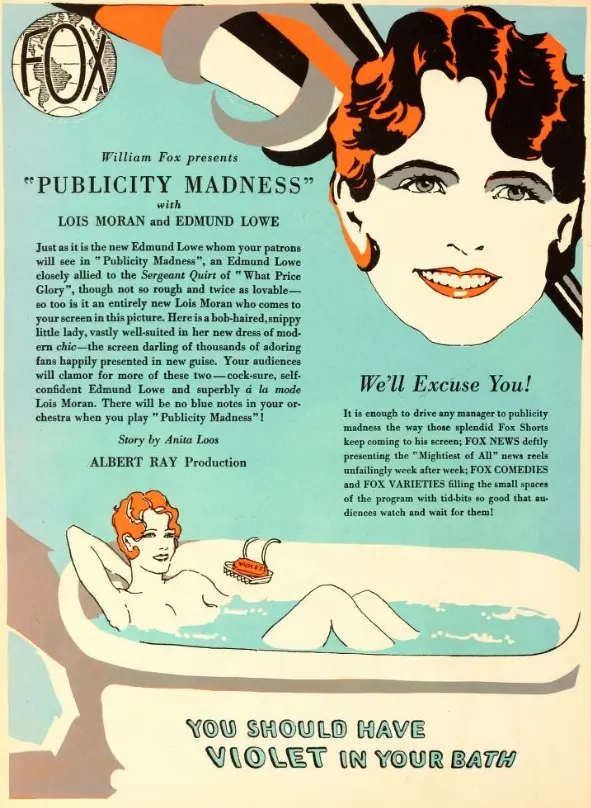
Is Publicity Madness, an artifact from the late silent era, still worth your precious viewing time in the bustling landscape of modern cinema? Short answer: yes, but with significant caveats that demand a particular kind of cinematic palate.
This film is an absolute must-see for ardent silent film aficionados, historians of early Hollywood, and those with a keen interest in the nascent stages of romantic comedy. Conversely, viewers accustomed to rapid-fire dialogue, intricate plots, or modern comedic sensibilities will likely find its pacing glacial and its humor largely antiquated, potentially leading to disengagement.
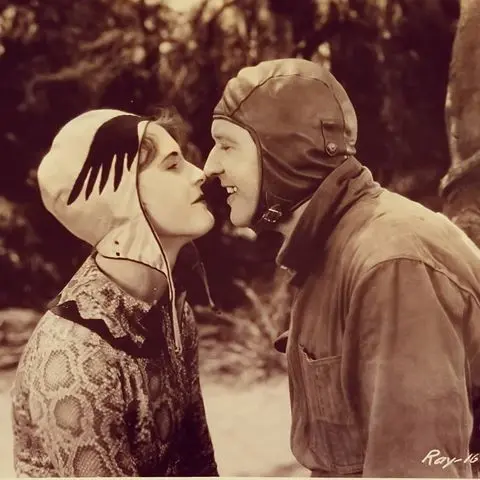
The premise of Publicity Madness is rooted in a specific historical moment, one just on the cusp of profound change. Pete Clark, played with an energetic earnestness by Edmund Lowe, is a public relations man for Henly soap. His job, as he sees it, is to generate buzz, no matter how outlandish. His grand scheme? A $100,000 prize for the first person to fly non-stop from California to Hawaii. The genius of the plan, from Clark’s perspective, is its inherent impossibility. He’s offering a fortune for a feat no one believes can be accomplished, thus generating immense publicity without actually having to pay out the prize. It’s a cynical, yet undeniably clever, gambit.
This initial setup, before the intervention of real-world events, provides a fascinating glimpse into the early days of corporate publicity and the public’s gullibility. Clark’s confidence in the unachievability of his own contest is almost hubris, a character flaw that forms the bedrock of the film’s central conflict. The film establishes him as a man driven by ambition, perhaps a little too clever for his own good, and certainly not above bending the rules of ethics for a good headline.
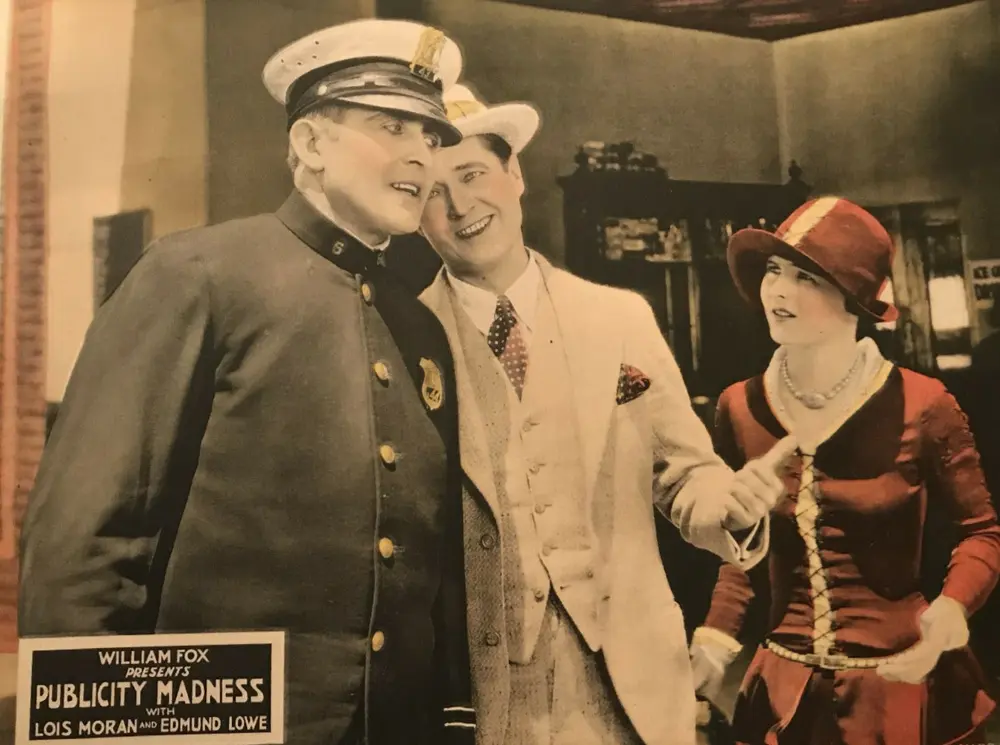
The entire comedic engine of Publicity Madness ignites with a single, real-world event: Charles Lindbergh’s monumental transatlantic flight. This isn't just a plot point; it's a seismic shift that grounds the film in an undeniable historical context. Suddenly, the impossible becomes possible. Clark’s safe gamble turns into a catastrophic liability. The $100,000 prize, once a fictional lure, is now very real, threatening to bankrupt Henly soap and, more importantly, ruin Clark’s career and reputation.
This is where the film truly begins to find its footing, transforming from a corporate satire into a frantic, character-driven adventure. Clark, in a desperate act of self-preservation, decides he must enter the race himself. His goal isn't glory, but to win his own prize money back, saving himself from financial and professional ruin. This pivot is a stroke of narrative brilliance, forcing the architect of the madness to become its unwilling participant. It’s a classic comedic setup: the schemer hoisted by his own petard.
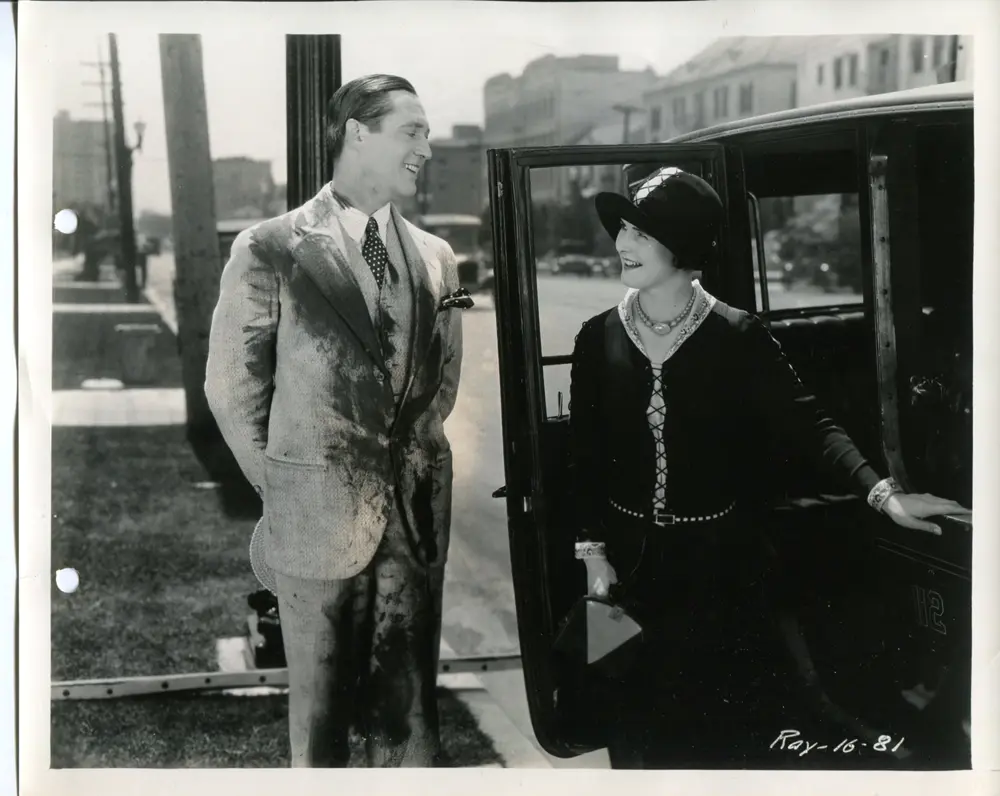
Edmund Lowe, as Pete Clark, carries the bulk of the film’s comedic and dramatic weight. His performance is a masterclass in silent film acting, relying heavily on exaggerated facial expressions and broad physical comedy. He transitions seamlessly from the smug, self-assured adman to the frantic, increasingly desperate aviator. One particularly memorable sequence involves Clark’s attempts to learn how to fly, depicted through a series of increasingly absurd mishaps and near-crashes that showcase Lowe’s impressive physical prowess and comedic timing.
Lois Moran, as Violet, the boss’s daughter and Clark’s eventual love interest, provides a more understated counterpoint to Lowe’s frenetic energy. Her character often serves as the moral compass, initially skeptical of Clark’s schemes but gradually won over by his improbable determination. Her expressions, often subtle, convey a sense of intelligence and quiet amusement, making her a more engaging romantic lead than many stock characters of the era. The dynamic between them, though somewhat predictable for the genre, benefits from their contrasting styles.
The supporting cast, including E.J. Ratcliffe as the exasperated boss and Arthur Housman as a perpetually drunken competitor, add color and additional comedic beats. Housman, in particular, delivers a surprisingly nuanced performance for a comedic drunk, often stealing scenes with his slurred gestures and bewildered expressions, providing a consistent source of low-brow humor that contrasts with Clark’s more frantic brand of comedy.
Director Frank O'Connor navigates the film with a steady hand, effectively balancing the early corporate satire with the later adventure-comedy elements. The film's visual language is quintessential silent era, relying on clear shot compositions and expressive intertitles to convey dialogue and plot points. The cinematography, while not revolutionary, effectively captures the spirit of the late 1920s.
The aerial sequences, crucial to the film’s climax, are surprisingly ambitious for their time. While some shots clearly utilize models or process photography, there are moments that suggest real aircraft were employed, creating a sense of genuine excitement and peril. The thrill of flight, a relatively new and awe-inspiring concept to audiences of the era, is palpable. The transition from the sterile office environments to the vast, open skies provides a strong
IMDb 7.3
1923
Community
Log in to comment.