DbcultAccessing Vault...
6/10
Senior Film Conservator
A definitive 6/10 rating for a film that redefined the boundaries of cult cinema. The Climbers remains a cornerstone of transgressive art.
Is 'The Climbers' a lost masterpiece or a confused relic of the late silent era? Short answer: It is a fascinating, if uneven, experiment that succeeds as a proto-feminist action flick but stumbles as a royal drama. This film is for viewers who enjoy seeing traditional gender roles subverted in early cinema; it is not for those who demand a consistent tone or historical accuracy.
1) This film works because it pivots from a stuffy court melodrama into a high-stakes survival western with surprising agility.
2) This film fails because the villainous motivations of Countess Veya are often secondary to the spectacle of the Duchess's physical transformation.
3) You should watch it if you want to see a pre-Code era starlet trade her lace fan for a Colt revolver and actually hold her own in a duel.
The first act of 'The Climbers' is a masterclass in the 'vamp' subgenre that dominated the 1920s. We are introduced to a Spain that feels more like a stage set than a country, where King Ferdinand VII (Anders Randolf) is depicted not as a statesman, but as a man governed entirely by his loins. His pursuit of the Duchess of Aragon (Irene Rich) is uncomfortable to watch, played with a heavy-handed persistence that makes the Duchess’s eventual exile feel less like a tragedy and more like a necessary escape.
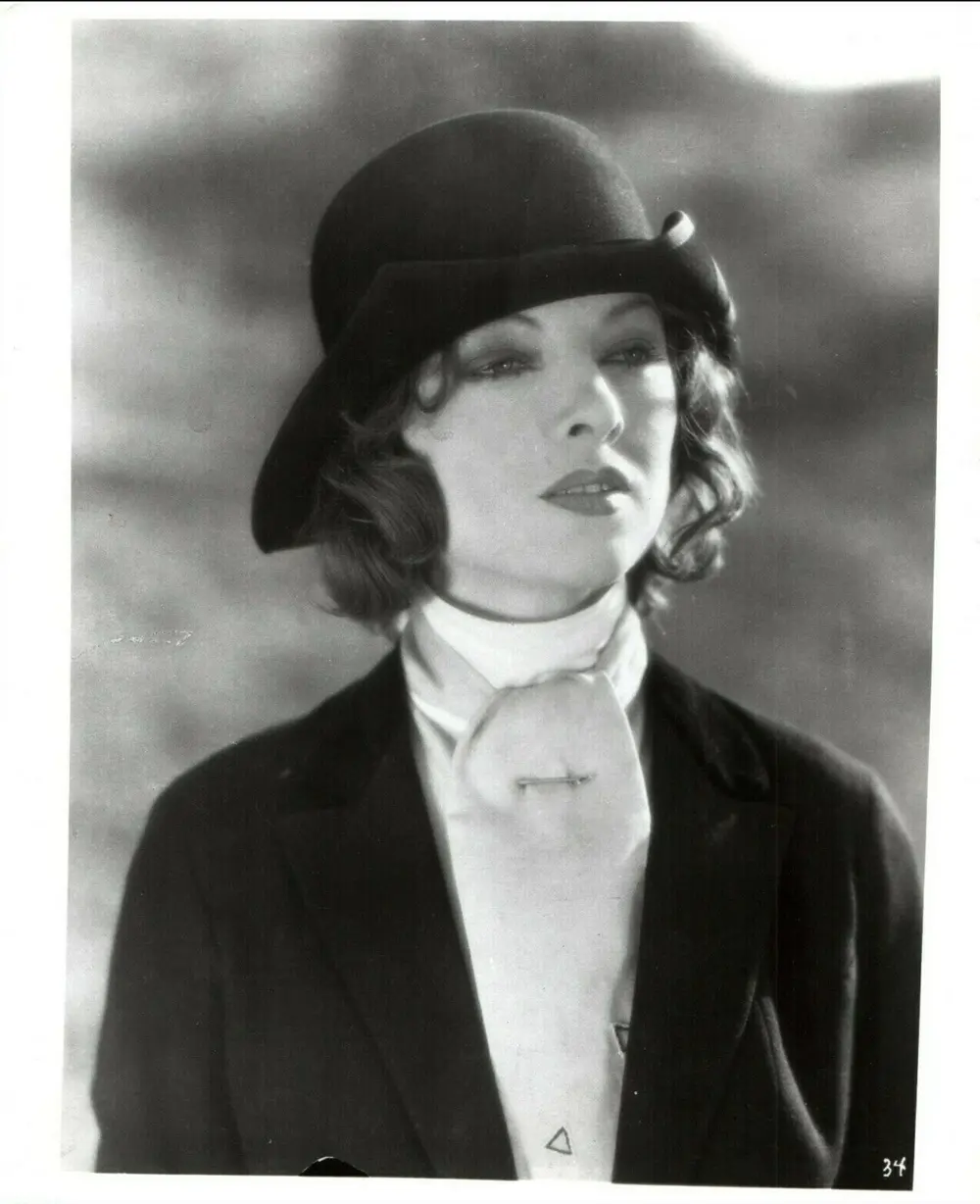
Myrna Loy, as Countess Veya, is the true engine of the first thirty minutes. Before she became the sophisticated Nora Charles, Loy was frequently cast in 'exotic' or villainous roles, and here she leans into the role of the spurned mistress with a sharp, icy precision. The way she manipulates the court to oust the Duchess is calculated and cold. It is a performance that reminds us why Loy survived the transition to sound; her eyes do more work than the title cards ever could.
However, the film’s portrayal of the Spanish court is remarkably shallow. It lacks the political density of a film like Lydia Gilmore, choosing instead to focus on the immediate, visceral conflict between the two women. When the Duchess is finally sent away, the film doesn't just change locations; it changes its entire DNA.
The second act is where 'The Climbers' earns its place in the annals of weird cinema. Once the Duchess arrives in Puerto Rico, the film abandons the drawing-room drama for something resembling a Western. This transition is jarring. One moment we are in a palace, the next we are watching Irene Rich ride a horse astride—a scandalous 'unladylike' act for the time—and fending off bandits. It is a tonal whiplash that shouldn't work, yet somehow does because of the sheer commitment of the lead performance.
Irene Rich is the revelation here. Often cast in matronly or dignified roles, seeing her get her hands dirty is a thrill. There is a specific scene where she is confronted by a group of brigands in a dusty outpost. Rather than fainting or waiting for a hero, she uses her wits and her newfound physical prowess to navigate the threat. It’s a moment that echoes the grit found in Arizona, but with the added layer of a displaced aristocrat finding her true self in the mud.
The cinematography in these sequences is significantly more dynamic than the static shots of the Spanish court. The use of natural light and the vast, open landscapes of the frontier provide a stark contrast to the claustrophobic interiors of the first act. The camera follows the horses with a kinetic energy that suggests the filmmakers were much more interested in the action than the etiquette.
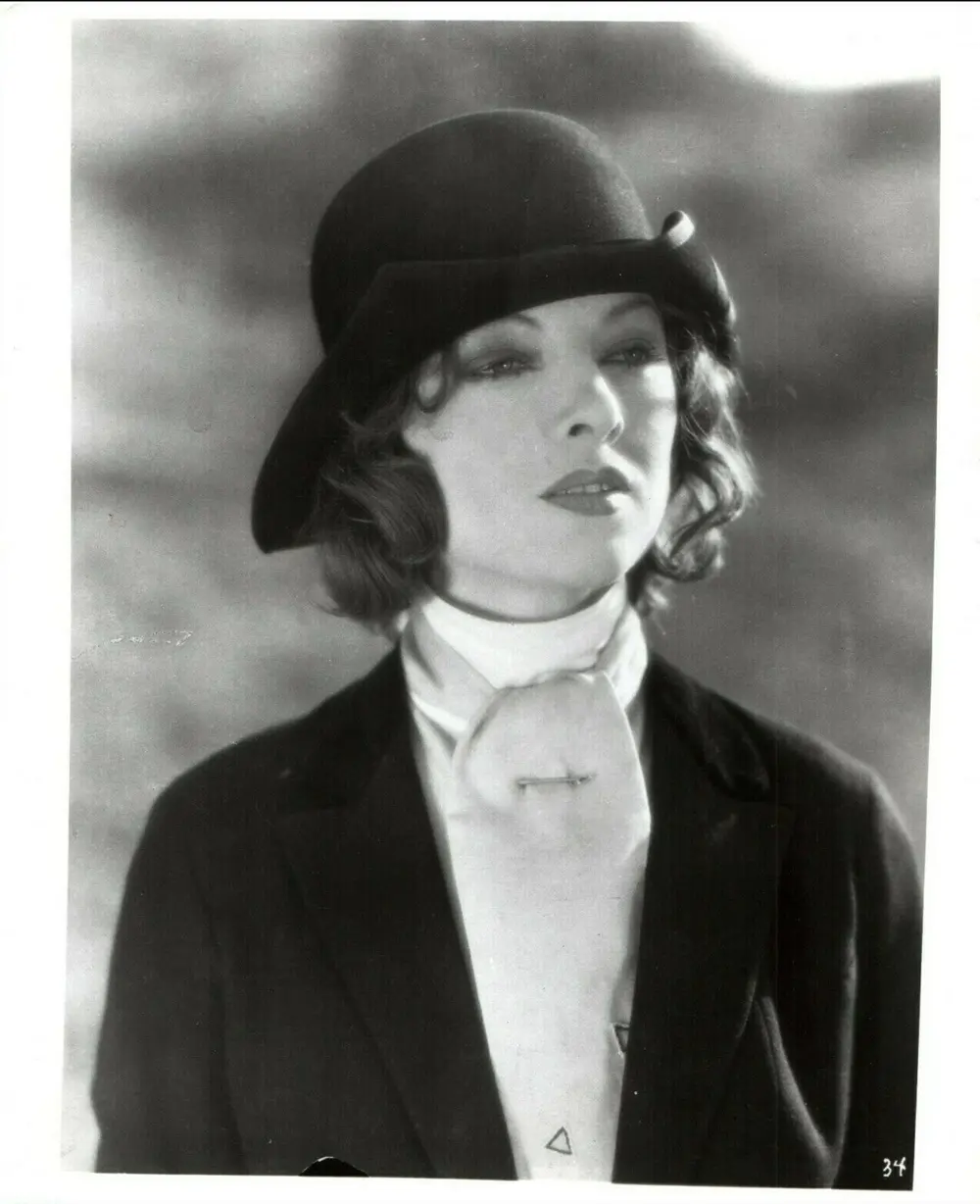
Action in silent films often feels choreographed to the point of being a dance, but 'The Climbers' possesses a surprising amount of 'bite'. The dueling scenes are not just for show; they are treated as life-and-death struggles. When the Duchess is forced to defend her honor and her life, the film doesn't shy away from the physical toll of her situation. She looks exhausted, dusty, and genuinely endangered.
The direction by the uncredited hands (though based on Clyde Fitch’s play) manages to keep the pacing brisk once the action moves to the Caribbean. While the film lacks the epic scale of The Calgary Stampede, it makes up for it with a sense of personal stakes. We aren't just watching a battle for territory; we are watching a woman battle for her right to exist outside the shadow of a man.
One surprising observation: the film treats the 'brigands' with more personality than the King. While the King is a caricature of lust, the bandits are presented as a genuine, chaotic force of nature that the Duchess must learn to master. This creates a compelling narrative arc where the Duchess’s greatest enemies in Spain were 'civilized' but her greatest allies in Puerto Rico are those who live by their own rules.
Yes, but you have to be patient with the first act. If you can get past the somewhat generic royal intrigue of the opening twenty minutes, you are rewarded with a unique genre-mashup that feels decades ahead of its time in its treatment of its female lead. It is a rare chance to see Irene Rich in an action role and a young Myrna Loy sharpening the villainous claws she would later trade for comedic wit.
The film is a fascinating artifact of 1927. It captures a moment when cinema was trying to figure out how to blend the prestige of the stage with the populist appeal of the Western. It doesn't always succeed, but its failures are more interesting than the successes of more conventional films from the same year, such as The Confession.
Pros:
- Myrna Loy is deliciously evil.
- The location shift to Puerto Rico adds much-needed visual variety.
- Irene Rich delivers a physically demanding and convincing performance.
- The film avoids the 'damsel in distress' trope in its final act.
Cons:
- The first act is sluggish and predictable.
- The male characters are largely forgettable and serve only as plot devices.
- Some of the title cards are overly flowery and slow the momentum.
'The Climbers' is a weird, wonderful anomaly. It starts as a costume drama and ends as a survivalist thriller. It works. But it’s flawed. The internal logic of the plot is held together by the sheer force of Irene Rich’s charisma. While it may not have the historical weight of Across the Pacific, it offers a more intimate and surprising character study. It’s a film that dares to ask what happens when a Duchess is forced to trade her crown for a gun—and the answer is far more entertaining than you’d expect. If you are a student of the silent era, this is a mandatory watch for the performances alone.
IMDb 6.6
1937
Community
Log in to comment.