DbcultAccessing Vault...
5.8/10
Senior Film Conservator
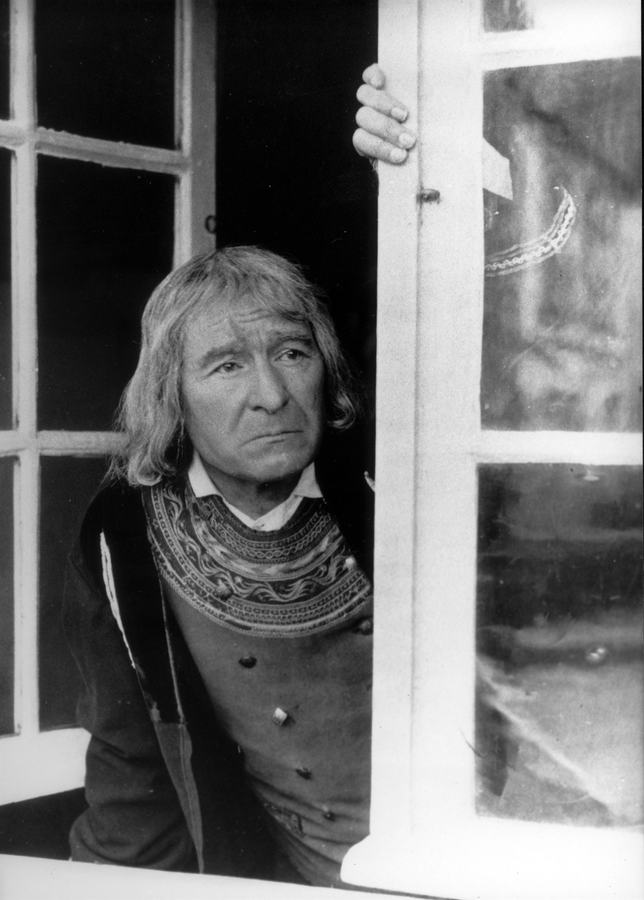
A definitive 5.8/10 rating for a film that redefined the boundaries of cult cinema. Quatre-vingt-treize remains a cornerstone of transgressive art.
Albert Capellani’s 1920 silent opus Quatre-vingt-treize stands as a towering testament to early cinematic ambition, translating Victor Hugo’s dense political novel into a visual language that still reverberates with contemporary relevance. The film’s opening sequence, bathed in a wash of sea‑blue (#0E7490) shadows, immediately immerses the viewer in a Paris shrouded by the fog of uncertainty, where lantern light flickers against the looming silhouettes of guillotines. This chromatic choice, juxtaposed against the stark whiteness of the intertitles, evokes a sense of foreboding that pervades the narrative from its first frame.
Henry Krauss assumes the role of Gauvain, a young nobleman whose internal conflict is rendered through a series of meticulously choreographed close‑ups. Krauss’s expressive eyebrows, the slightest tremor of his lips, and the deliberate pacing of his gestures convey a psychological depth that transcends the absence of spoken dialogue. In one pivotal scene, Gauvain stands before a burning chateau, the flames licking the night sky in a hue reminiscent of dark orange (#C2410C). The camera lingers on his profile, the light catching the contours of his jaw, as he grapples with the weight of his lineage versus the burgeoning ideals of liberty.
Georges Dorival delivers a ferocious performance as Leclerc, the impassioned revolutionary whose speeches—projected through intertitles in bold yellow (#EAB308) lettering—ripple through the crowd like a contagion. Dorival’s physicality, a blend of clenched fists and sweeping gestures, mirrors the kinetic energy of a populace on the brink of upheaval. His rivalry with Gauvain is not merely ideological; it is a clash of generational worldviews, each vying for the moral high ground amidst a landscape of blood‑stained streets.
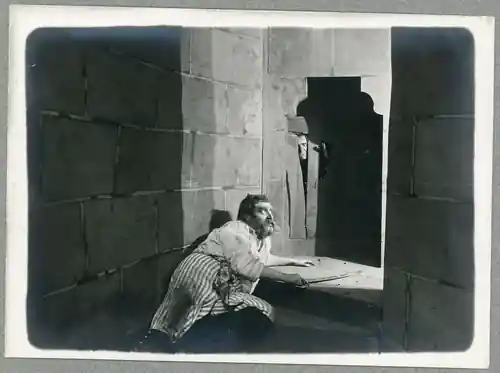
Charlotte Barbier‑Krauss, portraying Madame de Borda, provides the film’s emotional anchor. Her nuanced portrayal—marked by a poised bearing and eyes that betray a simmering resolve—offers a counterpoint to the overt machismo of the male protagonists. In a scene where she comforts a wounded child amidst the ruins of a marketplace, the camera adopts a low angle, emphasizing her stature as a beacon of compassion. The muted palette of the surrounding debris contrasts sharply with her luminous presence, underscoring her role as a moral compass.
The supporting cast, including Philippe Garnier as the conflicted officer Maurice and Max Charlier as the cynical journalist Paul, enrich the tapestry of the film’s social commentary. Their interactions, often punctuated by lingering glances and restrained movements, speak to the underlying tensions that permeate every corner of the Republic. Maurice’s internal struggle is particularly evident when he hesitates before ordering the execution of a captured insurgent, his hand trembling as the blade glints under the dim lantern light.
Capellani’s direction is distinguished by his masterful use of mise‑en‑scene. The film’s set designs—ranging from the opulent salons of the aristocracy to the cramped, soot‑filled taverns of the working class—are rendered with an authenticity that transports the audience to the throes of 1793 France. The juxtaposition of these spaces, often achieved through rapid cross‑cutting, accentuates the stark dichotomy between privilege and poverty, a theme that resonates throughout Hugo’s source material.
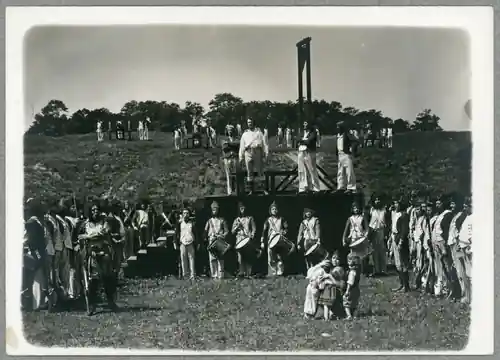
A particularly striking sequence involves the siege of a provincial stronghold, where the camera adopts a handheld aesthetic, a technique rarely seen in early cinema. The shaky frames, coupled with the frenetic movement of soldiers, convey a visceral sense of chaos. The use of sea‑blue filters during night assaults adds a cold, almost spectral quality, heightening the sense of dread that pervades the battlefield.
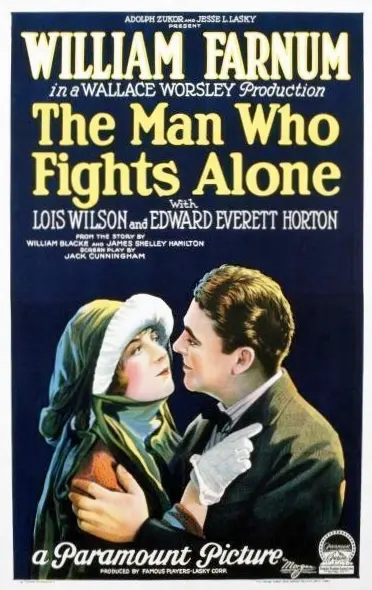
When comparing Quatre-vingt-treize to contemporaneous works such as A Damsel in Distress or the later noir Wanted for Murder, Capellani’s film distinguishes itself through its unflinching commitment to historical verisimilitude. While the former revels in lighthearted escapism and the latter embraces shadowy intrigue, Quatre-vingt-treize situates its drama within the crucible of political transformation, refusing to dilute the gravity of its subject matter for the sake of commercial appeal.
The cinematography, helmed by a yet‑uncredited yet visionary cameraman, employs a series of innovative techniques that predate the French Impressionist movement. One notable example is the use of double exposure during Gauvain’s dream sequence, where his visage fades into that of a guillotine blade, symbolizing his subconscious dread of inevitable martyrdom. The superimposed image, rendered in a ghostly hue of dark orange, lingers long enough to imprint an indelible impression upon the viewer.
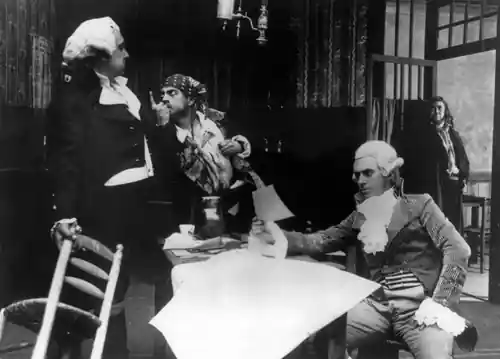
Music, though absent in the original silent format, has been resurrected in modern restorations with a score that interweaves period‑appropriate motifs and contemporary dissonance. The orchestration, featuring mournful cellos and sharp, staccato strings, mirrors the film’s emotional oscillations, guiding the audience through moments of tender introspection and explosive confrontation.
The thematic core of Quatre-vingt-treize revolves around the paradox of liberty: the promise of emancipation juxtaposed against the terror it can engender. This duality is embodied in the character arc of Gauvain, whose journey from aristocratic complacency to revolutionary martyrdom is meticulously charted. His ultimate decision to lay down his sword in favor of a plow—symbolically portrayed in the final tableau where he kneels amidst a field of wheat—offers a poignant commentary on the cyclical nature of power and the possibility of renewal.
Capellani’s adaptation also preserves Hugo’s lyrical prose through intertitles that echo the novel’s poetic cadence. Phrases such as “the thunder of liberty reverberates across the valleys of the heart” are rendered in an elegant serif font, their yellow hue standing out against the black backdrop, inviting the audience to linger upon each line as if savoring a stanza of verse.
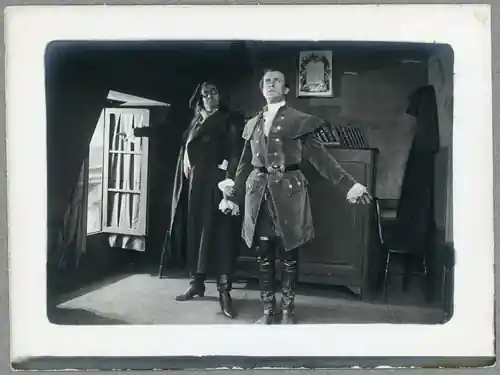
In terms of pacing, the film maintains a deliberate rhythm, allowing scenes to breathe while ensuring that narrative momentum never wanes. The balance between intimate character moments and grand, sweeping set pieces demonstrates Capellani’s deft hand at storytelling, a quality that aligns him with the likes of D.W. Griffith while retaining a distinctly French sensibility.
The film’s legacy, though often eclipsed by more commercially successful silent epics, endures within scholarly circles for its ambitious scope and its nuanced exploration of revolutionary ethics. Modern restorations have facilitated renewed academic interest, prompting comparisons to later historical dramas such as Canada's Mountain of Tears, which similarly grapple with national trauma and collective memory.
From a technical standpoint, the film’s editing exhibits a rhythmic precision that prefigures the montage theories of Soviet cinema. The rapid intercutting between the guillotine’s blade and the anguished faces of onlookers creates a visceral correlation between instrument of death and the human cost, a visual metaphor that resonates with the audience’s innate sense of empathy.
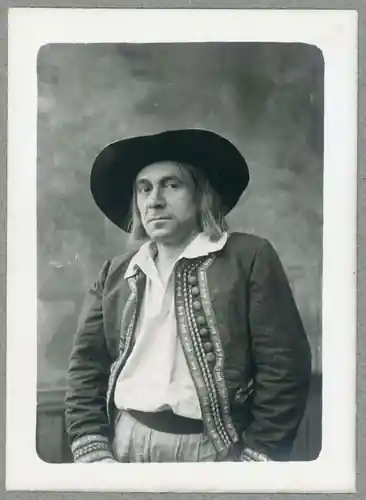
The costuming, meticulously researched, reflects the sartorial dichotomy of the era: the aristocracy’s opulent fabrics, rendered in deep burgundies and golds, contrast starkly with the plain, homespun garments of the revolutionaries, often dyed in muted blues that echo the sea‑blue (#0E7490) motif throughout the film. This visual stratification reinforces the social stratums that the narrative seeks to interrogate.
While the film’s silent nature may initially present a barrier to modern audiences accustomed to dialogue-driven narratives, its reliance on visual storytelling cultivates a universal language that transcends linguistic boundaries. The emotive power of a single glance, the tension embedded in a clenched fist, and the rhythm of footfalls across cobblestones coalesce to form a symphonic tableau that speaks directly to the subconscious.
Critically, the film does not shy away from portraying the darker aspects of revolutionary zeal. Scenes depicting mob violence, the indiscriminate execution of suspected counter‑revolutionaries, and the moral ambiguity of leaders such as Leclerc are rendered with a stark honesty that challenges any romanticized notions of the period. This unvarnished depiction aligns Capellani with the realist tradition, positioning the film as a precursor to later socially conscious cinema.
The film’s climax, wherein Gauvain confronts Leclerc on the battlefield, is orchestrated with a choreography that balances theatricality and realism. Their duel, set against a backdrop of smoke and the distant echo of cannon fire, culminates in a moment of suspended time as both men lower their weapons simultaneously, an act that encapsulates the futility of violence and the yearning for reconciliation.
In the denouement, the camera pans across a desolate landscape, the remnants of a once‑proud chateau now reduced to rubble. The sky, tinged with the lingering hue of dark orange, suggests a sunrise of hope amid devastation. The final intertitle, rendered in crisp yellow, declares, “From the ashes of tyranny, a new dawn shall rise,” encapsulating the film’s overarching message of resilience.
Overall, Quatre-vingt-treize stands as a monumental achievement in early cinema, marrying historical fidelity with artistic innovation. Its intricate character studies, bold visual palette, and uncompromising thematic depth render it a must‑watch for aficionados of both film history and revolutionary narratives. The film’s capacity to evoke profound reflection on the cyclical nature of power, the cost of idealism, and the enduring human spirit ensures its relevance endures a century after its initial release.
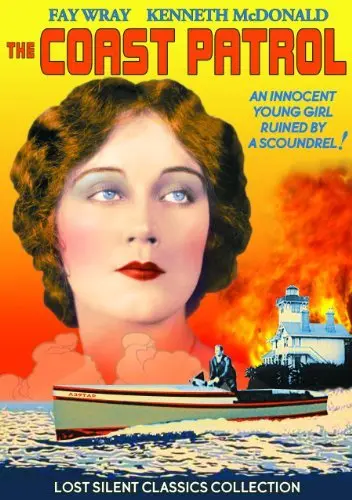
IMDb 6
1925
Community
Log in to comment.