DbcultAccessing Vault...
Cult Review
Senior Film Conservator
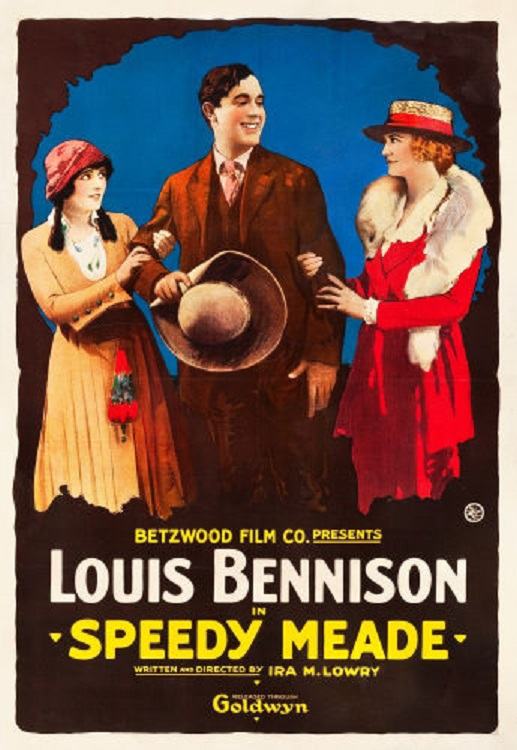
When the dust settles on the opening tableau of Speedy Meade, the audience is thrust into a tableau of loss and resolve. The film opens with the stark, sun‑bleached plains of Texas, where the eponymous ranger, portrayed with a stoic intensity by Norman Jefferies, receives word of Bud Lester’s grisly demise. The director, Ira M. Lowry, uses tight framing to emphasize the ranger’s internal crucible—each glance a silent soliloquy of vengeance.
Meade’s farewell to Mary Dillman (Claire Adams) is more than a romantic goodbye; it is a ritual of separation that underscores the film’s recurring motif of duty versus desire. Mary, a convent student, embodies both spiritual purity and an undercurrent of mystery, a duality that Lowry exploits through lingering close‑ups that linger on her eyes, hinting at secrets yet unrevealed.
The narrative propels forward as Meade infiltrates the cattle‑theft syndicate. Here, the film showcases its most inventive costume design: the ranger dons the garb of a derelict bartender, his face obscured by grime and a battered hat, then morphs into an elderly cattle‑peddler whose stooped gait betrays no hint of his true identity. These transformations are not merely plot devices; they serve as visual metaphors for the fluidity of identity on the frontier, where lawmen and outlaws often wore the same weather‑worn boots.
Lowry’s pacing accelerates when Meade uncovers that the gang’s mastermind is Henry Dillman (Edward Roseman), a revelation that ripples through the film’s emotional core. The audience, already invested in Mary’s delicate romance with the ranger, now confronts a familial betrayal of Shakespearean proportions. The script, penned by Lowry himself, deftly balances exposition with tension, allowing the truth to surface through a series of hushed exchanges in dimly lit taverns.
Mary’s sudden arrival at the gang’s hideout introduces a chaotic variable. Her presence, though intended to aid Meade, instead compromises his carefully laid stratagem. The scene is shot with a kinetic camera that circles the protagonists, echoing the dizzying swirl of fate that threatens to unmoor them both.
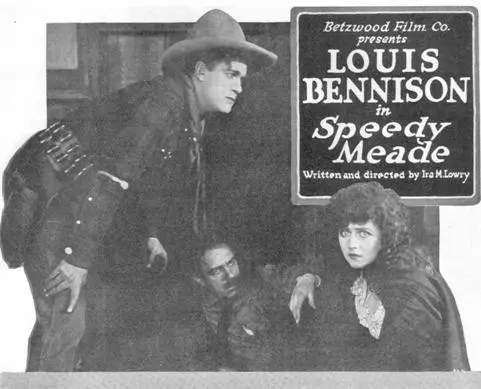
The climactic capture—Meade bound, gagged, and left to the merciless night—exemplifies the film’s mastery of suspense. Lowry employs chiaroscuro lighting to cast long shadows across the ranger’s restrained form, a visual echo of his earlier loss of Bud Lester. The audience is left to wonder whether the hero will ever break free.
When the gang turns on Henry, accusing him of betrayal, the film erupts into a frenetic shootout. The gunfire is choreographed with a rhythm that feels almost musical, each blast punctuating the narrative’s crescendo. Henry’s fatal wound and his subsequent confession—that he is not Mary’s biological father—serve as a cathartic release, dissolving the tangled web of deceit that has ensnared the protagonists.
Meade’s liberation is a masterclass in physical storytelling. He frees himself using a concealed blade, a move that is both pragmatic and symbolic: the ranger cuts not only his bonds but also the shackles of the past that have held him captive. The ensuing melee sees him dispatch Mary’s assailant with a swift, decisive blow, reaffirming his role as protector.
The denouement, where Mary and Meade ride off together, is rendered with a poetic stillness that lingers long after the final frame fades. The camera lingers on the horizon, the sun dipping below a scarred landscape, suggesting that while the present conflict has been resolved, the frontier remains a place of perpetual flux.
In comparing Speedy Meade to contemporaneous works such as The Salamander or the gritty western The Cossack Whip, one discerns Lowry’s unique ability to weave personal drama into the broader tapestry of lawlessness. While the former titles lean heavily on action set‑pieces, Lowry invests his narrative with emotional stakes, allowing the audience to feel the weight of each decision.
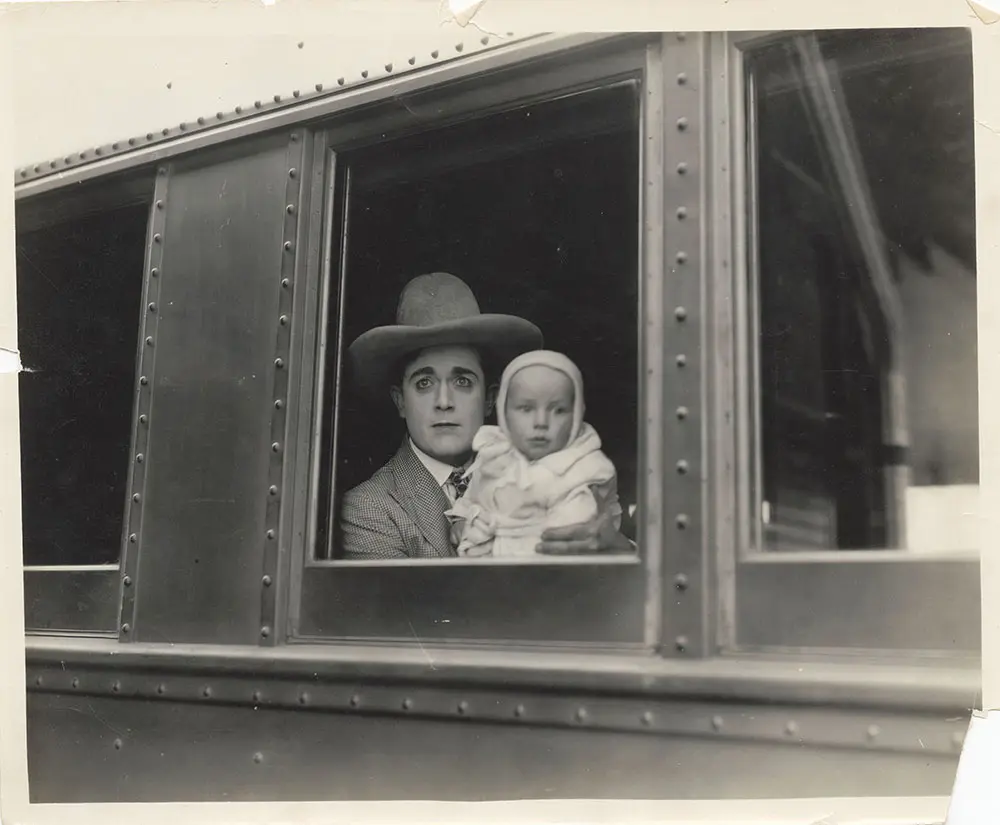
Visually, the film is a study in contrast. The stark, sun‑baked exteriors are punctuated by interiors bathed in deep shadows, a deliberate choice that mirrors the moral ambiguity of the characters. The cinematographer’s use of natural light, especially during the dusk sequences, creates a palette that oscillates between the burnt orange of the desert and the cool blue of twilight, echoing the film’s thematic dichotomies.
The color scheme, though rendered in black‑and‑white film stock, is evoked through tonal gradations that the modern viewer can almost translate into the dark orange #C2410C of the sun‑soaked plains, the yellow #EAB308 of the flickering lanterns, and the sea blue #0E7490 of the distant river that serves as a silent witness to the unfolding drama.
Claire Adams delivers a performance that balances vulnerability with steely resolve. Her eyes, often the only source of illumination in dimly lit scenes, convey a spectrum of emotions without the aid of dialogue—a testament to the silent era’s reliance on expressive acting.
Norman Jefferies, as Speedy, embodies the archetype of the lone hero while injecting subtle nuances that prevent him from becoming a caricature. His physicality—lean, deliberate movements—conveys a man accustomed to the harsh demands of frontier justice.
Supporting actors such as Katherine MacDonald (as the enigmatic Mary) and William Bailey (as the treacherous Henry) provide depth to the ensemble, ensuring that each character feels fully realized despite the film’s brisk 70‑minute runtime.
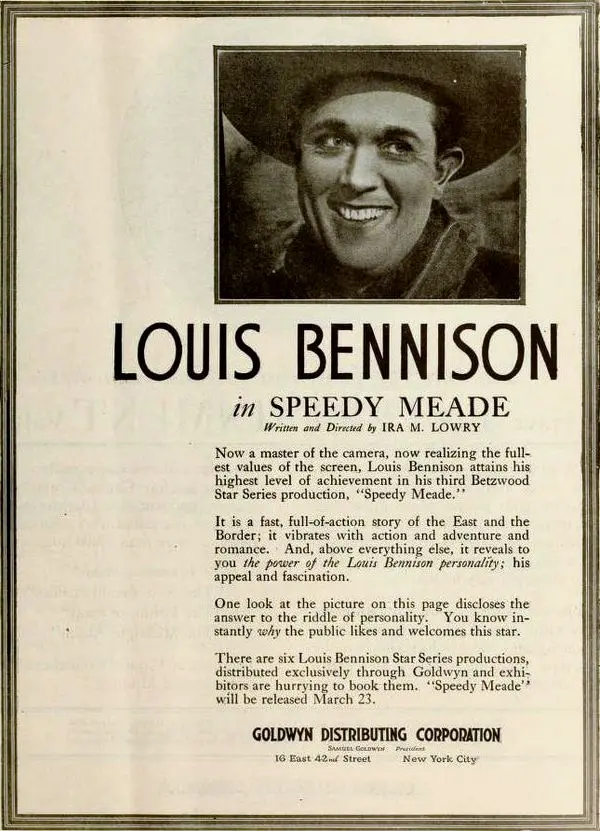
At its core, Speedy Meade interrogates the concept of identity. Meade’s disguises are not merely tactical; they symbolize the fluidity of self in a world where law and lawlessness coexist. The film asks whether a man can ever truly shed the mantle of his past, or if each mask adds another layer to his evolving persona.
The motif of lineage—embodied by the false paternity of Henry—explores how inherited expectations can bind individuals. Mary’s liberation from a fabricated father figure mirrors Meade’s release from the shackles of his own grief.
The recurring visual of cattle, both stolen and reclaimed, functions as a metaphor for freedom versus captivity. The herd’s movement across the screen mirrors the characters’ journeys: chaotic, unpredictable, yet ultimately guided by an unseen hand.
When placed alongside other silent westerns such as Annie‑for‑Spite or the pioneering The Story of the Kelly Gang, Lowry’s work stands out for its intricate character dynamics. While many contemporaries prioritize spectacle, Lowry invests in a layered narrative that rewards attentive viewing.
The film’s pacing, though brisk, never feels rushed. Each scene serves a purpose, whether to advance the plot or deepen emotional resonance. This disciplined storytelling aligns it with the narrative precision found in The Silence Sellers, yet retains a distinct tonal warmth.
Nearly a century after its release, Speedy Meade continues to captivate scholars and cinephiles alike. Its exploration of identity, duty, and the mutable nature of truth resonates in today’s era of rapid reinvention. Moreover, the film’s technical achievements—particularly its inventive use of disguises and location shooting—have influenced later westerns that seek to blend action with introspection.
For modern audiences, the film offers a window into the silent era’s capacity for storytelling without spoken word, relying on visual poetry, nuanced performances, and a score that underscores tension without overwhelming it.
In conclusion, Speedy Meade is not merely a relic of a bygone cinematic epoch; it is a living testament to the power of narrative economy, thematic depth, and the enduring allure of the American frontier mythos. Whether you are a student of film history, a western aficionado, or a casual viewer seeking a richly textured tale, this film delivers a rewarding experience that echoes across the decades.
IMDb 6.6
1936
Community
Log in to comment.