DbcultAccessing Vault...
5.7/10
Senior Film Conservator
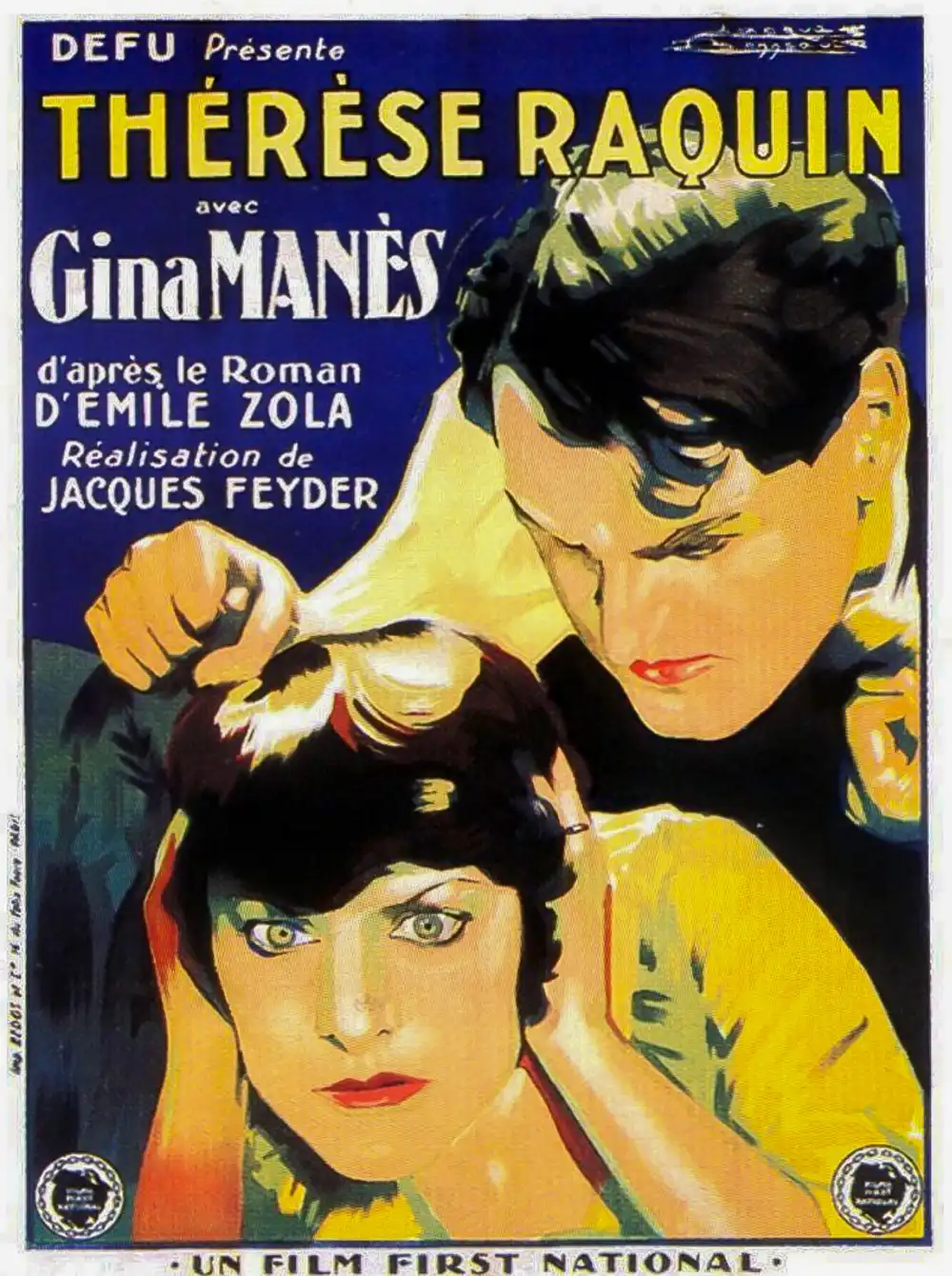
A definitive 5.7/10 rating for a film that redefined the boundaries of cult cinema. Thérèse Raquin remains a cornerstone of transgressive art.
Jacques Feyder’s 1928 adaptation of Thérèse Raquin is absolutely worth watching today, provided you aren't looking for a light evening of entertainment. It is a film for those who appreciate the psychological weight of silent cinema—specifically the kind that uses light and shadow to do the heavy lifting of a thousand lines of dialogue. If you enjoy the dark, fatalistic atmosphere of French poetic realism or the visual intensity of German Expressionism, this is a essential viewing. However, if you struggle with slow-burn pacing or find the 'unhappy people in small rooms' subgenre tedious, this will likely feel like a long slog through a very dark tunnel.
From the opening frames, Feyder establishes a sense of physical and emotional confinement that is almost tactile. The Raquin haberdashery isn't just a setting; it’s a character. The camera lingers on the cluttered shelves, the dust-heavy curtains, and the narrow staircase in a way that makes the air feel thin. You can practically smell the stale fabric and the medicinal scent of Thérèse’s sickly husband, Camille (referred to here as Michaud). Unlike many silent films that use grand, theatrical sets, this film thrives on the mundane details of a cramped life.
Gina Manès is remarkable as Thérèse. She doesn't rely on the wide-eyed histrionics common in the 1920s. Instead, she projects a heavy, simmering resentment through her posture. When she sits at the dinner table, her shoulders are hunched as if the very ceiling is pressing down on her. There is a specific moment early on where she watches her husband eat, and the camera captures a flicker of pure, unadulterated disgust that tells you everything you need to know about their marriage without a single intertitle. It’s a performance that feels surprisingly modern in its subtlety.
The centerpiece of the film—the murder on the river—is handled with a jarring lack of grace that makes it far more disturbing than a stylized killing. There is no cinematic flourish here. It is a messy, frantic struggle in a small boat. Hans Adalbert Schlettow, as the lover Laurent, brings a brutish physicality to the role that contrasts sharply with the frail Camille. The way the boat rocks and the water splashes feels cold and indifferent. It’s a sequence that avoids the 'romantic' allure of the crime of passion, focusing instead on the sheer, ugly labor of ending a life.
The editing rhythm in this sequence is particularly effective. Feyder cuts between the frantic action on the water and the stillness of the surrounding woods, emphasizing the isolation of the trio. It captures that specific feeling of a moment where life changes forever, and the world around you simply doesn't care. It reminds me of the grim inevitability found in Hilde Warren und der Tod, where the atmosphere of doom is established long before the climax.
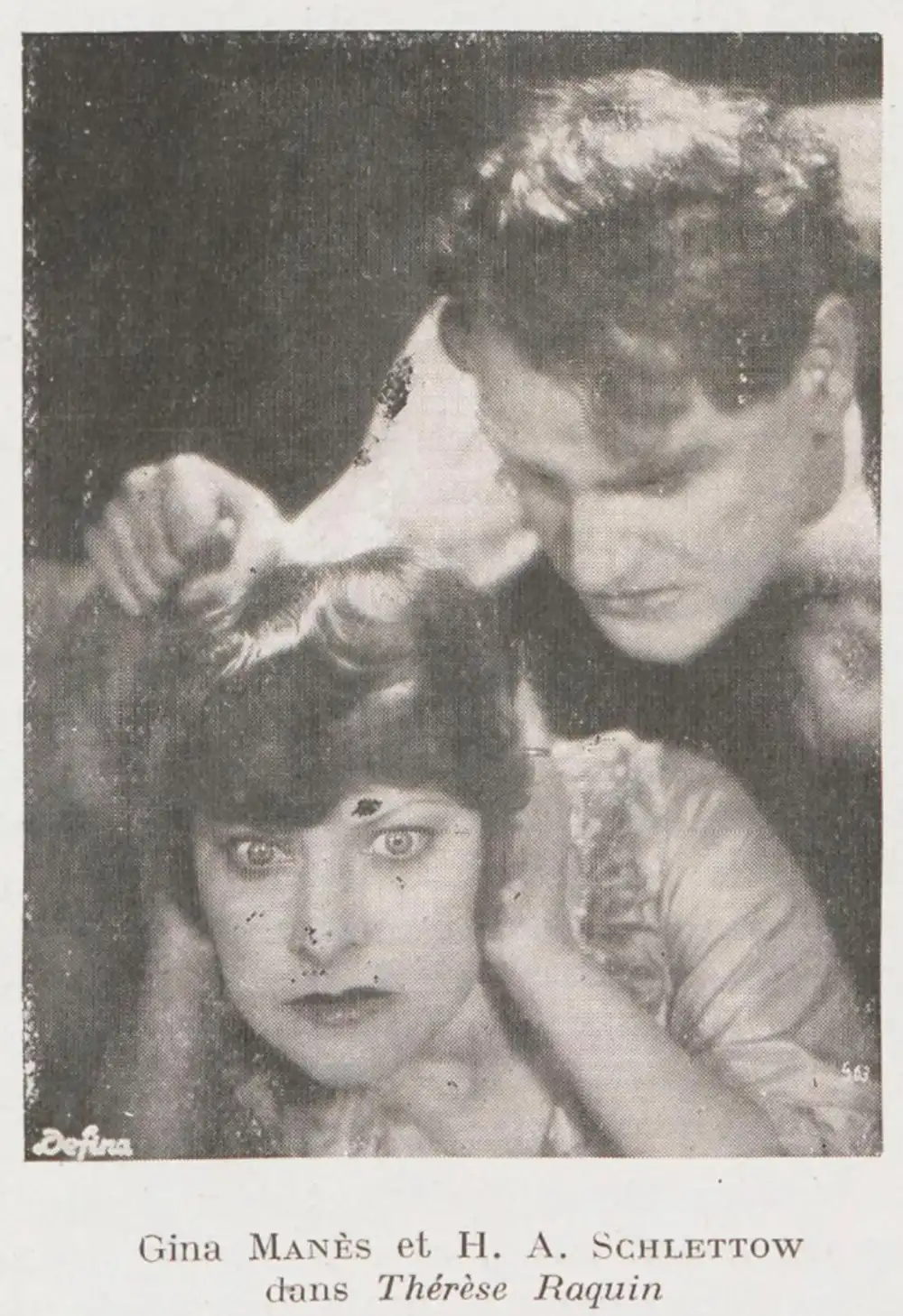
The film’s second half shifts from a crime thriller into a psychological horror piece. The tension moves from 'will they get caught?' to 'can they live with themselves?' This is where Jeanne Marie-Laurent, playing the mother-in-law, takes over the film. After a stroke leaves her paralyzed and unable to speak, she becomes a silent, living monument to the crime.
The lighting choices in these scenes are masterful. Feyder often keeps the room in deep shadow, with a single light source highlighting the mother’s eyes. There is a terrifying sequence where Thérèse and Laurent try to celebrate their 'freedom' in the same room where the mother sits. The way the camera moves from the couple’s forced smiles to the old woman’s unblinking, accusing stare is genuinely chilling. You can feel the characters shrinking under her gaze. The guilt doesn't manifest as ghosts or supernatural events; it manifests as the inability to look a paralyzed woman in the face.
Technically, the film is a bridge between eras. You see the influence of the French avant-garde in the way Feyder uses superimpositions to show Laurent’s haunted visions of the drowned man. However, the film is grounded in a realism that was ahead of its time. The use of location shooting for the river scenes provides a grit that studio-bound films of the era lacked.
The pacing does occasionally falter in the middle act. After the murder, there is a stretch where the film reiterates the characters' misery a few too many times. We see Laurent drinking in a tavern, and we see Thérèse staring out of windows, and while these shots are beautifully composed, they don't always move the needle forward. A few minutes could have been shaved off the 'mourning' period to keep the tension from sagging. It lacks the experimental energy of a film like Fièvre, opting instead for a slow, methodical crushing of its protagonists.
Thérèse Raquin is a film about the consequences of seeking a shortcut to happiness. It refuses to give the audience an easy out. The ending is abrupt and harsh, leaving you with the image of two people who destroyed everything only to find that they were their own worst enemies. It isn't a 'pleasant' watch, but it is a powerful one. If you want to see how a director can turn a domestic space into a literal hell through framing and performance alone, this is the film to study. It remains one of the most effective Zola adaptations ever put to celluloid, capturing the author’s belief that we are all just 'human beasts' governed by our nerves and our environment.
IMDb 5.1
1928
Community
Log in to comment.