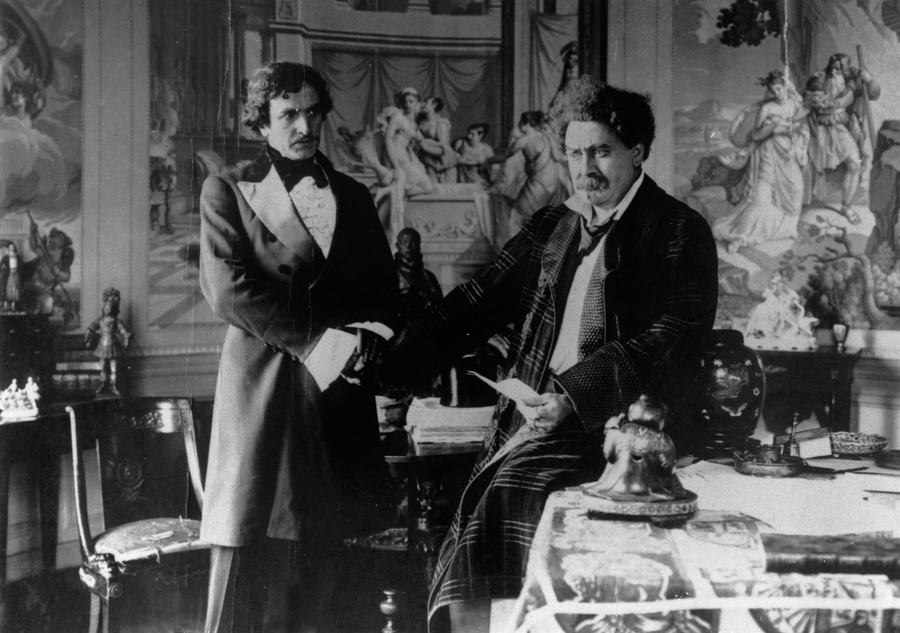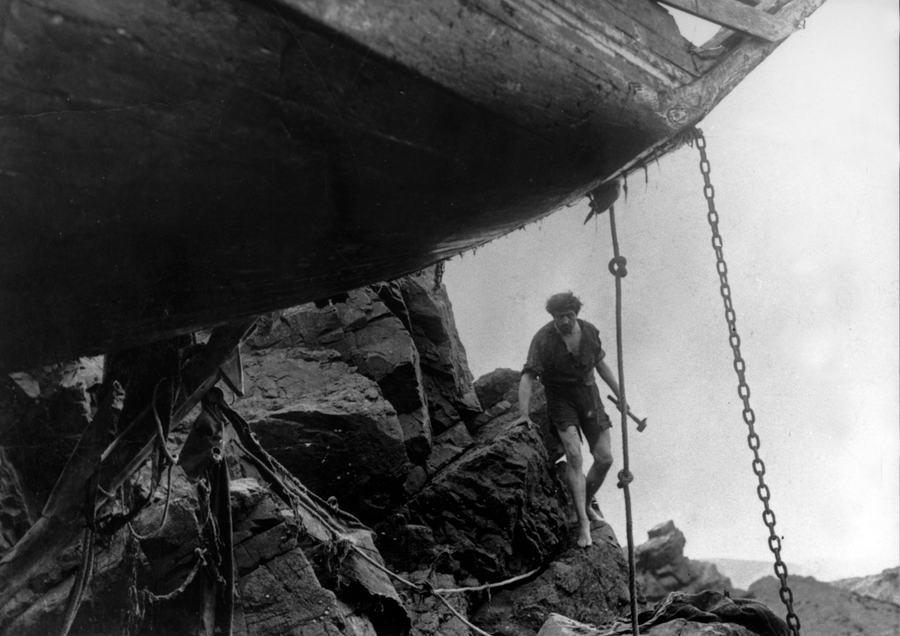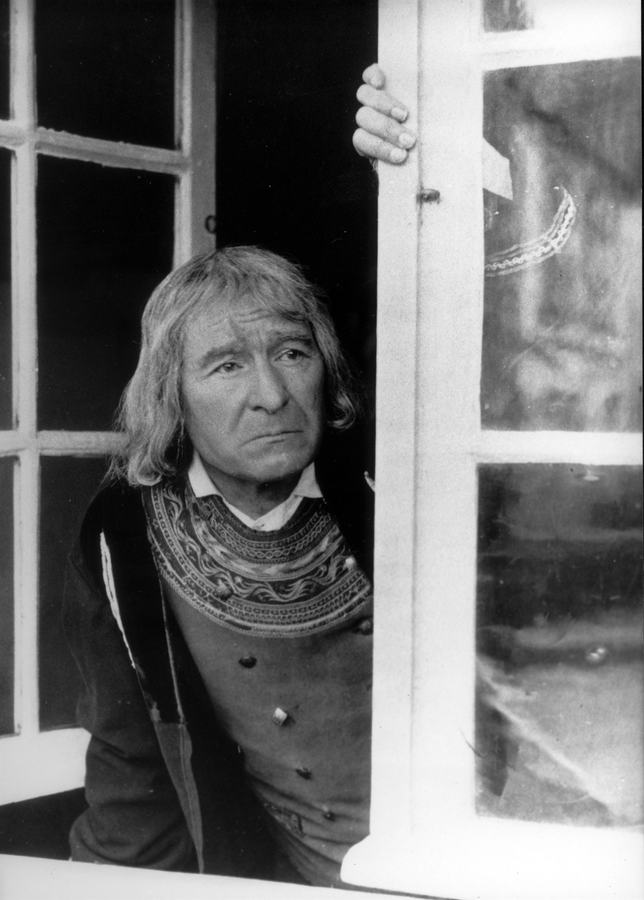
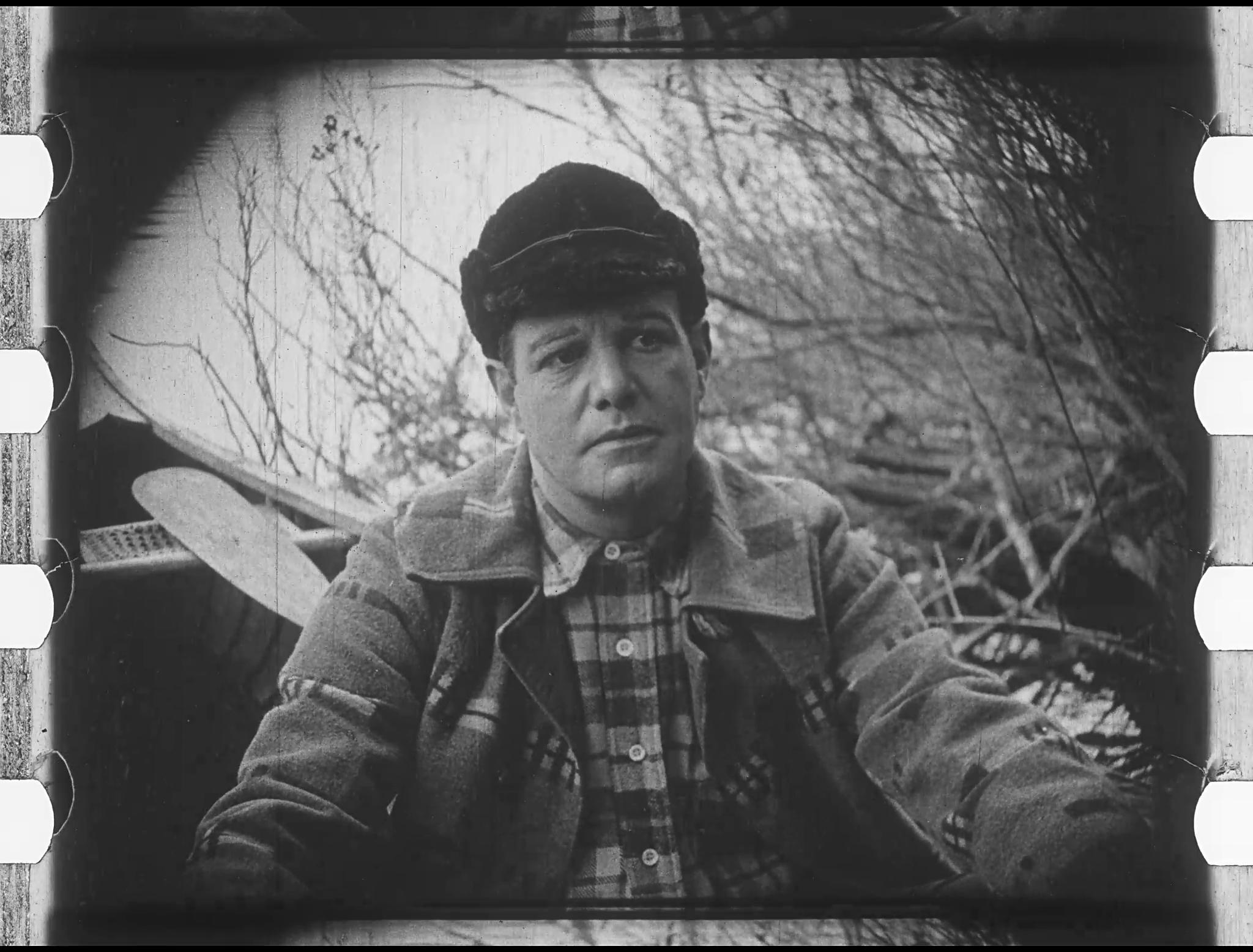
Albert Capellani’s 1920 silent opus Quatre-vingt-treize stands as a towering testament to early cinematic ambition, translating Victor Hugo’s dense political novel into a visual language that still reverberates with contemporary relevance. The film’s opening sequence, bathed in a wash of sea‑blue (#0E7490) shadows, ...
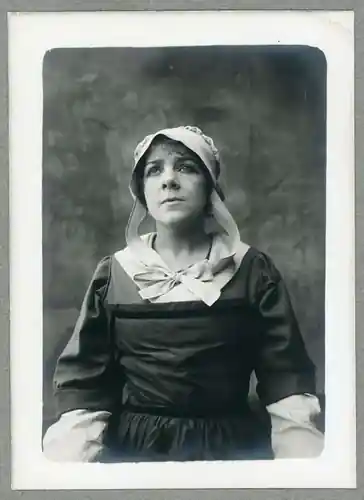
still_frame
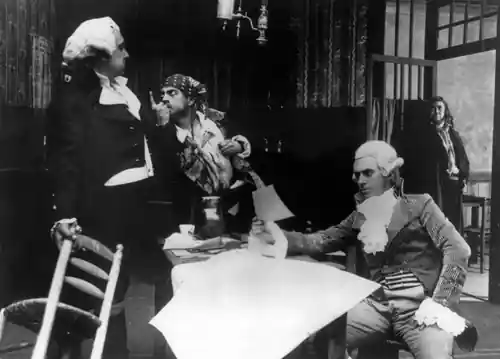
still_frame
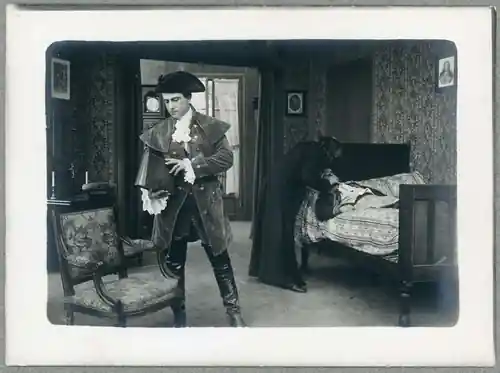
still_frame
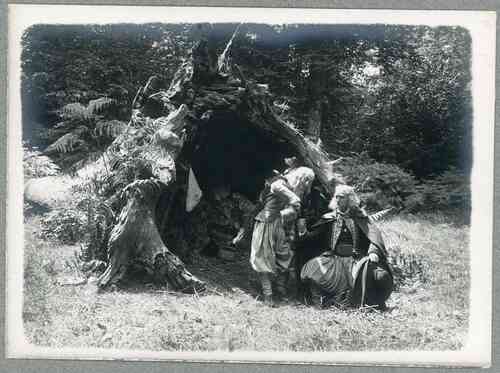
still_frame
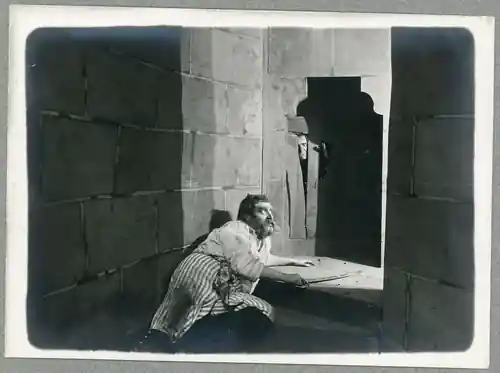
still_frame
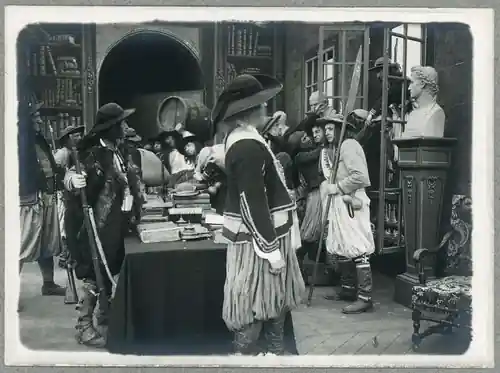
still_frame
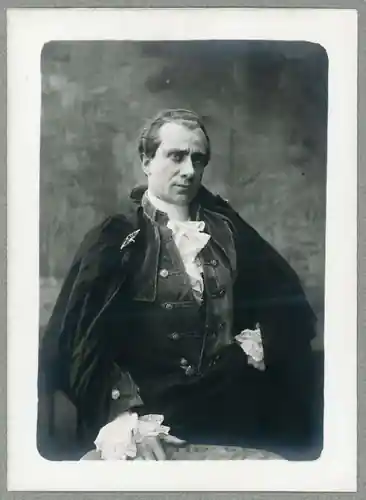
still_frame
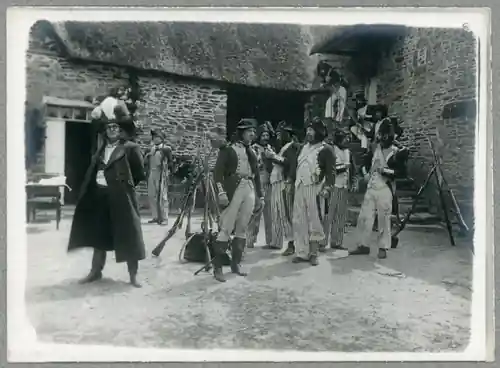
still_frame
Comparing the cinematic DNA and archive impact of two defining moments in cult history.
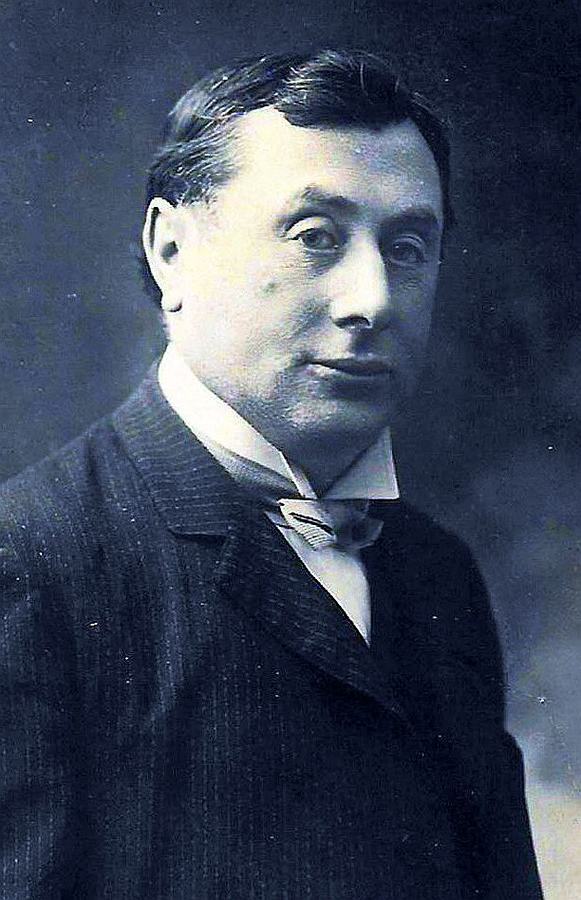
André Antoine
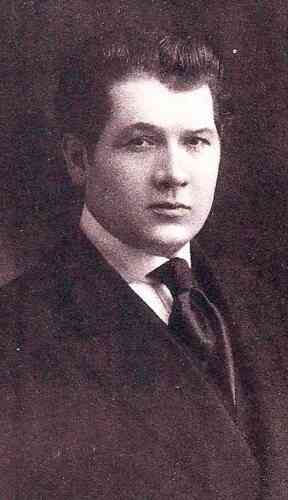
Edgar Jones
Community
Log in to comment.
" Albert Capellani’s 1920 silent opus Quatre-vingt-treize stands as a towering testament to early cinematic ambition, translating Victor Hugo’s dense political novel into a visual language that still reverberates with contemporary relevance. The film’s opening sequence, bathed in a wash of sea‑blue (#0E7490) shadows, immediately immerses the viewer in a Paris shrouded by the fog of uncertainty, where lantern light flickers against the looming silhouettes of guillotines. This chromatic choice, j..."
Albert Capellani, Victor Hugo
France
Deep dive into the cult classic
Discover similar cinematic experiences
A Directorial Spotlight on André Antoine