DbcultAccessing Vault...
Cult Review
Senior Film Conservator
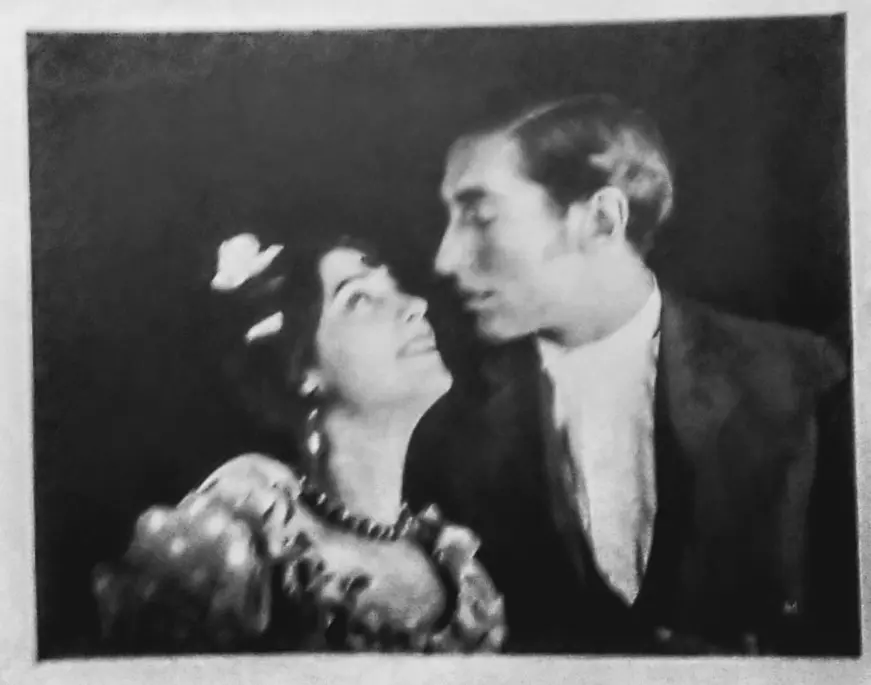
Is this film worth watching today? Short answer: yes, but primarily as a historical artifact for those who appreciate the deliberate pacing of European silent cinema. This film is for viewers who enjoy slow-burn family sagas and students of Spanish cultural history. It is certainly not for anyone seeking modern action, rapid-fire editing, or a lighthearted distraction.
1) This film works because it captures the claustrophobia of tradition through exquisite lighting and set design that feels both grand and decaying.
2) This film fails because its commitment to melodramatic tropes occasionally crosses the line into unintentional parody, particularly in its over-the-right-shoulder acting style.
3) You should watch it if you want to see a prime example of how pre-Civil War Spain mythologized its own sense of 'hidalguía' and noble suffering.
Director José Buchs utilizes a visual style that is heavily influenced by the chiaroscuro of Spanish painting. The way shadows stretch across the ancestral hallways suggests a world that is literally being swallowed by its own history. Unlike the more kinetic energy found in Hands Up (1918), Raza de hidalgos is static, almost frozen in time. This is a deliberate choice that mirrors the paralysis of the characters.
Take, for example, the scene where the patriarch sits alone in his library. The dust motes dancing in the singular beam of light are not just atmosphere; they represent the literal disintegration of his world. Every frame feels like a Velázquez painting come to life, emphasizing a stillness that is both beautiful and terrifying. The film is a ghost. It haunts the viewer with the realization that these structures—both physical and social—are already dead.
Tony D'Algy and Helena D'Algy bring a level of international sophistication to the production that was rare for Spanish cinema of the time. Tony, in particular, possesses a face that is built for the silent screen—his eyes convey a mixture of arrogance and vulnerability that anchors the film's emotional core. In the sequence where he must choose between his family's honor and his own future, his subtle micro-expressions outperform the grand gestures of his contemporaries.
This performance stands in stark contrast to the more rugged, physical acting seen in American imports like Not Built for Runnin'. Where American stars of the era were often defined by their athleticism, the D'Algys are defined by their poise. This poise, however, becomes a weapon used against them as the plot progresses. It is a fascinating study in how body language can communicate class hierarchy better than any dialogue ever could.
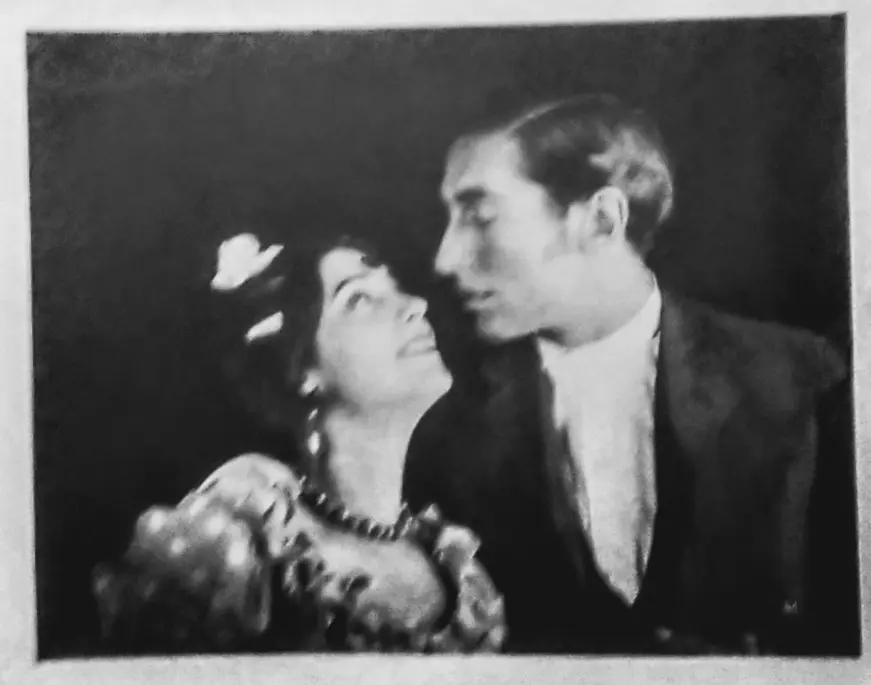
José Buchs was a pioneer, and his direction here shows a sophisticated understanding of spatial relationships. He frequently places characters in the foreground while significant action happens in the soft focus of the background. This creates a sense of unease, as if the characters are being watched by the weight of their ancestors. This technique is far more advanced than the flat staging found in The Return of Mary.
However, the pacing is a significant hurdle for the modern viewer. The second act meanders through various subplots that feel more like vignettes than a cohesive narrative. While this episodic nature works for a short film like La p'tite Lili, it becomes exhausting over the course of a feature-length silent drama. Buchs seems so enamored with the mood of each scene that he occasionally forgets to drive the plot forward.
The cinematography by the uncredited camera department is remarkably consistent. There is a recurring motif of looking through windows and doorways, framing the characters as if they are portraits in a gallery. This visual metaphor for their entrapment is effective, if a bit heavy-handed. It lacks the experimental flair of Söhne der Nacht, 1. Teil: Die Verbrecher-GmbH, but it makes up for it with a somber, dignified consistency.
A standout moment occurs during the evening banquet. The use of practical lighting—or the illusion of it—creates a flickering, unstable environment that reflects the family's precarious financial state. As the candles burn low, the faces of the guests become increasingly skeletal. It is a brutal, visual way of saying that the party is over for the Spanish elite. This is cinema as social critique, hidden under the guise of a traditional melodrama.
"Raza de hidalgos is a fascinating look at a culture in crisis. It is a slow, methodical, and visually arresting experience that demands your full attention."
If you are looking for a film that explains the psychological state of Spain before its social fabric was torn apart in the 1930s, this is essential viewing. It provides a context that is often missing from history books. However, if you find silent films tedious or overly dramatic, this will not change your mind. It embraces the very things that make silent cinema difficult for modern audiences: the long takes, the exaggerated emotional beats, and the reliance on visual metaphor over dialogue.
Key Takeaways
- Best for: Historians of Spanish culture and silent film enthusiasts who appreciate high-production-value dramas.
- Not for: Viewers who struggle with slow-paced narratives or those who prefer the kinetic energy of early American comedies like Smith's Baby.
- Standout element: The chiaroscuro cinematography that elevates a standard melodrama into a gothic tragedy.
- Biggest flaw: A middle act that loses momentum, making the film feel longer than its actual runtime.
Pros and Cons
Pros:
- Stunning visual composition and use of light.
- Strong, emotive performances from the D'Algy siblings.
- A deep, nuanced exploration of the theme of honor.
- High production value for its time, rivaling international epics like Bismarck.Cons:
- Pacing issues that lead to a stagnant second act.
- Over-reliance on melodramatic tropes that haven't aged well.
- Some character motivations feel archaic and hard to empathize with today.Verdict
Raza de hidalgos is a proud, stubborn film. It refuses to modernize, much like the characters it depicts. While this makes it a difficult watch for a casual audience, it also makes it a remarkably honest piece of art. It doesn't apologize for its values or its aesthetic. It presents a world of shadow and stone, and it asks you to sit in it until you feel the weight of the past. It works. But it’s flawed. It is a necessary bridge between the theatrical traditions of the 19th century and the emerging cinematic language of the 20th. If you have the patience, the rewards are found in the details—the curl of a lip, the flicker of a candle, and the silent scream of a class that knows it is becoming obsolete. It is a far more serious endeavor than something like The Fox and the Crow, and it deserves to be remembered as a significant moment in European film history.
IMDb 5.5
1933
Community
Log in to comment.