DbcultAccessing Vault...
6.2/10
Senior Film Conservator
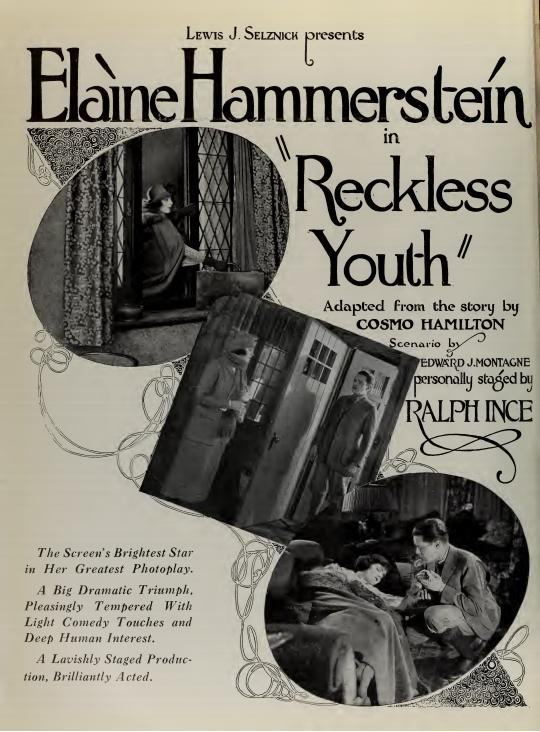
A definitive 6.2/10 rating for a film that redefined the boundaries of cult cinema. Reckless Youth remains a cornerstone of transgressive art.
The cinematic tapestry of Reckless Youth is woven with intricate threads of rebellion, self-discovery, and the unrelenting pursuit of freedom. Alice Schuyler, played by the enigmatic Myrtle Stedman, is the embodiment of the quintessential flapper - a symbol of liberation and nonconformity in an era marked by social upheaval. Her decision to marry is motivated by a desire to break free from the shackles of her family's oppressive influence, rather than a deep-seated emotional connection with her partner.
As the narrative unfolds, Alice's dark orange hues of passion and impulsivity are juxtaposed with the yellow tones of caution and wisdom, underscoring the eternal conflict between youthful exuberance and mature responsibility. The sea blue depths of her emotional turmoil are masterfully explored, as she grapples with the consequences of her actions and the weight of her own desires.
In contrast to films like Malombra, which delves into the mysteries of the human psyche, Reckless Youth presents a more overt exploration of the human condition. The character of Alice Schuyler is reminiscent of the protagonists in Who's to Blame?, where the complexities of relationships and personal growth are laid bare. The cinematography, akin to The Diamond Queen, is a character in its own right, with each frame meticulously crafted to evoke a sense of time and place.
The supporting cast, comprising seasoned actors like Frank Currier, Louise Prussing, and Niles Welch, adds depth and nuance to the narrative. Their performances, much like the subtle dark orange undertones that permeate the film's color palette, serve as a poignant reminder of the complexities that underlie human relationships. The chemistry between the actors is palpable, and their interactions are infused with a sense of authenticity that is all too rare in contemporary cinema.
As the story unfolds, Alice's journey is juxtaposed with the lives of those around her, including her husband and friends. This yellow brick road of self-discovery is paved with moments of introspection, as Alice grapples with the realities of her choices and the consequences that follow. The sea blue horizon of her emotional landscape stretches out before her, a constant reminder of the vast expanse of possibilities that lie ahead.
In comparison to films like The Labyrinth and Bolshevism on Trial, Reckless Youth presents a more intimate, character-driven narrative. The film's focus on the inner lives of its characters, rather than grand, sweeping themes, serves as a testament to the power of cinematic storytelling. The dark orange embers of Alice's passion and creativity glow brightly, illuminating the yellow landscape of her emotional journey.
As the credits roll on Reckless Youth, the viewer is left to ponder the implications of Alice's journey. The sea blue waters of her emotional turmoil have been navigated, and the shores of adulthood lie ahead. The film's exploration of themes such as identity, relationships, and personal growth serves as a poignant reminder of the complexities that underlie the human experience. In the end, Reckless Youth emerges as a masterpiece of cinematic storytelling, a testament to the power of film to capture the essence of the human condition.
In the realm of cinematic history, Reckless Youth stands alongside films like Through the Toils and Ambrose and the Bathing Girls as a testament to the enduring power of the human spirit. The film's exploration of the complexities of human relationships, as seen in The House Without Children and The Secret of the Storm Country, serves as a reminder of the boundless potential that lies within us all. As the dark orange hues of sunset fade into the yellow tones of dawn, the sea blue waters of our collective humanity remain, a constant reminder of the beauty and complexity that surrounds us.
The film's influence can be seen in later works, such as The Woman Above Reproach and Die Schuldige, which also explore the complexities of human relationships and the challenges of navigating the complexities of adulthood. The dark orange threads of rebellion and nonconformity that run throughout Reckless Youth are echoed in films like Birth Control and Bonds of Honor, which also examine the tensions between individual desire and societal expectation.
As we reflect on the cinematic legacy of Reckless Youth, it becomes clear that the film's exploration of the human condition is both timeless and timely. The yellow tones of caution and wisdom that permeate the narrative serve as a reminder of the importance of balancing passion and responsibility, as seen in films like The Hand That Rocks the Cradle and Lions and Ladies. As the sea blue waters of our collective humanity continue to evolve and grow, the film's themes of identity, relationships, and personal growth remain a powerful reminder of the boundless potential that lies within us all.
IMDb 6
1929
Community
Log in to comment.