DbcultAccessing Vault...
Cult Review
Senior Film Conservator
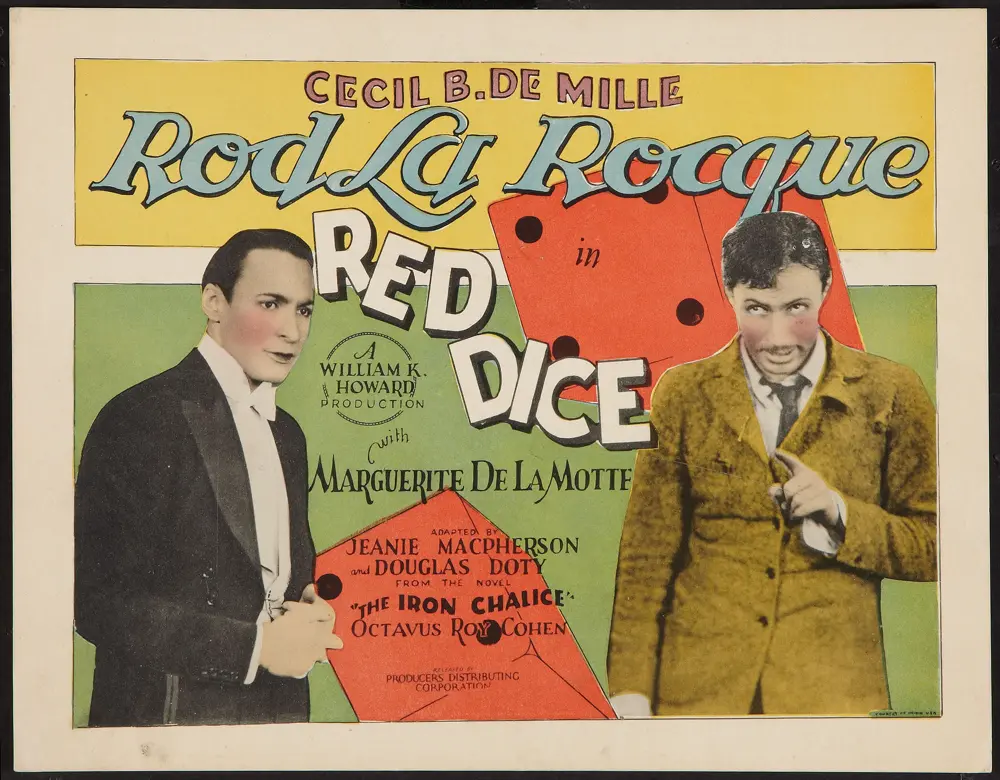
Is Red Dice a hidden gem of the silent era that deserves a modern audience? Short answer: Yes, but only if you appreciate a narrative that treats human life as a disposable commodity.
This film is for the viewer who enjoys the gritty DNA of early noir and the high-stakes tension of a ticking clock. It is decidedly not for those who demand a fast-paced, action-heavy experience or a story that avoids the melodramatic tropes of the 1920s.
1) This film works because its central premise is inherently terrifying and relatable; the idea of being so broke that you sell your own death is a concept that transcends the silent era.
2) This film fails because it eventually pivots toward a predictable law-and-order resolution that feels like a betrayal of its dark, cynical opening act.
3) You should watch it if you are fascinated by pre-Code morality and want to see Rod La Rocque deliver a performance that balances desperation with a strange, suicidal dignity.
The opening of Red Dice is a masterclass in establishing stakes. We see Alan Beckwith, portrayed with a haunting hollow-eyed intensity by Rod La Rocque, standing at the edge of his own existence.
The scene where he rolls the dice in North’s office is filmed with a starkness that anticipates the shadows of 1940s noir. The dice come up two and four. It’s a simple visual, but it carries the weight of a guillotine blade.
The film doesn't waste time with flowery title cards. It gets straight to the point: Alan is worth more dead than alive. This is a recurring theme in films of the period, much like the social pressures explored in Charity, but here it is stripped of its sentimentality.
If Rod La Rocque is the heart of the film, Gustav von Seyffertitz is its icy, calculating brain. As the bootlegger North, he doesn't need to chew the scenery to be effective.
He plays the role with a terrifying stillness. In the scene where he dictates the terms of Alan's marriage to Beverly, his eyes remain fixed, never blinking. He treats the union not as a romantic subplot, but as a logistical necessity for a successful insurance fraud.
It’s a performance that stands in stark contrast to the more flamboyant villains of the era. He makes North feel like a precursor to the modern corporate shark—polite, organized, and utterly lethal.
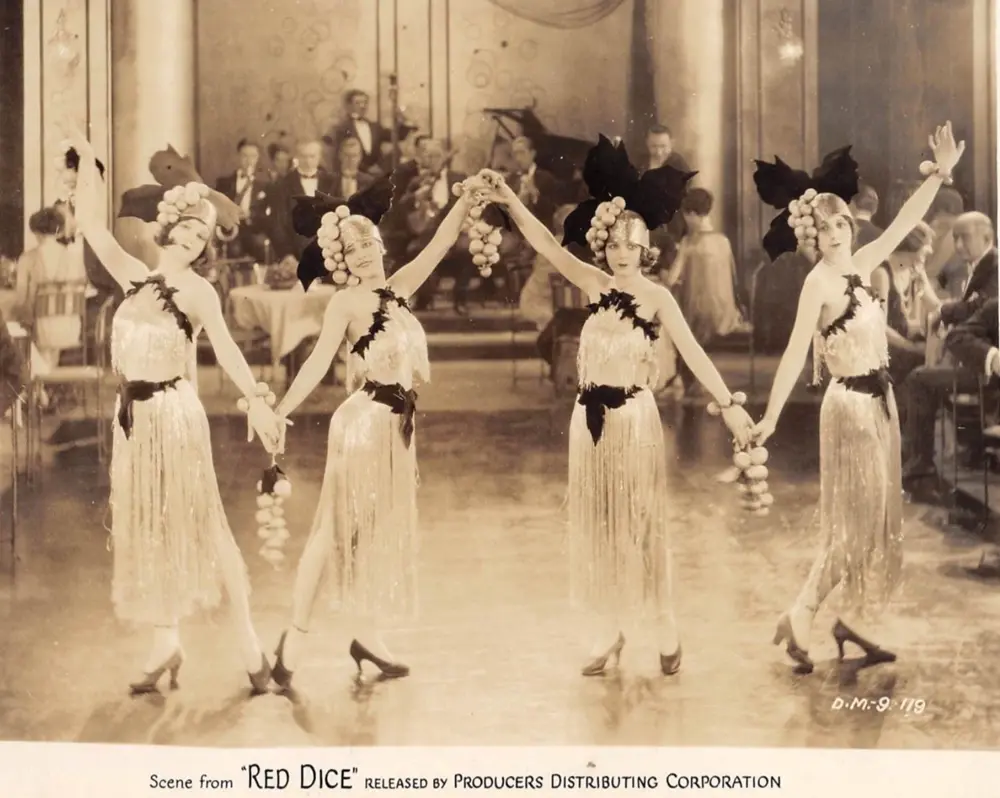
Red Dice is worth watching for any cinema history buff interested in the evolution of the crime thriller. While many films of 1926 were still stuck in the Victorian mode of storytelling, this film feels surprisingly modern in its cynicism.
The film manages to build a genuine sense of dread as the December 24 deadline approaches. It uses the calendar as a weapon against the audience. You find yourself rooting for a man who has already given up on himself.
It works. But it’s flawed. The ending feels rushed, but the journey there is a dark delight.
The cinematography in Red Dice is far more sophisticated than the film's reputation suggests. There is a specific use of low-angle shots during the hijacking sequence that makes the rum-running trucks look like prehistoric beasts moving through the night.
The lighting in the apartment shared by Alan and Beverly is equally intentional. It’s a space filled with shadows, reflecting the fact that their marriage is built on a foundation of lies and impending death.
Unlike the lighter fare of the time, such as The Show-Off, Red Dice isn't afraid to let the frame go dark. This visual gloom reinforces the narrative's lack of hope.
If the film has a significant weakness, it is the speed with which Alan and Beverly fall in love. It’s a classic Hollywood convention that feels out of place in such a hard-boiled story.
One moment they are eyeing each other with suspicion under the watchful gaze of Squint, and the next, they are planning a future together. This shift softens the film's edge too much for my liking.
I would argue that the film would have been more powerful if they had remained enemies until the very end. The redemption arc feels like a concession to the censors of the time, rather than a natural progression of the characters.
The character of Squint is one of the more interesting elements of the film. Initially presented as a low-level thug, his reveal as an undercover agent is a pivot that changes the entire moral landscape of the movie.
It’s an unconventional choice to have the "heroic" intervention come from someone who has been complicit in the gang's activities for the majority of the runtime. It suggests that in the world of Red Dice, no one is truly clean.
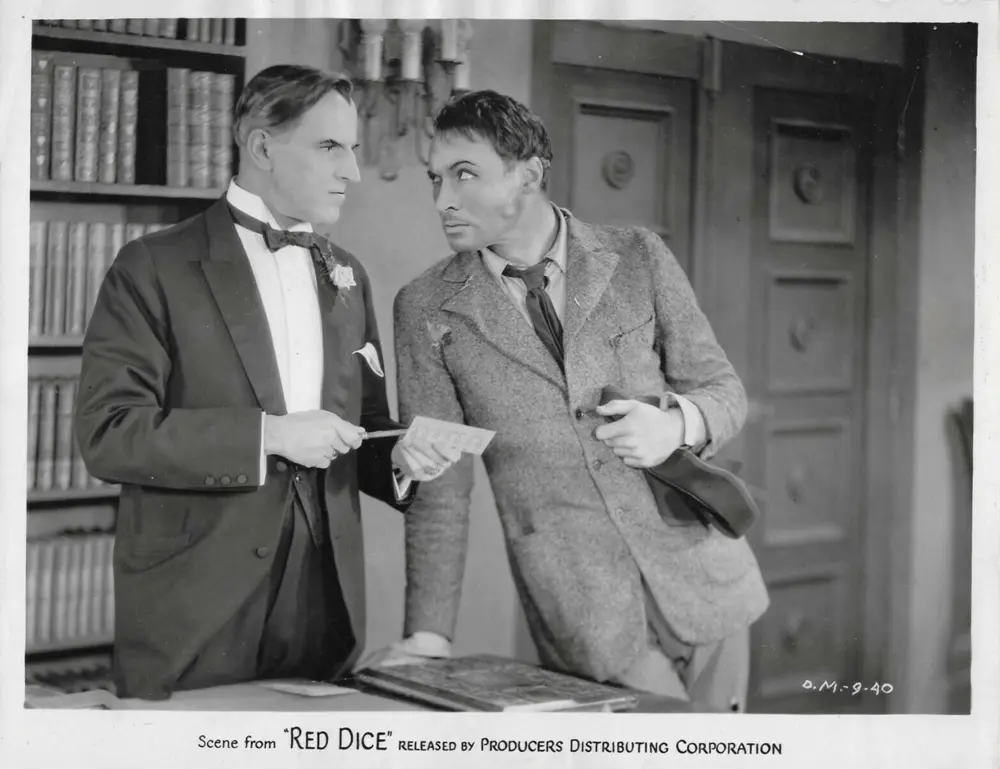
This ambiguity is what saves the film from being a standard morality play. It acknowledges that to catch a monster like North, the law has to get its hands dirty.
On the positive side, Red Dice features a taut script by Jeanie Macpherson and Octavus Roy Cohen that understands the mechanics of suspense. The pacing rarely flags, which is a rarity for films of this age.
The chemistry between Rod La Rocque and Sally Rand is palpable, even if the writing for their relationship is a bit thin. They manage to sell the desperation of two people caught in a trap.
On the negative side, the revenue agents' arrival in the final act feels a bit like a deus ex machina. It lacks the punch of the earlier scenes where Alan is negotiating his own demise.
Additionally, some of the supporting characters, like Vane and Conroy, are barely sketched out, serving only as plot devices to move North’s cruelty forward.
When compared to other 1920s films like The Lone Wolf, Red Dice feels significantly more grounded in a recognizable reality. It isn't about a gentleman thief; it's about a man who can't pay his rent.
It shares some of the working-class anxieties found in The Pinch Hitter, but it takes them to a much darker conclusion. It’s the difference between a sports underdog story and a suicide pact.
The film also serves as a fascinating companion piece to Camille, as both deal with the transactional nature of relationships, albeit in very different social spheres.
Red Dice is a brutal, effective piece of silent cinema that deserves more than its current status as a historical footnote. It takes a high-concept premise and executes it with a cold, professional precision.
"A film that understands that the greatest horror isn't a ghost or a monster, but a bank balance that reads zero."
While the ending is too safe for its own good, the first hour of this film is as tense as anything released in the 1920s. It’s a film that knows the price of everything and the value of nothing.
Final thought: Watch it for the dice roll. Stay for the shadows. Forget the happy ending.
IMDb 6.1
1929
Community
Log in to comment.