DbcultAccessing Vault...
Cult Review
Senior Film Conservator
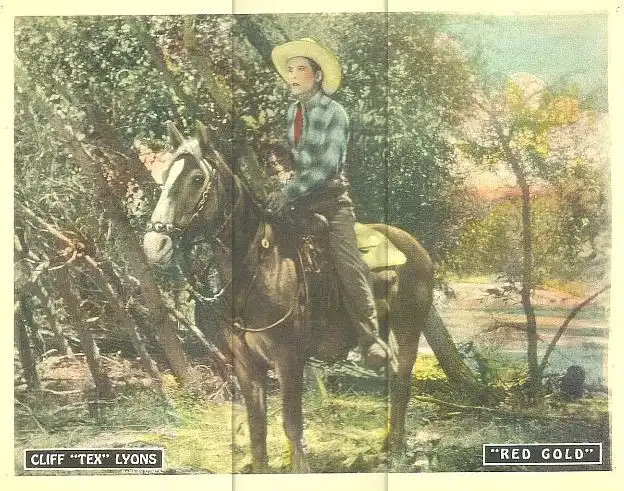
Alright, let’s talk about Red Gold. If you’re deep into early cinema, particularly silent Westerns, and you don’t mind a film that feels less like a narrative and more like a series of loosely connected events, then maybe, just maybe, you'll find something to chew on here. For anyone else, especially those expecting anything resembling modern pacing or character development, this is probably going to be a long sit. It’s a curious piece, but definitely not for the casual viewer.
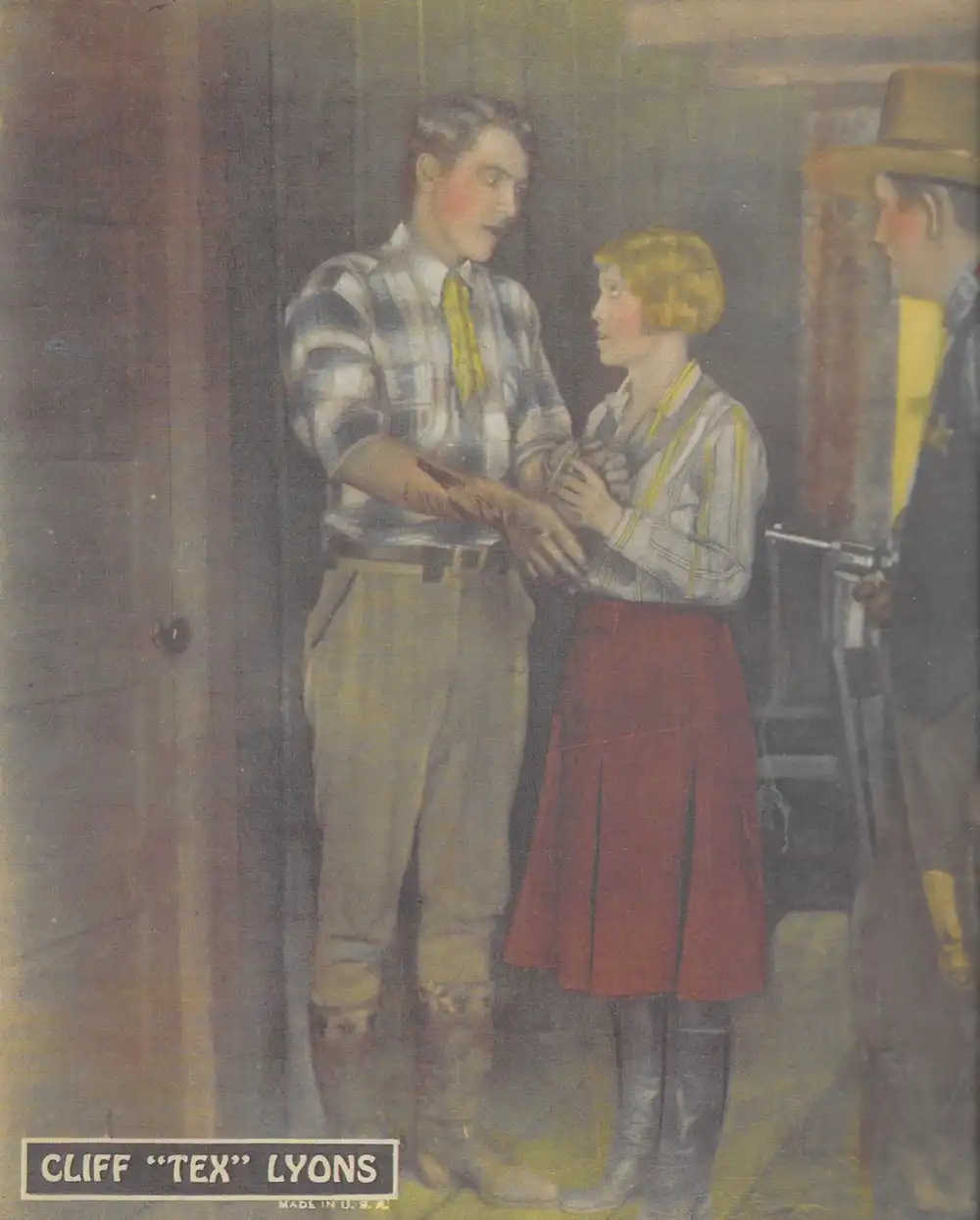
The premise is simple enough: a guy, played by Cliff Lyons, goes looking for 'red gold.' And he finds it. Or at least, he finds something that looks a bit like red dirt, which we are assured is very valuable. Lyons, as our stoic prospector, spends most of the runtime doing a lot of hard staring. He’s got that classic silent film intensity, but sometimes it just reads as a man trying very hard to remember if he left the stove on. There’s a scene where he first uncovers the vein, and his reaction is this prolonged wide-eyed gaze that feels like it goes on for a good twenty seconds. You can almost feel the director’s hand on his shoulder, urging him to hold the expression just a little longer, for emphasis.
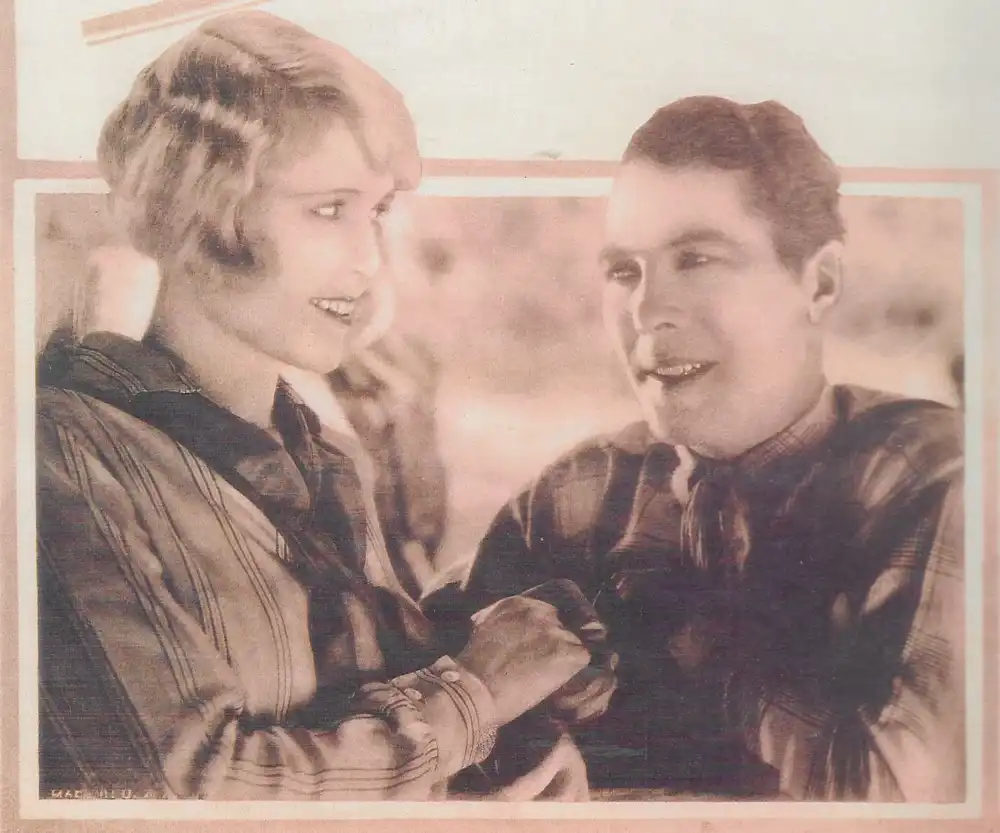
The film opens with some genuinely striking landscape shots. Vast, dusty plains, a lone rider silhouetted against a huge sky. It immediately establishes a sense of scale and isolation that really works. You think, 'Okay, this could be something.' Then we cut to the mining camp, and the energy just… deflates. A lot of men standing around, looking vaguely suspicious or tired. The 'rival prospector' threat feels pretty low-stakes, mostly just a lot of scowling from across a campfire. The acting in these group scenes is a mixed bag; some extras are clearly just milling about, while others are performing with the kind of exaggerated gestures you’d expect on a stage, not in a film.
Pacing is definitely an issue. There are long stretches of nothing much happening. Our hero rides, he digs, he looks thoughtful. Then he rides some more. It’s all very deliberate, which can be meditative if you’re in the right mood, but more often it just feels like the film is trying to pad its runtime. One particular sequence, where Lyons' character is struggling with a stubborn pack mule, drags on for what feels like an eternity. It’s supposed to show his grit, I guess, but it just becomes mildly annoying after the first minute or so.
The intertitles are... a thing. They swing wildly between straightforward exposition and attempts at poetic grandeur. One moment you get 'He found the gold.' The next, it’s something like 'The crimson earth whispered secrets of forgotten ages to his yearning soul.' You read it and just wonder if the writer was having a laugh. They don't quite mesh with the gritty, dusty visuals. They feel a bit out of place, like they belong in a different, more romanticized version of this story.
And the fights. Oh, the fights. There’s a brawl near the end, inevitable in a Western, and it's a masterclass in theatrical, non-contact combat. Punches clearly miss by a foot, and then the receiving party buckles dramatically, often with a visible grimace that says 'I’m acting!' One guy gets 'knocked out' and you can practically see him adjusting his position to make his fall look more comfortable. It’s charmingly amateurish, but definitely pulls you right out of any perceived danger.
What works, surprisingly, are the moments when the film stops trying so hard to be dramatic and just shows you the harsh reality of the landscape. The way the light hits the dust, the sheer emptiness of the horizon. These little visual touches are more effective than any of the manufactured conflict. There's a shot of Lyons' character simply staring into the distance, his face streaked with dirt, and for a brief moment, you actually get a sense of the struggle, the sheer physical toll of his quest. It’s a quiet moment, but it’s probably the most honest one in the whole film.
The ending, when it finally arrives, feels abrupt. Like the filmmakers just decided, 'Okay, that’s enough.' There’s no grand resolution, no real emotional payoff, just a kind of 'well, he got some gold, I guess' feeling. You’re left wondering if all the squinting and the mule-wrangling was really worth it, not just for the character, but for us, the audience. Red Gold is a film that exists. It’s a piece of history. And sometimes, that’s enough, but don’t go in expecting a hidden gem.
IMDb 5.7
1930
Community
Log in to comment.