DbcultAccessing Vault...
6.6/10
Senior Film Conservator
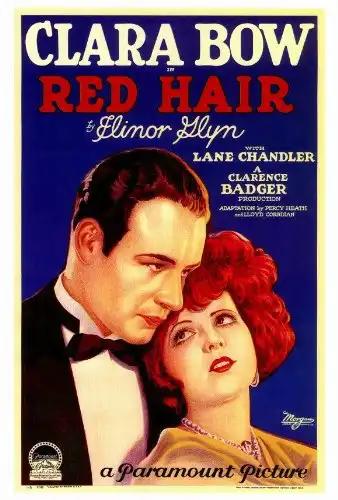
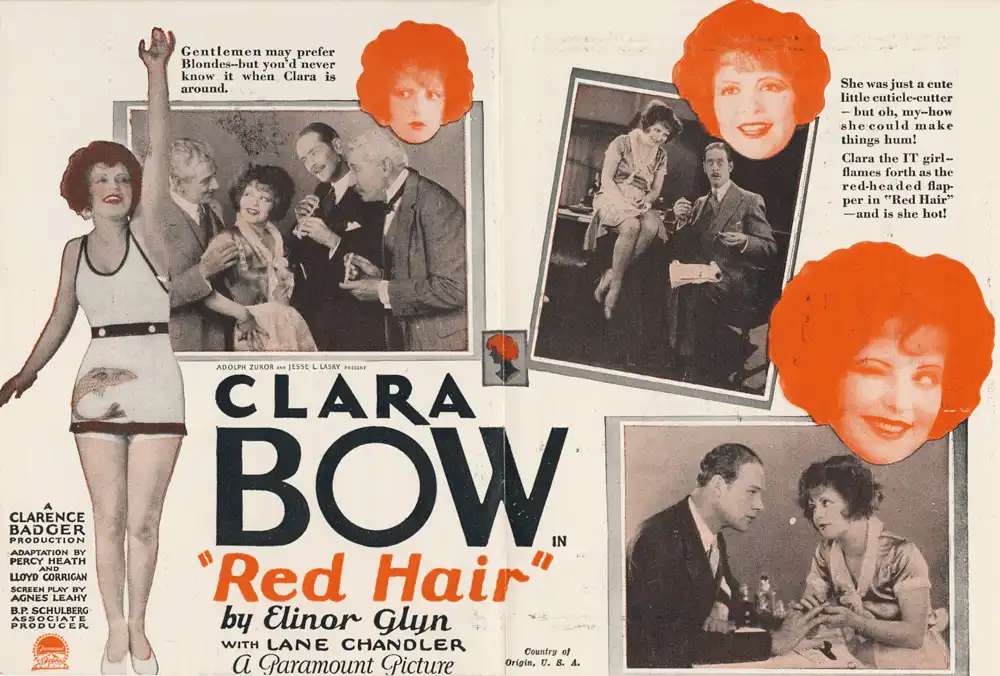
A definitive 6.6/10 rating for a film that redefined the boundaries of cult cinema. Red Hair remains a cornerstone of transgressive art.
If you come to Red Hair expecting a gritty precursor to the gangster epics of the 1930s, you are going to be profoundly confused. It is worth watching today primarily as a showcase for Clara Bow’s untouchable screen presence and as a historical curiosity that defies every logical narrative beat you expect from a silent-era romance. It’s for the viewer who enjoys 'what were they thinking?' cinema. It will almost certainly frustrate anyone looking for a cohesive plot or a satisfying moral arc.
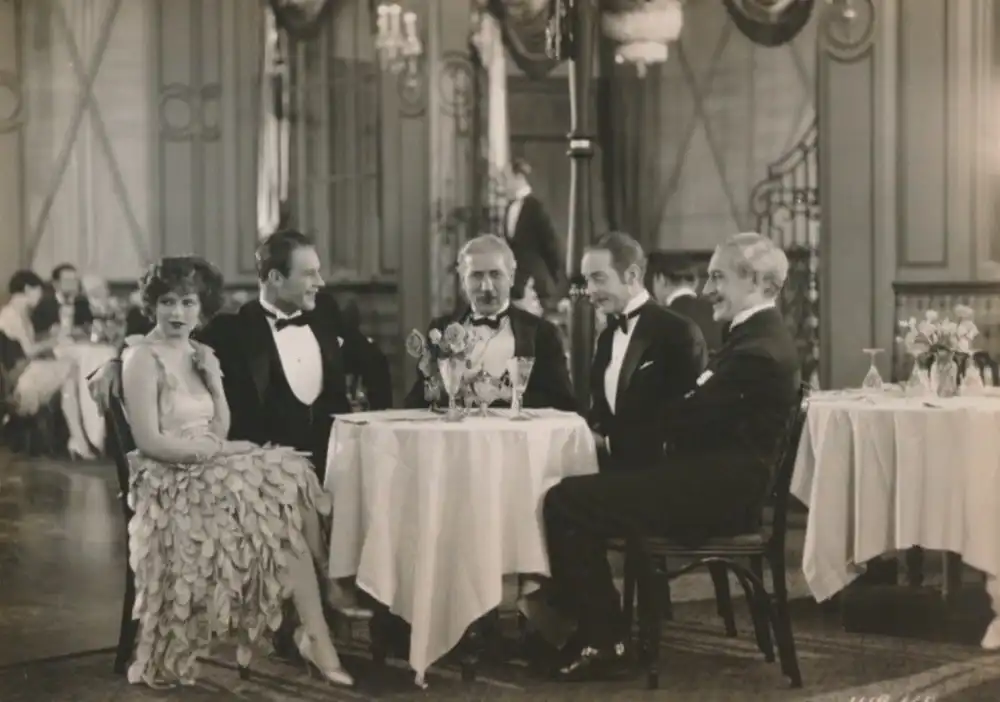
The film starts with the kinetic energy typical of a Bow vehicle, but it quickly descends into a repetitive, almost claustrophobic domestic study. It is a movie that promises a high-life fantasy and delivers a cautionary tale about poor financial management and junk food. It’s weird, it’s occasionally boring, and yet you can’t quite look away because the central premise is so fundamentally absurd.

The most jarring element of Red Hair is the casting of the 'drug kingpin.' We are introduced to him through the eyes of Bubbles (Bow), who sees the expensive suits and the flash of cash. But the performance by William Austin—usually known for playing bumbling, effete sidekicks—is baffling. He doesn't carry the menace of a criminal mastermind; he carries the energy of a man who accidentally stumbled into a pile of money and is terrified someone will ask him to do something useful with it.
There is a specific scene early on where Austin’s character is meant to be 'handling business' in a backroom. The lighting is low, the smoke is thick, and the tension is supposed to be high. But the way he fumbles with a ledger and looks nervously at the door makes him feel less like a threat and more like a high schooler playing dress-up. Bow, meanwhile, plays the role with a sharp, calculating hunger. In their close-ups, you can see the exact moment her character realizes she has hitched her wagon to a man whose only real ambition is to sit on a sofa.

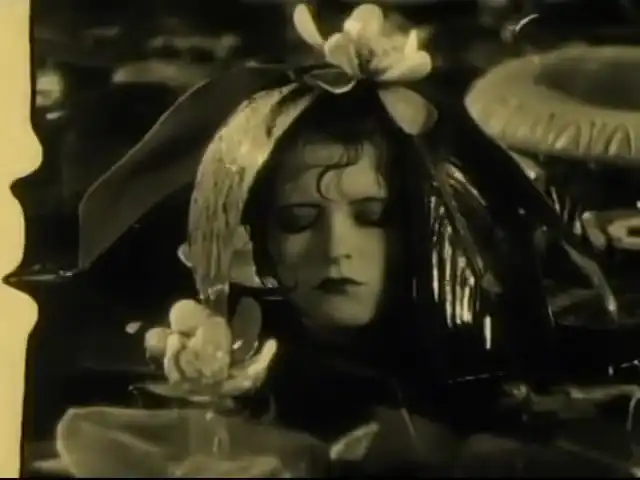
About forty minutes in, the film hits a wall that it never quite climbs over. Once the 'romance' is established, the narrative focus shifts entirely to the kingpin’s spending habits. In a film titled Red Hair, you’d expect the visual focus to remain on Bow’s iconic look (and the surviving Technicolor sequence does highlight this), but the middle act is strangely obsessed with food delivery.
We see shot after shot of empty pizza crates and beer bottles piling up in their lavish apartment. It’s a bold choice to depict the 'downfall' of a criminal empire not through police raids or rival hits, but through gradual, greasy attrition. The editing rhythm slows down significantly here. There’s a three-minute sequence of the kingpin eating while Bubbles stares at a mounting pile of bills that feels like it was filmed in real-time. It’s an awkward, lingering bit of filmmaking that makes you feel Bubbles' resentment, but it also makes you check your watch.
Visually, the film is a mixed bag. The cinematography by Harold Rosson is at its best when it stays close to Bow. She has a way of reacting to the mundane—like the sight of a half-eaten pepperoni slice—with a level of dramatic intensity usually reserved for a death in the family. The way she adjusts her hair in the mirror while the background is cluttered with her husband's trash is a great bit of visual storytelling. It tells us everything we need to know about her vanity vs. her reality.
However, the 'crime' elements of the film look remarkably cheap. The drug den looks suspiciously like the same set used for the fancy hotel lobby in The Prince and Betty, just with the lights turned down and a few extra rugs thrown over the furniture. There’s a lack of texture to the underworld here; it feels like a stage play where the props didn't arrive on time.
The film is at its most interesting when it leans into the friction between Bubbles' expectations and her reality. There is a small, quiet moment where she finds a hidden stash of money, only for the kingpin to snatch it away to pay the delivery boy. The look on Bow’s face—a mix of fury and genuine disbelief—is the best acting in the movie. It’s a grounded, human reaction that cuts through the melodrama. It reminded me of the tonal shifts in The Triumph of the Rat, where the fall from grace is more pathetic than it is grand.
The writers, including Elinor Glyn, were clearly trying to subvert the 'gangster's moll' trope, but they ended up creating something that feels like an accidental sitcom. The dialogue cards are sparse, which usually helps a silent film’s flow, but here they leave too many gaps. We never really understand why this kingpin is so obsessed with his specific diet, or why Bubbles stays as long as she does. Is it love, or is it just the fact that she has nowhere else to go?
Red Hair is not a masterpiece, and it’s not even a particularly good crime film. It is, however, a fascinating failure. It’s a movie that tries to be about the 'It Girl' finding love, but ends up being a movie about the crushing boredom of living with a loser. If you can stomach the slow middle section and the bizarre focus on the kingpin's snacks, Bow’s performance provides enough electricity to keep the lights on. It’s a minor work that deserves a look if only to see how the silent era handled the concept of a 'bad provider.' Just don’t expect any actual action; the only thing being hit in this movie is the bottom of a beer bottle.
IMDb 5.5
1933
Community
Log in to comment.